Follow us on Facebook
Breaking updates in your feed — tap to open
The smartphone era has defined mobile technology for over a decade, but signs suggest we’ve reached a plateau. While companies like Apple, Samsung, and Google continue refining their iPhone, Galaxy, and Pixel lines with better cameras, displays, and battery life, the fundamental form factor remains largely unchanged. The next wave of innovation isn’t about making phones slightly thinner or faster-it’s about moving beyond the handheld rectangle entirely.
Wearables, smart glasses, and augmented reality (AR) devices represent the true frontier, with the market projected to reach $62 billion and growing at 12% annually. For developers, this shift isn’t just another platform to support-it’s a complete rethinking of how we build mobile experiences. Those who master these new paradigms won’t just survive the transition; they’ll lead it, positioning themselves as disruptors in emerging markets like smart home ecosystems, enterprise AR, and next-generation fitness platforms.

- The Smartphone Plateau and the Rise of Wearables
- Why This Isn’t Just “Smaller Phones”
- Architectural Considerations
- Interaction Paradigms
- User Expectations
- The Technical Stack for Next-Generation Development
- For Wearables: Jetpack Compose and Wear Compose
- For AR: ARCore and Spatial Computing Frameworks
- Cross-Platform Considerations
- Critical Development Strategies
- Obsessive Battery Optimization
- Local-First Architecture
- Minimal Data Transmission for AR
- Rigorous Physical Device Testing
- The Competitive Advantage: Positioning for the Future
- Smart Home Ecosystems
- Enterprise AR Applications
- Next-Generation Fitness Platforms
- Multimodal Computing Future
- Getting Started: Your Action Plan
The Smartphone Plateau and the Rise of Wearables
Look at today’s flagship smartphones: they all feature OLED displays, multiple cameras with night mode and portrait mode, fast charging (whether through USB-C, MagSafe, or proprietary systems), and 5G connectivity. The differences between an iPhone 15 Pro, Samsung Galaxy S24, or Google Pixel 8 are increasingly marginal. Consumers are holding onto devices longer, and innovation has shifted to incremental improvements rather than revolutionary changes.
Meanwhile, wearables have evolved from simple fitness trackers like Fitbit to sophisticated health and communication hubs. Apple Watch with watchOS and Wear OS smartwatches now handle notifications, payments, fitness tracking, and even cellular calls independently. Wireless earbuds like AirPods and Galaxy Buds have become intelligent audio companions with noise-cancelling features. These devices aren’t phone accessories anymore-they’re primary interfaces for many daily tasks.
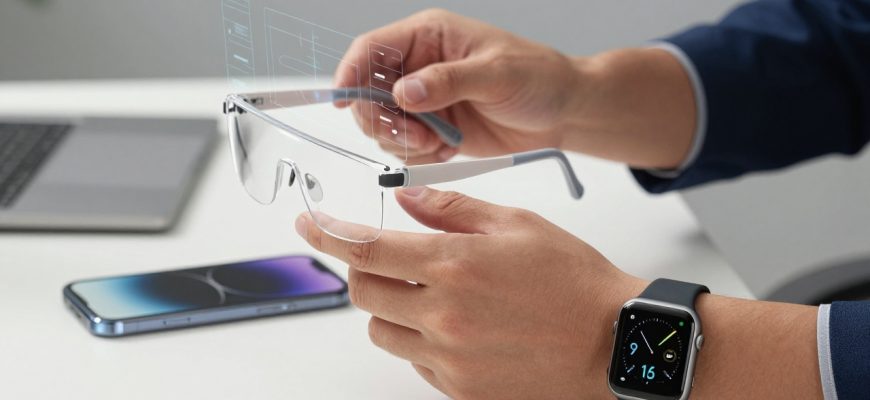
AR represents an even more dramatic leap. While still early in consumer adoption, AR glasses and headsets promise to overlay digital information onto our physical world, creating what industry experts call “spatial computing.” This isn’t science fiction; it’s the logical next step in how we interact with technology.
Why This Isn’t Just “Smaller Phones”
The biggest mistake developers can make is treating wearables and AR as scaled-down versions of smartphone apps. These platforms demand fundamentally different approaches across three key areas:
Architectural Considerations
Smartphones have generous storage, powerful processors, and reliable network connectivity. Wearables operate under severe constraints:
- Battery Life: A smartwatch might need to last all day on a battery a fraction of a phone’s size
- Performance: Processors are optimized for efficiency over raw power
- Connectivity: Bluetooth and intermittent cellular connections replace constant Wi-Fi/5G
- Storage: Limited local storage necessitates cloud synchronization strategies
Interaction Paradigms
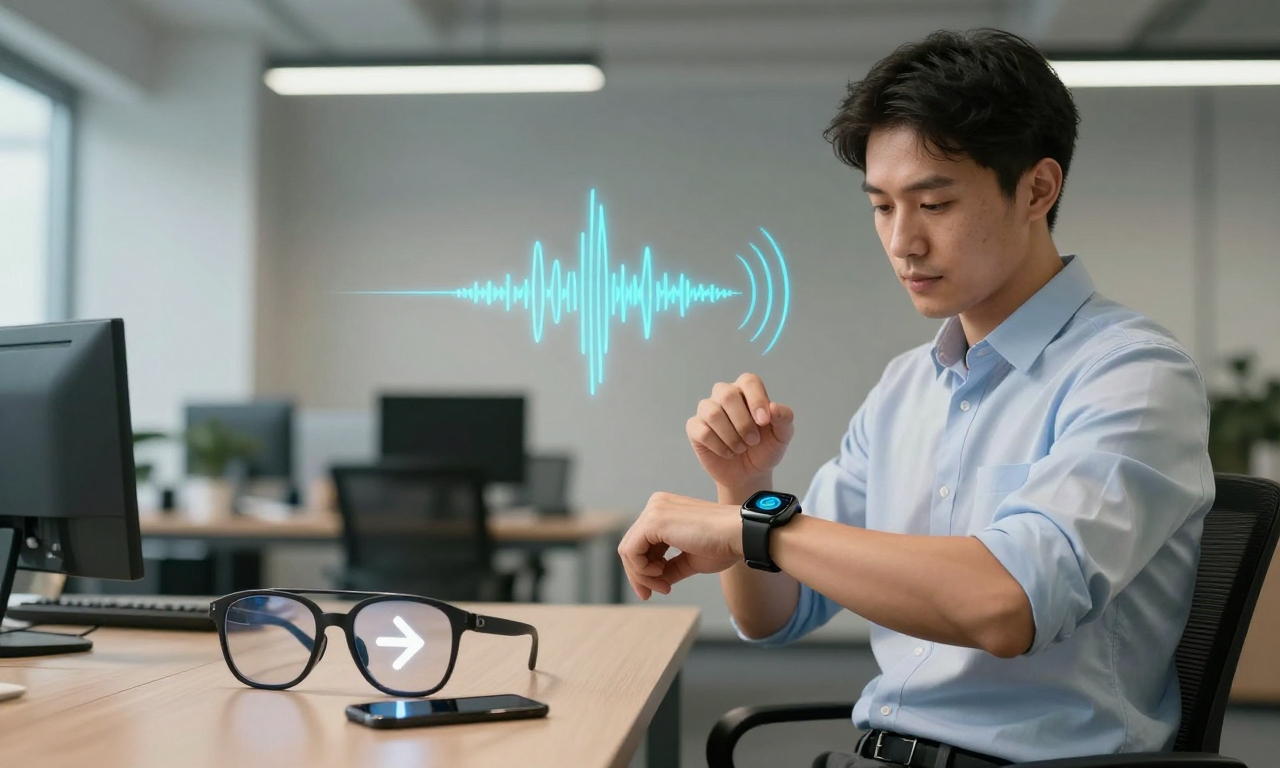
Forget touchscreen dominance. Wearables introduce:
- Voice Commands: Hands-free operation through digital assistants
- Gestures: Subtle wrist movements or finger taps instead of screen swipes
- Glances: Information designed to be consumed in seconds, not minutes
- Spatial Interfaces: AR experiences that respond to physical movement and environment
User Expectations
People don’t “use” wearables the way they use phones-they wear them. This creates different expectations:
- Always-Available: Instant access without digging in a pocket or bag
- Context-Aware: Knowing whether you’re exercising, working, or commuting
- Minimalist: Delivering value with minimal cognitive load
- Private: Personal data displayed discreetly, not on a public screen
The Technical Stack for Next-Generation Development
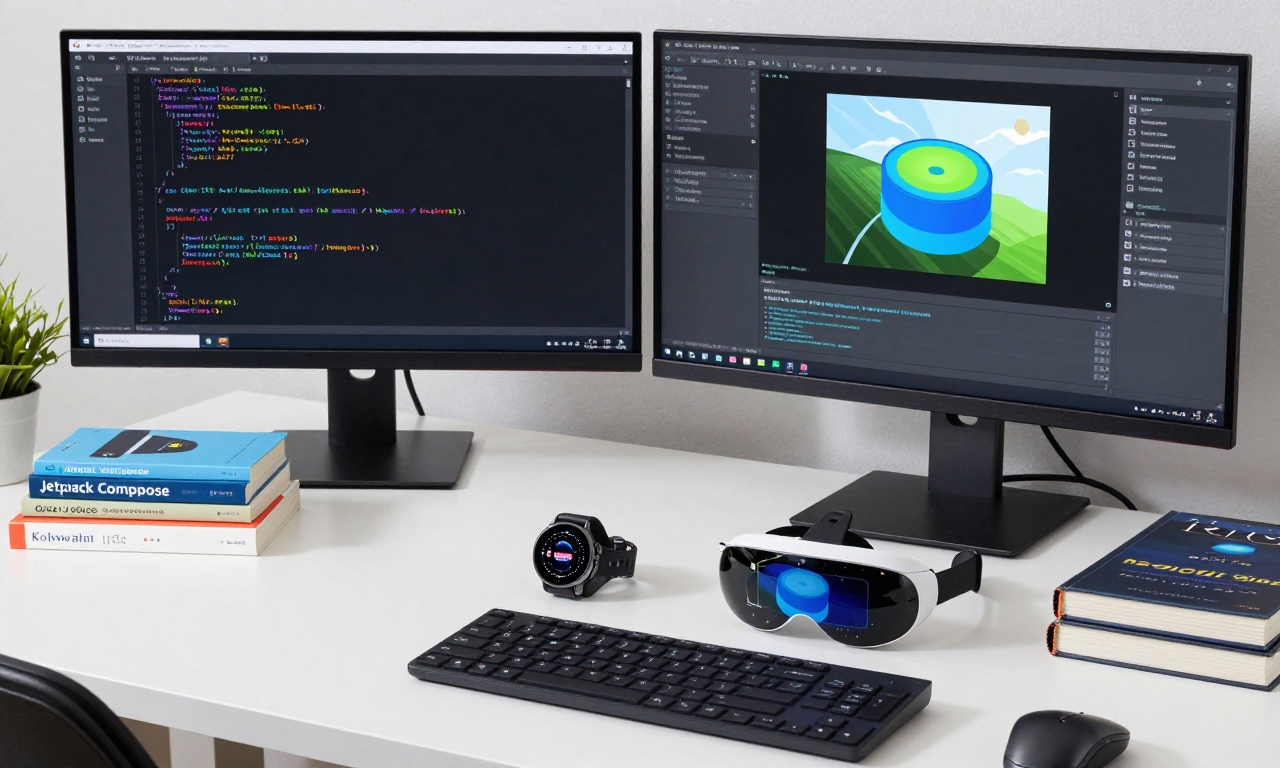
Success in this new landscape requires mastering specific tools and frameworks. Here’s what developers need in their toolkit:
For Wearables: Jetpack Compose and Wear Compose
Google’s modern UI toolkit has become essential for Android development, and Wear Compose extends this to smartwatches and other wearables. The declarative approach simplifies creating adaptive interfaces that work across different screen sizes and shapes. Key advantages include:
- Type Safety: Kotlin’s strong typing catches errors at compile time
- Coroutines: Built-in support for non-blocking operations crucial for responsive interfaces
- Material You Integration: Automatic adaptation to user preferences and device capabilities
- Testing Tools: Better support for UI testing compared to older View-based systems
For AR: ARCore and Spatial Computing Frameworks
Google’s ARCore (and Apple’s ARKit for iOS developers) provide the foundation for AR experiences. These frameworks handle the complex tasks of:
- Motion Tracking: Understanding device position and orientation in real space
- Environmental Understanding: Detecting surfaces, lighting, and objects
- Light Estimation: Matching virtual objects to real-world lighting conditions
- Cloud Anchors: Persistent AR experiences shared across devices
For more advanced spatial computing, developers are exploring frameworks that go beyond simple object placement to create truly interactive environments.
Cross-Platform Considerations
While this article focuses on Android/Wear OS development, successful developers understand the broader ecosystem:
- watchOS: Apple’s wearable platform with different design patterns and SwiftUI
- Mixed Reality: Platforms like Meta Quest and Microsoft HoloLens for enterprise AR
- Fitness Ecosystems: Integration with Garmin, Fitbit, and other specialized platforms
Critical Development Strategies
Building for wearables and AR requires more than just learning new APIs-it demands new development philosophies. Here are the essential strategies:
Obsessive Battery Optimization
Battery life isn’t just a feature-it’s the primary constraint. Effective strategies include:
- WorkManager: Schedule background tasks during optimal charging periods
- Sensor Batching: Group sensor readings to minimize wake-ups
- Adaptive Refresh Rates: Lower display refresh rates during static content
- Network Efficiency: Batch data transfers and use efficient protocols
“On wearables, every milliwatt matters. What’s acceptable battery drain on a phone is catastrophic on a watch.” – Senior Wear OS Developer
Local-First Architecture
Assume connectivity will be intermittent or nonexistent. Your app should:
- Persist Essential Data: Use Room or similar local databases
- Sync Strategically: Only transfer what’s necessary when connectivity is available
- Graceful Degradation: Maintain core functionality offline
- Conflict Resolution: Handle data synchronization conflicts intelligently
Minimal Data Transmission for AR
AR applications can’t afford latency. To maintain immersion:
- Pre-load Assets: Download 3D models and textures before they’re needed
- Edge Computing: Process data on-device when possible
- Progressive Enhancement: Start with simple visuals, enhance as bandwidth allows
- Compression Techniques: Use efficient formats for 3D data and textures
Rigorous Physical Device Testing
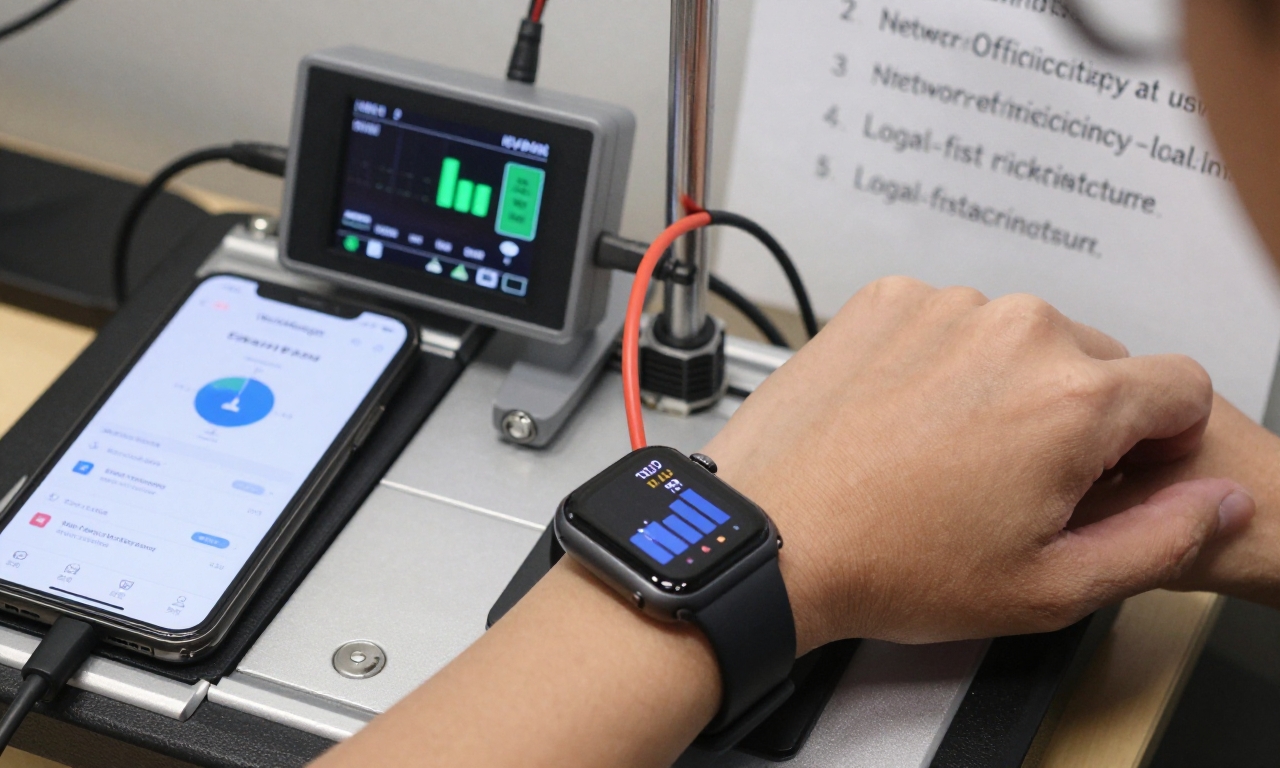
Emulators can’t replicate real-world conditions. Essential testing includes:
- Battery Drain Tests: Measure actual power consumption over hours, not minutes
- Connectivity Simulation: Test with poor Bluetooth and cellular signals
- Environmental Factors: Bright sunlight, cold temperatures, motion
- Long-term Stability: Memory leaks that appear after days of use
The Competitive Advantage: Positioning for the Future
Developers who invest in wearables and AR skills now aren’t just preparing for tomorrow-they’re creating opportunities today. Here’s where these skills provide immediate value:
Smart Home Ecosystems
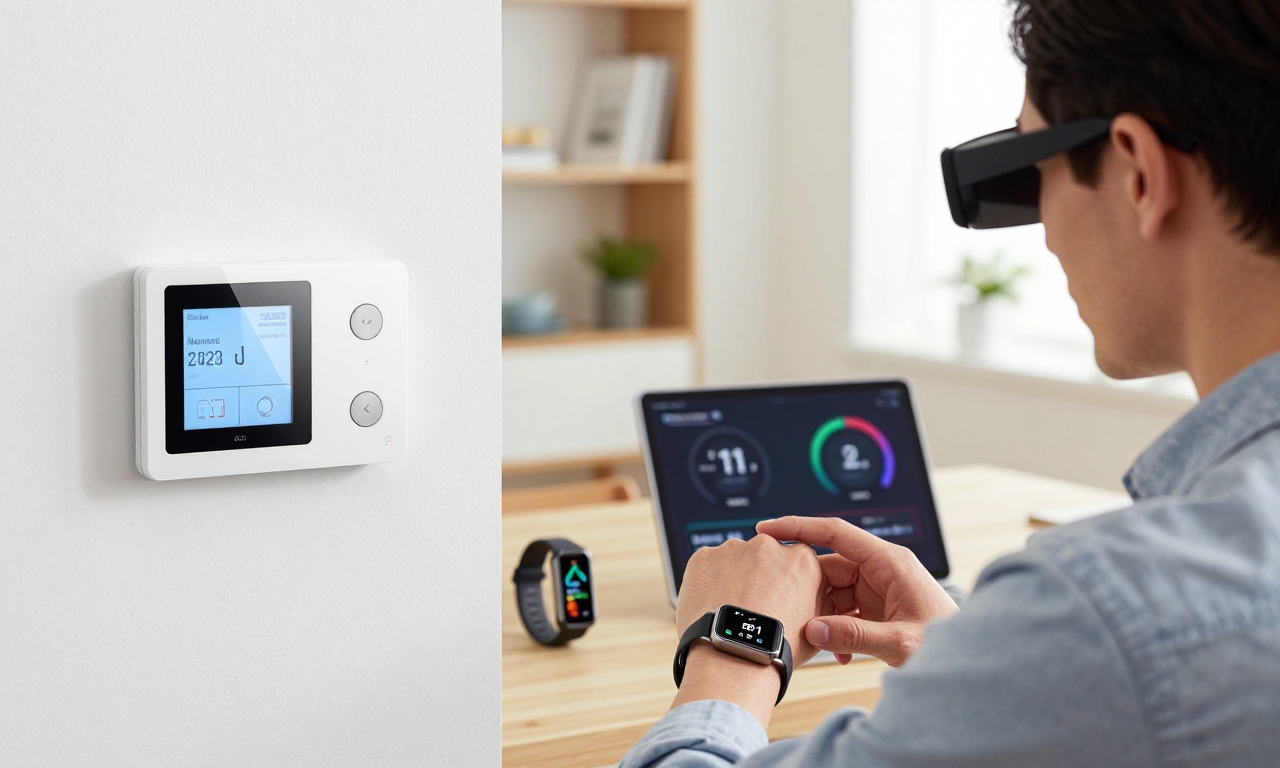
Wearables are becoming the primary interface for smart homes. A wrist tap can adjust thermostats, check security cameras, or control lighting. Developers who understand both wearable interfaces and IoT protocols can create seamless experiences that phones can’t match.
Enterprise AR Applications
While consumer AR glasses are still emerging, enterprise adoption is accelerating. Applications include:
- Remote Assistance: Overlaying instructions for field technicians
- Training Simulations: Interactive learning environments
- Design Visualization: Architects and engineers previewing projects
- Warehouse Management: Hands-free inventory and navigation
Next-Generation Fitness Platforms
Beyond basic step counting, modern wearables offer:
- Advanced Health Metrics: Heart rate variability, blood oxygen, stress tracking
- Form Analysis: AR-assisted exercise technique correction
- Personalized Coaching: Adaptive workout plans based on real-time data
- Recovery Optimization: Sleep tracking and activity recommendations
Multimodal Computing Future
The ultimate goal isn’t replacing smartphones with wearables, but creating a seamless ecosystem where devices work together based on context:
- Phone: For extended browsing, content creation, and complex tasks
- Watch: For notifications, health tracking, and quick interactions
- Glasses: For navigation, information overlay, and hands-free assistance
- Earbuds: For audio, voice commands, and hearing enhancement
Developers who understand how to build experiences that flow naturally between these devices will define the next decade of computing.
Getting Started: Your Action Plan
Ready to transition from smartphone to wearable and AR development? Here’s a practical roadmap:
- Start Small: Build a companion app for an existing project that adds wearable functionality
- Learn the Tools: Complete Google’s Wear OS and ARCore codelabs
- Join Communities: Participate in Wear OS and AR developer forums and Discord channels
- Attend Events: Google I/O, Apple WWDC, and AR/VR conferences often have wearable tracks
- Build a Portfolio: Create open-source projects demonstrating battery optimization, offline functionality, and spatial interfaces
- Stay Current: Follow industry leaders and research papers on human-computer interaction for wearables
The $62 billion wearables and AR market represents more than just economic opportunity-it’s a chance to redefine how humans interact with technology. While smartphones will remain important, the center of innovation has shifted. Developers who embrace this shift today will build the experiences that define tomorrow.