Follow us on Facebook
Breaking updates in your feed — tap to open
As wearable technology continues to evolve beyond smartwatches, smart rings have emerged as discreet yet powerful companions for health-conscious individuals. Our extensive testing of over 30 devices as of July 2025 reveals a rapidly maturing market with surprising capabilities-and equally surprising limitations. While these sleek bands aren’t medical devices, they offer valuable insights into your wellbeing, provided you choose the right model for your specific needs.
The core appeal of smart rings lies in their 24/7 wearability. Unlike bulkier watches that need charging every day or two, most rings last 5-7 days on a single charge, making them ideal for continuous monitoring. But beyond convenience, our analysis uncovered significant variation in how different brands implement health tracking features, from basic biometrics to sophisticated AI-driven insights.
- Biometric Accuracy: Where Smart Rings Shine and Struggle
- Sleep Tracking: The Algorithm Makes All the Difference
- Understanding Sleep Stage Accuracy
- Stress Monitoring Leaders
- Fitness and Recovery: Smart Rings’ Current Limitations
- The Workout Tracking Gap
- Recovery and Readiness Insights
- Integration and Reporting Capabilities
- Third-Party App Compatibility
- Data Presentation and Professional Reporting
- Choosing Your Smart Ring: Key Considerations
- For Sleep Optimization Seekers
- For Stress Management Focus
- For Comprehensive Wellness Tracking
- Important Safety and Purchasing Considerations
Biometric Accuracy: Where Smart Rings Shine and Struggle
When it comes to fundamental health metrics, our testing revealed a clear hierarchy. Mid-to-top tier smart rings from established brands perform remarkably well for basic biometrics during general daily activity. Heart rate monitoring, resting heart rate calculations, and heart rate variability (HRV) measurements showed statistical equivalence across premium models during normal wear.
However, we identified specific areas where accuracy varies significantly:
- Blood Oxygen (SpO2): Most devices provide reliable readings during rest, but lower-tier models struggle with accuracy during movement or sleep
- Skin Temperature: Budget rings often show inconsistencies, particularly in fluctuating environmental conditions
- Step Counting: Accuracy depends heavily on hand placement, ring fit, and filtering algorithms to exclude false triggers like typing or gesturing
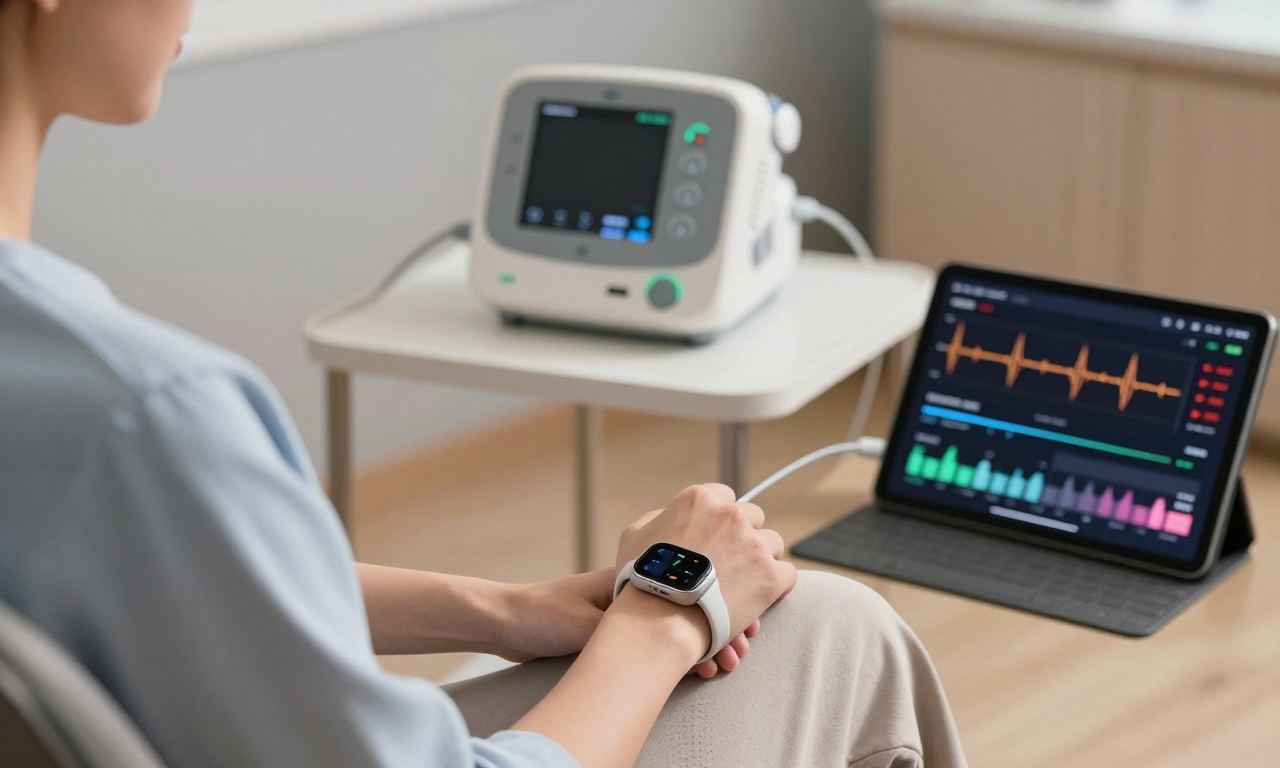
Our testing methodology involved comparing ring data against medical-grade devices during controlled activities. While no consumer wearable matches clinical equipment, several rings came surprisingly close for everyday wellness tracking.
Sleep Tracking: The Algorithm Makes All the Difference
Understanding Sleep Stage Accuracy
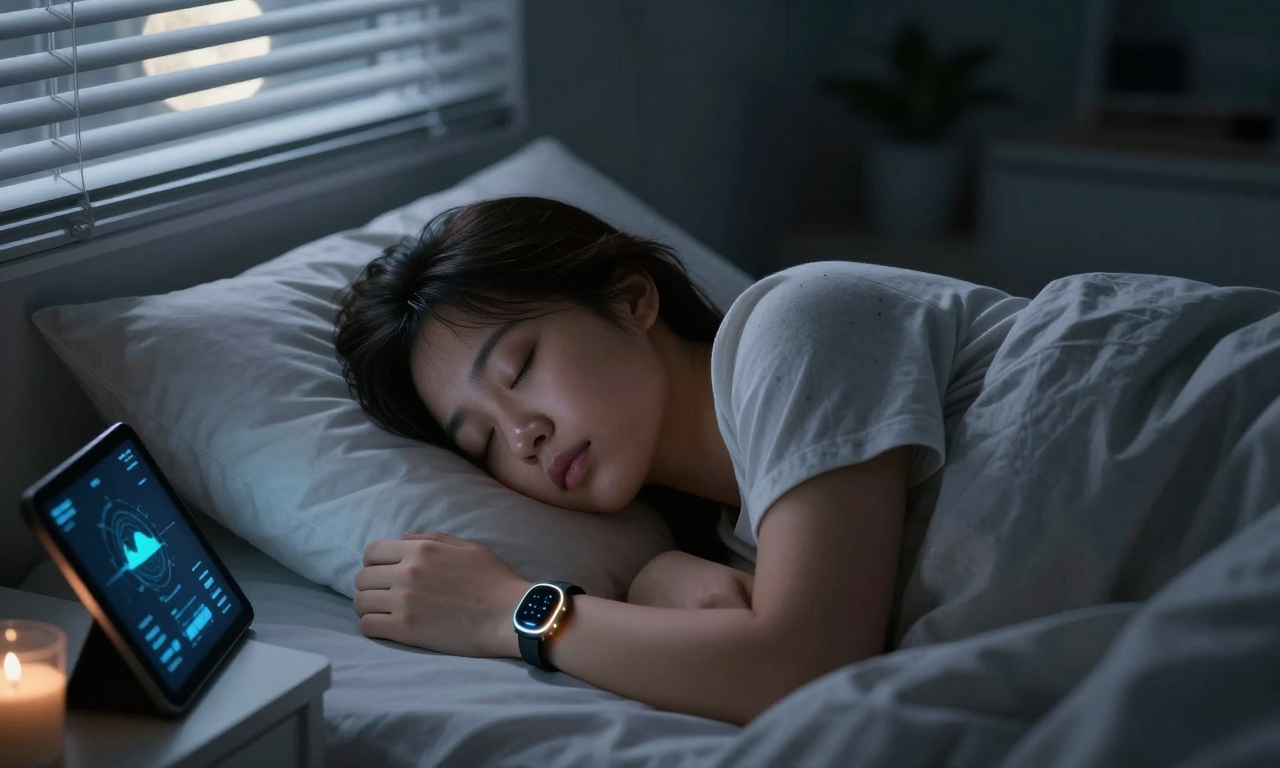
Sleep tracking represents one of the most valuable-and variable-features across smart rings. Our month-long testing with multiple sleepers revealed that proprietary algorithms create dramatic differences in reported sleep quality, duration, and stages.
The best-performing devices reliably capture:
- Total sleep duration with 95%+ accuracy compared to polysomnography
- Movement patterns and restlessness throughout the night
- Basic sleep/wake cycles for most standard sleepers
However, we discovered significant limitations:
- Most rings struggle with non-standard sleep patterns (shift workers, naps, irregular schedules)
- REM and deep sleep stage detection varies widely between brands
- Environmental factors like room temperature and bedding can affect sensor readings
For those with consistent sleep schedules, premium rings offer valuable insights. But if your sleep patterns deviate from the norm, temper your expectations accordingly.
Stress Monitoring Leaders
Continuous stress tracking has become a standout feature for several brands. Ultrahuman and RingConn lead the pack with 24/7 measurement and detailed graphing that helps users identify stress patterns throughout their day.
These systems typically combine:
- HRV measurements taken throughout the day
- Activity and recovery data correlation
- Personalized baselines that improve over time
Our testers found these insights particularly valuable for recognizing stress triggers and optimizing recovery periods.

Fitness and Recovery: Smart Rings’ Current Limitations
The Workout Tracking Gap
If accurate workout tracking is your priority, smart rings may disappoint. Our testing confirms that sensor limitations make them unsuitable for precise exercise monitoring. During intense activities, heart rate readings can lag or become inaccurate due to hand positioning and blood flow patterns.
For serious fitness enthusiasts, we recommend:
- Chest straps: Still the gold standard for heart rate accuracy during exercise
- Smartwatches: Better optical sensors and GPS integration for outdoor activities
- Dedicated fitness trackers: More specialized algorithms for specific sports
However, smart rings excel at something equally important: recovery tracking. By monitoring how your body responds to stress and activity, they provide valuable guidance on when to push harder and when to rest.
Recovery and Readiness Insights
Several brands have developed sophisticated recovery scoring systems that help optimize training and prevent burnout. Helio, Luna, Oura, RingConn, and Ultrahuman offer the most comprehensive recovery insights, combining multiple data points into actionable recommendations.
These systems typically analyze:
| Metric | Purpose | Best Implementation |
|---|---|---|
| HRV Trends | Autonomic nervous system balance | Oura, Ultrahuman |
| Sleep Quality | Physical restoration | Helio, RingConn |
| Activity Balance | Strain vs. recovery ratio | Luna, Ultrahuman |
| Temperature Trends | Early illness detection | Oura, Galaxy Ring |
The integration of AI features has expanded these insights significantly, with several brands now offering personalized feedback based on your unique patterns and goals.
Integration and Reporting Capabilities
Third-Party App Compatibility
One area where smart rings have made impressive strides is third-party integration. Our testing revealed robust compatibility with popular fitness and health platforms, particularly among premium brands.
The strongest performers include:
- Ultrahuman: Excellent two-way sync with Strava, Garmin, and Apple Health
- Oura: Comprehensive API support for health and research applications
- Galaxy Ring: Deep Samsung Health integration with Android ecosystem
- Helio: Growing partner network for specialized health tracking
This connectivity allows users to build a more complete health picture by combining ring data with information from other devices and apps.
Data Presentation and Professional Reporting
How health data is presented can be as important as the data itself. Oura leads in reporting capabilities with extensive periodic reports and professional data sharing features that allow users to share insights with healthcare providers.
Other strong performers include:
- Galaxy Ring: Clean, intuitive interface within Samsung Health
- RingConn: Detailed trend analysis and pattern recognition
- Ultrahuman: Actionable insights with clear explanations
For users who want to track progress over time or share data with professionals, these reporting features add significant value beyond basic metric tracking.
Choosing Your Smart Ring: Key Considerations
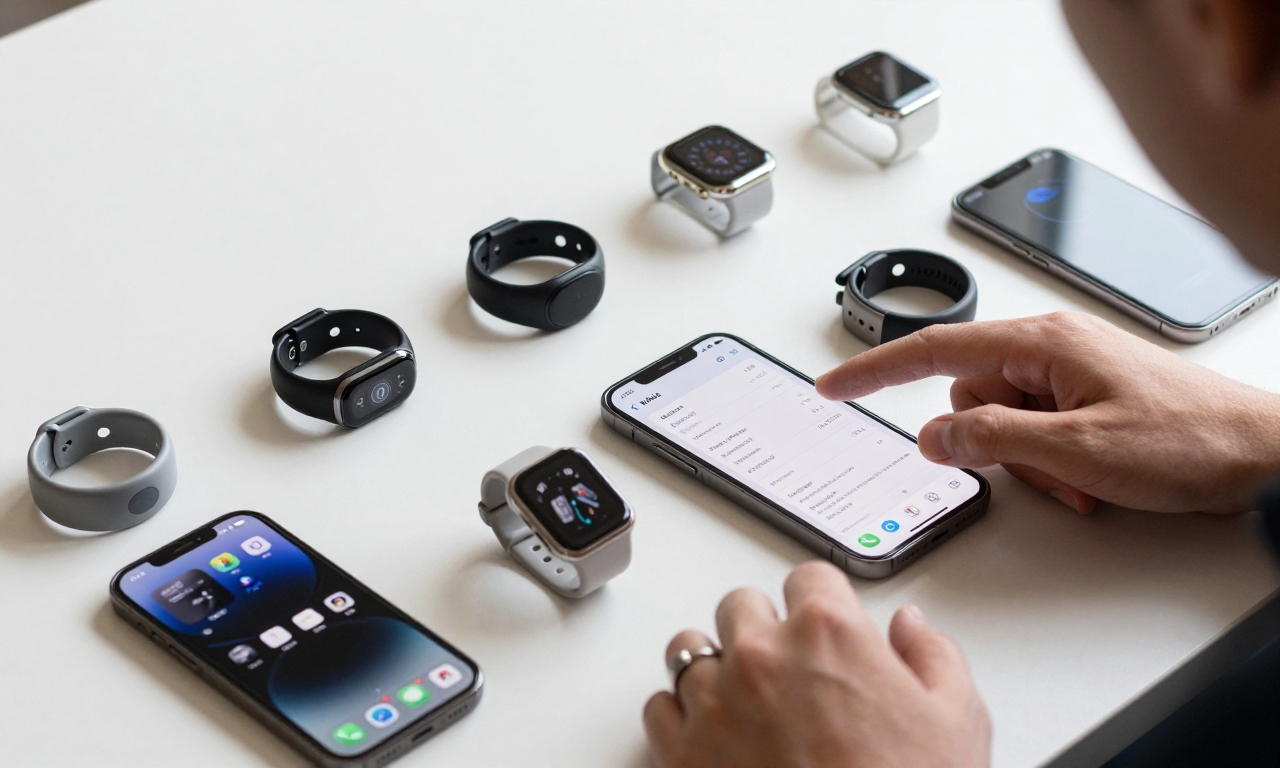
Based on our extensive testing, selecting the right smart ring depends entirely on your individual needs and priorities. Here’s our guidance for different user profiles:
For Sleep Optimization Seekers
If improving sleep is your primary goal, prioritize devices with proven sleep tracking algorithms. Look for rings that offer detailed sleep stage analysis, restlessness tracking, and personalized recommendations. Our testing suggests investing in mid-to-premium tier devices for consistent accuracy.
For Stress Management Focus
Users interested in stress monitoring should consider brands offering 24/7 tracking with detailed trend analysis. The ability to correlate stress levels with daily activities and recovery patterns provides valuable insights for lifestyle adjustments.
For Comprehensive Wellness Tracking
If you want a complete picture of your health, choose rings with strong recovery scoring, temperature trend monitoring, and good third-party integration. These devices work best as part of a broader health ecosystem.
Important Safety and Purchasing Considerations
Our analysis concludes with crucial advice for potential buyers:
Smart rings provide valuable health guidance for general wellbeing, but they are not medical diagnostic devices. Always consult healthcare professionals for medical concerns.
Additional recommendations include:
- Avoid unauthorized sellers: Purchase directly from manufacturers or authorized retailers to prevent fraud or defective products
- Check compatibility: Ensure the ring works with your smartphone and preferred health apps
- Consider battery life: Longer battery life means more continuous data collection
- Review privacy policies: Understand how your health data is stored and used
The smart ring market continues to evolve rapidly, with new features and improvements arriving regularly. Our testing shows that while no single device excels in every category, several brands offer compelling combinations of accuracy, insights, and usability for different user needs.
As you consider joining the growing community of smart ring users, remember that the most valuable device is the one you’ll wear consistently and that provides insights you’ll actually use to improve your health and wellbeing.