Follow us on Facebook
Breaking updates in your feed — tap to open
The FDA-cleared hypertension notification feature on Apple Watch represents a shift in how wearables contribute to cardiovascular health. Rather than a single cuff reading, the system aggregates optical sensor data, motion, and heart rate over a 30-day window to flag potential high blood pressure. The goal is to improve specificity, minimize false alarms, and guide users toward definitive cuff-based testing when risk is highest. This article breaks down how the model works, what early studies show about accuracy, and what it means for individuals and public health—along with the ethical questions that come with continuous health data.
How the 30-Day Data Model Works
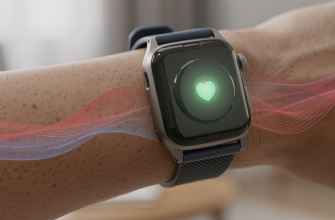
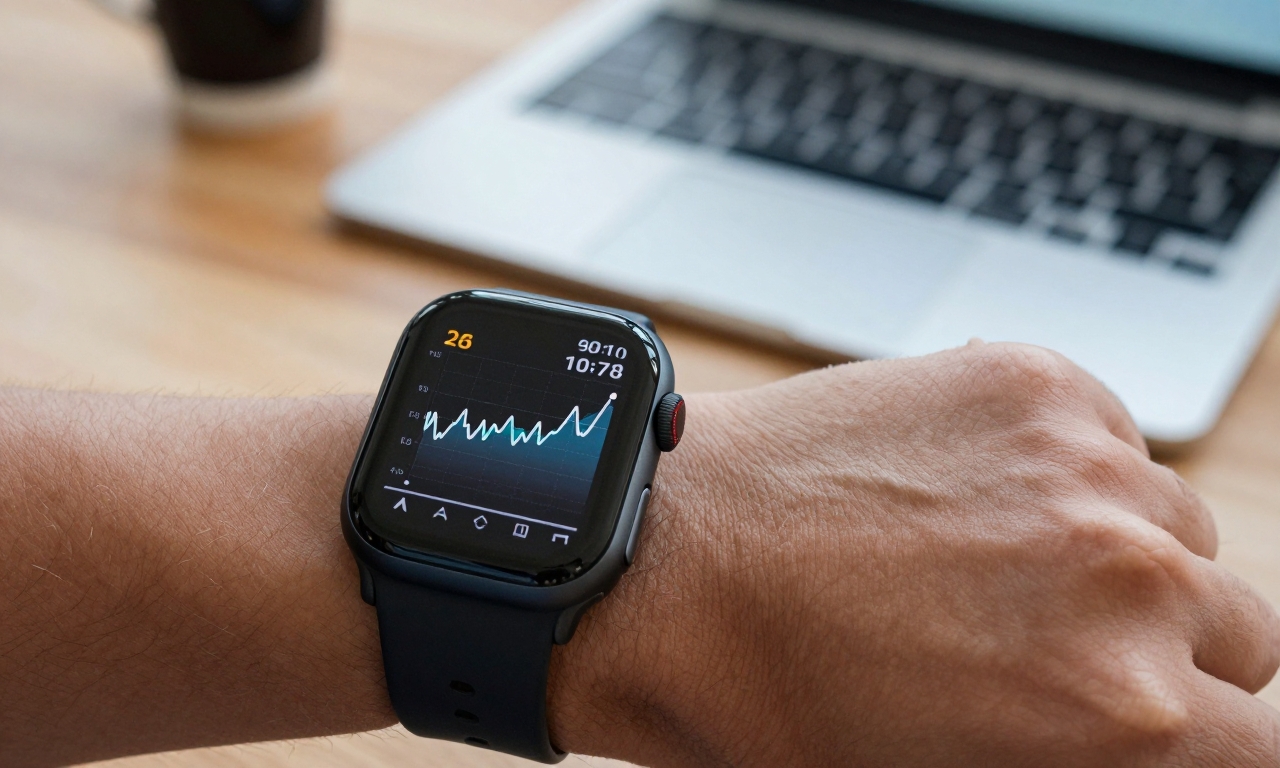
The core idea is to move beyond a single reading to a continuous signal that reflects ongoing physiological states. Apple Watch collects photoplethysmography (PPG) data from the optical sensor, along with heart rate and motion data from the accelerometer. These signals are analyzed over a rolling 30-day window. When patterns suggest elevated blood pressure risk, the device generates a notification or alert for the user, but only after the algorithm prioritizes high specificity to reduce false alarms. In practice, this approach acts as a triage trigger, encouraging a follow-up cuff-based measurement for confirmation rather than delivering a definitive diagnosis from a single data point.
- Inputs: optical sensor data, heart rate, and movement
- Window: 30 days of data
- Output: a risk signal for potential hypertension
| Metric | Value | Notes |
|---|---|---|
| Overall detection rate | About 40% | Among adults with hypertension |
| False positives | About 8% | Among those without hypertension |
| Stage 2 hypertension detection | >50% | When worn for at least 15 days in 30 |
What the Studies Reveal About Performance
Early studies show that continuous data streams can provide meaningful signals, but the numbers vary by population and adherence. The 40% overall detection rate indicates that this tool catches a meaningful portion of hypertension cases that may otherwise go undetected in casual wearables, while the 8% false-positive rate helps reduce alarm fatigue for users who are not experiencing sustained hypertension. Importantly, the feature performs better for those with Stage 2 hypertension, with more than half of such cases correctly flagged when the wearer used the device for 15 days within the 30-day window.
Practically, this design emphasizes specificity—fewer false alarms—even if sensitivity is not perfect. Health teams should treat the alerts as signals prompting a cuff-based check rather than a stand-alone diagnosis.

From Personal Health Tool to Public Health Trend
Continuous health data streams have long been a feature of syndromic surveillance. Since Covid, public health researchers have increasingly used continuous data flows to detect signals earlier than discrete tests allow. In wearables, aggregated signals can help track cardiovascular risk, monitor disease spread, or even infer vaccination sentiments via patterns in electronic records and user behaviors. But these approaches rely on careful calibration against laboratory confirmations and robust data governance to prevent misinterpretation or bias from skewed populations.

Ethics, Equity, and Practical Adoption
As continuous data streams expand, questions about ownership, consent, and potential misuse grow more urgent. Algorithmic bias—whether due to training data, device access disparities, or sensor limitations—can leave some populations underserved or mischaracterized. Historical concerns with pulse oximetry ethics illustrate why this work must emphasize transparency and governance. For users, the practical takeaway is to treat these alerts as directional signals, not diagnoses; always confirm with a cuff-based measurement and consult a clinician if readings remain elevated. Data should be collected and used with explicit consent, and devices should offer clear controls for data sharing and retention.
Continuous wearable data can augment health awareness and early detection, but it must be paired with traditional testing and strong data governance to avoid bias and privacy risks. Clinicians should guide how these signals are used, and policymakers must ensure equitable access.