Follow us on Facebook
Breaking updates in your feed — tap to open
In the fast changing world of wearable technology, the question that consumers are desperate to understand is which device presents factual health information. With seemingly endless choices, technology giants such as Apple and specific fitness organizations like Garmin all market their products as having the potential to unlock insights into our bodies through sleep tracking, heart rate measuring, and recovery measurements. Being a device-tester over the years, I have realized that marketing assertions and scientific reality are usually at odds with each other, and anyone concerned about their health numbers must independently confirm that the information is accurate.
- The accuracy of sleep tracking science.
- Heart Rate Monitoring: More Than the Basics.
- Recovery metrics are the most evolved side of modern wearables
- Making Sense of the Data
- The usefulness of these devices is also influenced by their integration with larger health ecosystems.
- In the future, the interface of wearable technology and clinical validation is the next horizons.
The accuracy of sleep tracking science.
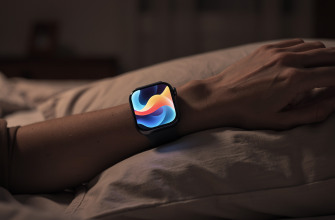
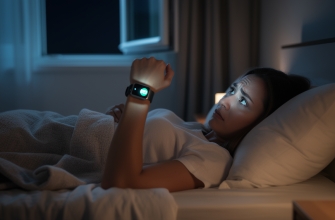
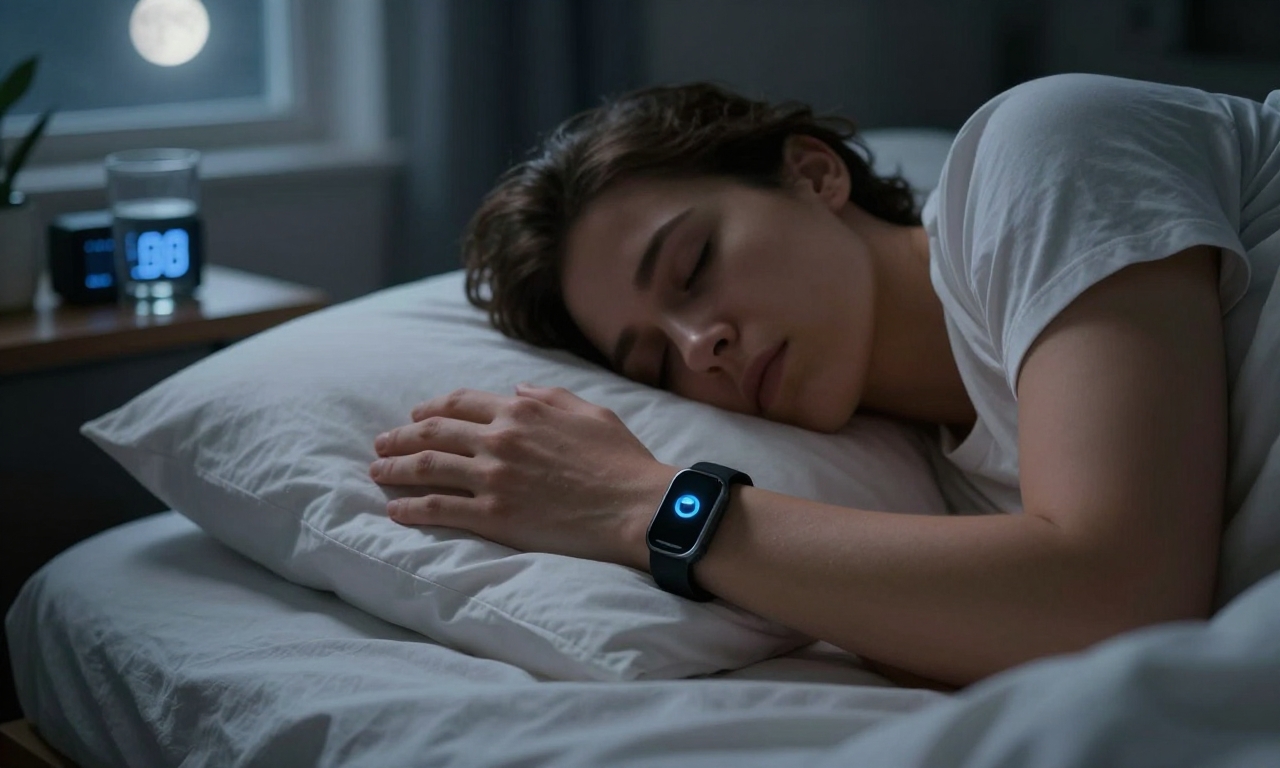
To consider the accuracy of sleep tracking, we should consider what the current technology can do first. The majority of wearables are based on accelerometers and heart-rate sensors, which approximate the sleep stages, however these technologies possess certain drawbacks to clinical polysomnography. Recent independent research in journals of sleep medicine reflects that there exist big differences among devices.
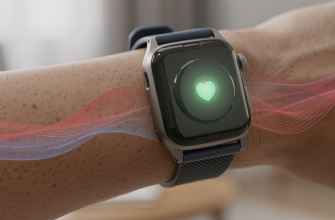
- Apple Watch, which has its sophisticated sensors and WatchOS algorithms, is performing well on identifying sleep onset and wake events but occasionally has difficulties with the accurate differentiation of sleep stages during a restless night.
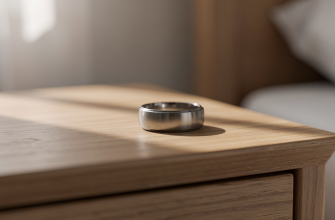
- The Oura Ring is doing something different by adopting the shape of a ring, and researchers claim the shape gives more reliable heart rate information during sleep as it is not susceptible to movement artifacts. The smaller sensor array, however, also indicates that it is dependent on algorithmic interpretation of limited data points.
- Devices and especially higher-end models sold by Garmin use Firstbeat analytics, which has been tested in various studies as accurate measures of recovery, but has historically lost to competitors in its sleep tracking.
- WHOOP is characterized by emphasizing recovery and strain, whose proprietary algorithm assesses the quality of sleep and the requirement to recover based on heart rate variability during the night.
Heart Rate Monitoring: More Than the Basics.
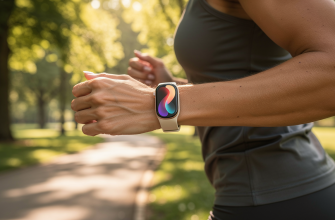
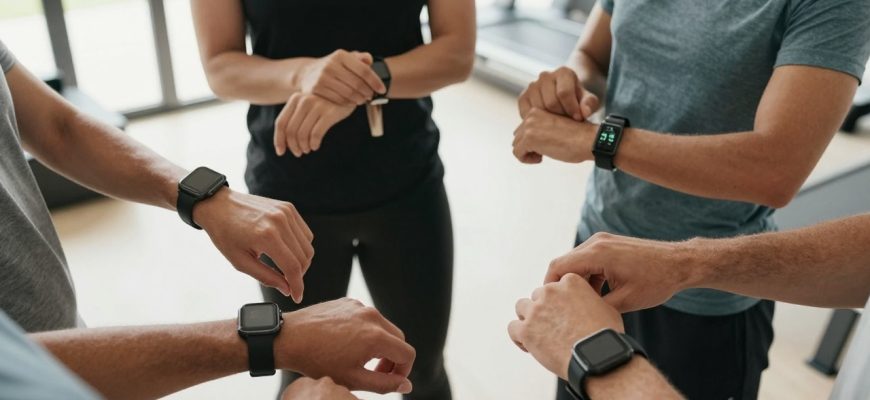
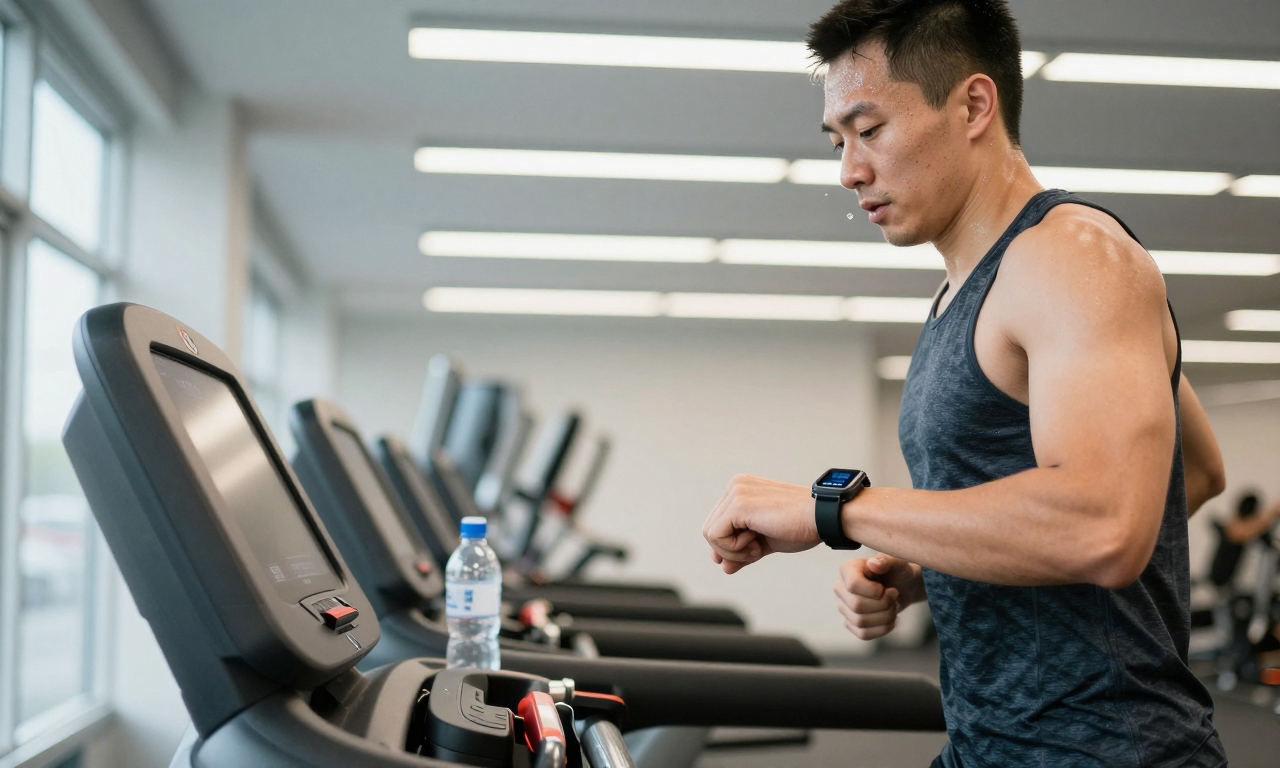
Another crucial area in which there is significant variation in accuracy amongst devices is the application of heart rate monitoring. In controlled laboratory tests with ECG checking, most high end wearables currently can attain remarkable accuracy at rest, which often lies within 2-3 beats per minute of the accuracy of a medical-grade device. The issue arises when operational high-intensity interval training or a form of activity where the arms move a lot, optical heart rate sensors may not be able to keep up with precision.
- Garmin watches tend to shine in such situations because of their focused approach towards athletic performance and constant improvement of sensor technology.
- Recent generations have significantly advanced apple watch, and research demonstrates that it is incredibly accurate in most daily tasks, as well as moderate exercise. Nevertheless, among the serious athletes who measure training zones more precisely, there are still those who prefer to use chest strap monitors as the most reliable ones.
- The 24/7 monitoring of WHOOP will be able to give an in-depth information on heart rate variability, which will also provide insights into the balance of the nervous system and recovery state that cannot be observed by traditional heart rate measurements.
- Being in constant contact with the vascular rich tissue of the finger provides the Oura Ring with an edge in accurately recording heart rate variability data, but its shape makes it not so perfect at monitoring heart rate during specific exercises.
Recovery metrics are the most evolved side of modern wearables
and turn the crude information into practical information on when to exercise intensely and when to rest. These gadgets examine various data sources such as the quality of sleep, heart rate variability, resting heart rate, and occasionally even body temperatures to determine the extent to which your body is prepared to handle physical stress.
- Endurance athletes have found practical uses of body battery and recovery Time capabilities of Garmin devices especially popular.
- The simplicity and emphasis on determining the daily training intensity of professional athletes have made WHOOP Recovery Score popular with training researchers.
Making Sense of the Data
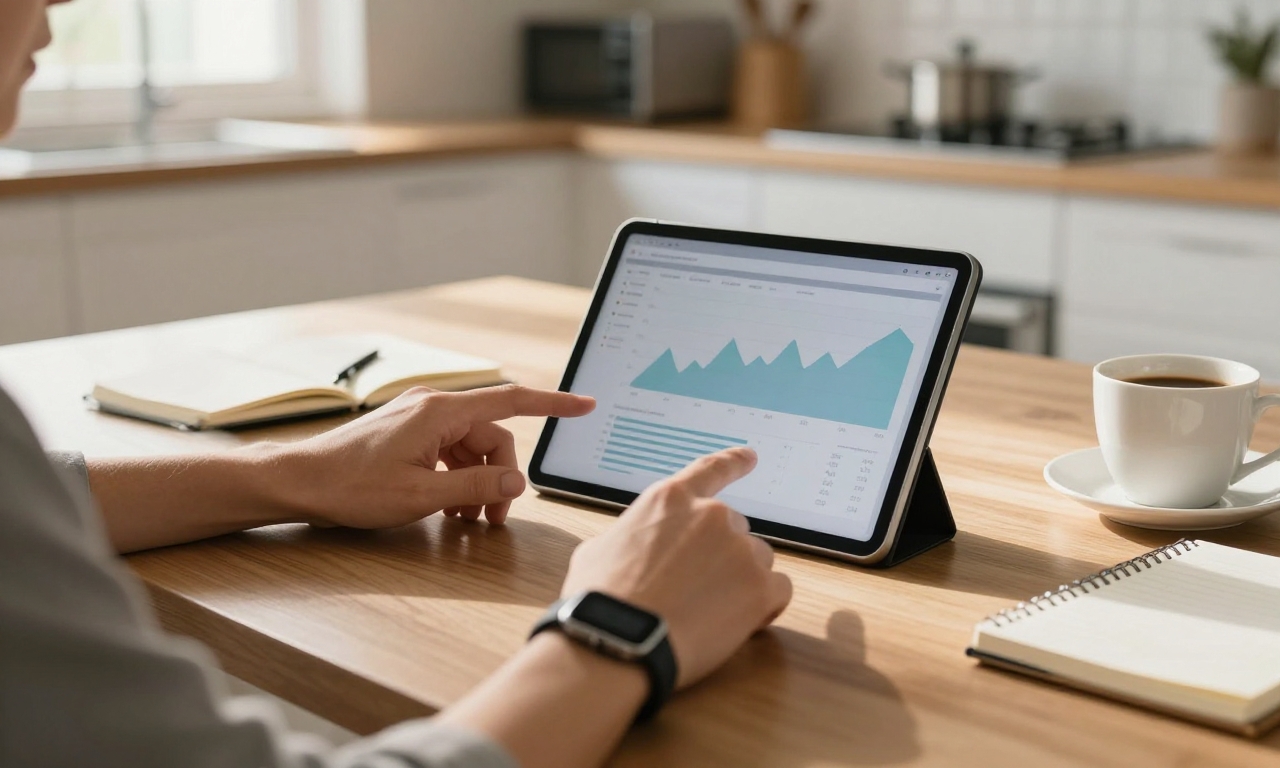
The thing that becomes apparent after examining these devices is that accuracy is very much context and person-specific. A device that is a great sleep tracker in controlled research may not give a person with an odd sleep schedule or with certain health concerns such reliable data. In the same way, the accuracy of the heart rate during weightlifting is not the same as accuracy during a running session or a cycling session. The best solution is to learn the strengths and limitations of each device, but not to find out a single best solution.
To monitor health in general, as well as more trivial tasks like tracking daily activity, current wearables across all leading brands provide relevant data accurate enough to satisfy the needs of the majority of users. Specific usage scenarios such as the optimization of athletic training, screening of sleep disorders, or the analysis of health trends are more eminent in the differences. As you select between these devices, take into account two main purposes: are you seeking to maximize athletic performance, optimize sleep patterns, track overall health, or use a specific health parameter? The platforms are good at different things.
The usefulness of these devices is also influenced by their integration with larger health ecosystems.
- The easy interconnectedness of Apple Watch with the Health app and other third-party medical apps enables it to provide a full-scale medical platform.
- Garmin connect is the most detailed model of athletics and training planning.
- WHOOP and Oura offer more specialized experiences around recovery and preparedness, and their subscriptions plans contain periodic algorithm updates and coaching advice.
In the future, the interface of wearable technology and clinical validation is the next horizons.
The accuracy of these devices is growing as they have increased sophisticated sensors and are supported by larger datasets. Nevertheless, users must be realistic: consumer wearables do not replace diagnostic devices, as they are screening tools. They are best at trend tracking and insight into potential solutions to making healthier choices but cannot substitute professional medical evaluation in case of health issues.
At the end of the day the most precise wearable is the one that you will wear day by day and whose information you will take action on and clearly use to effect a positive change in your daily life. Whether it is Apple Watch because it allows integration into an ecosystem, Garmin because it is sports-oriented, WHOOP because it pays more attention to recovery, or Oura because it optimizes sleep, the most important thing is to know how to interpret the data in specific work with your physiology and objectives. With the data you get out of your devices and what you know about yourself and sometimes verify with data, you can turn the raw data into a positive change in your health.