Follow us on Facebook
Breaking updates in your feed — tap to open
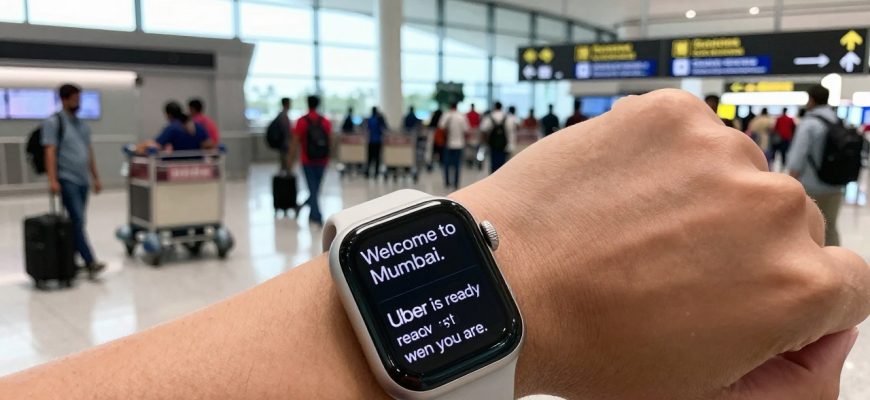
Imagine arriving in a bustling city like Mumbai after a long international flight. You’re tired, disoriented, and just want to get to your hotel. Before you can even think about opening an app, your Apple Watch gently taps your wrist with a notification: “Welcome to Mumbai. Uber is ready when you are.” This isn’t magic-it’s the future of user experience design in action.
This single notification represents a fundamental shift in how we interact with technology. No longer do we need to open apps and navigate through menus. Instead, our devices are becoming context-aware partners that anticipate our needs based on where we are, what we’re doing, and what we likely need next. For tech enthusiasts and everyday users alike, understanding this evolution is crucial to navigating our increasingly connected world.
- The Mumbai Moment: A Case Study in Predictive Design
- Wearables: The New Primary Touchpoint
- Minimal Cognitive Load Design
- Beyond Smartphones
- Context: The New Interface
- The Three Pillars of Context
- From Reactive to Predictive
- The Design Challenges: Privacy, Trust, and Transparency
- Privacy Considerations
- Maintaining User Control
- The Consent Challenge
- Practical Applications Beyond Travel
- Health and Fitness
- Home Automation
- Productivity
- The Future of Invisible Interfaces
- Multi-Device Ecosystems
- AI-Powered Prediction
- Ethical Design Standards
- Conclusion: Embracing the Context-Aware Future
The Mumbai Moment: A Case Study in Predictive Design
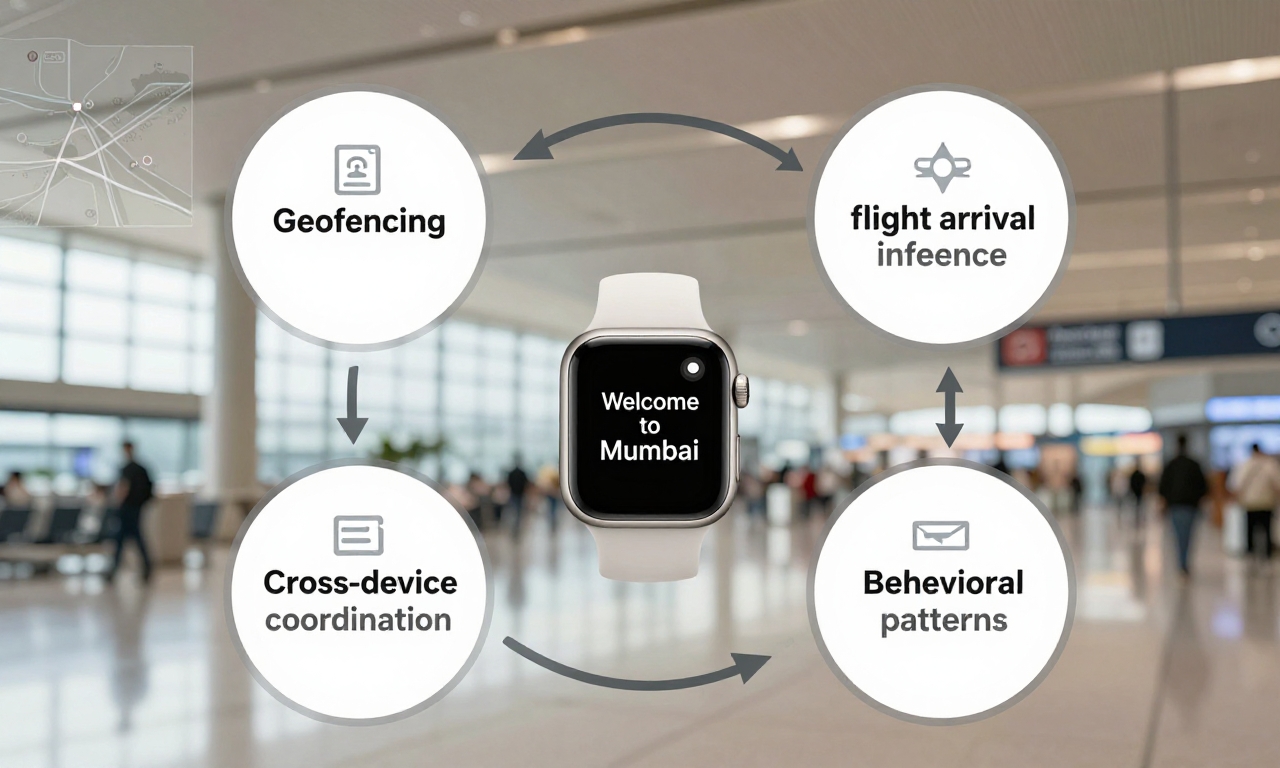
Let’s break down what actually happened in that Mumbai arrival scenario. The user didn’t open the Uber app. They didn’t search for “taxi services near me.” The system worked through a sophisticated orchestration of technologies:
- Geofencing: The Apple Watch detected the user had entered Mumbai’s geographic boundaries
- Flight Arrival Inference: The system likely connected the timing with scheduled flight arrivals
- Cross-Device Coordination: Information from the user’s iPhone (which had the Uber app) was shared with the Apple Watch
- Behavioral Patterns: The user’s previous use of ride-sharing services at airports informed the prediction
This represents what designers call “ambient UX”-experiences that exist in the background, ready to surface exactly when needed. The notification wasn’t just timely; it was perfectly timed to match the user’s immediate need upon arrival in an unfamiliar city.
Wearables: The New Primary Touchpoint
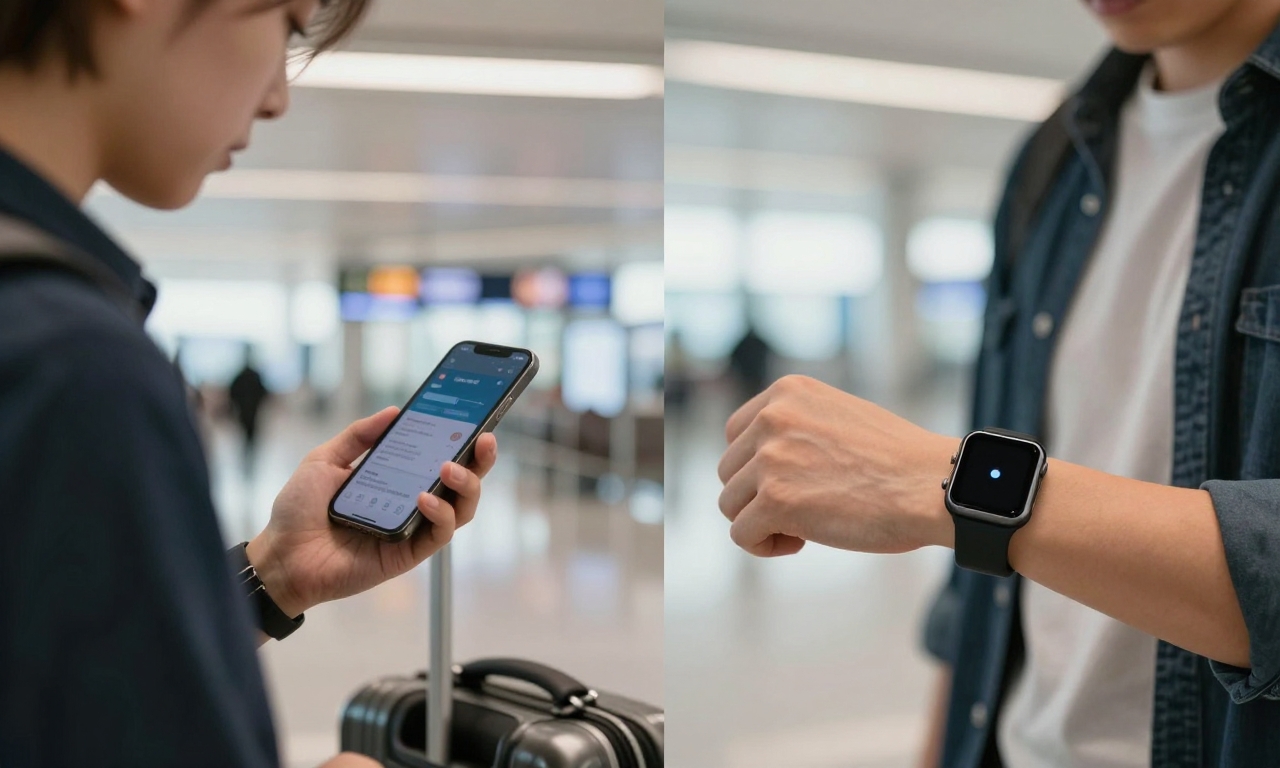
Smartwatches like the Apple Watch have evolved from simple notification mirrors to primary interaction points. Their always-on, always-with-you nature makes them ideal for context-aware experiences:
Minimal Cognitive Load Design
Wearable interfaces must be incredibly efficient. The Mumbai notification demonstrates several key principles:
- Precise Timing: The notification arrived exactly when needed-not too early, not too late
- Microcopy Excellence: Just eight words conveyed everything necessary
- Action-Oriented: The message included a clear next step (Uber availability)
- Non-Intrusive: A gentle tap rather than an alarming sound
Beyond Smartphones
While smartphones remain important, wearables offer unique advantages for context-aware experiences:
| Feature | Smartphone Advantage | Wearable Advantage |
|---|---|---|
| Availability | Often in pocket or bag | Always on wrist |
| Attention Required | Full engagement needed | Glanceable information |
| Context Sensing | Limited when stored | Continuous biometric and location data |
| Disruption Level | Can be highly disruptive | Designed for minimal interruption |
Context: The New Interface
Traditional interfaces required users to navigate menus and screens. Modern UX is shifting toward what some call “the invisible interface”-where context itself becomes the primary way we interact with technology.
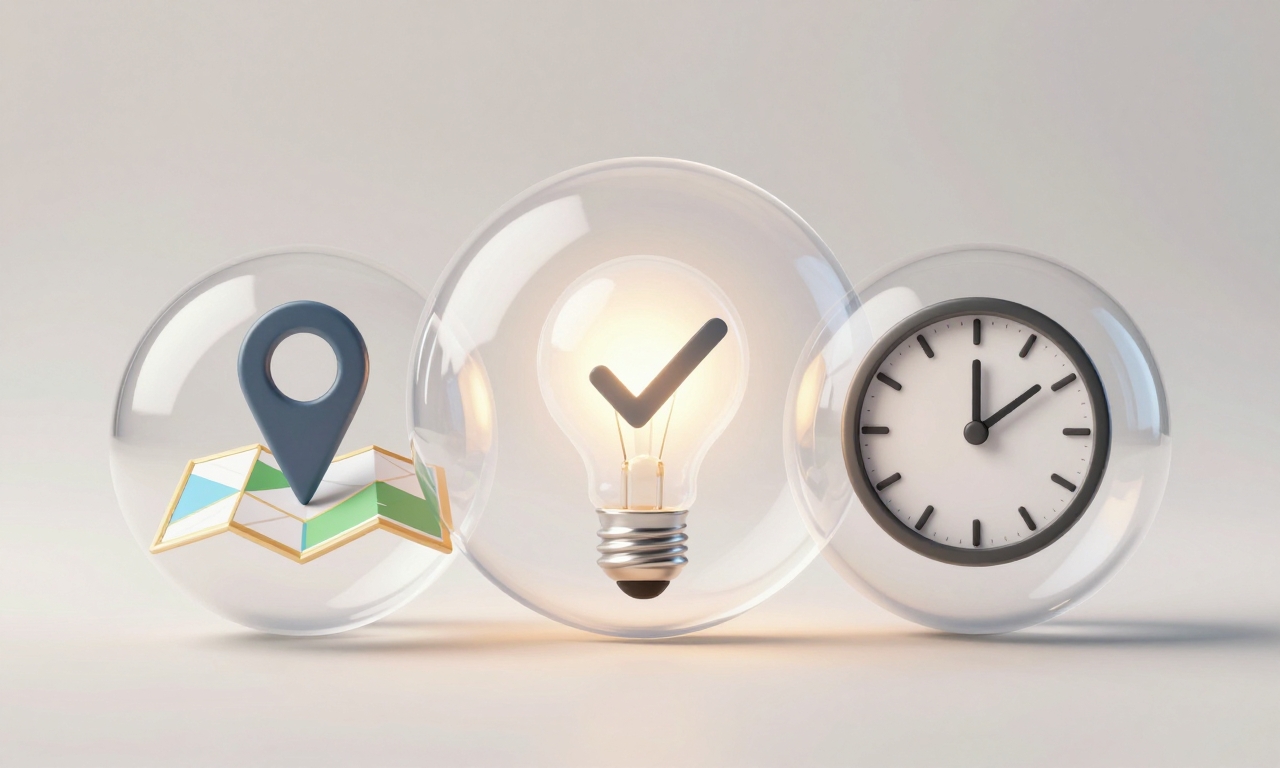
The Three Pillars of Context
Effective context-aware design combines three key elements:
- Location: Where you are physically (airport, home, office, gym)
- Intent: What you’re likely trying to accomplish (travel, work, fitness)
- Timing: When the information or action is most relevant
In our Mumbai example, all three aligned perfectly: location (Mumbai airport), intent (ground transportation), and timing (immediately after arrival).
From Reactive to Predictive
This represents a fundamental shift from reactive systems (you ask, it responds) to predictive systems (it anticipates, you confirm). The technology isn’t just waiting for commands-it’s actively trying to understand and serve your needs before you articulate them.

The Design Challenges: Privacy, Trust, and Transparency
As UX becomes more predictive and invisible, designers face significant ethical challenges. The line between helpful and intrusive can be surprisingly thin.
Privacy Considerations
Context-aware systems require access to sensitive data:
- Location history and patterns
- Calendar and travel information
- App usage behavior
- Biometric data from wearables
Users must trust that this data is handled responsibly. The Mumbai notification worked because the user had previously granted necessary permissions and established usage patterns with Uber.
Maintaining User Control
Effective predictive design must include:
- Clear opt-in/opt-out mechanisms
- Transparency about what data is used and how
- Easy ways to correct mistaken predictions
- Gradual introduction of predictive features
“The best predictive design feels like a thoughtful assistant, not a nosy neighbor. It anticipates needs without assuming intentions.” – UX Design Principle
The Consent Challenge
Many users grant broad permissions during app setup without fully understanding the implications. Designers must balance powerful features with clear communication about how data enables better experiences.
Practical Applications Beyond Travel
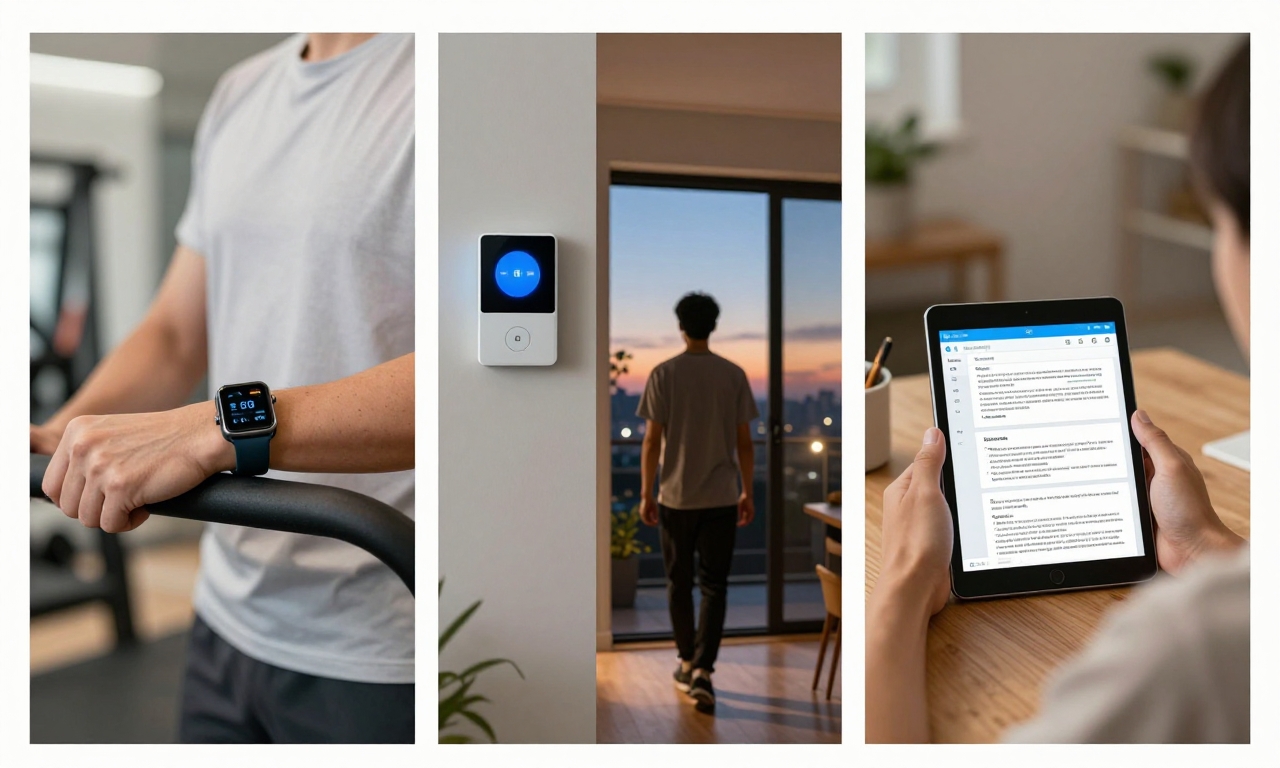
While the Mumbai example focuses on travel, context-aware design principles apply across numerous scenarios:
Health and Fitness
Wearables can:
- Suggest workouts based on time of day and energy levels
- Remind to stand or move after periods of inactivity
- Adjust sleep tracking based on travel schedules
- Provide medication reminders at appropriate times
Home Automation
Smart home systems can:
- Adjust temperature as you approach home
- Turn on lights when arriving after dark
- Play preferred music based on time of day and detected activity
- Prepare coffee makers for morning routines
Productivity
Context-aware productivity tools can:
- Surface relevant documents before meetings
- Silence notifications during focus periods
- Suggest break times based on activity levels
- Prioritize tasks based on location and time constraints
The Future of Invisible Interfaces
As technology continues to evolve, we can expect even more sophisticated context-aware experiences:
Multi-Device Ecosystems
The future isn’t about individual devices but seamless ecosystems where your watch, phone, headphones, car, and home systems work together to understand and serve your needs across contexts.
AI-Powered Prediction
Advanced machine learning will enable systems to understand complex patterns and make more accurate predictions about user needs across different scenarios.
Ethical Design Standards
As these technologies become more pervasive, we’ll likely see industry standards and regulations emerge to ensure predictive design respects user privacy and autonomy.
Conclusion: Embracing the Context-Aware Future
That simple “Welcome to Mumbai” notification represents more than just convenient technology-it showcases a fundamental shift in how we interact with our devices. Context-aware, predictive design has the potential to make technology more helpful, less intrusive, and more integrated into our daily lives.
For users, this means learning to manage permissions thoughtfully and understanding the trade-offs between convenience and privacy. For designers and developers, it means creating systems that are not just smart, but also respectful, transparent, and user-controlled.
As wearables become more sophisticated and AI more integrated into our devices, context-aware experiences will become the norm rather than the exception. The challenge-and opportunity-lies in designing these systems to enhance our lives without compromising our autonomy or privacy. The future of UX isn’t just about better screens or faster apps; it’s about creating technology that understands us well enough to help without being asked, while always remembering that it should serve us, not the other way around.