Follow us on Facebook
Breaking updates in your feed — tap to open
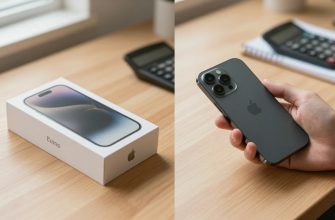
May 2026, and here we go again. Another flagship season. Apple, Samsung, Google-all just dropped their latest $1,200 phones. And honestly? Nobody seems to care. It’s the same old story: slightly better cameras, AI tricks you’ll probably never touch. We’re being asked to pay top dollar for barely-there upgrades. If you’re thinking about a new phone this year, you’re stuck in this weird innovation rut.
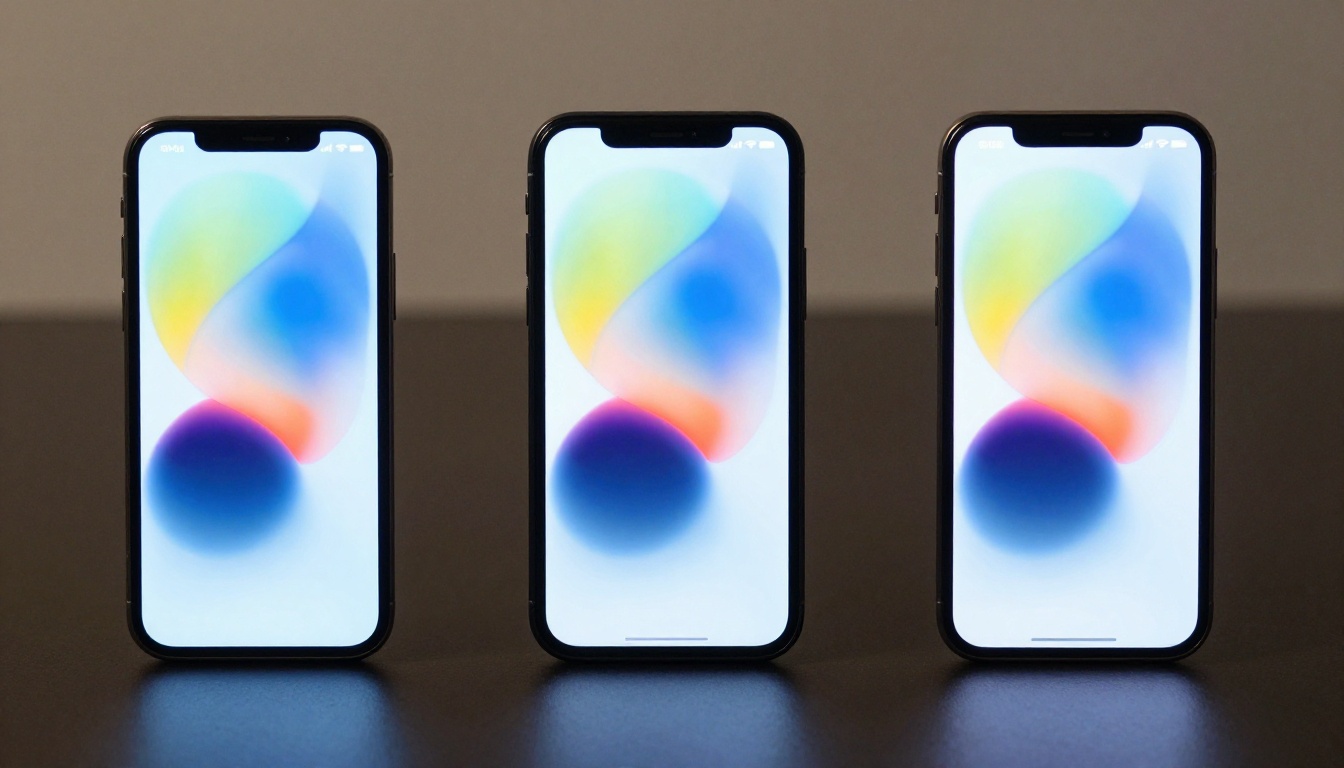
Flagship Smartphone Review
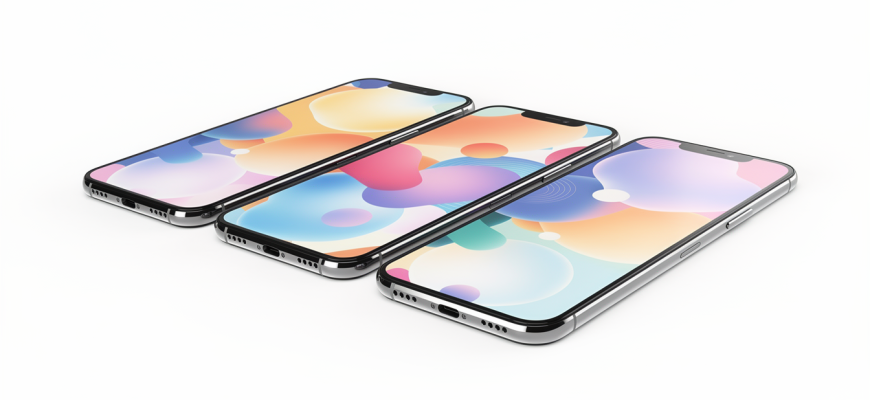
I looked at the 2026 flagships and, man, it’s a snoozefest. The new iPhone, Galaxy, Pixel-they’re all pretty much identical glass-and-metal slabs. Displays? Around 6.7 inches, 120Hz. Cameras got tiny sensor bumps, nothing groundbreaking. Battery life is still just a day and a half, even with all the efficiency hype. It’s like the whole industry decided “good enough” is fine. Kinda ridiculous, right?
Processing power is up, but you won’t feel it. Apps open instantly already. Gaming frame rates hit thermal limits fast. AI does background stuff like photo sorting, but most folks turn it off to save battery. So what’s left? A spec sheet that looks fancy but doesn’t actually feel better than last year’s model. Meh.
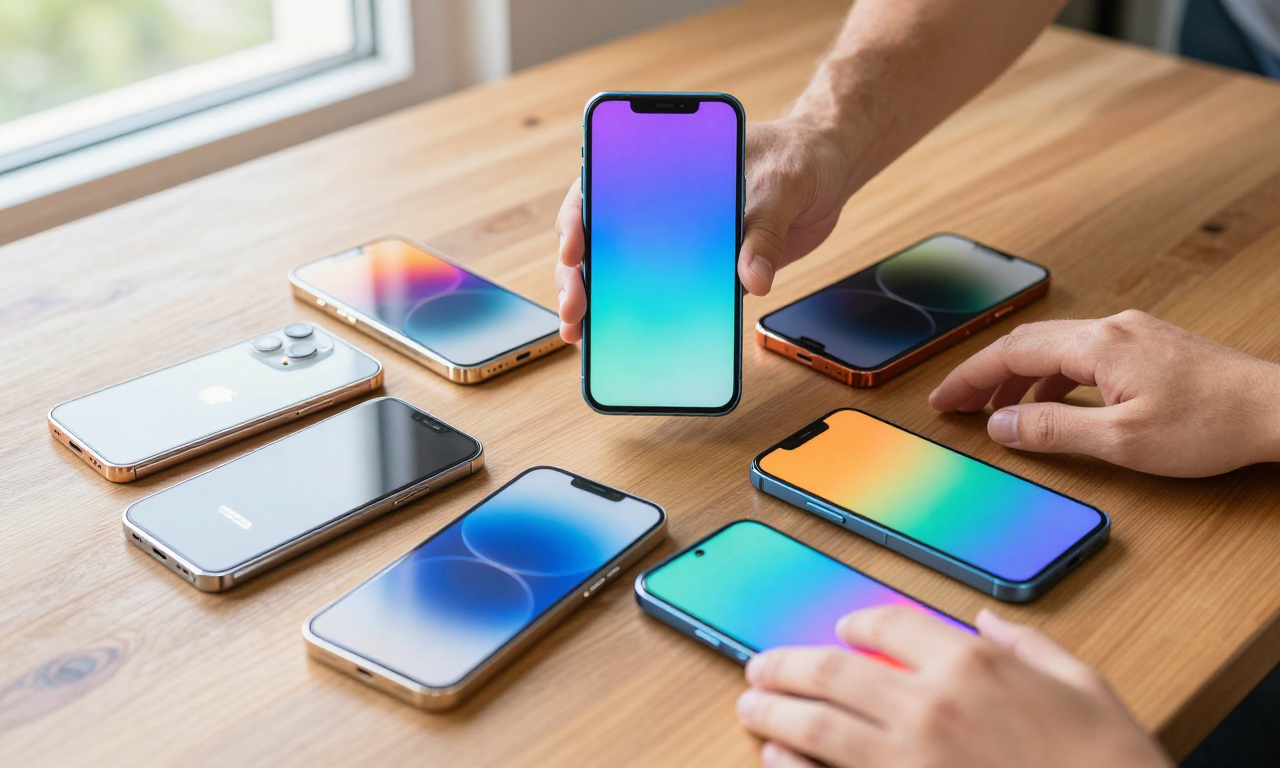
Midrange Phone Roundup
Now, midrange phones from 2025 and early 2026? That’s where things get interesting. For $400 to $600, you get like 90% of the flagship experience. OLED screens, solid cameras, all-day battery-all standard. You basically just miss out on crazy zoom and wireless charging. For most people, that’s a no-brainer trade.
- Pixel 9a: Clean Android, great point-and-shoot camera, updates guaranteed.
- Galaxy A56: Bright display, versatile triple camera, expandable storage.
- Nothing Phone (3a): Unique look, smooth performance, price is a steal.
These phones handle daily life without breaking a sweat. Social media, streaming, casual photos-they look almost identical to flagship shots. Unless you’re pixel-peeping or need the absolute best night mode, going midrange is just the smart move. I think, anyway.
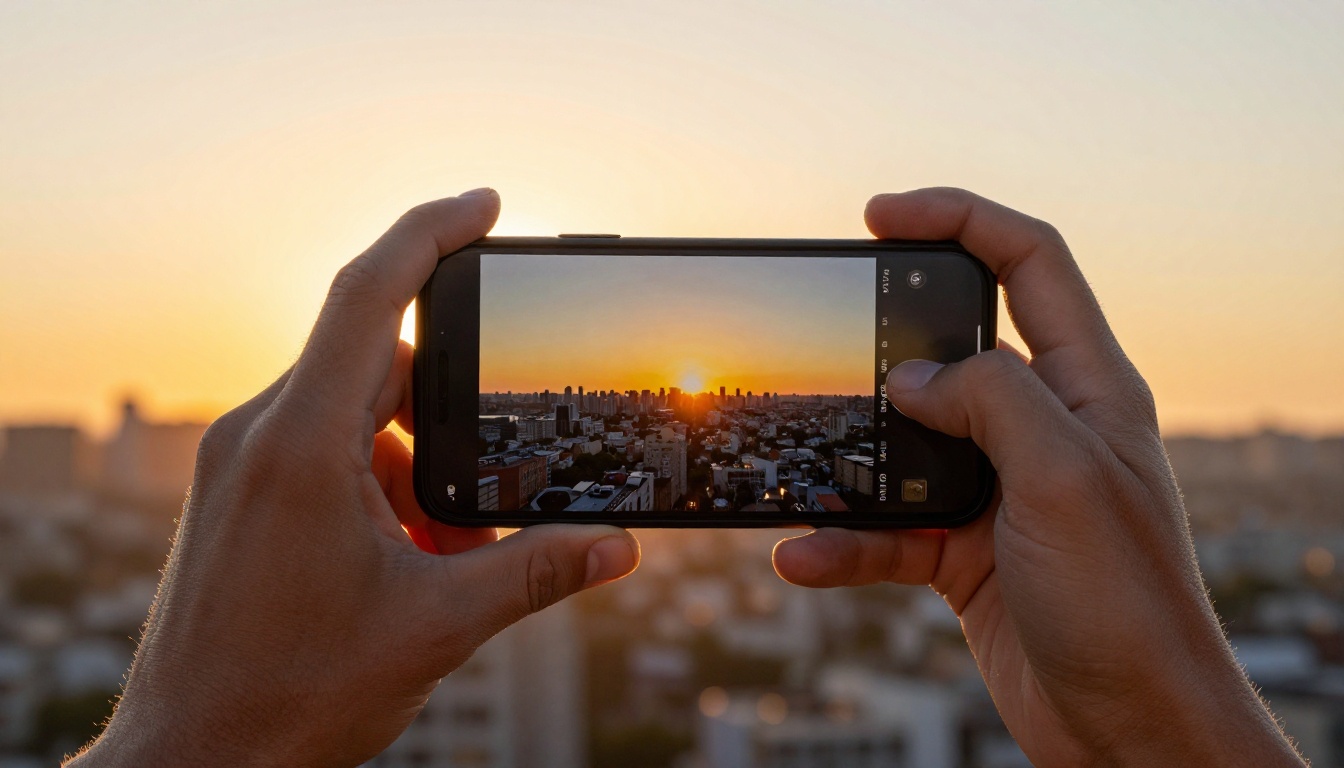
Best Camera Phones Guide
Photography is still where flagships try to stand out. The best camera phones in 2026 are still the pricey ones, but the gap’s gotten tiny. It’s all about software now. It’s a software game, honestly. Midrange phones use the same AI for night and portrait modes. So hardware barely matters anymore.
Zoom is the big divider. Flagships give you 5x or 10x optical zoom, midrangers stick to 2x or 3x. Video too-8K is only on premium devices. But seriously, how often do you need that? For everyday snaps, you can’t tell the difference on Instagram. Not convinced? It’s overkill for most of us.
“The 2026 flagship camera upgrades are the smallest I’ve seen in a decade. We’re reaching physical limits of what a phone sensor can do.” – Industry analyst at a recent tech summit.
Think about how you actually use your camera. If you’re not printing huge photos or shooting pro video, a midrange phone will do the job. The best camera is the one in your pocket, and it doesn’t have to cost $1,200. That just hits different, you know?
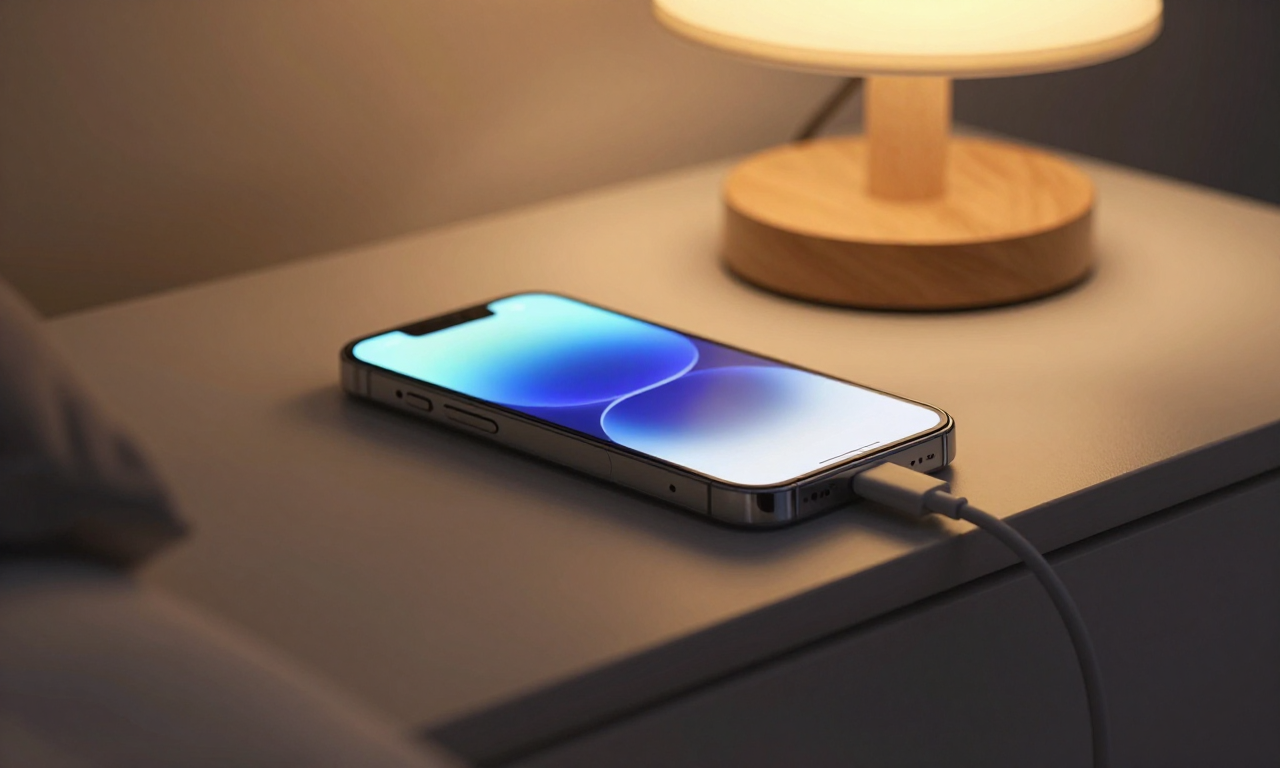
Battery Life Optimization
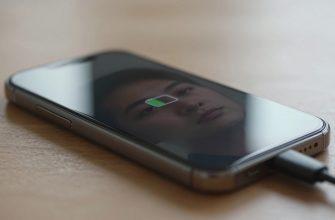
Battery life is something we all worry about. 2026 flagships have bigger cells and more efficient chips, but real-world gains? Pretty modest. Fast charging has plateaued at around 45W for most brands, so a full charge still takes nearly an hour. Wireless charging is everywhere, but it’s slower and less efficient. Kinda heavy, actually.
Midrange phones often last longer because their displays and processors aren’t as power-hungry. A $500 phone can easily go two days with moderate use. Meanwhile, a $1,200 flagship might die before bedtime if you push it. The irony is real: you pay more for less battery. It’s lowkey frustrating.
Software helps a bit. AI battery management learns your habits, but background stuff still drains power. Turning off always-on display and 5G when you don’t need them can add hours. These tricks work on any phone, so the battery optimization gap is basically nothing. I’m not sure why we put up with it.
So, the upgrade checklist is simple. If your phone is under two years old, just skip this cycle. Tight budget? Check out the midrange. Only power users who need cutting-edge zoom or foldable designs should look at a 2026 flagship. For everyone else, last year’s model-or a cheaper one-is the smarter buy. Thing is, you probably won’t even notice the difference.