Follow us on Facebook
Breaking updates in your feed — tap to open
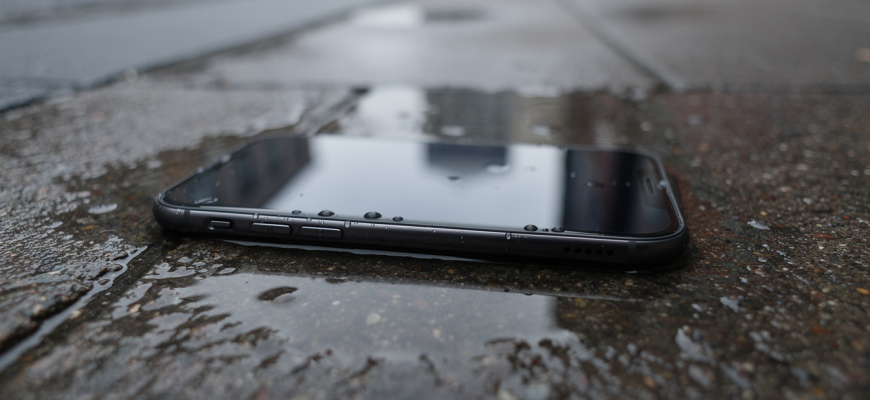
You glance at your phone’s spec sheet and see IP68. Sounds reassuring-until it slips into a puddle. Then you start wondering: what does that rating really cover? Waterproof ratings explained simply aren’t a promise against all water damage. They describe lab conditions, not real life. A phone that survives a dunk in fresh water might die after a splash of saltwater. And seals wear out over time. So before you take your device swimming, let’s unpack what those digits mean and how to keep your phone safe.
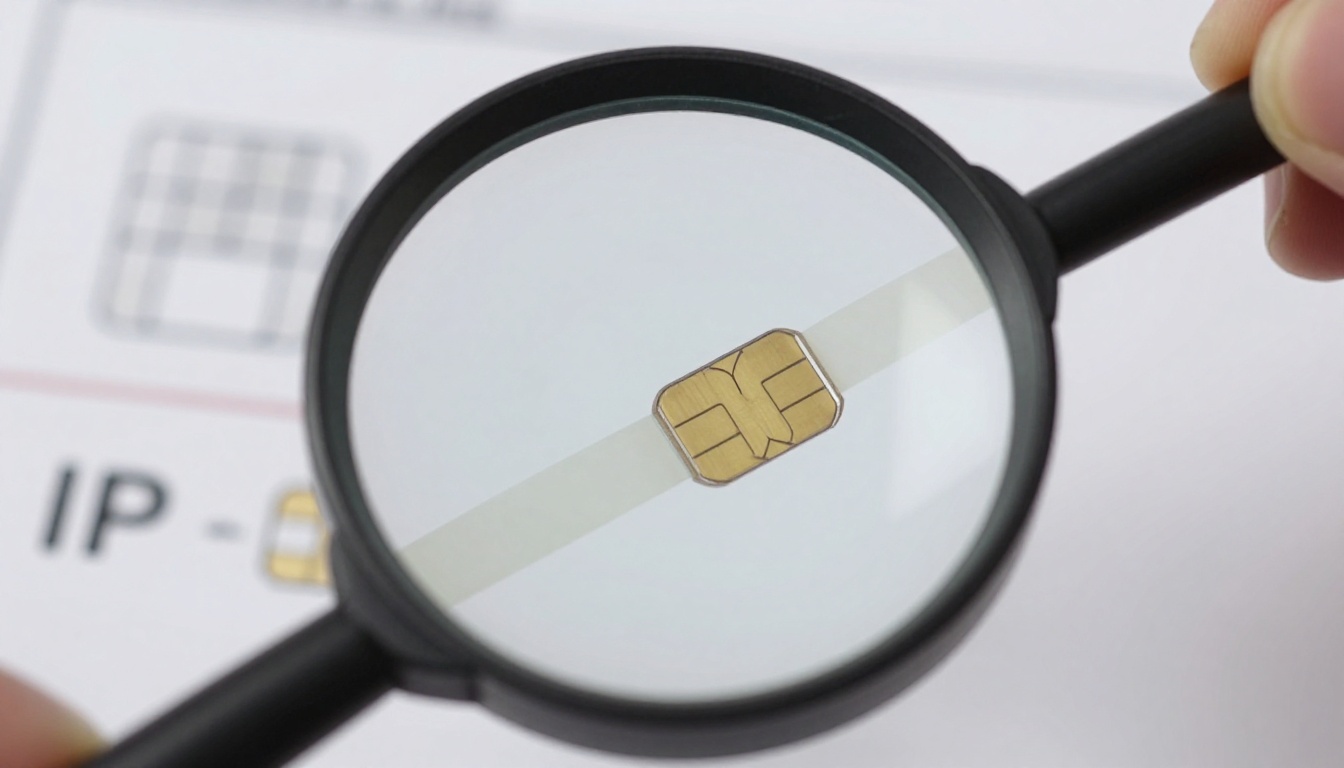
Understanding IP Codes
IP stands for Ingress Protection. The first digit covers dust, the second covers water. An IP68 rating means the device is dust-tight (6) and can handle continuous immersion beyond 1 meter, as specified by the manufacturer (8). But here’s the catch: the exact depth and duration vary. One phone might be tested at 1.5 meters for 30 minutes, another at 3 meters. There’s no universal standard for the “8” in IP68.
IPX7 is a common rating for wearables and audio gear. The “X” means no dust rating was assigned-often because testing wasn’t done, not because protection is absent. A 7 means immersion up to 1 meter for 30 minutes. That’s fine for rain or accidental drops, but it’s not built for high-pressure jets or prolonged submersion. It’s a safety net, not a submarine ticket.
Other ratings appear too. IP53 offers limited dust and spray protection. IP67 is dust-tight and survives 1 meter for 30 minutes. IP69K, found on rugged devices, handles high-temperature, high-pressure jets. But for most phones, IP68 remains the flagship tier benchmark.
Real-World Protection Limits
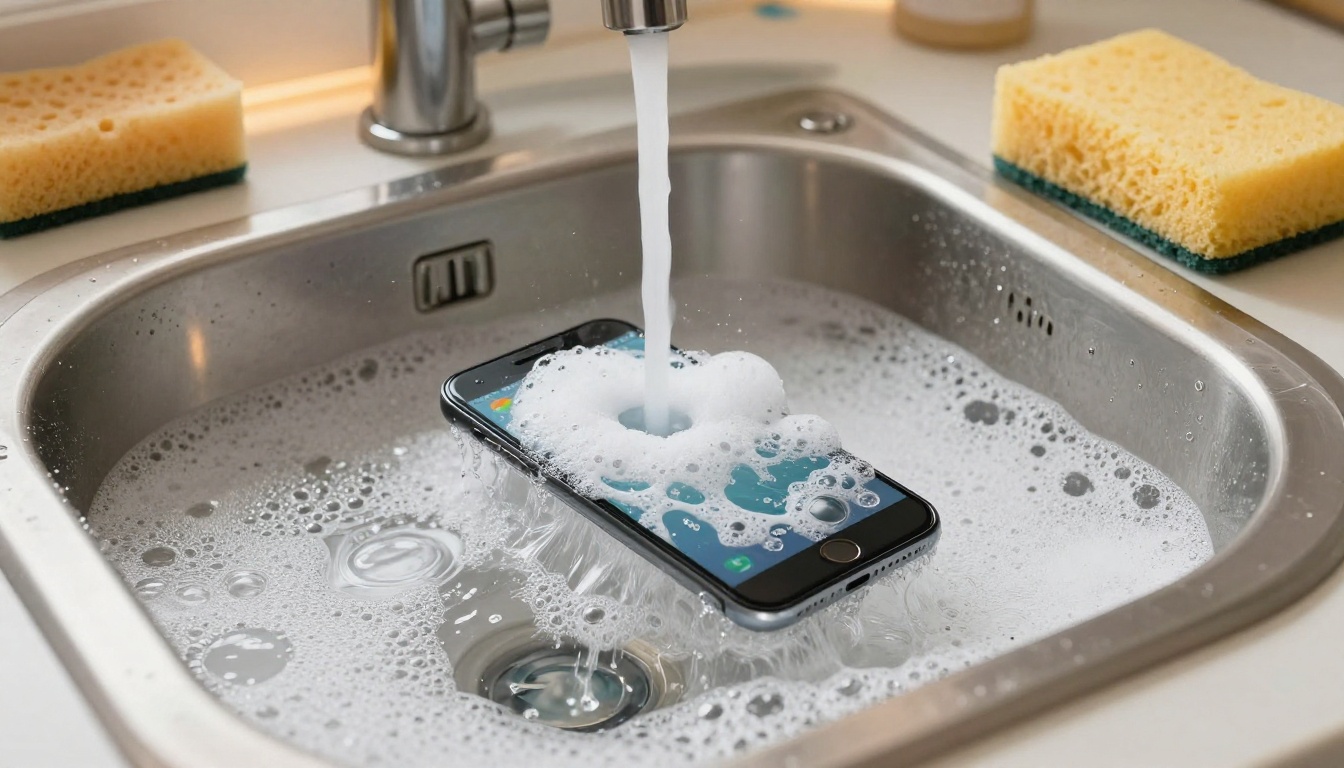
Lab tests use fresh, still water. Oceans, pools, and even tap water introduce variables. Chlorine and salt corrode seals and metal contacts. Soap reduces surface tension, letting water sneak past gaskets. Moving water-like a shower or waterfall-creates pressure spikes that exceed static ratings. A phone rated for 2 meters of calm immersion can fail under a faucet’s flow.
Pressure matters more than depth. At 2 meters, pressure is about 3 psi above atmospheric. That’s modest. But a fall into water adds dynamic pressure. A drop from waist height can generate momentary forces far beyond the rating. Seals weaken with every impact, even if the glass doesn’t crack. After a few drops, a once-watertight phone might leak.
Temperature swings also stress seals. Moving from a cold room to a steamy bathroom causes condensation inside the device. Over months, this moisture corrodes internal components. That’s why manufacturers exclude liquid damage from warranties, even for IP68 devices.
Maintaining Water Resistance
Seals are made of silicone or rubber. They compress when the phone is assembled, creating a barrier. But that compression relaxes over time. Heat, drops, and repairs accelerate the process. A two-year-old phone likely has less protection than a fresh one, even if it looks pristine.
If you’ve had your screen or battery replaced, the adhesive may not match the factory seal. Authorized service centers use precise jigs and curing processes. Third-party shops often don’t. After any repair, assume water resistance is compromised unless the technician certifies it.
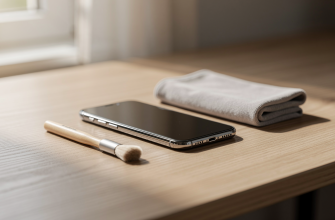
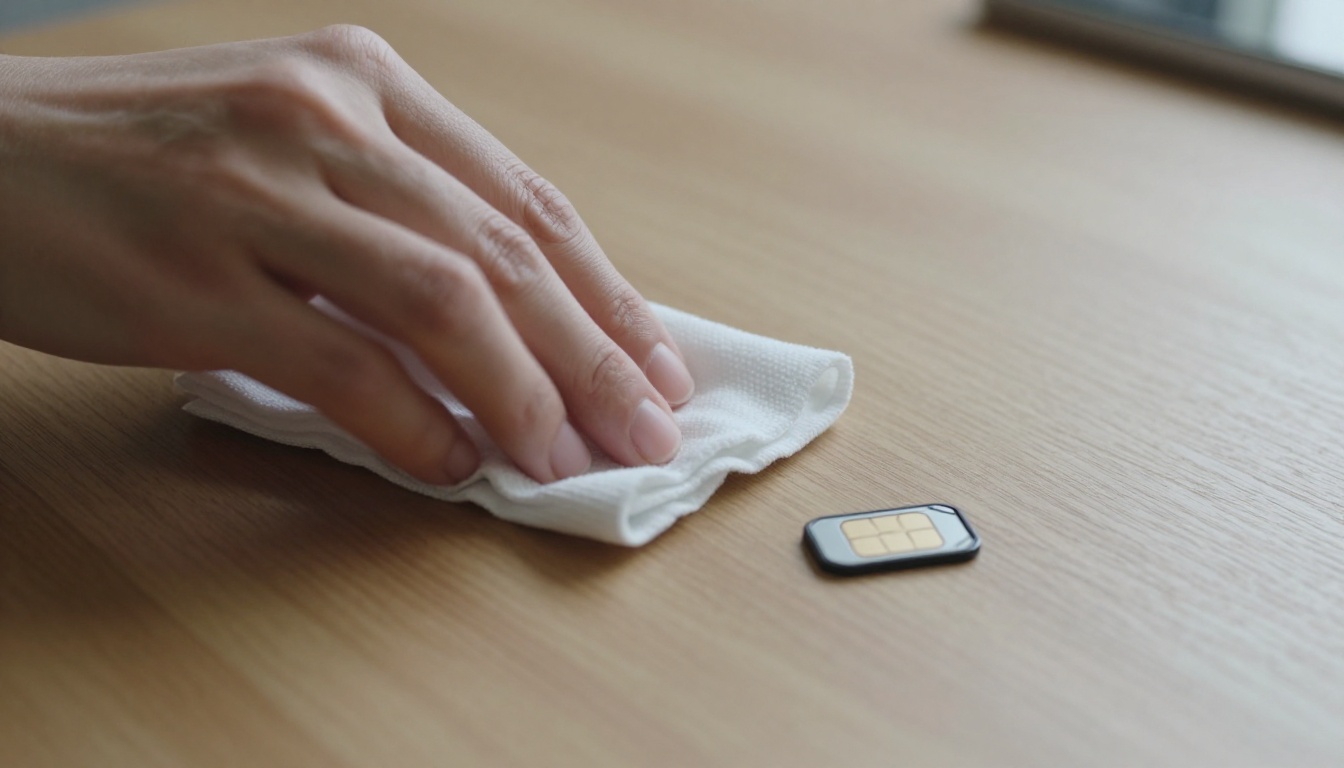
Simple habits extend protection. Rinse your phone with fresh water after saltwater or pool exposure-but only if the port is dry and the device is powered off. Avoid charging a wet phone, moisture in the port can cause shorts. Use a soft cloth, not compressed air, which can force water deeper. And if you notice gaps between the frame and glass, or if the SIM tray gasket looks flattened, it’s time for a checkup.
No phone is permanently waterproof. Seals age, and ratings describe a moment in a lab, not a lifetime in your pocket.
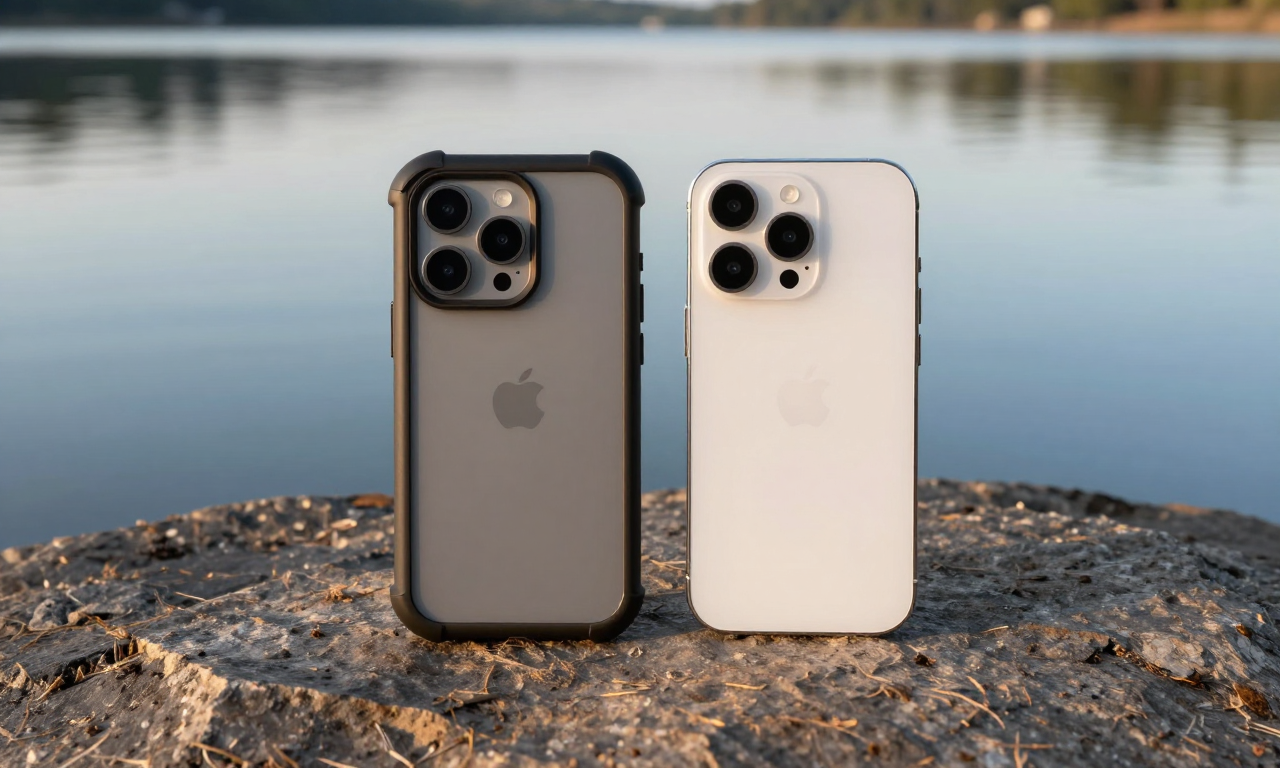
For peace of mind, consider a waterproof case if you’re frequently near water. Or simply treat the rating as insurance against accidents, not an invitation to take your phone diving. After all, the best protection is prevention.
Choosing a Device
When comparing phones, don’t stop at “IP68.” Check the manufacturer’s fine print. Some specify depth and duration, others don’t. A phone rated for 1.5 meters for 30 minutes isn’t equal to one rated for 6 meters for an hour. If you need ruggedness, look for MIL-STD-810G certification alongside IP ratings. That adds drop, vibration, and thermal shock testing.
For wearables, IPX7 is common, but swimming demands more. Look for 5 ATM or IP68 on smartwatches. For earbuds, IPX4 handles sweat and light rain, IPX7 survives a wash. Match the rating to your lifestyle, not just the spec sheet. A budget phone with IP67 might serve you better than a flagship with IP68 if you rarely encounter water.
Ultimately, waterproof ratings are a starting point. They’re useful for comparison, but they don’t replace common sense. Keep your device dry when you can, and don’t push your luck. Because when water meets electronics, the rating is just a number-and reality always wins.