Follow us on Facebook
Breaking updates in your feed — tap to open
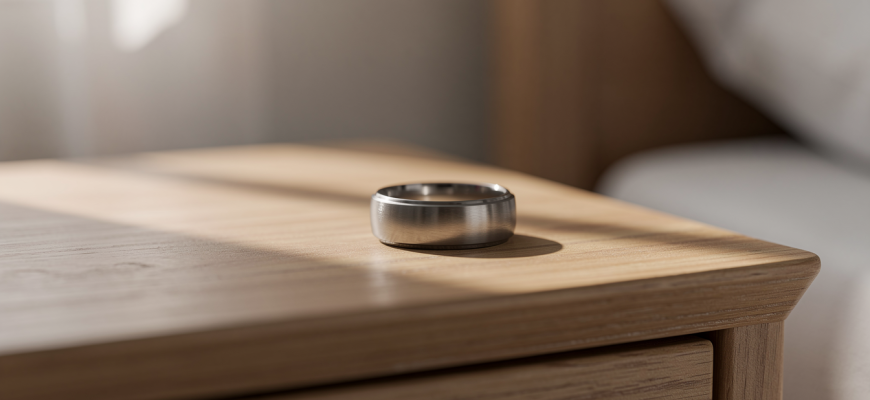
I slipped Samsung’s Galaxy Ring on my index finger three months ago. Honestly, I thought it’d be a gimmick. I was wrong. I didn’t want to take it off. After 90 days straight, this thing has flipped how I see health tracking. It’s for folks sick of smartwatch buzzes and chunky bands. If you’re into sleep and recovery but hate another screen nagging you, this is it. By May 2026, wearables are everywhere, but the Galaxy Ring finds its own lane.
Watches own our wrists, but finger trackers are creeping up. Samsung jumps in with a titanium ring that’s crazy light. You barely feel it at night. That’s the whole idea. You forget it’s on. No buzzing. No nothing. It grabs heart rate, movement, and temperature. Then Samsung Health boils it down with AI. Not boring charts. Just plain talk about how ready you are for the day.
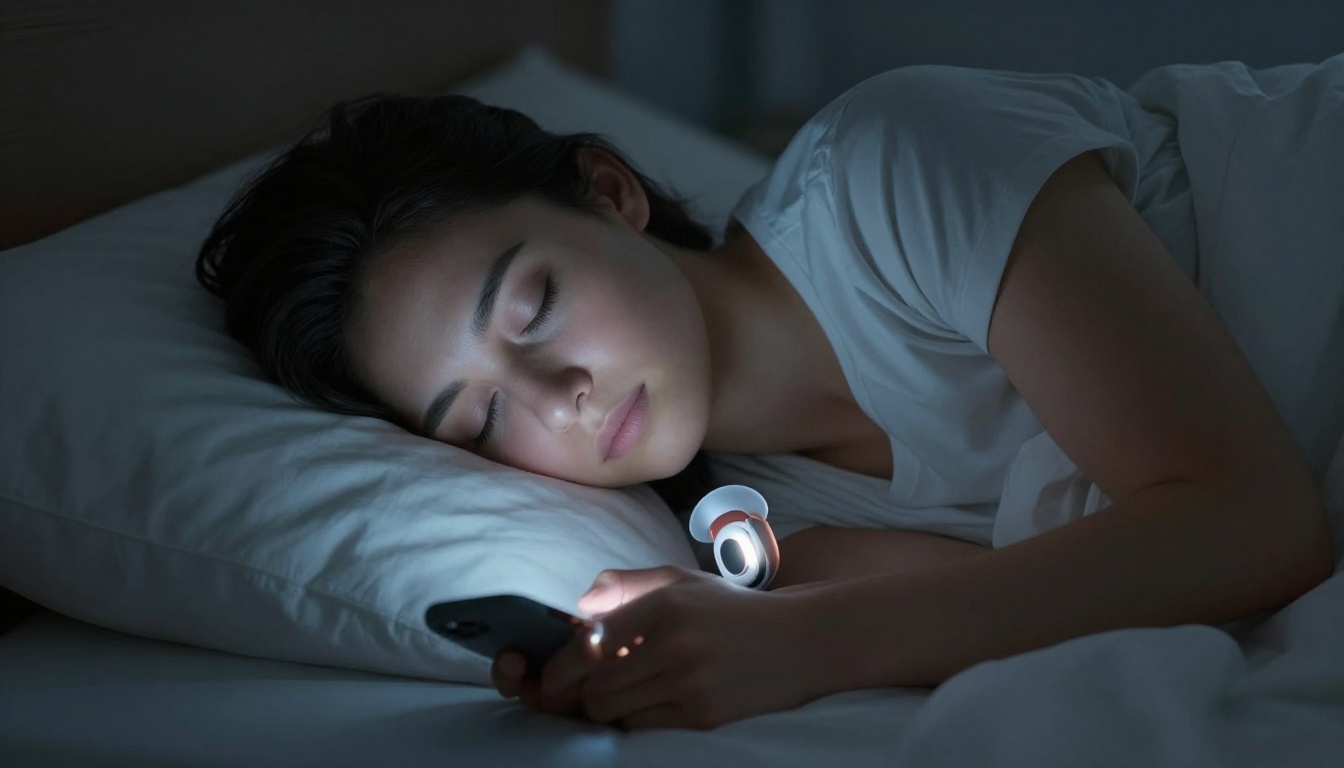
Sleep tracking accuracy
Sleep is where this ring kills it. 90 nights in, and it matched how I felt every morning. It caught light, deep, REM sleep-no weird gaps like some wrist gadgets. The snug fit probably helps. It doesn’t flop around. Heart rate checks feel steady, not spotty. Morning reports give a sleep score and a few AI sentences. Sleep tracking accuracy rivals dedicated medical devices in consistency, though it’s not clinical-grade. Big words, I know. But my nights back it up.
I put it against a Galaxy Watch 6. The ring caught wake-ups better. The watch missed some quick arousals. Why? Fingers have better blood flow than wrists. Old news, but Samsung nails it. It also tracks skin temp changes overnight. Tiny shifts that might flag sickness or stress. In May 2026, that’s kind of a big deal.
Discreet recovery metrics
Recovery is the ring’s hidden superpower. After a workout logged on my phone, it quietly watched my heart rate variability and resting pulse. Next morning, I’d see a recovery score. No buzz. No ping. Just data sitting there. It’s a breath of fresh air. It doesn’t bug you. You look when you’re ready. It’s a silent buddy.
Stacked against Oura Ring, Samsung’s recovery feels more woven into their world. Got a Galaxy phone? It’s smooth. Energy Score-borrowed from their watches-mixes sleep, activity, and heart stuff. One number to steer your day. Recovery insights helped me adjust workout intensity without overtraining. That’s the gold. You learn to hear your body through numbers, not fight them.
“The Galaxy Ring’s form factor eliminates the screen-time creep that plagues smartwatches. It’s health tracking that stays in the background,” says a wearable tech analyst.
AI health summaries
Samsung Health’s AI summaries tie it all together. Every morning, a little paragraph tells you about your sleep and readiness. It’s chatty. “You slept well, but your heart rate stayed elevated. Consider a lighter workout today.” Not perfect. Sometimes it’s like, yeah, no kidding. But over weeks, patterns pop. The AI learns you. Tips get personal. That’s when it clicks.
Battery life is another win. I charged it every six days. The case holds extra juice. Tiny. Pocket-friendly. No cords. No daily hassle. Love that. It’s water-resistant too. I showered, swam-zero problems. It held up. A few tiny scratches underneath, but nothing you see wearing it. Battery life optimization is excellent, lasting nearly a week on a single charge. Beats most watches.
But look, it’s not for everyone. No screen. You can’t peek at stats on it. It’s just a sensor. Need real-time workout numbers? Stick to a watch. No GPS either. Phone required for runs. And it’s pricey. Can’t dodge that. But for sleep and recovery, it’s a laser-focused tool.
In a world of constant pings, the Galaxy Ring is a quiet health keeper. Not a watch killer. More like a sidekick. Or for some, freedom. 90 days later, I’m sold. Finger trackers aren’t a fad. They’re the future for anyone wanting health smarts without the noise.