Follow us on Facebook
Breaking updates in your feed — tap to open
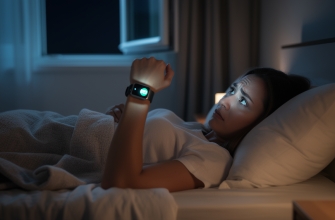
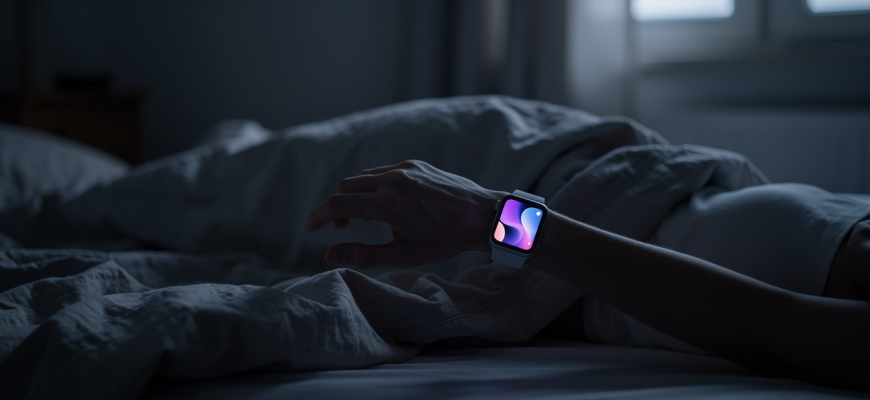
You slide into bed, tap your smartwatch, and doze off. Come morning, you’ve got a full report on light, deep, and REM sleep. But how’s a gadget on your wrist figure out what your brain’s up to? It’s all about sensors and smart algorithms. Sleep tracking accuracy hinges on how well these pieces read your body’s hints. No wearable beats a lab sleep study, but today’s devices give you a decent peek at your nightly rhythms.
The sensors behind the data
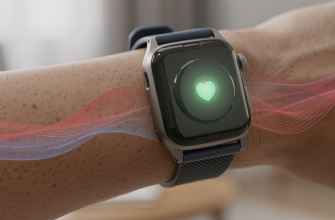
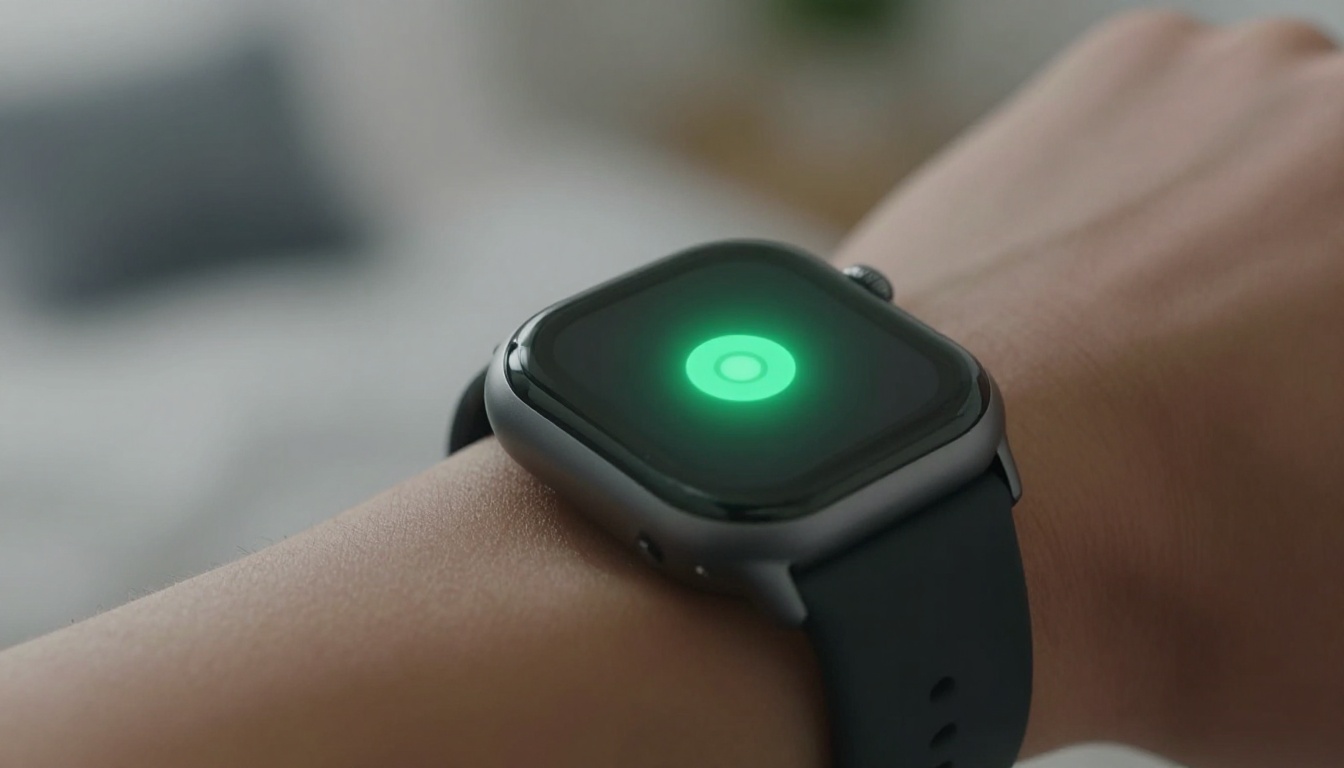
Your wearable is basically a detective sniffing out clues. It can’t see sleep-it guesses from physical signs. The main tools? An accelerometer and a heart rate monitor. The accelerometer picks up movement, or the lack of it. Stay still, and the device figures you’re out. But stillness alone isn’t proof-you could be scrolling in bed. That’s where heart rate steps in. While you sleep, your heart slows and gets less jumpy. Optical sensors beam light into your skin to track these shifts. Some gadgets also pack temperature sensors or even pulse oximeters for blood oxygen. Every little data point helps fill in the picture.
Then algorithms weave these clues together. They hunt for patterns: less movement plus a steady, lower heart rate signals you’ve nodded off. As the night rolls on, heart rate changes and occasional twitches help sort out sleep stages. REM sleep often brings wonky heart rhythms and temporary muscle paralysis, which cuts down movement. Deep sleep shows super stable vitals. It’s kinda like guessing a movie plot from the soundtrack and a few still frames. More sensors mean richer input, but the algorithm’s smarts matter just as much.
Understanding sleep stages
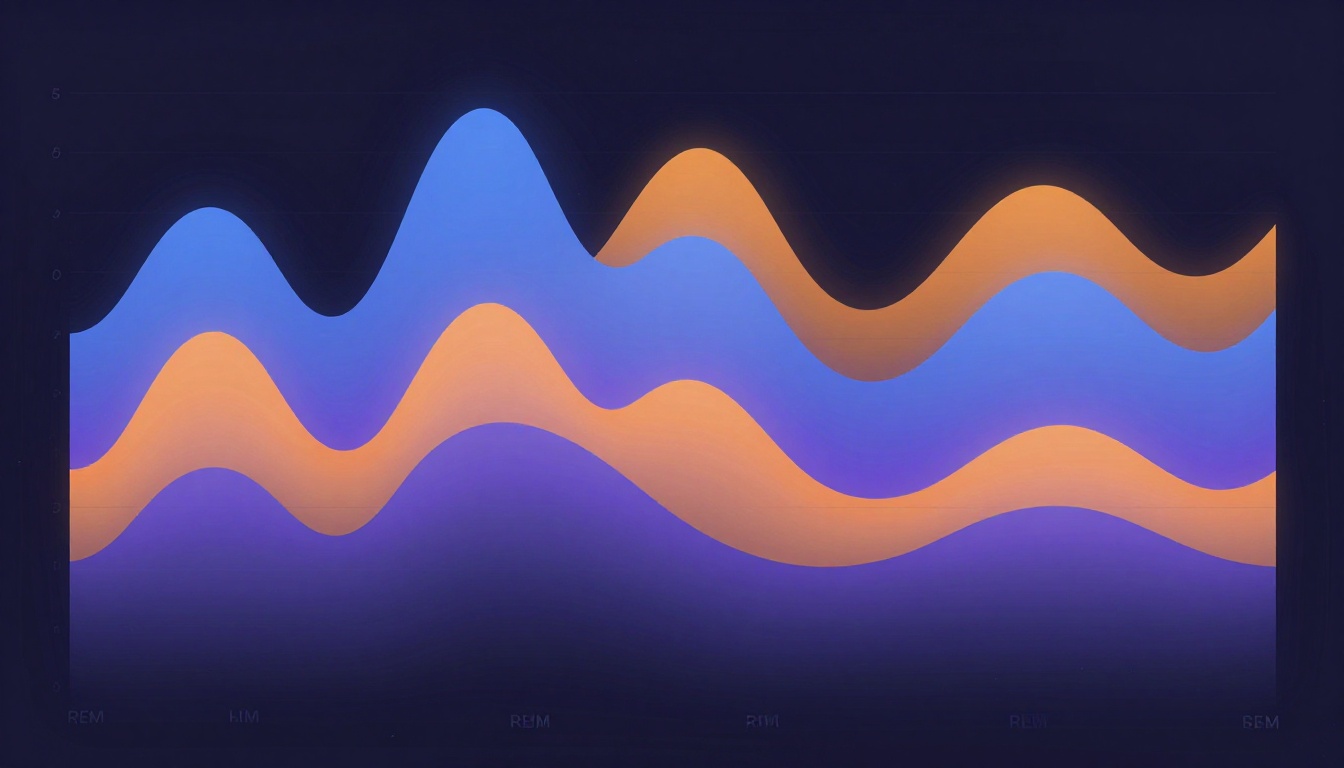
Most wearables split sleep into three buckets: light, deep, and REM. Light sleep is the dozing-off phase, easy to wake from. Deep sleep is the heavy-duty restoration, key for physical repair and memory locking. REM sleep, with those rapid eye movements, is when vivid dreams hit and your brain sorts emotions. Some devices also log awake time, counting those brief rousings you probably don’t recall. Sleep tracking accuracy isn’t the same for every stage. Wearables are pretty good at telling sleep from wake, but sorting light and deep sleep gets dicey. REM detection is getting better, but it’s still tough without eye movement sensors.
Why should you care? Knowing your sleep makeup can flag issues. Too little deep sleep might leave you dragging, even after eight hours. Lots of wake-ups could hint at noisy surroundings or health stuff. By watching trends over weeks, you can spot patterns and tweak things. But look, these are estimates. A real sleep study measures brain waves, eye movements, and muscle activity straight up. Wearables are a handy stand-in, not a medical tool.
Which devices deliver reliable data?
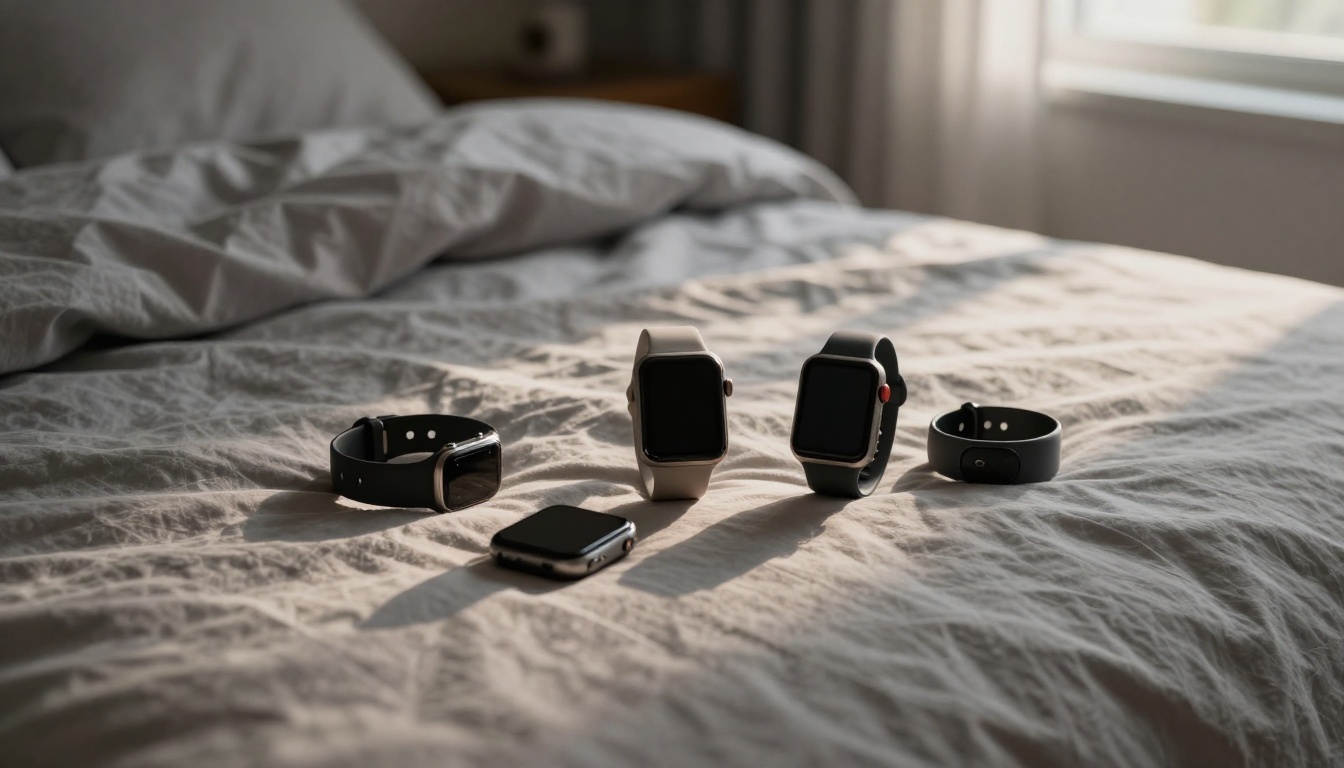
Not all wearables are cut from the same cloth. Devices with more sensors and tested algorithms tend to do better. Some high-end smartwatches blend accelerometer, heart rate, and even skin temp data. Basic fitness bands often nail battery life and comfort, making them great for all-night wear. When you’re picking a device, think about what you really want: detailed stage breakdowns, long-term trend spotting, or syncing with health apps. Sleep tracking accuracy also depends on how you wear it. A snug fit keeps sensors in contact, and wearing it regularly helps the algorithms learn your baseline.
Here’s what to mull over:
- Sensor suite: At least get an accelerometer and optical heart rate sensor. Extras like SpO2 or temperature can boost data quality.
- Algorithm transparency: Some brands share studies comparing their results to lab tests. That shows they’re serious about accuracy.
- Comfort and battery: A chunky watch might bug you at night. Pick something light with enough juice to last till morning.
- Companion app: Fancy hardware is pointless without clear, useful insights. Check if the app gives trends, tips, and plays nice with other health data.
Honestly, the most accurate device is the one you’ll actually wear night after night. Even simple trackers can show handy patterns if you stick with it.
Tips for better rest
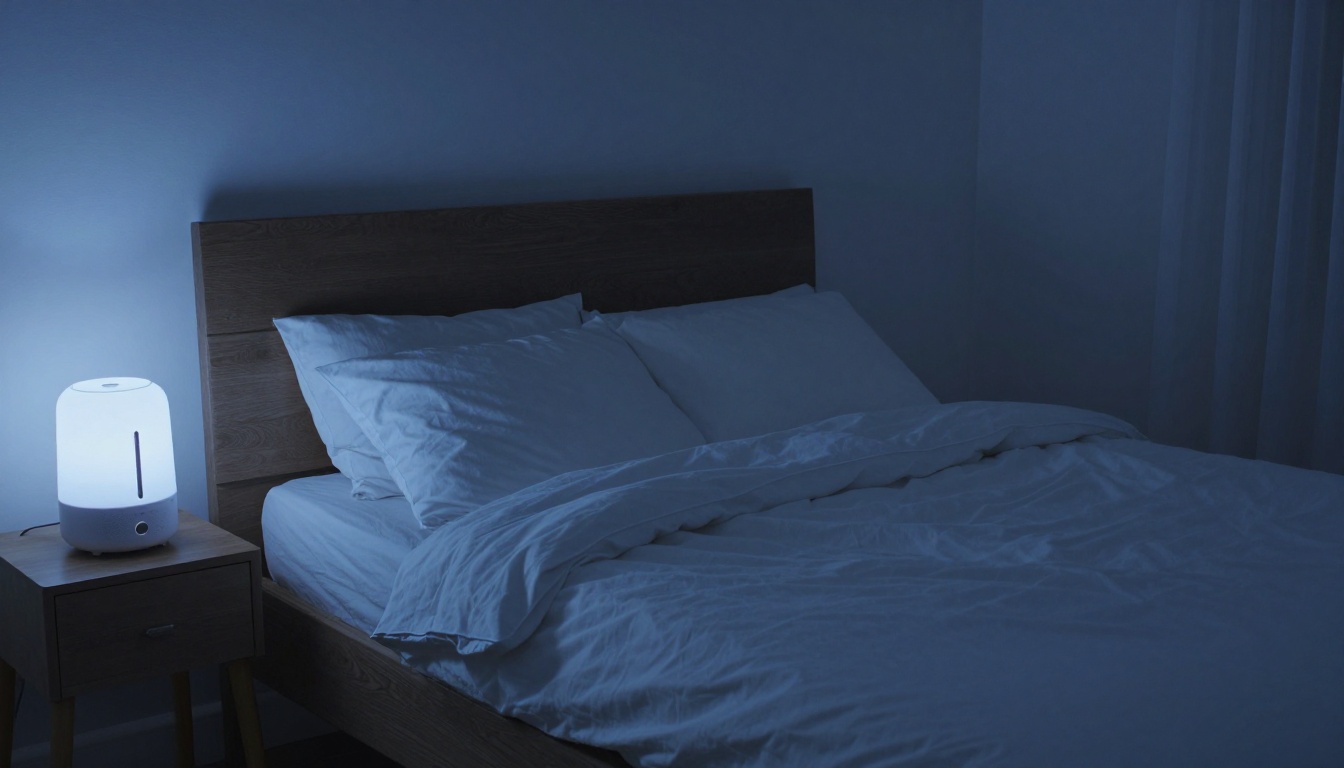
Data’s only worth something if you use it. Start by nailing down a steady sleep schedule. Your body loves routine, and wearables can back that up by showing how wonky bedtimes mess with your sleep stages. Next, fix your space. A cool, dark, quiet room helps you sink into deeper sleep. If your tracker flags lots of wake-ups, try blackout curtains or a white noise machine. Think of your bedroom as a cave-cool, dark, and quiet.
Pay attention to daily habits. Caffeine and booze can chop up your sleep, even if you crash fast. Exercise usually boosts sleep quality, but timing is key-hard workouts too close to bedtime might keep you wired. Use your wearable’s data to experiment. Try cutting caffeine after 2 PM for a week and see if your deep sleep ticks up. Sleep tracking accuracy gives you a feedback loop for these tests, helping you figure out what clicks for your body.
And don’t stress over nightly scores. Sleep naturally bounces around. Focus on long-term trends and how you feel. If you wake up refreshed most days, your sleep’s probably fine, no matter what the numbers say. Wearables are tools for awareness, not a report card.