Follow us on Facebook
Breaking updates in your feed — tap to open
Wearable tech is shifting under our wrists right now, in May 2026. Microvascular sensors are popping up as the next big thing for health monitoring. They promise to track blood flow and vessel stiffness with crazy precision. This isn’t just another tiny upgrade. It could be a leap toward catching heart issues before they blow up. If you lean on a smartwatch for fitness or health stats, this tech might change what your device spills about your body.
What Are Microvascular Sensors?
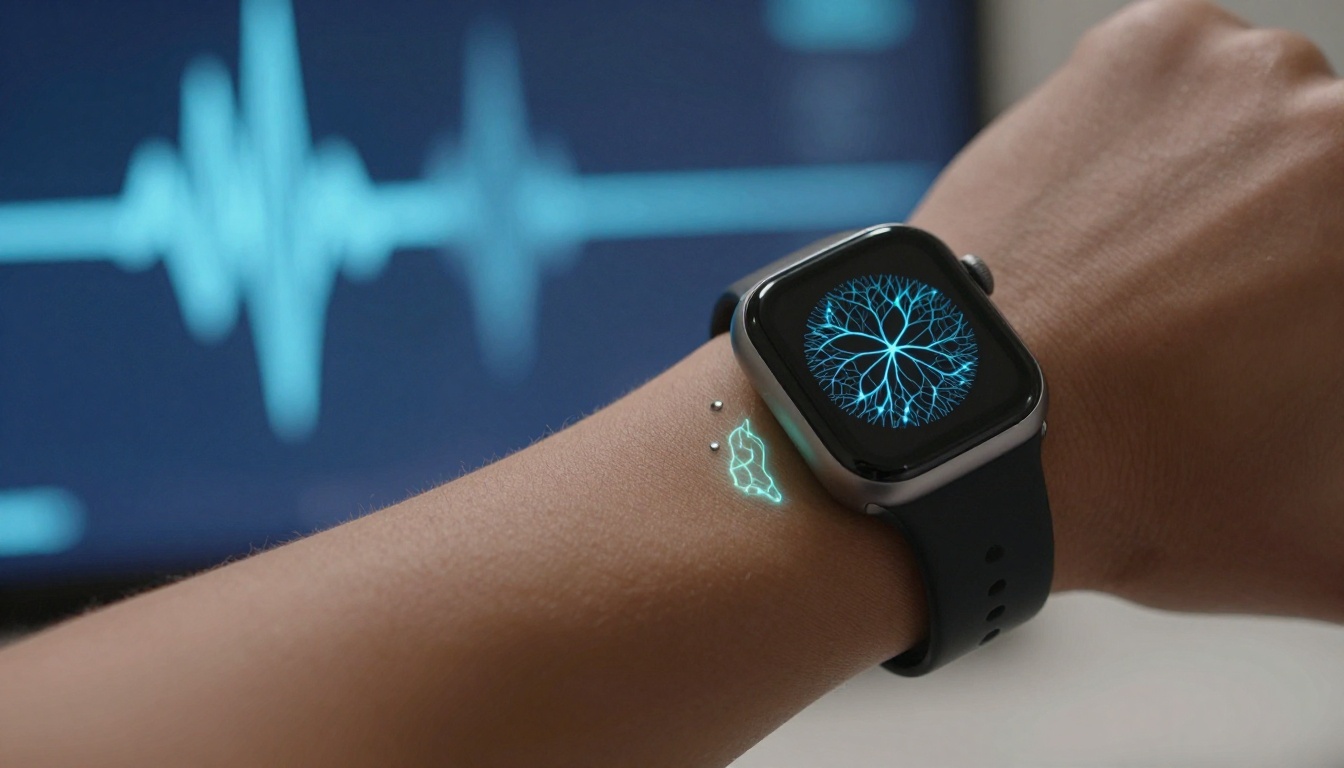
Microvascular sensors use photoplethysmography (PPG) and smart algorithms to peek at tiny blood vessels under your skin. Standard heart rate monitors just count beats per minute. These dig into pulse wave velocity and waveform morphology. So they can spot changes in blood flow and vessel stiffness-early hints of hypertension, aging arteries, even stress. Think of it like swapping a basic speedometer for a full engine diagnostic. It’s not just how fast your heart pumps, but how well your whole circulatory system runs.
Current wearables already track heart rate variability and blood oxygen. Microvascular sensing adds a new layer. By shining light into your skin and catching the reflections, these sensors map the microcirculation network. That’s where oxygen and nutrients swap, and its health is key. It’s like a window into your vascular health, something you used to only get in a lab. The tech isn’t brand new-medical gear has used similar tricks for years-but shrinking it for a wrist gadget is a big engineering win.
Which Brands Are Adopting It?
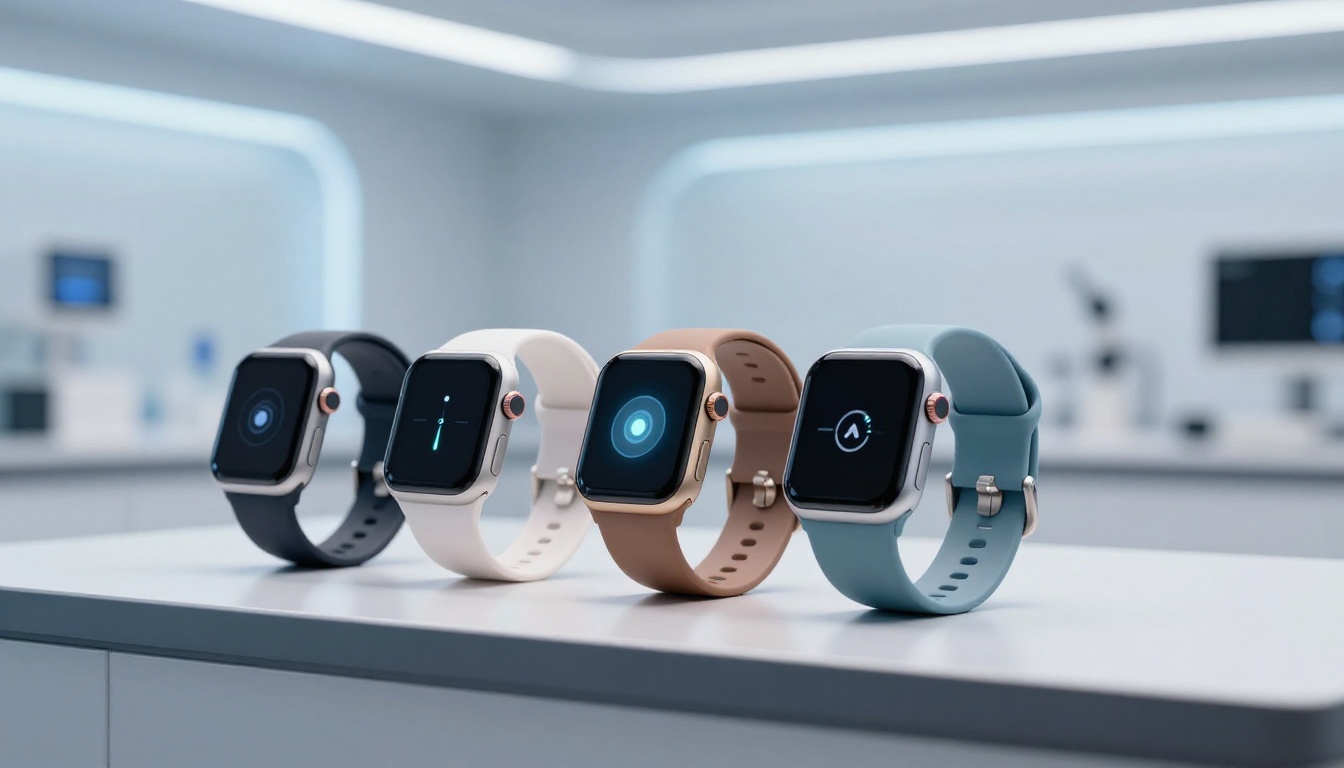
Big names are racing to stuff microvascular sensors into their wearables. Apple’s latest Watch Series, rumored for late 2026, might pack an upgraded sensor array with these abilities. Samsung and Google are in the mix too, with Galaxy Watch and Pixel Watch lines probably following. Fitbit and Garmin, known for fitness gear, are poking at the tech for deeper health dives. These brands see microvascular monitoring as a way to stand out in a crowded market where heart rate tracking is basically a commodity.
Adoption isn’t even, though. Some companies are playing it safe, waiting for more clinical proof before pushing features to users. Regulatory stuff matters too-health claims need FDA clearance or similar nods, which can slow things down. Still, the trend is obvious: by 2027, a smartwatch without some microvascular sensing might feel ancient. For us, that means more choices but also more head-scratching about which metrics actually count.
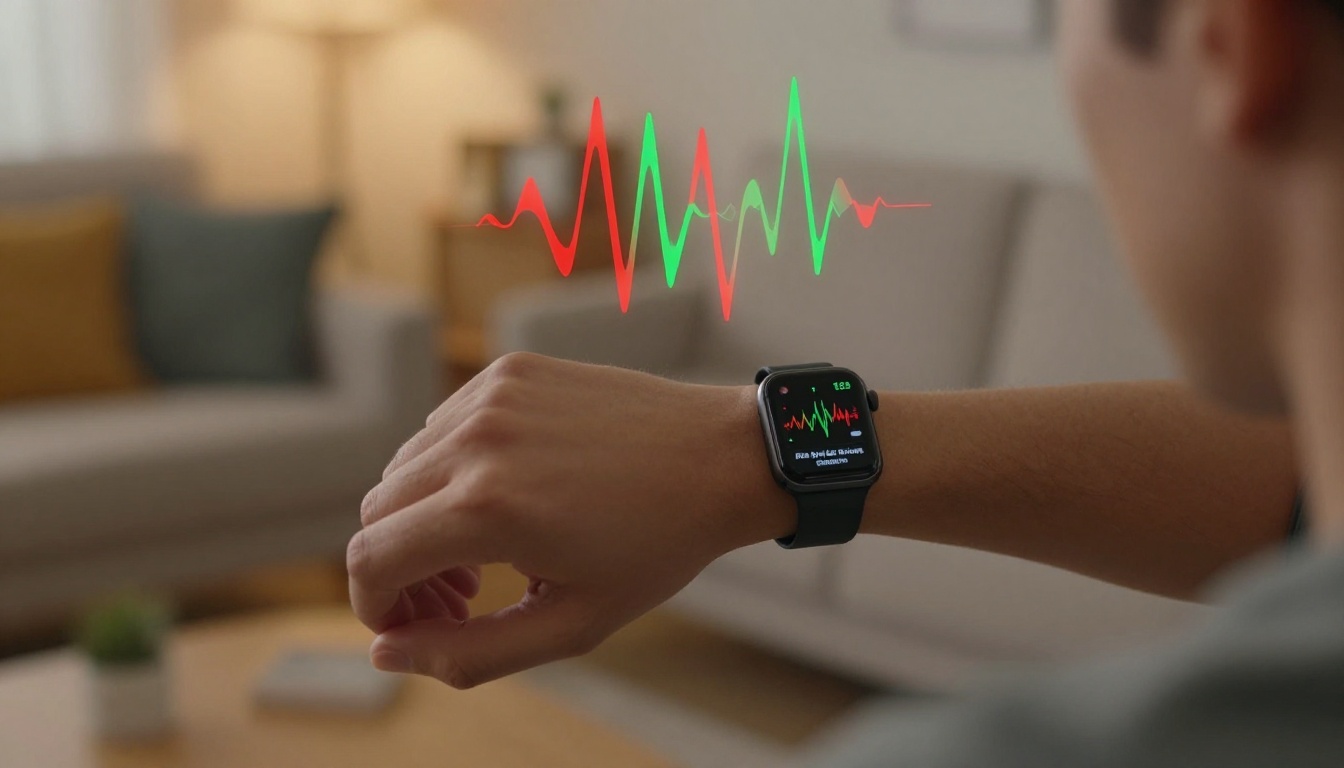
Genuine Breakthrough or Overhyped Metric?
The big question: do microvascular sensors deliver? Early studies hint they can catch early signs of heart disease, but data’s still thin. Dr. Elena Torres, a cardiologist at the Mayo Clinic, warns, “These sensors have potential, but we need large-scale longitudinal studies to confirm their predictive value. Right now, they’re a screening tool, not a diagnostic one.” That’s a key difference-your watch might flag a possible problem, but it won’t swap out a doctor visit.
These sensors have potential, but we need large-scale longitudinal studies to confirm their predictive value. Right now, they’re a screening tool, not a diagnostic one.
False positives and user freak-outs are a risk too. If your watch nags you constantly about vascular stiffness, you could end up in a loop of pointless tests. On the flip side, the tech might nudge people to tweak their lifestyle earlier. Picture getting an alert that your blood flow patterns are dipping, pushing you to move more or fix your diet. That’s the dream-but it hinges on accuracy and teaching users what’s what.
Technically, microvascular sensors wrestle with motion mess-ups and skin tone differences. Companies are pouring cash into better algorithms to fix that, but it’s a slog. Battery life is another worry-nonstop monitoring of these signals could drain your device fast. Thing is, with chip efficiency getting better, that might be a non-issue once the tech matures. Honestly, it’s a work in progress.
Microvascular sensors mark a swing from reactive to proactive health tracking. They won’t boot out classic metrics like heart rate or sleep data but will sit alongside them. For now, it’s smart to see them as an early heads-up, not a health fortune teller. As the tech grows, it could become as basic as step counting-but we’re not there yet. Kinda exciting, though.
What This Means for You
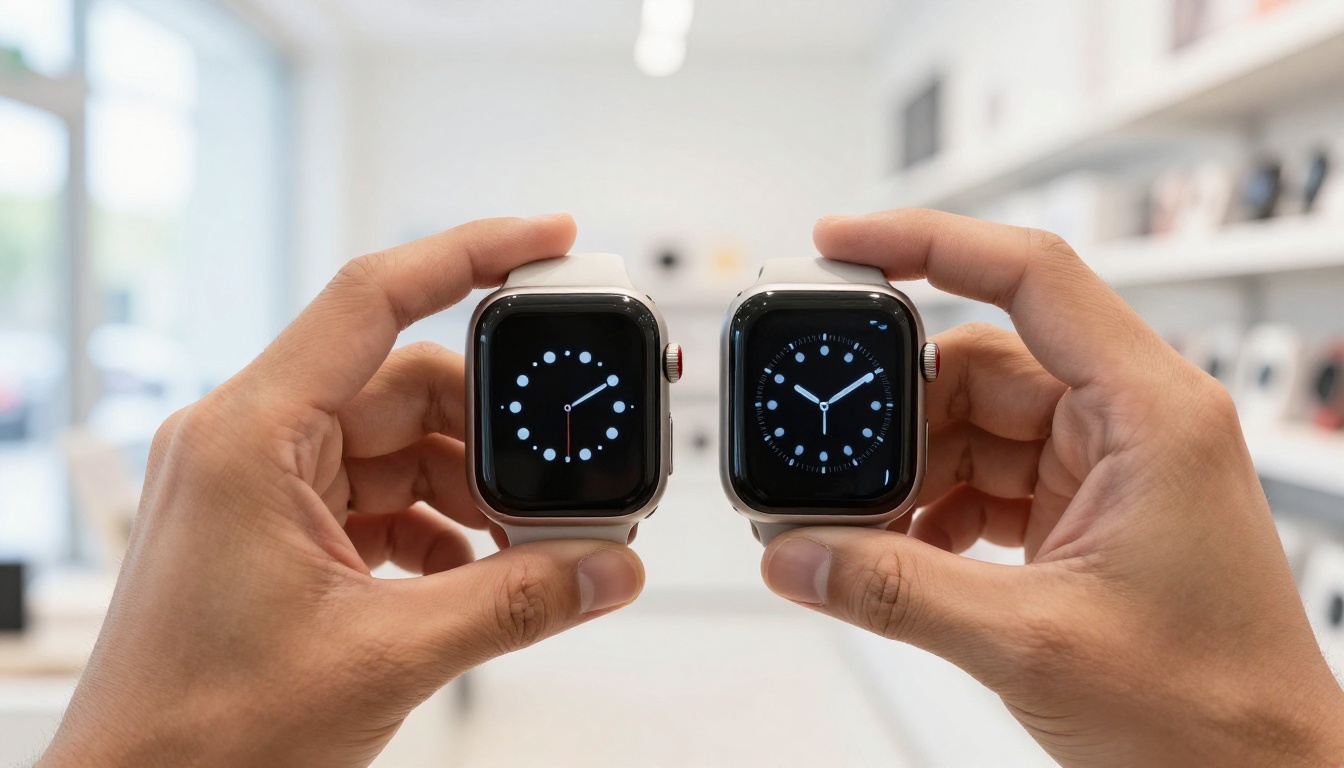
If you’re shopping for a new wearable, keep microvascular sensors on your radar. They’re not a must-have yet, but they’re a solid sign of a device that’ll age well. When you compare models, look for clinical backing and user reviews that talk real-world accuracy. Don’t get swept up by marketing fluff. Remember, the best health wearable is one you’ll actually strap on and use daily.
For folks with existing smartwatches, software updates might sprinkle some microvascular features onto older hardware, but the full ride will probably need new sensors. Watch for announcements from Apple, Samsung, and Google in the coming months. The wearable health scene is moving fast, and microvascular sensors are just the start. Stay clued in, and you’ll be set to grab what’s next.