Follow us on Facebook
Breaking updates in your feed — tap to open
Smart glasses have been promising to cut our screen addiction for ages. Most of ’em flopped, though. But now, in May 2026, Samsung and Google dropped a pair of AI-powered specs that actually feel like a real phone buddy. Real-time translation, turn-by-turn directions, subtle notifications-no phone needed. I wore ’em for a week. Honestly, they’re the closest thing to a hands-free assistant that doesn’t suck. Still, they’ve got trade-offs, especially next to the AI already crammed into our phones.
Design and comfort
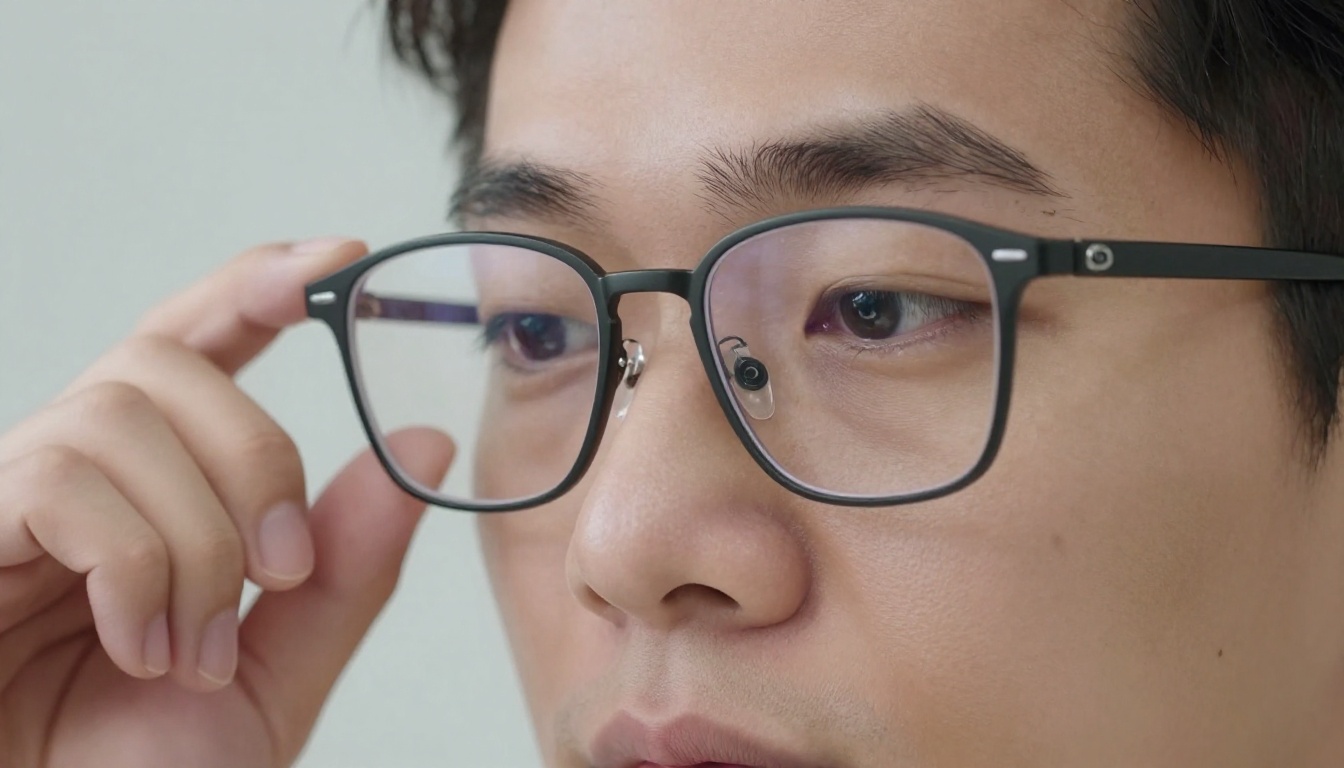
These glasses look pretty normal at first glance. Samsung and Google clearly wanted something you’d actually wear. They’re light. The battery, processor, and a tiny projector for the display hide in the arms. I wore ’em for hours and didn’t get that heavy, tired feeling old smart glasses gave me. The fit’s adjustable, and you can get prescription lenses. But the arms are a bit chunky if you stare. There’s a touchpad on the right side for taps and swipes. Thing is, I kept hitting it by accident when I pushed up the glasses. A real button would’ve been smarter.
AI features in action
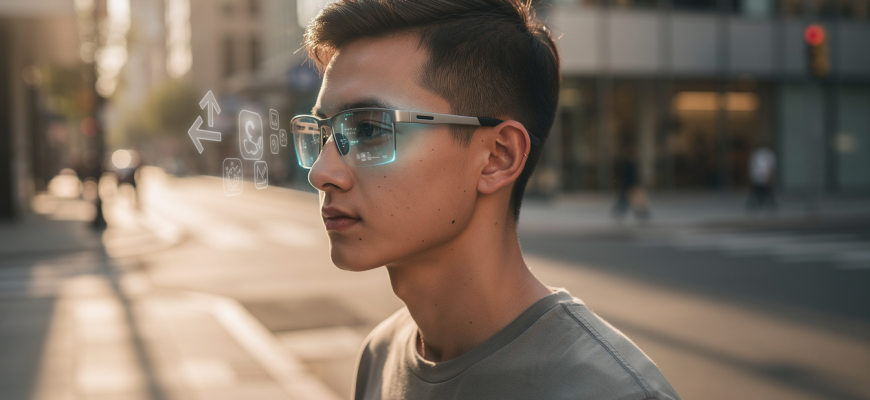
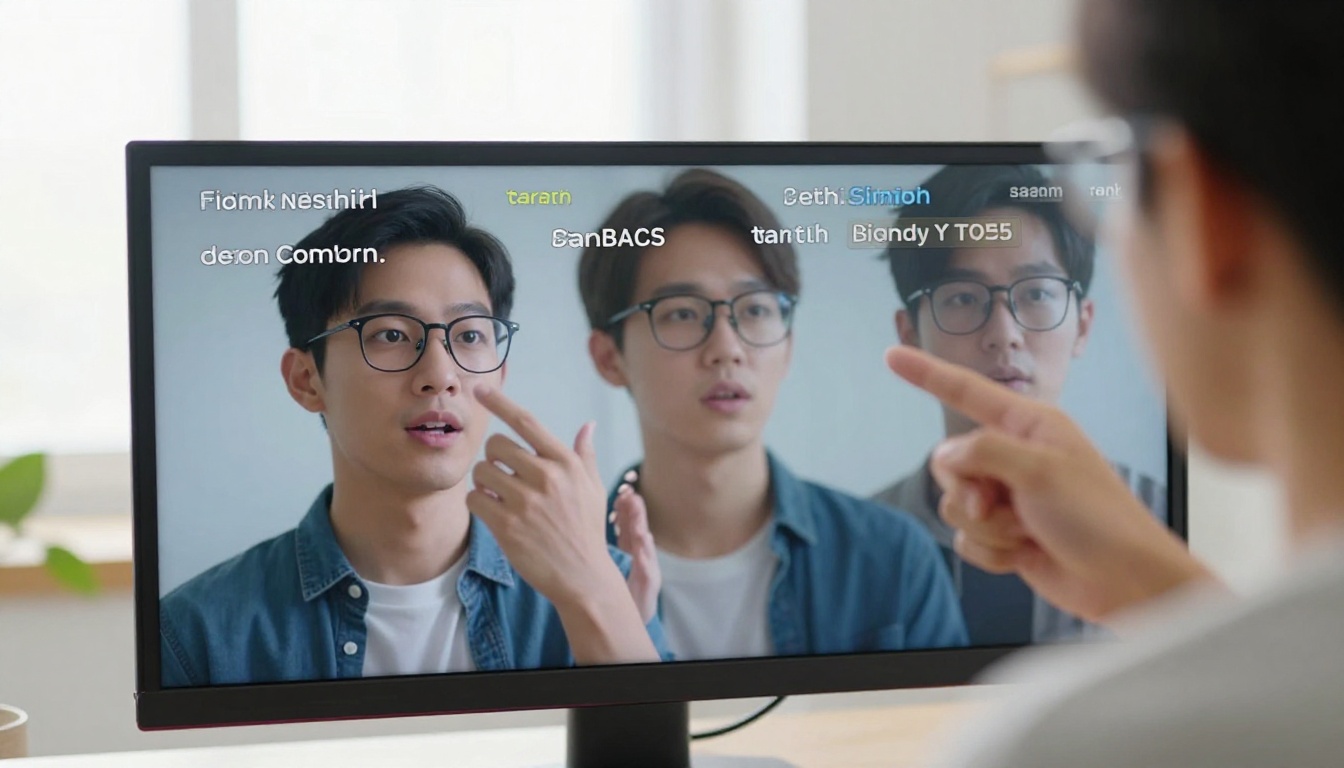
The big sell is live translation. I chatted with a Korean-speaking colleague, and English subtitles popped up in my view with barely any delay. Kinda magical. It’s not flawless-idioms threw it off-but for travel or simple talks, it’s a game-changer. Navigation’s just as cool. Arrows seem to hover on the street, and bone-conduction speakers whisper directions. I walked through a new neighborhood without ever glancing at my phone. Notifications are more meh. You can peek at ’em, but the tiny screen means you’ll still grab your phone for longer stuff.
Compared to phone AI, the glasses win on speed. Getting translations on a phone means unlocking, opening an app, holding it up. Here, it’s seamless. But your phone still rules for complex stuff like writing emails or tweaking photos. These glasses are a sidekick, not a replacement.
Battery life and daily use
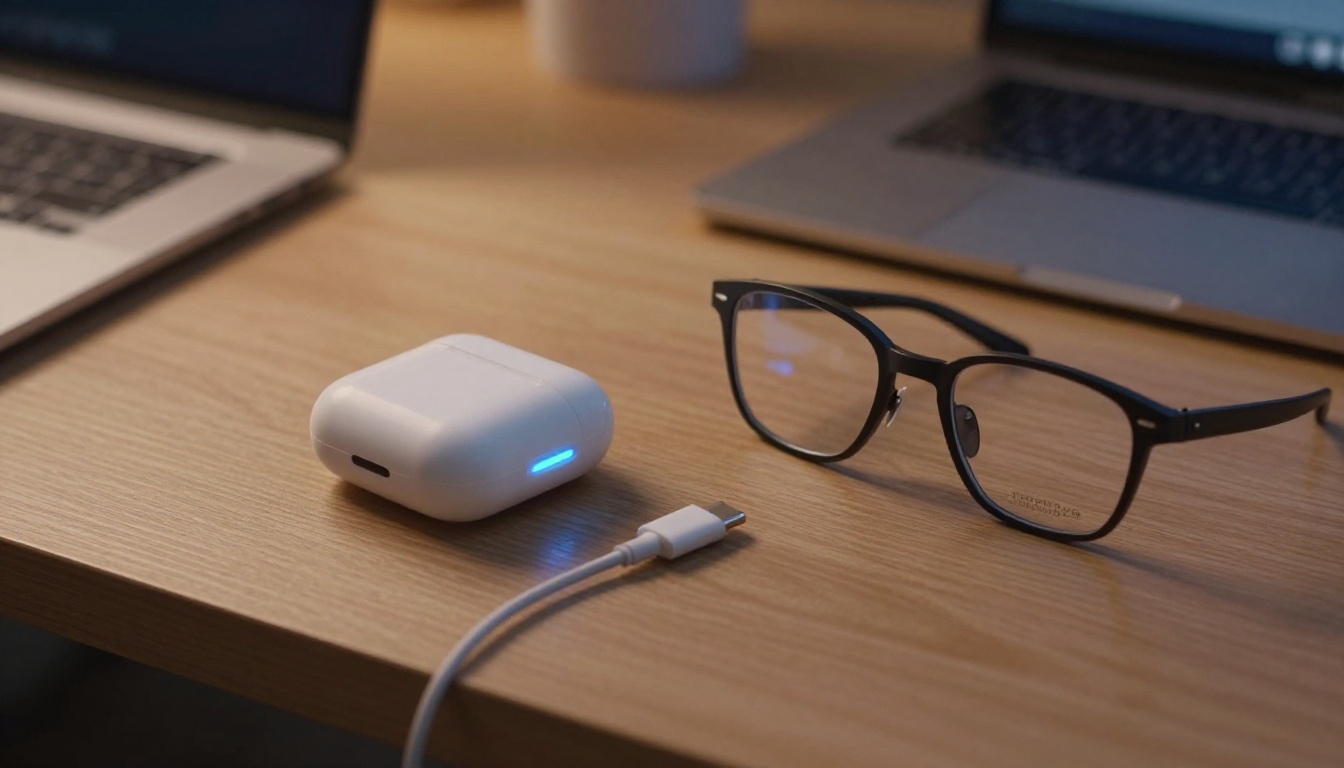
Battery life is the weak spot. With mixed use-nav, a few translations, notifications-I squeezed out about 4 hours. That’s barely a morning commute and a lunch meetup. The charging case gives two extra full charges, but it’s bulky. For all-day wear, you’ll need to top up. Not for power users. On the bright side, they charge over USB-C, and a quick 15-minute charge gets you an hour. But forget the case, and you’re dead by mid-afternoon.
Privacy’s another headache. There’s a tiny LED that glows when you’re recording video, but it’s easy to miss. Google says all translation processing stays on the device, but I still felt weird using them in crowds. People don’t know if you’re filming. It’s a social snag even top tech can’t fully fix.
These glasses finally deliver on the promise of ambient computing, but battery anxiety and social acceptance remain barriers.
Verdict
So, are the Samsung-Google AI glasses a solid phone companion? For early adopters and frequent travelers, yeah. They really cut phone use in certain situations. But for most folks, the short battery and high price-probably premium-make ’em a tough buy. They’re a peek at tomorrow, not today’s mainstream. If you can stomach the limits, they’re the best smart glasses yet. Otherwise, your phone’s AI tricks are still more practical.