Follow us on Facebook
Breaking updates in your feed — tap to open
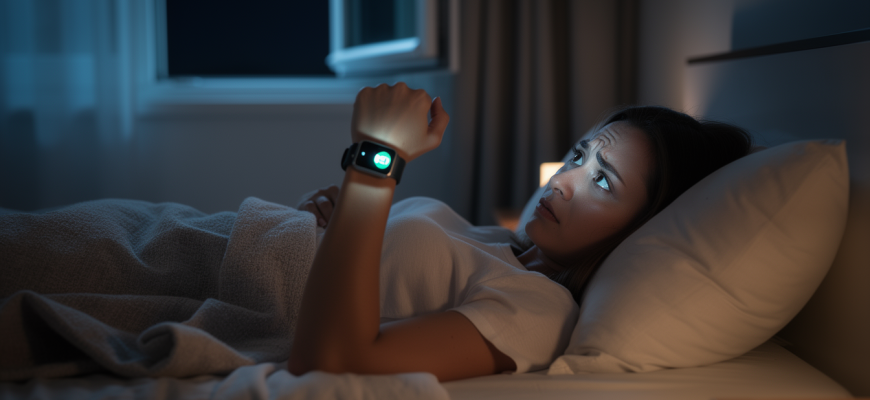
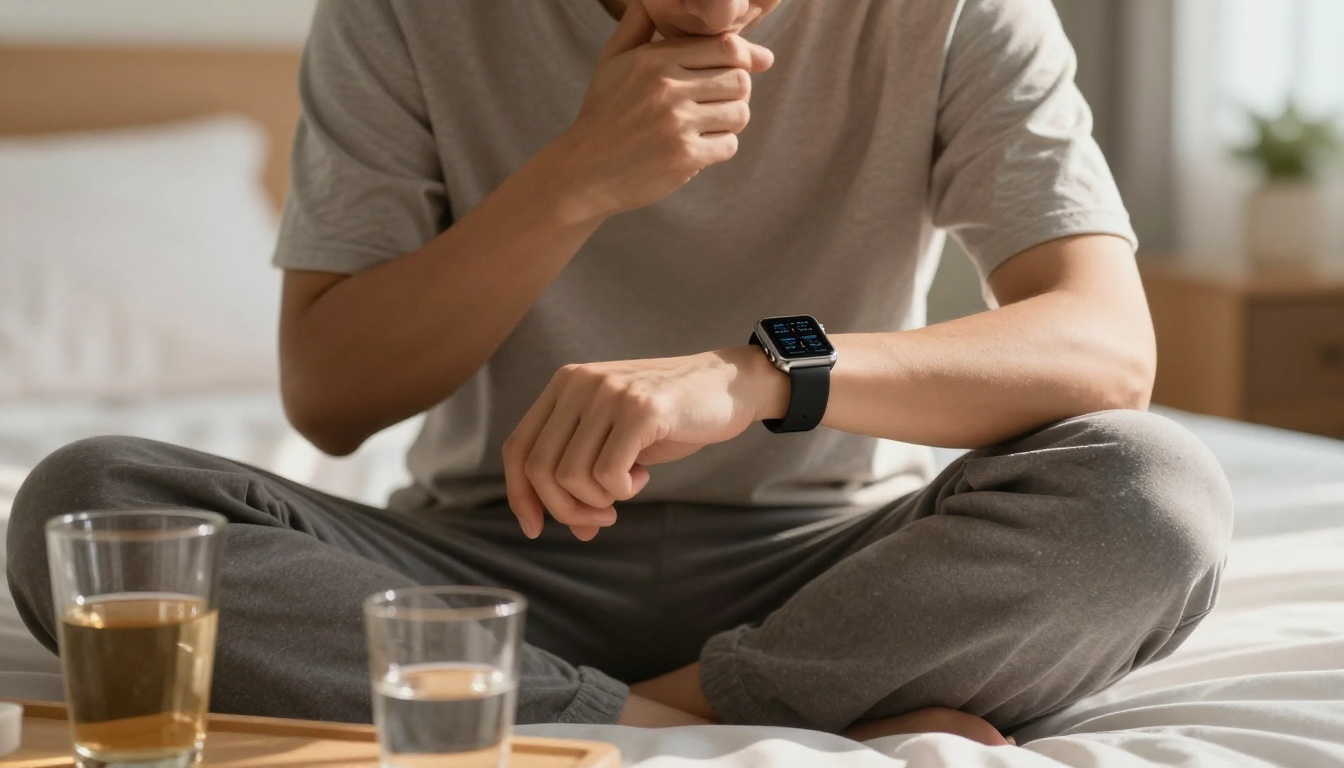
You glance at your wrist after a rough night. The screen says you got seven hours of deep sleep. But you feel wrecked. That disconnect? It’s the whole story with sleep tracking accuracy. Wearables don’t measure sleep directly-they guess it from movement and heart rate. Understanding that gap changes how you use the data.
What Sensors Actually Measure
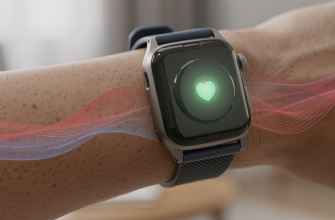
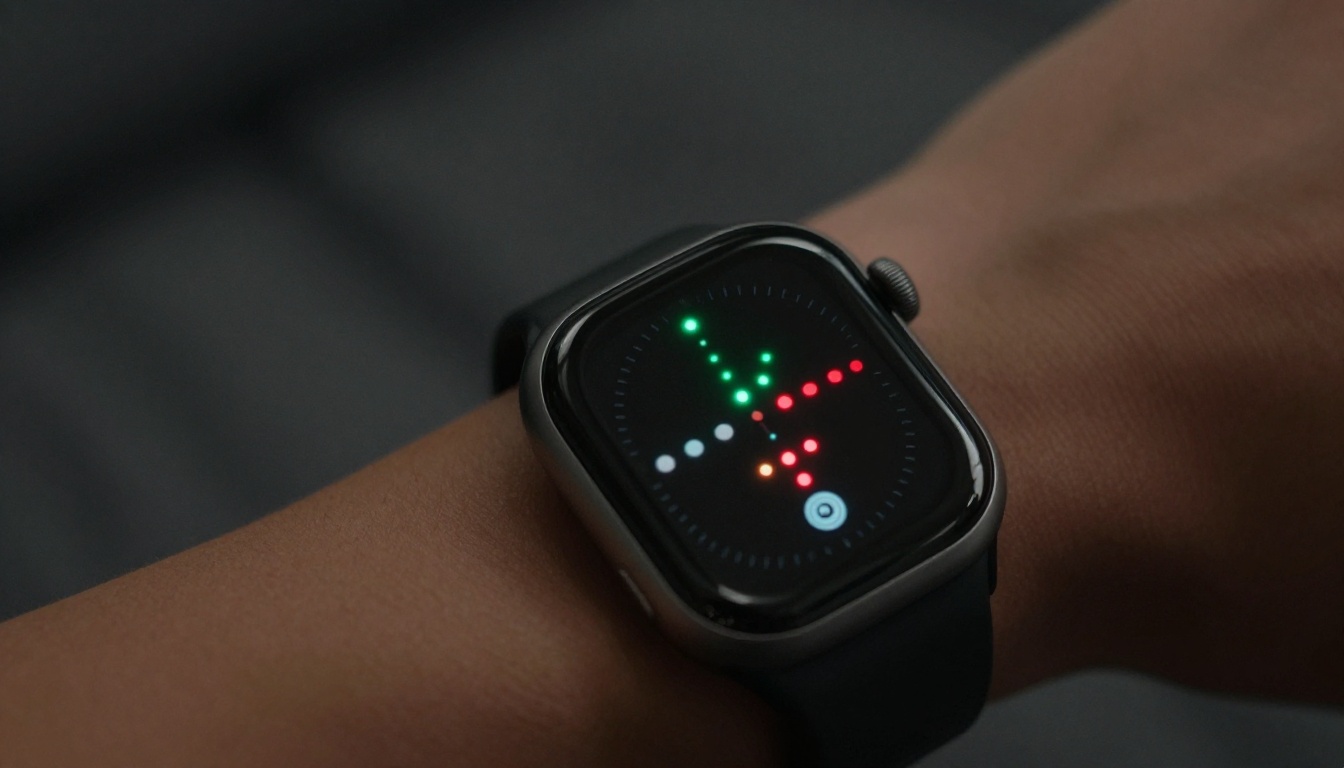
Smartwatches lean on two main sensors: a photoplethysmography (PPG) sensor and an accelerometer. The PPG shines light into your skin to detect blood flow changes. It calculates heart rate and, in some devices, heart rate variability (HRV). The accelerometer tracks motion. When you’re still, the watch figures you’re asleep. But stillness isn’t always sleep. Lying awake, not moving? That can fool the algorithm.
Think of it like a detective guessing your activities by only watching your shadow and listening to your heartbeat. The clues are indirect. That’s why sleep tracking accuracy varies wildly between brands. A fitness-focused wearable might prioritize movement data. A health-oriented device leans more on HRV. Neither sees brain waves-the gold standard in sleep labs.

How Algorithms Estimate Sleep Stages
Algorithms take sensor data and classify it into sleep stages: light, deep, and REM. They look for patterns-reduced movement, lower heart rate, specific HRV rhythms. Deep sleep usually shows very stable heart rates and minimal motion. REM sleep often brings irregular heartbeats and temporary muscle paralysis. But accelerometers can miss subtle twitches.
Most consumer wearables use proprietary algorithms trained on small, often non-diverse datasets. If you’re a restless sleeper or have a low resting heart rate, the model might mislabel your stages. A study by sleep researchers found that wrist-worn trackers overestimate total sleep time by up to an hour compared to polysomnography. Yet they’re fairly good at detecting sleep versus wake-just not the nuanced stages.
Imagine a translator who knows only basic phrases. They get the gist right but mangle the details. That’s your sleep stage breakdown. Use it as a trend indicator, not a diagnostic tool.
Why Your Sleep Score Might Mislead
Sleep scores are composite numbers blending duration, stages, and sometimes consistency. A high score can mask poor quality. For instance, eight hours of fragmented sleep might score better than six hours of restorative sleep if the algorithm weights duration heavily. Factors like alcohol, stress, or late meals can disrupt deep sleep without changing the score much.
Consumer sleep trackers are useful for tracking patterns over time, but they should not replace clinical evaluation for sleep disorders.
Environmental noise also plays a role. A partner’s movements can confuse the accelerometer. Some devices try to filter this, but it’s imperfect. To improve sleep tracking accuracy, wear the watch snugly, keep it charged, and sync data regularly. Even then, treat the numbers as a conversation starter with your doctor, not a final verdict.
When choosing a device, look beyond marketing claims. Check if the brand has published validation studies. Devices that measure blood oxygen or skin temperature may add context, but they don’t solve the core inference problem. Honestly, the best tracker is one you’ll wear consistently and that aligns with your health goals-whether that’s spotting trends or simply building a bedtime routine.