Follow us on Facebook
Breaking updates in your feed — tap to open
In May 2026, Google and Samsung finally showed off their long-rumored AI glasses, and I got an early look. These AI glasses are supposed to layer info right over your everyday view, translate chats in real time, and let you do stuff hands-free-no phone needed. If you’ve ever struggled with a gadget while lost in a foreign city or missed a text during a chat, this could be huge. But does the prototype actually deliver? I spent a day with it to see.
Design and display
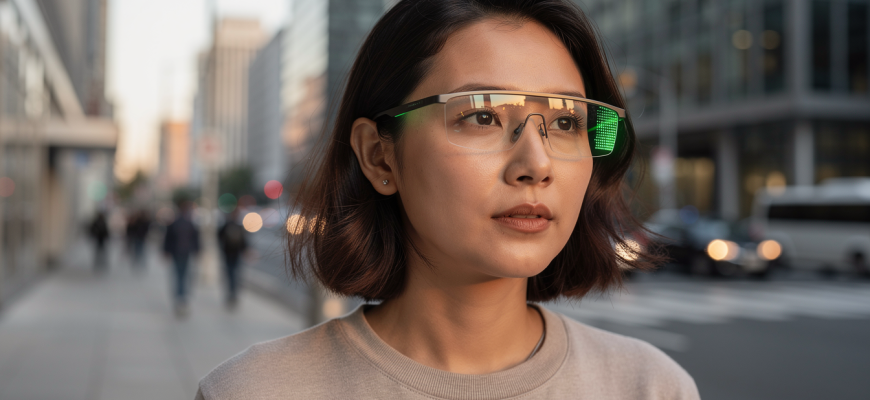
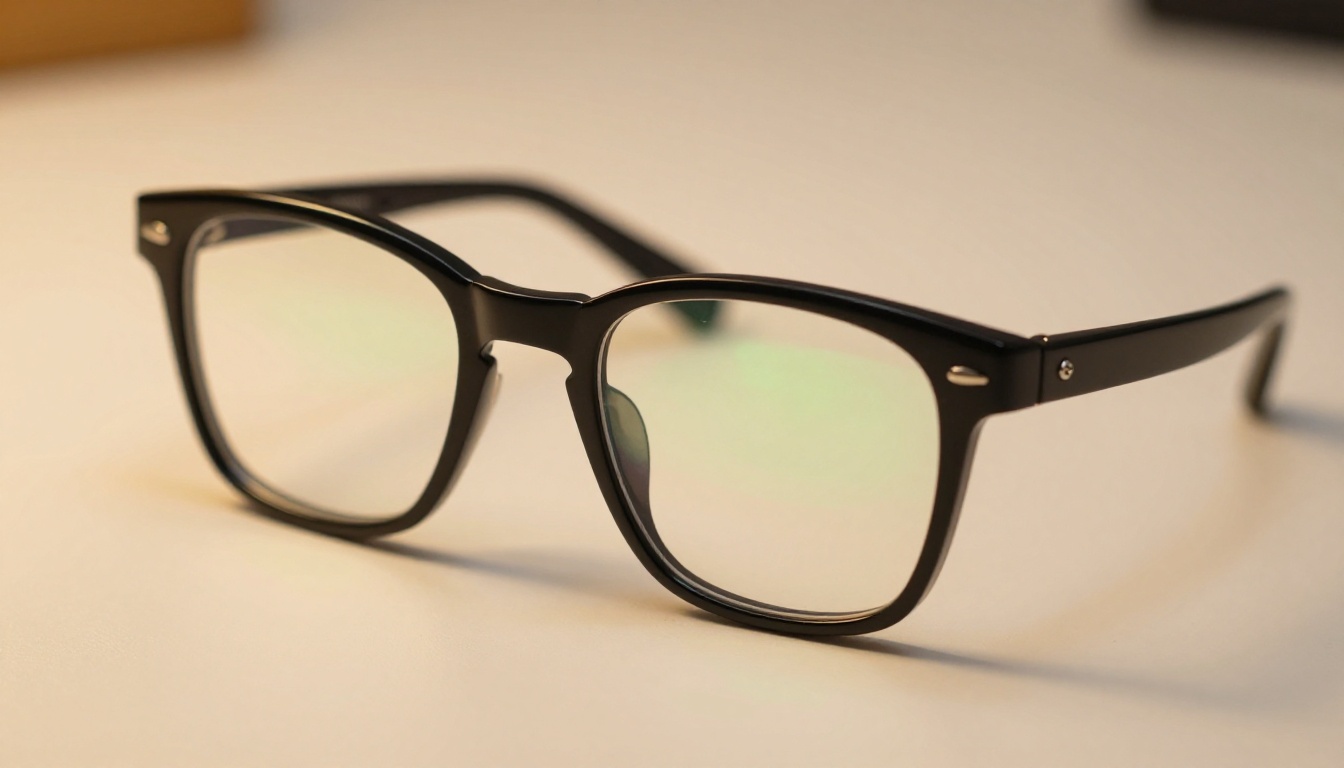
Honestly, they look a lot like fancy Wayfarers. At 48 grams, they’re heavier than regular glasses but lighter than most VR headsets. The arms hold the battery, processor, and a tiny projector that shines a green monochrome display onto the right lens. It’s not full-on AR-more like a subtle heads-up display floating in your side vision. Side-angle visibility took a hit when I glanced at the screen, but in normal use, it didn’t bug me. The fit’s adjustable with swappable nose pads, and the frame works with prescription lenses. Kinda heavy, actually.
Samsung’s touch is all over the sleek design, while Google’s software runs the show. A touch strip on the right arm handles taps and swipes. Voice commands are always listening-just say “Hey Google.” They connect via Bluetooth 5.3 and Wi-Fi 6E, pairing smoothly with Android and iOS, though you get more features on Samsung Galaxy and Google Pixel phones. A companion app handles settings and updates.

AI features in action
The big deal is the contextual AI assistant. Glance at a landmark, and its name and a quick history bit pop up. Look at a restaurant, and you see ratings, hours, and menu highlights. During my test, walking through a busy market, the glasses identified products and offered price comparisons-though accuracy wasn’t perfect with weird lighting or distance. Real-time translation is the star. Chatting with a Korean-speaking colleague, the glasses transcribed and translated speech into English text almost instantly. It’s not flawless-idioms and fast talk threw it off. But for travel and basic chats, it’s a game-changer.
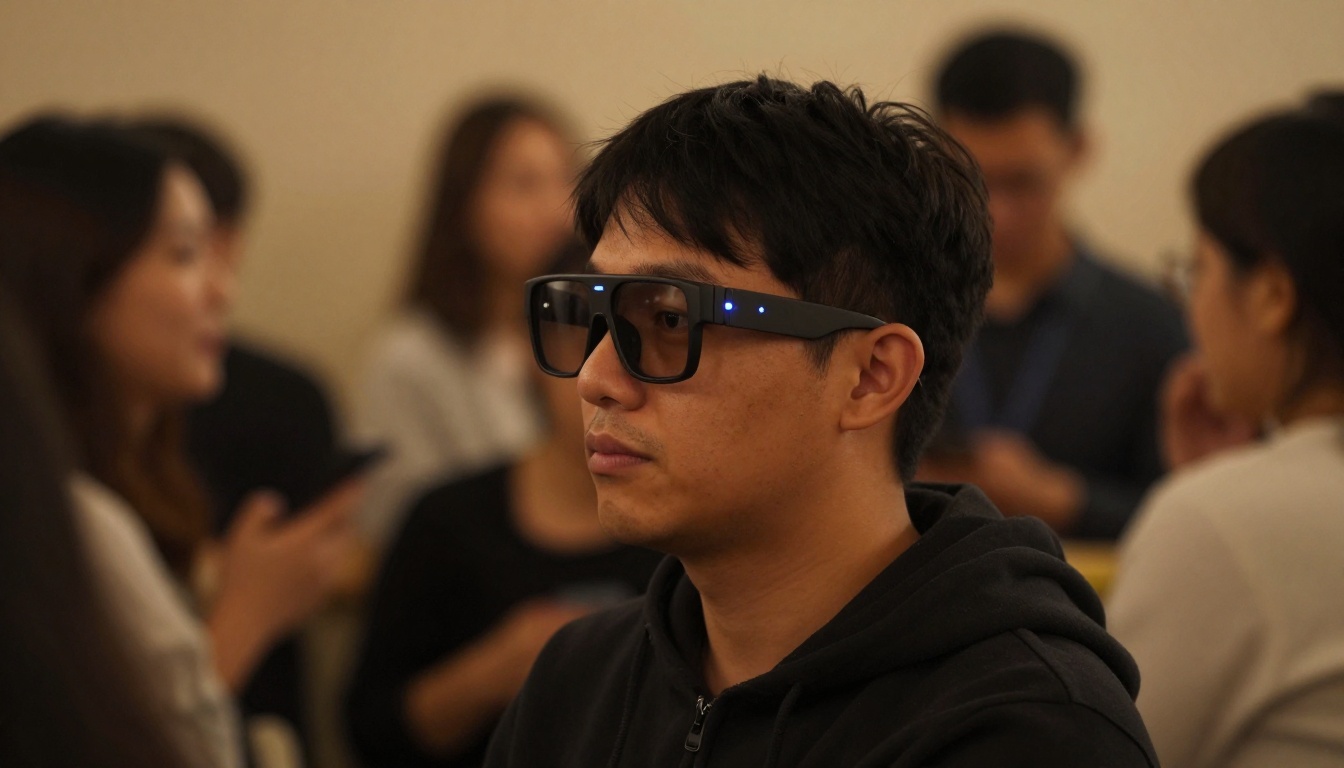
Hands-free control covers calls, messages, and music. You can dictate replies, skip tracks, or ask for directions without touching your phone. Notifications are glanceable, and you can pick which apps interrupt you. Privacy’s a worry: a tiny LED lights up when the camera or mic is on, but it’s easy to miss. Google says sensitive data is processed on-device, with cloud queries encrypted. Still, in a world of wearable fitness features and health metrics explained, you’ll need to trust these glasses with even more personal info.
“The real test will be social acceptance. No one wants to be the person wearing a camera on their face at a dinner party.” – Dr. Lisa Chen, wearable tech analyst
Battery life and performance
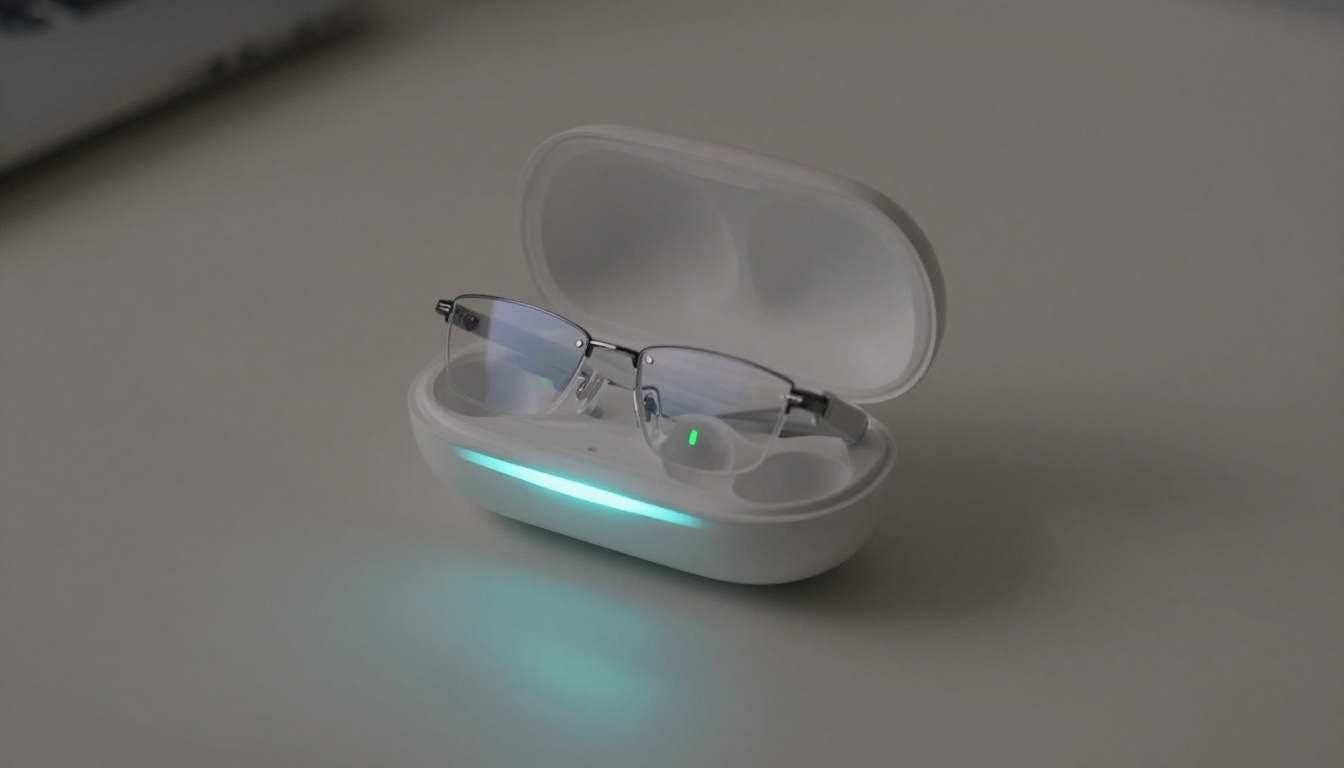
Battery life is the weak spot. With constant AI use, the glasses lasted just under 4 hours. In standby with occasional pokes, they stretched to about 8 hours. The charging case, like wireless earbud cases, gives two extra full charges. It’s a trade-off, but one you’d know if you carry bluetooth earbuds comparison daily. Performance is snappy, thanks to a custom chip Samsung co-developed. Apps open fast, and voice recognition works well in quiet spots. In loud cafes, you’ll have to raise your voice.
The display, though low-res, is bright enough outdoors. It auto-adjusts brightness, but direct sunlight washes it out. The monochrome approach saves power and keeps things slim. For navigation, arrows and street names are sharp. For reading longer texts, it’s not great. This isn’t for videos or web browsing-it’s for quick info at a glance.
Connectivity is solid, with 5G support via your phone’s hotspot. The glasses lack a cellular modem, which cuts weight and cost. They do have GPS for location stuff, and onboard storage is a modest 32GB, mostly for offline translation packs and system files. You won’t store music or photos here.
Early verdict
Google and Samsung’s AI glasses are the most polished shot yet at mainstream smart eyewear. They nail the basics: translation, notifications, and quick lookups. The design is okay, and the interface is easy to use. But battery life and social awkwardness are still problems. At an expected premium price, these aren’t for everyone. They’re for early adopters who live on the edge of foldable phone hands on and gaming phone performance tests. For now, they’re a peek at a future where our digital and physical worlds blend seamlessly-just not quite yet.