Follow us on Facebook
Breaking updates in your feed — tap to open
In the world of consumer technology, innovation often emerges from unexpected places. While major tech companies invest billions in R&D labs, some of the most transformative approaches to design are born from lived experience-particularly from communities that have learned to innovate within constraints. This article explores how personal journeys through scarcity, disability, and community healing are reshaping how we think about technology, accessibility, and what it means to design for real human needs.

- The Hood as Survival Technology: Innovation Born from Scarcity
- From Academic Promise to Practical Design: The Pivot to Disability-Forward Engineering
- Practical Applications in Consumer Tech
- Concrete Concepts: From Insulin Hair Picks to Smart Textiles
- Urban-Inspired Wearable Concepts
- Smart Textiles and Adaptive Clothing
- Centering Marginalized Communities in Mobility Tech
- Focus on Black Unhoused Veterans
- Implementing Disability-Forward Design in Your Tech Projects
- 1. Start with Community Engagement
- 2. Rethink Your Design Process
- 3. Embrace Constraints as Creative Opportunities
- The Future of Inclusive Technology
The Hood as Survival Technology: Innovation Born from Scarcity
Growing up in resource-limited environments teaches a unique form of problem-solving. When you don’t have access to specialized tools or unlimited budgets, you learn to work with what’s available. This “hood engineering” mentality-fixing broken systems with everyday materials, building structures from found objects, and creating solutions from limited resources-represents a form of systems thinking that traditional engineering education often overlooks.
This approach to innovation has direct applications in consumer technology. Just as urban improvisation leads to creative solutions, today’s most interesting tech developments often come from understanding real constraints:
- Resource optimization: Learning to maximize limited resources leads to more efficient designs
- Adaptive thinking: Solving problems with available materials encourages creative approaches
- Community-centered solutions: Innovations that emerge from specific needs often have broader applications

From Academic Promise to Practical Design: The Pivot to Disability-Forward Engineering
The journey from traditional academic paths to practical, community-centered design isn’t always straightforward. For many innovators, personal experiences with health challenges, accessibility barriers, and systemic limitations force a reevaluation of what meaningful engineering looks like. Rather than viewing disability as a liability to be designed around, this approach centers it as a source of insight and innovation.
“Organizations fail when they don’t see the whole person behind the work,” explains one designer who now runs a consultancy helping product teams connect with the communities their devices serve. This philosophy has led to several key principles in disability-forward design:
- Embed trust from the beginning: Involving community members in the design process rather than just testing on them
- Prioritize accessibility as a core feature: Not an afterthought or separate “accessibility mode”
- Design with care: Considering the emotional and psychological impact of technology
- Honor lived experience: Valuing personal knowledge alongside technical expertise
Practical Applications in Consumer Tech
This approach is already influencing several areas of consumer technology:
| Technology Area | Disability-Forward Approach | Traditional Approach |
|---|---|---|
| Wearables | Designing for varied body types and abilities from the start | Creating one-size-fits-all then adding accessibility features |
| Smart Home | Considering how different abilities interact with technology | Assuming standard physical and cognitive abilities |
| Mobile Interfaces | Building in multiple interaction methods by default | Adding accessibility options in settings menus |
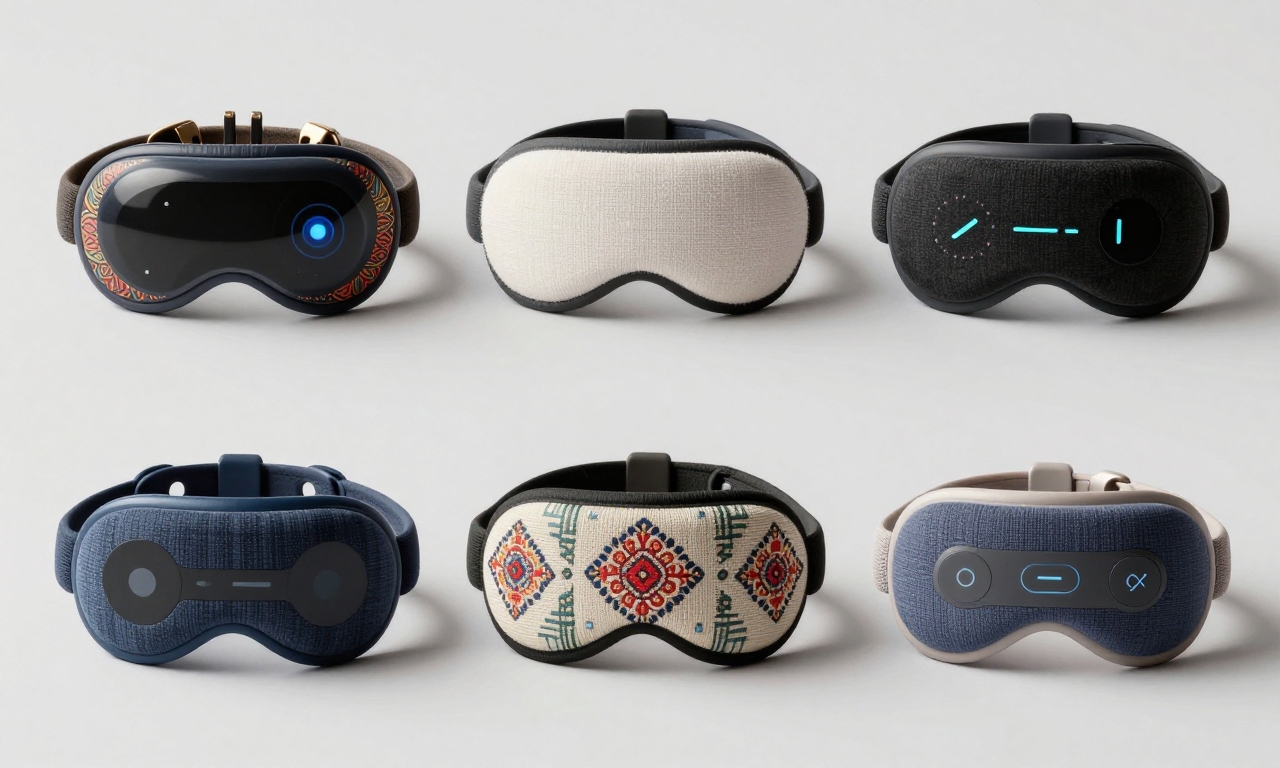
Concrete Concepts: From Insulin Hair Picks to Smart Textiles
The most exciting aspect of this design philosophy is the concrete, innovative concepts it generates. These aren’t just theoretical ideas-they’re practical solutions born from understanding specific needs and constraints:
Urban-Inspired Wearable Concepts
Insulin Hair Picks: Combining cultural expression with medical necessity, these would integrate diabetes management into everyday grooming tools, reducing stigma and increasing convenience.
Mood Jewelry 2.0: Modern versions that don’t just change color but actually monitor stress levels, anxiety indicators, or other mental health metrics, providing both fashion and function.
Diagnostic Grills: Oral health monitoring integrated into dental accessories, making regular health checks part of daily routine rather than clinical visits.
Smart Textiles and Adaptive Clothing
The most promising area for disability-forward design may be in smart textiles. Born from urban improvisation and the need for adaptive clothing, these technologies include:
- Temperature-regulating fabrics for people with temperature sensitivity
- Pressure-sensing materials for monitoring circulation or preventing pressure sores
- Gesture-recognizing clothing that can interpret movement for communication or control
- Self-adjusting fits that accommodate changing bodies or mobility needs
Centering Marginalized Communities in Mobility Tech
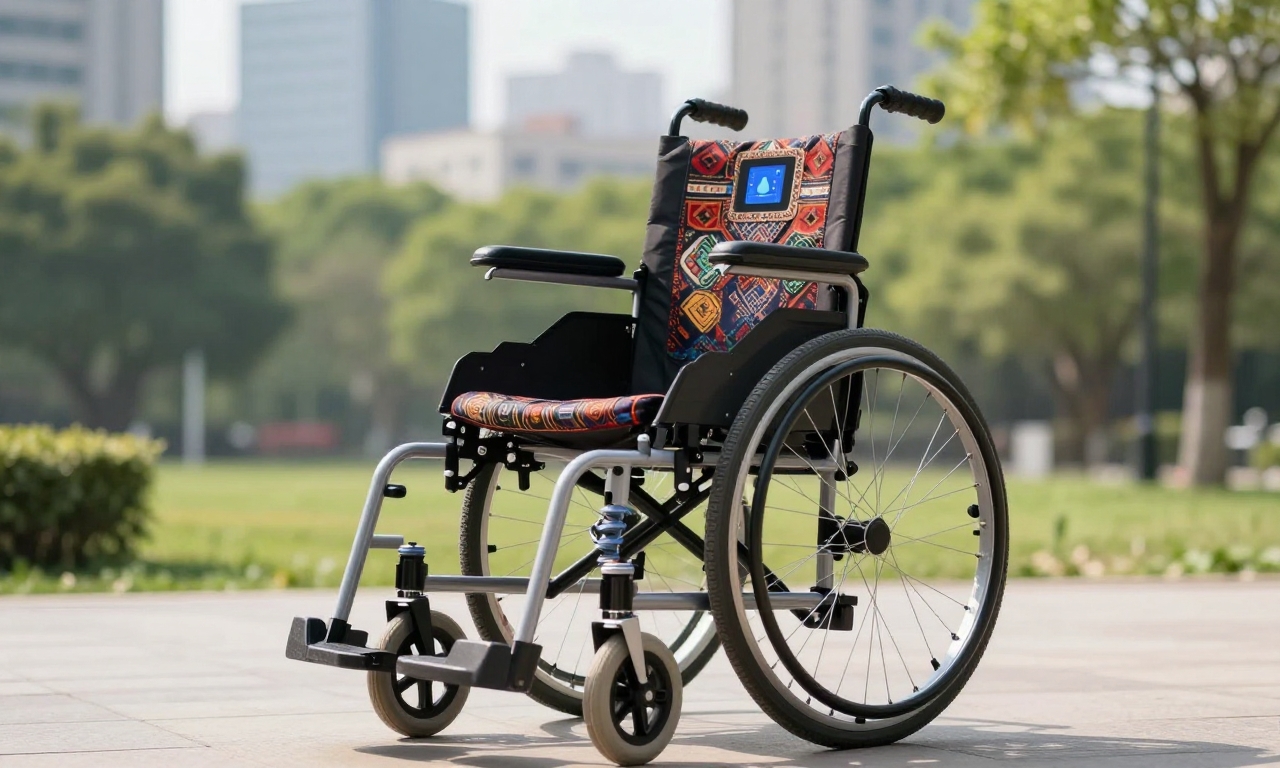
One of the most important applications of this design philosophy is in mobility technology. Traditional mobility aids often prioritize medical functionality over personal expression, dignity, or cultural relevance. A disability-forward approach asks different questions:
“What if wheelchairs weren’t just medical devices but expressions of identity? What if they incorporated cultural elements, personal style, and advanced technology that respects the user’s whole experience?”
This thinking has led to concepts like:
- Chairs with customized suspension systems for different urban terrains
- Personal expression through customizable elements rather than sterile medical aesthetics
- Integrated technology that serves multiple purposes beyond basic mobility
- Community-specific designs that honor cultural traditions and preferences
Focus on Black Unhoused Veterans
Particular attention is being paid to Black unhoused veterans-a community often overlooked in both veteran services and technology design. For this group, mobility technology needs to address:
- Durability for varied living conditions
- Portability for frequent moves
- Multi-functionality (serving as seating, storage, and transportation)
- Cultural resonance that maintains dignity and identity
Implementing Disability-Forward Design in Your Tech Projects
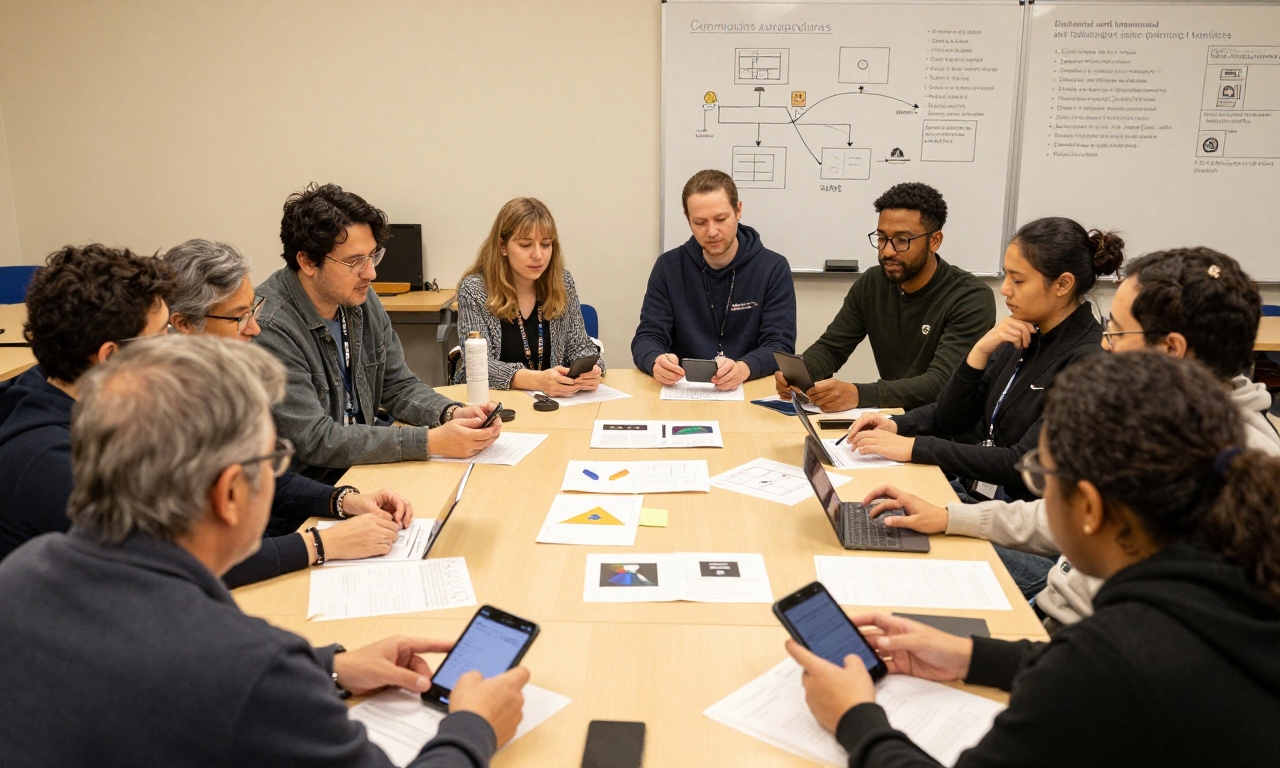
For product teams, developers, and designers interested in this approach, here are practical steps to implement disability-forward thinking:
1. Start with Community Engagement
Don’t just test on communities-involve them from the beginning. This means:
- Compensating community consultants fairly for their expertise
- Building long-term relationships rather than one-time testing sessions
- Creating feedback loops that continue through the product lifecycle
2. Rethink Your Design Process
Traditional design thinking often assumes certain abilities. Disability-forward design requires:
- Considering the full range of human variation from the start
- Building in flexibility rather than adding accommodations later
- Testing in real-world conditions, not just lab environments
3. Embrace Constraints as Creative Opportunities
Like the “hood engineering” approach, learn to see limitations as design parameters rather than obstacles. This might mean:
- Designing for lower-cost materials without sacrificing quality
- Creating solutions that work with existing infrastructure
- Building modular systems that can adapt to different needs
The Future of Inclusive Technology
The movement toward disability-forward design represents more than just better accessibility features. It’s a fundamental shift in how we think about technology, innovation, and who gets to participate in creating our technological future. By centering lived experience, honoring diverse ways of knowing, and designing with rather than for communities, we can create technology that truly serves human needs.
As consumer technology continues to evolve, the most impactful innovations may come not from the best-funded labs, but from the communities that have learned to innovate within constraints. The future of gadgets, wearables, and smart devices will be richer, more inclusive, and more human-centered when we embrace these diverse perspectives in the design process.
For tech enthusiasts, this means looking beyond specs and features to consider how technology actually fits into people’s lives. For designers and developers, it means expanding who we listen to and learn from. And for everyone, it means recognizing that the best solutions often come from understanding the problems most deeply-and that those understandings are distributed across all communities, waiting to be heard and incorporated into our technological future.