Follow us on Facebook
Breaking updates in your feed — tap to open
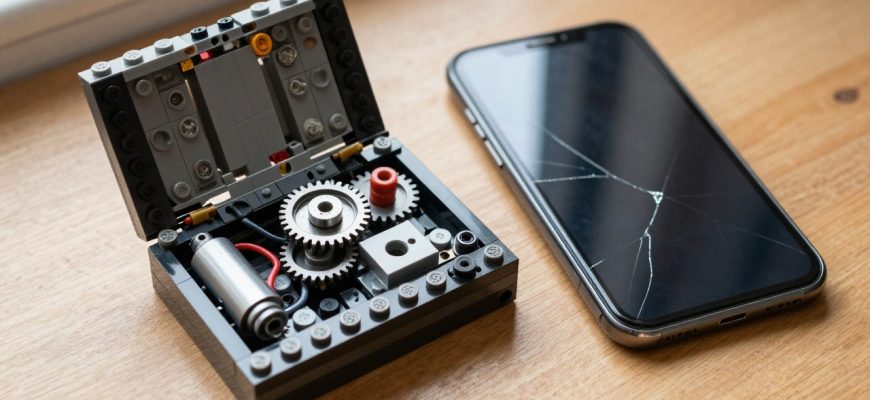
In today’s fast-paced tech world, where flagship smartphones receive annual updates and gadgets become obsolete within years, there’s a growing problem: planned obsolescence. Consumers face constant pressure to upgrade, with devices often failing just outside warranty periods or becoming incompatible with new software. This creates financial strain and environmental waste, as perfectly functional technology gets discarded.
But what if the solution to our disposable tech culture lies in the past? While we chase the latest OLED displays, 5G connectivity, and wireless charging, vintage technology from decades ago continues to function flawlessly. The contrast between today’s complex, expensive systems and yesterday’s simple, repairable engineering reveals fundamental truths about durability and design.
- The Problem: Modern Tech’s Built-In Obsolescence
- The Solution: Learning from Vintage Engineering
- Simple, Repairable Construction
- Timeless Functionality
- Educational Value: What Modern Tech Can Learn
- Practical Applications for Today’s Tech
- Consumer Implications: Making Smarter Tech Choices
- The Environmental Impact
- Conclusion: Building a More Durable Future
The Problem: Modern Tech’s Built-In Obsolescence
Today’s technology ecosystem prioritizes innovation over longevity. Consider these data points:
- Smartphone replacement cycles average 2-3 years in the US, driven by battery degradation, software updates, and performance issues
- Repair costs for modern devices often exceed 50% of original purchase price, discouraging maintenance
- Proprietary components like MagSafe connectors or custom chips prevent third-party repairs
- Software support windows typically last 3-5 years for Android devices and 5-7 years for iPhones
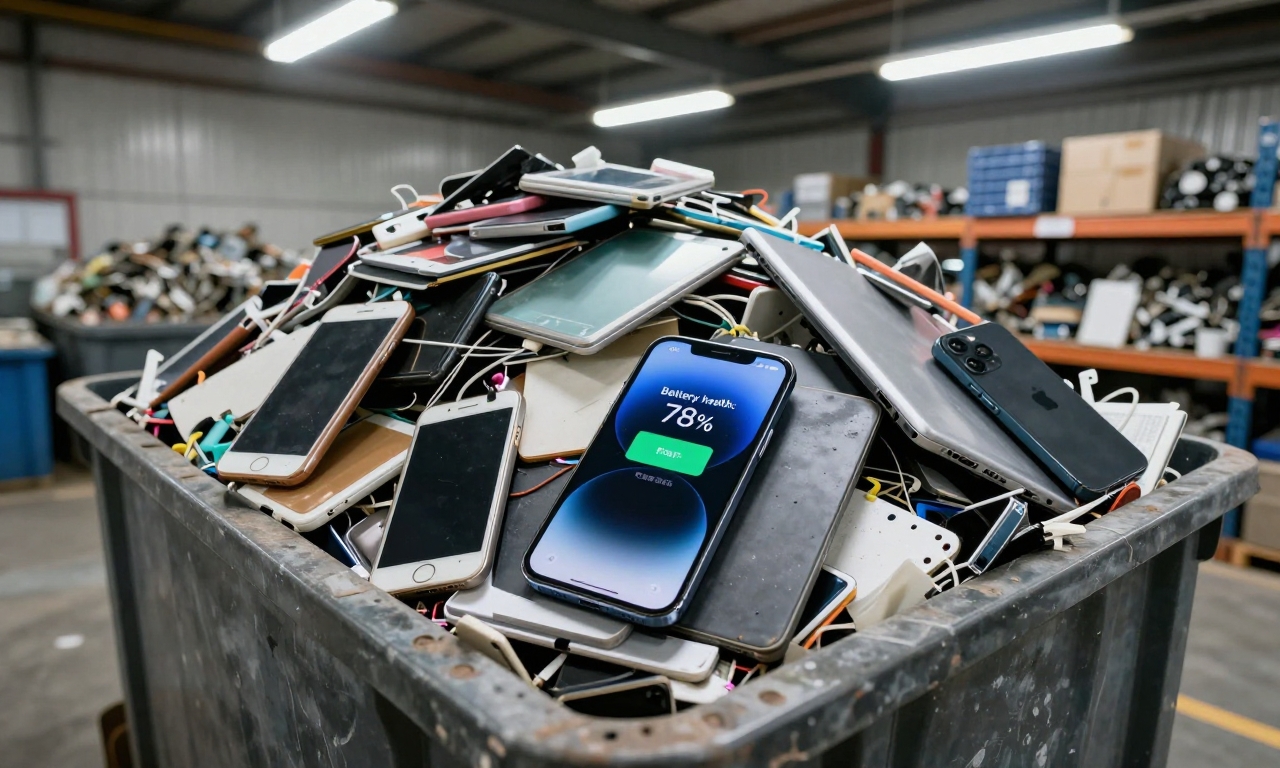
This creates a constant cycle of consumption where devices become expensive paperweights. The environmental impact is staggering: electronic waste is the fastest-growing waste stream globally, with only 17.4% properly recycled according to recent data.
The Solution: Learning from Vintage Engineering
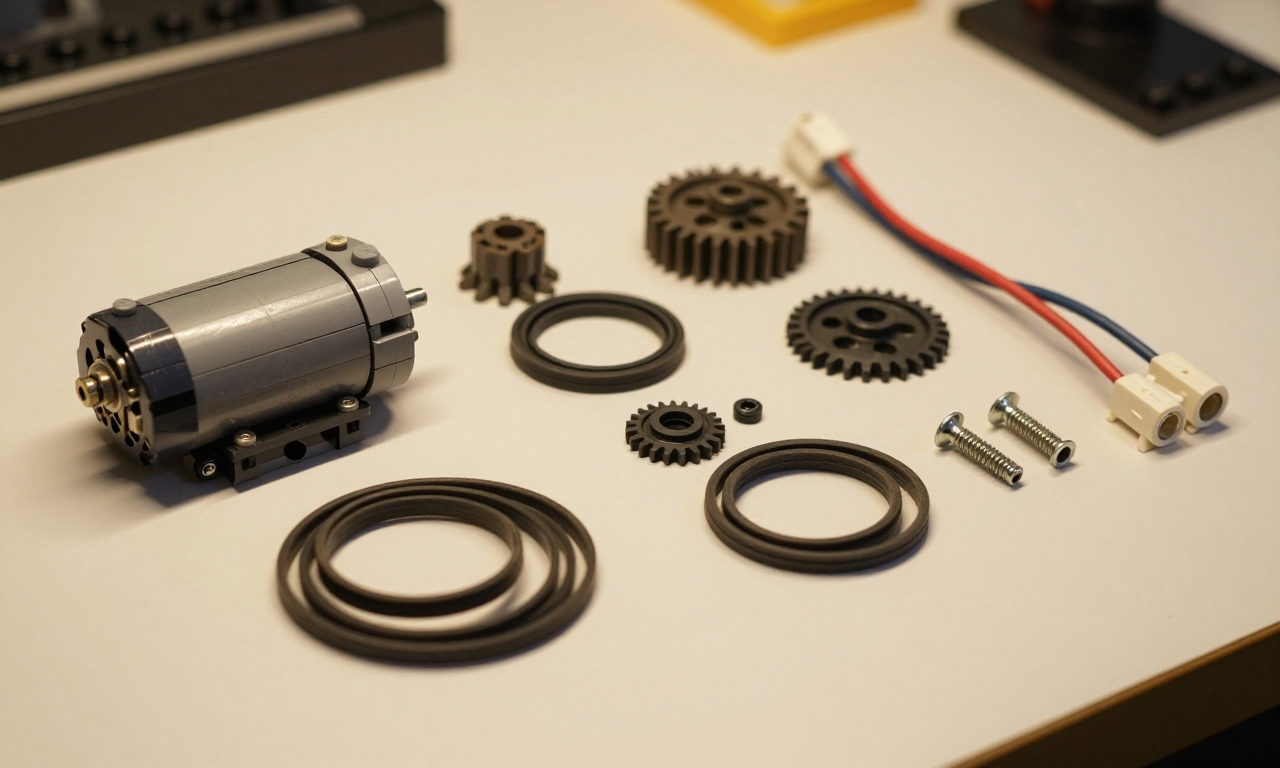
The LEGO Technic 8700 power pack, released in 1982, offers a compelling case study in durable design. This 43-year-old device demonstrates engineering principles that modern tech has largely abandoned.
Simple, Repairable Construction
Unlike today’s sealed smartphones with waterproof ratings achieved through adhesives, the LEGO power pack features:
- Modular components that can be individually replaced
- Standardized connections using basic wires and plugs
- Mechanical parts like gears and motors that don’t require firmware updates
- User-serviceable design with visible screws and accessible internals
This approach contrasts sharply with modern devices where even battery replacement often requires specialized tools and risks damaging the device.
Timeless Functionality
When tested with a 1984 LEGO Technic set, the power pack performed exactly as designed:
- The motor provided consistent torque without overheating
- Rubber bands and gears showed minimal wear despite decades of potential use
- Electrical connections remained secure without corrosion
- The simple on/off switch functioned perfectly without software glitches
This reliability stems from fundamental engineering rather than complex electronics. Where modern gadgets rely on millions of lines of code and delicate sensors, vintage tech uses mechanical principles that don’t degrade with time.
Educational Value: What Modern Tech Can Learn
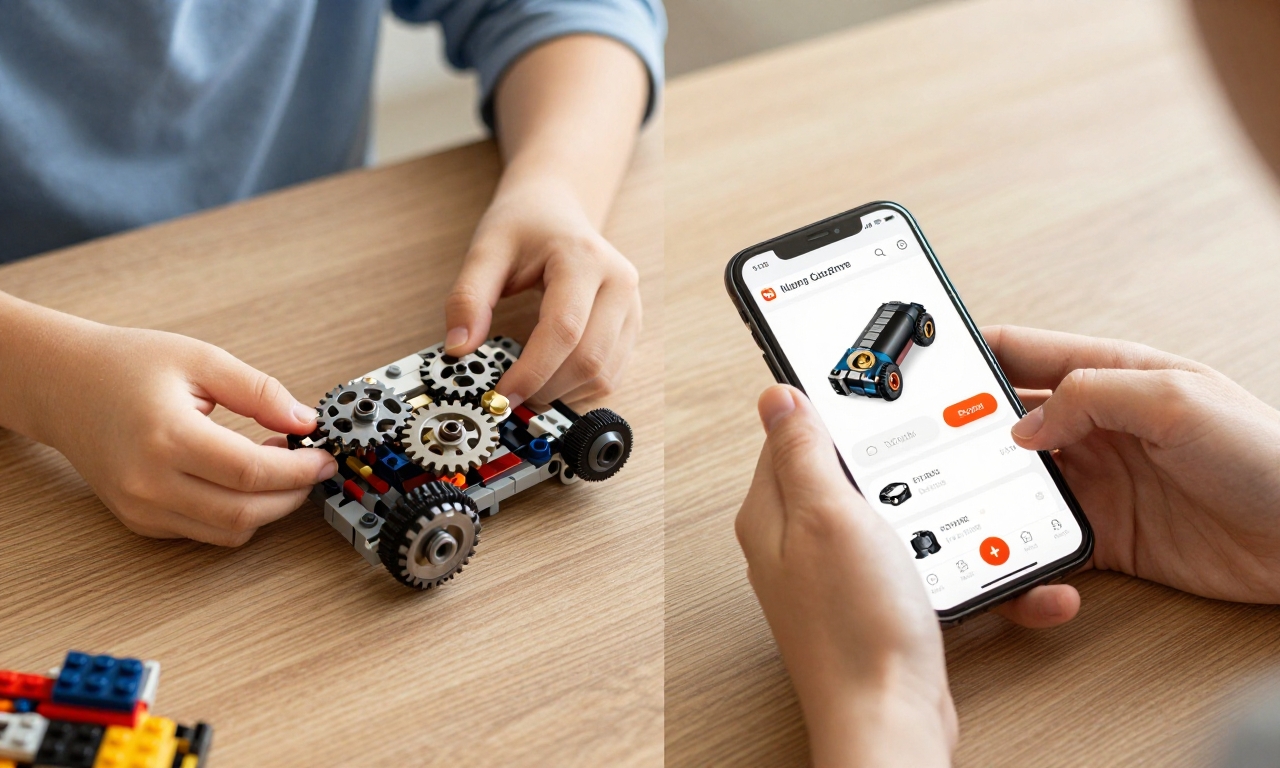
The LEGO Technic system wasn’t just about building models-it was about understanding mechanics. This educational aspect highlights another area where modern tech falls short.
| Aspect | Vintage LEGO Technic | Modern Smartphones |
|---|---|---|
| Repairability | User-serviceable with basic tools | Often requires specialized equipment |
| Educational Value | Teaches mechanical principles | Focuses on consumption, not creation |
| Longevity | 43+ years and still functional | 3-7 year functional lifespan |
| Cost of Ownership | One-time purchase, minimal maintenance | Continuous upgrades and repairs |
“The power pack isn’t just a toy-it’s a time machine that still teaches engineering principles four decades later. Modern tech could benefit from this approach to design.”
Practical Applications for Today’s Tech
Manufacturers could incorporate vintage design principles into modern devices:
- Modular smartphones with replaceable components like cameras and batteries
- Standardized charging moving toward universal USB-C adoption
- Repair documentation and part availability for consumer maintenance
- Software optimization for older hardware rather than planned obsolescence
These changes would extend device lifespans, reduce electronic waste, and lower total cost of ownership for consumers.
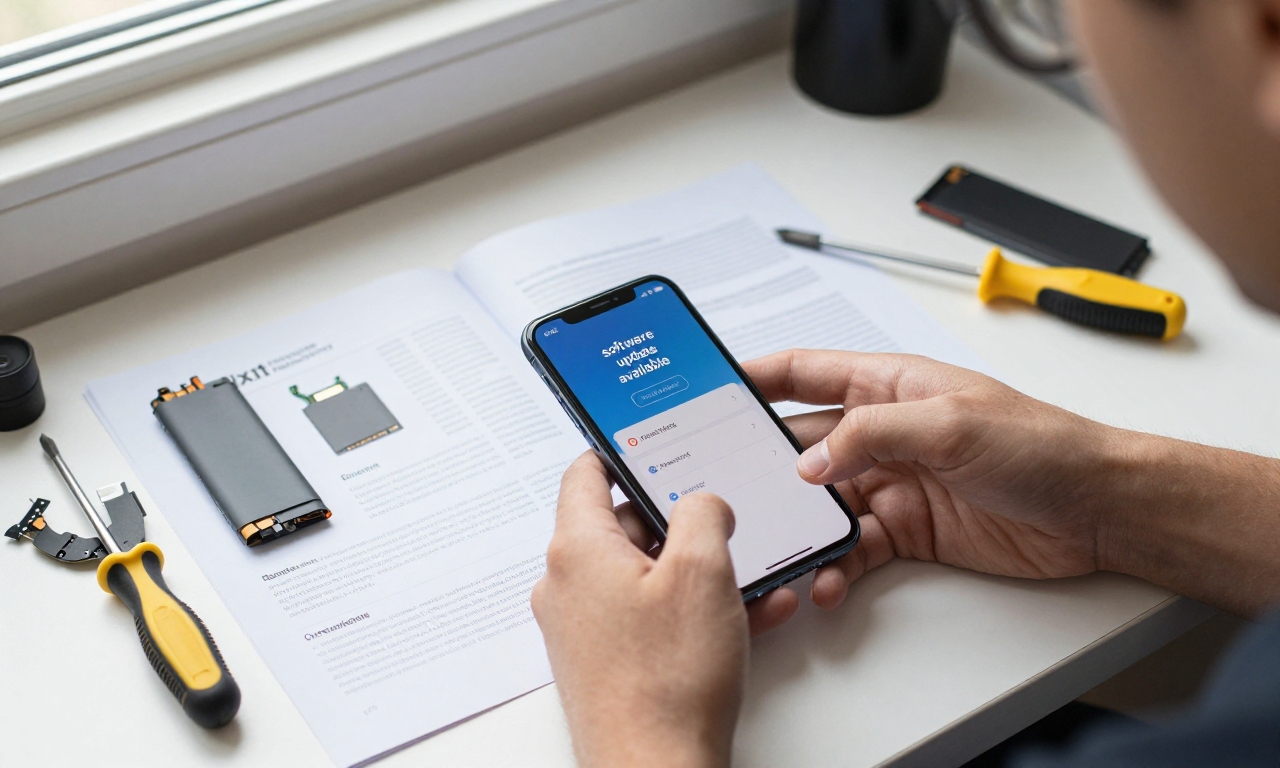
Consumer Implications: Making Smarter Tech Choices
Understanding vintage tech’s durability can inform better purchasing decisions today. When evaluating new gadgets, consider:
- Repairability scores from organizations like iFixit
- Software support commitments from manufacturers
- Modular designs that allow component upgrades
- Standardized connections rather than proprietary systems
- Community repair resources and part availability
By prioritizing durability over marginal performance gains, consumers can break the upgrade cycle. Budget phones with good repairability often provide better long-term value than flagship devices designed for obsolescence.
The Environmental Impact
Extending smartphone lifespans from 2 to 4 years could reduce carbon emissions by approximately 30% per device according to recent studies. Vintage tech demonstrates that longevity is achievable with thoughtful design-we simply need to demand it from modern manufacturers.
Conclusion: Building a More Durable Future
The 43-year-old LEGO Technic power pack serves as more than nostalgia-it’s proof that technology can be both innovative and enduring. While we enjoy the benefits of modern smartphones, wearables, and smart home devices, we must also advocate for designs that prioritize longevity.
Manufacturers should look to vintage engineering for inspiration: simpler systems, standardized components, and user-serviceable designs. Consumers should vote with their wallets, supporting companies that commit to repairability and extended software support.
Ultimately, the most sustainable gadget is one that continues working for decades. By learning from vintage technology, we can build a future where our devices are companions for life, not disposable accessories.