Follow us on Facebook
Breaking updates in your feed — tap to open
In the world of content creation, understanding what truly resonates with an audience has always been more art than science. Filmmakers, advertisers, and app developers have relied on focus groups, surveys, and gut instinct to gauge whether a scene, ad, or user interface hits the mark. But what if you could see the audience’s reaction in real-time, not through their words, but through their biology? This is the promise of Neurocinematics-a groundbreaking field that fuses neuroscience, AI, and biosensing to create a precise, moment-by-moment map of human engagement.
For tech enthusiasts and creators following Future Gadgets, this isn’t just about cinema. The implications stretch into every screen we use: from the OLED displays of our flagship smartphones to the immersive experiences on foldable tablets and the health metrics tracked by our wearables. It represents a shift towards truly human-centered design, powered by data.
- What Is Neurocinematics? The Science of Measuring Story
- From Lab to Living Room: The Tech Behind the Scenes
- The Hardware: Sensors We Already Use
- The Software: AI That Understands Context
- Practical Applications: Beyond the Silver Screen
- For App & UI/UX Developers
- For Mobile Gaming and Content
- For Advertising and Product Demos
- For Education and Training
- The Future: An Empathic AI for Every Creator
What Is Neurocinematics? The Science of Measuring Story
At its core, Neurocinematics is the quantitative study of how our brains and bodies respond to cinematic content. It moves beyond traditional post-viewing questionnaires to capture the immediate, often subconscious, reactions as they happen. The methodology is fascinatingly high-tech.
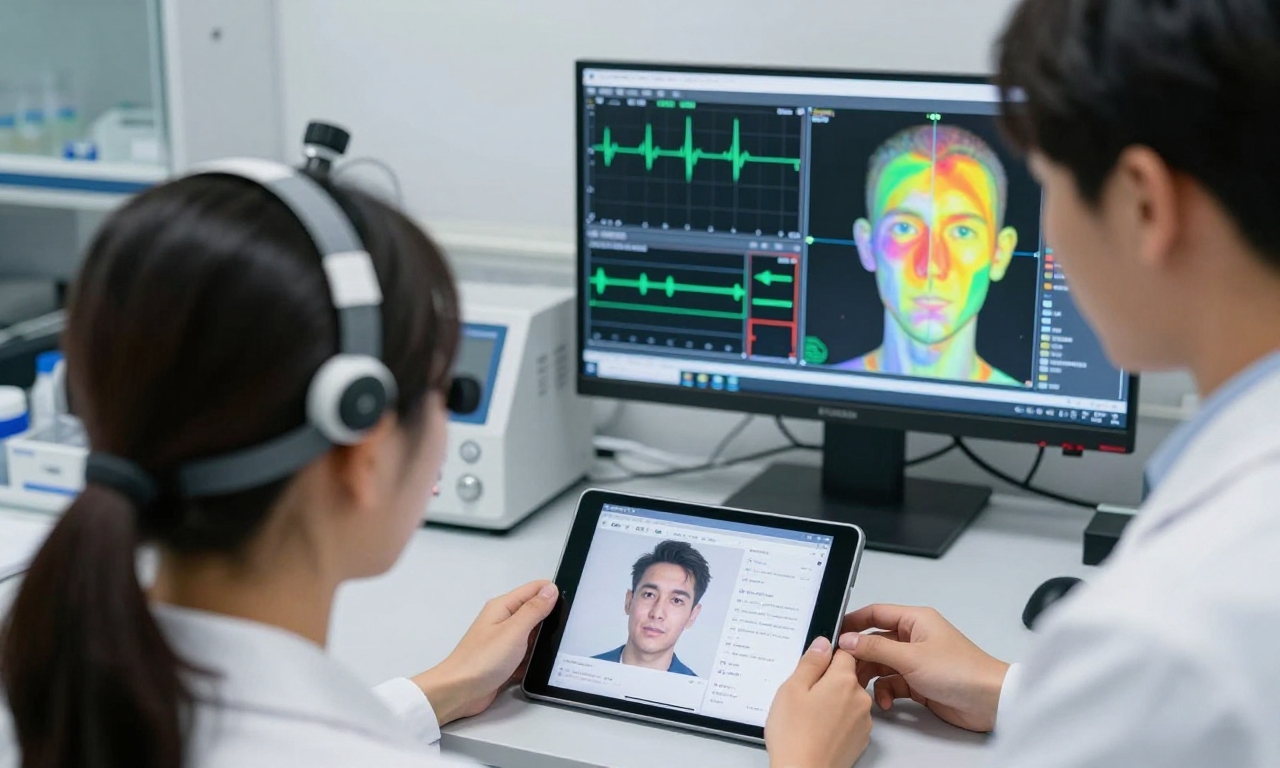
Using unobtrusive biosensors, researchers can track a suite of physiological signals:
- Facial Expression Analysis: Cameras and AI algorithms detect micro-expressions-fleeting smiles, frowns, or looks of confusion-that viewers themselves might not report.
- Eye Tracking: By monitoring where a viewer is looking on a screen (be it a phone’s camera viewfinder or a tablet’s display), creators can understand what captures attention and what is ignored.
- Heart Rate & Variability (HR/HRV): Measured via wearable-like devices, these metrics are strong indicators of arousal, excitement, or stress.
- Electrodermal Activity (EDA): Small changes in skin conductivity, often linked to emotional arousal and cognitive load.
- Electroencephalography (EEG): While more specialized, brainwave data can provide direct insight into cognitive engagement and emotional valence.
The real magic happens when AI steps in. Advanced machine learning models fuse these multimodal signals-the facial data, the heart rate, the eye gaze-with a simultaneous analysis of the content itself. Is it a fast-cut action sequence? A quiet, emotional close-up? A punchline in a comedy? The AI correlates the ‘what’ of the scene with the ‘how’ of the audience’s physiological response.

From Lab to Living Room: The Tech Behind the Scenes
You might wonder how this relates to the smartphones and gadgets we review daily. The biosensing technology driving Neurocinematics is becoming increasingly accessible and miniaturized.
The Hardware: Sensors We Already Use
Many of the required sensors are already in our pockets or on our wrists:
- The front-facing camera on any modern iPhone or Galaxy phone is capable of detailed facial analysis.
- Wearables like the Apple Watch or Garmin devices already track heart rate and HRV with clinical-grade accuracy for fitness.
- Future earbuds like AirPods or Galaxy Buds could incorporate EDA sensors into their ear-tips.
- Even gaming peripherals and VR headsets are integrating eye-tracking for immersion and performance.
The Software: AI That Understands Context
This is where the computational performance of modern devices shines. On-device AI chips, like those in Apple’s A-series or Google’s Tensor, can process these data streams in real-time while respecting user privacy by keeping data local. The AI doesn’t just see a spike in heart rate; it understands that the spike occurred 2.3 seconds after the hero revealed their secret, while the viewer’s eyes were locked on a specific character’s face.
This fusion turns raw biosignals into interpretable, actionable insights. It’s the difference between knowing a scene was ‘engaging’ and knowing that the second joke in a sequence landed 40% harder than the first, as evidenced by synchronized spikes in smile detection and a dip in cognitive load.
Practical Applications: Beyond the Silver Screen
The initial proof-of-concept studies in film are compelling, but the applications for tech creators and consumers are vast.
For App & UI/UX Developers
Imagine A/B testing your app’s onboarding flow not just with completion rates, but with real engagement metrics. Did the new animation cause confusion (a spike in cognitive load and frustrated facial cues)? Did the tutorial video actually hold attention (steady eye-gaze and positive expressions)? This could lead to app interfaces that are intuitively better, reducing frustration and improving productivity.
For Mobile Gaming and Content
Gaming studios could fine-tune difficulty curves and narrative moments based on real player arousal and engagement. Streaming platforms like Netflix or YouTube could use opt-in, anonymized data to understand not just what people watch, but how they feel while watching it, leading to better recommendations and content creation.
For Advertising and Product Demos
Advertisers could move beyond click-through rates to understand the emotional journey of a 15-second spot viewed on a smartphone. Does the product reveal generate genuine interest (leaning forward, focused gaze) or boredom (glancing away, increased blink rate)? This means ads and product videos that are genuinely more engaging and less intrusive.
For Education and Training
Educational apps and corporate training modules could adapt in real-time. If biosignals indicate a learner is confused or disengaged, the content could pause, offer a hint, or switch approach. This personalized pacing could revolutionize mobile learning, especially for students.
| Application Area | Neurocinematics Insight | Tech Connection |
|---|---|---|
| App UI Design | Pinpoints confusing menus or delightful interactions | Uses phone/tablet cameras & processors |
| Mobile Gaming | Optimizes challenge & story beats for max engagement | Leverages device GPUs & haptic feedback |
| Video Advertising | Measures emotional impact of short-form video | Analyzes content on social media apps |
| Fitness Coaching | Pairs workout intensity with user arousal/motivation | Integrates with wearable heart rate sensors |
The Future: An Empathic AI for Every Creator
The ultimate vision is an integrated creative system. A filmmaker, app developer, or marketer has a tool that doesn’t just analyze their content, but understands the human response to it in tandem.
- Pre-Production: Test animated storyboards or script segments with a small, biosensor-equipped group to predict engagement highs and lows before a single frame is shot.
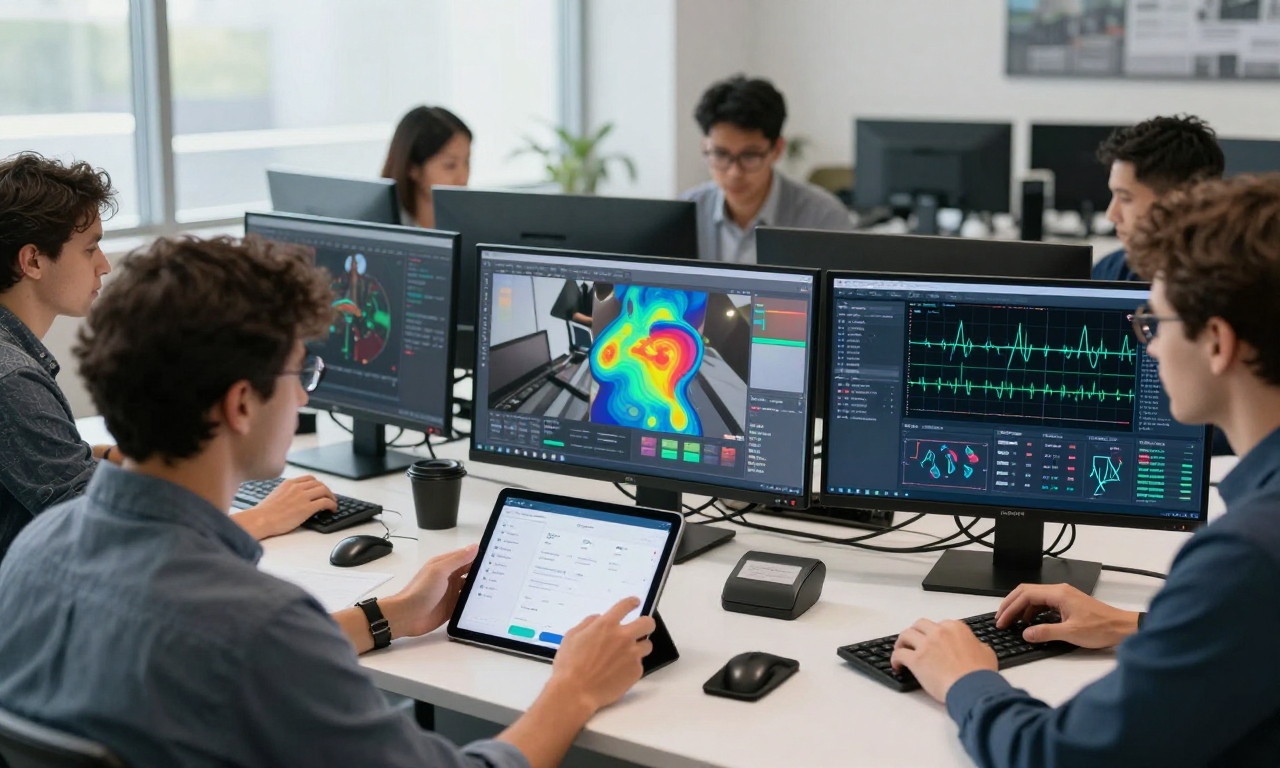
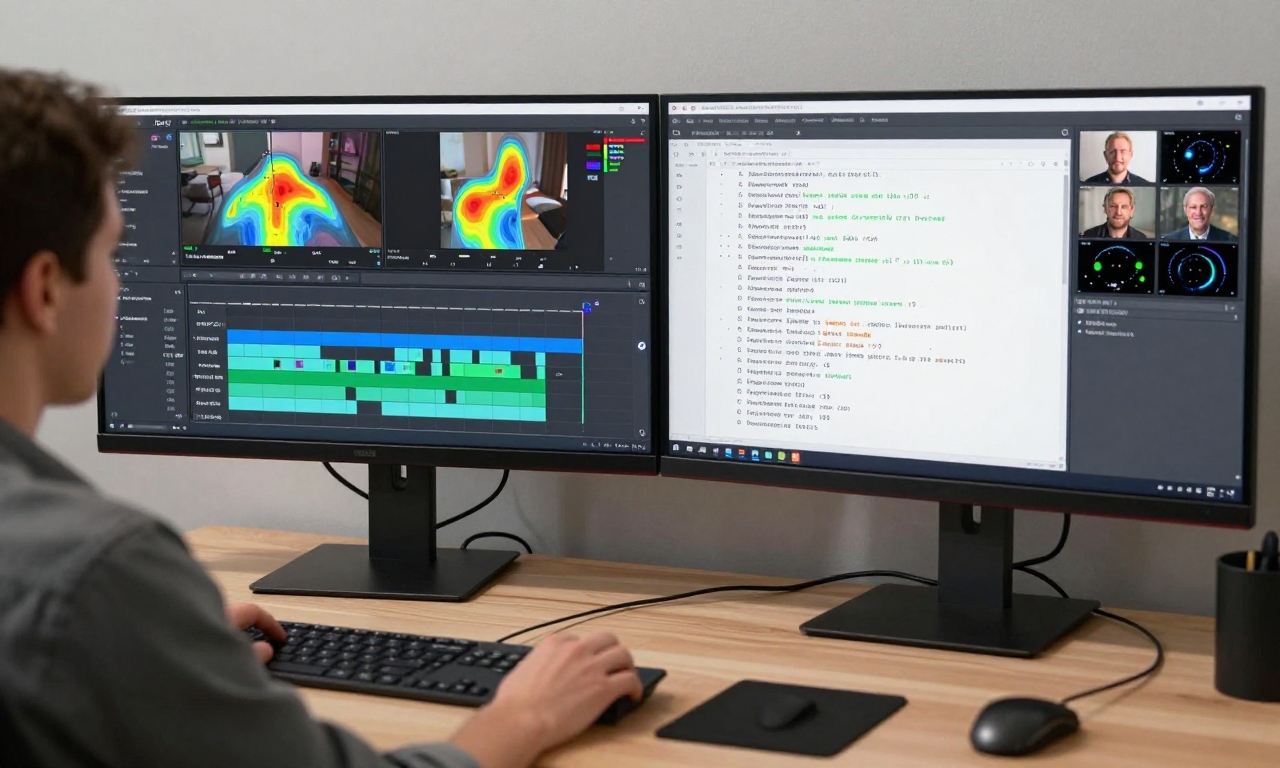
- Production & Post-Production: Use tools that overlay engagement ‘heatmaps’ directly on the editing timeline. Objectively test whether Cut A or Cut B of a smartphone product reveal video creates more sustained attention and positive emotion.
- Distribution & Analysis: For released content, gather opt-in feedback to build richer models. Why did the trailer for the new foldable phone go viral? The data might show it perfectly balanced technical specs (high cognitive engagement) with sleek beauty shots (high aesthetic pleasure).
This technology champions a future where AI assists human creativity by providing a deep, empirical understanding of the audience. It moves us toward a world of data-informed, human-centered design that respects the nuance of real human experience. For the readers of Future Gadgets, it’s a thrilling glimpse at how the sensors and processors in our everyday devices-from the camera in our Pixel to the heart monitor in our Fitbit-could unlock new forms of creativity and connection, ensuring the content on our screens is as sophisticated and engaging as the hardware itself.