Follow us on Facebook
Breaking updates in your feed — tap to open
In today’s polarized tech landscape, discussions about diversity, equity, and inclusion (DEI) often spark controversy and institutional resistance. Yet, there’s a growing movement that’s achieving meaningful progress without the political battles: stealth mode design. This approach quietly embeds justice and inclusion into technology products and processes, ensuring they work effectively for marginalized users while avoiding the backlash that often accompanies traditional DEI initiatives.
At its core, stealth mode design focuses on practical solutions rather than political statements. By shaping products from the inside, reframing conversations around fairness and functionality, and rigorously testing across diverse user groups, this methodology creates technology that simply works better for everyone. From wearables that assist with visual impairments to medical devices that accommodate different hair textures, the results speak for themselves-improved usability, enhanced performance, and broader accessibility without the need for activist framing.
This article explores how stealth mode design operates in practice, examining real-world examples from the smartphone and gadget ecosystems. We’ll look at how this approach benefits not just marginalized communities but all users, creating products with better durability, improved performance, and enhanced security and privacy protections. Whether you’re a tech enthusiast, developer, or simply someone who wants their devices to work better, understanding stealth mode design reveals how inclusive technology can become the new standard.

- What Is Stealth Mode Design?
- Real-World Examples in Wearable Technology
- Fingersight: Navigation Assistance Without Stigma
- Continuous Glucose Monitor Improvements
- Solving Technical Edge Cases with Major Benefits
- Zombie AI: Teaching Bias Without Jargon
- Design Justice as Practical Engineering
- Universal Design as Quality Standard
- Rebranding Equity as Fairness and Functionality
- The Future of Inclusive Technology
- Emerging Applications Across Tech Categories
- Getting Started with Stealth Mode Principles
What Is Stealth Mode Design?
Stealth mode design represents a fundamental shift in how we approach technology creation. Rather than treating inclusion as an add-on or corporate social responsibility initiative, this methodology integrates accessibility and equity directly into product specifications, quality testing, and launch plans from the very beginning. The goal isn’t to shout about equity but to prototype a more just world through better engineering and design.
This approach has several key characteristics that distinguish it from traditional DEI efforts:
- Internal Integration: Instead of external advocacy, designers and engineers work from within organizations to shape products and processes
- Practical Framing: Conversations focus on fairness, accountability, and transparency rather than political terminology
- Comprehensive Testing: Products undergo rigorous evaluation across diverse bodies, contexts, and use cases
- Measurable Outcomes: Success is defined by auditable results like universal design compliance and inclusive testing metrics
By operating in this “stealth” manner, the movement preserves progress even when institutional support wavers. The underlying philosophy remains consistent: when technology works better for marginalized users, it works better for everyone. This creates a powerful business case that transcends political cycles and corporate resistance.
Real-World Examples in Wearable Technology
The power of stealth mode design becomes clearest when examining specific products that have successfully implemented these principles. These examples demonstrate how inclusive design can be ordinary, affordable, and remarkably effective-often solving problems that mainstream users didn’t even know existed.
Fingersight: Navigation Assistance Without Stigma
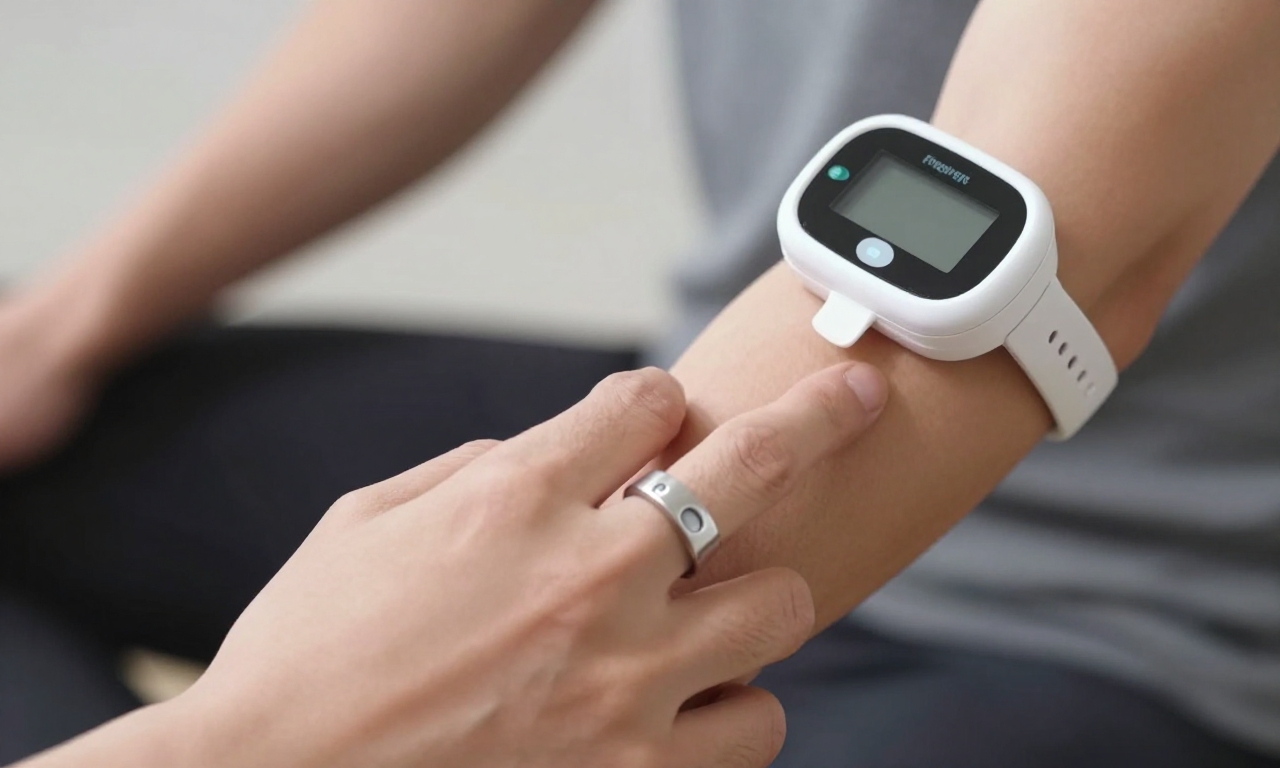
One compelling example is Fingersight, a lightweight finger-worn device designed to assist with near-range navigation for people with visual impairments. Unlike bulky, obvious assistive devices, Fingersight resembles a stylish wearable ring or smartwatch accessory. It provides subtle haptic feedback and audio cues to help users identify objects, navigate spaces, and interact with their environment more effectively.
What makes Fingersight a stealth mode success story?
- Discreet Design: The device looks like fashionable tech rather than medical equipment
- Universal Benefits: Features like object detection and spatial awareness could benefit all users in low-light conditions
- Mainstream Integration: It connects seamlessly with iOS and Android devices via Bluetooth
- Affordable Production: Using existing smartphone components keeps costs manageable
By framing Fingersight as a navigation enhancement tool rather than exclusively as assistive technology, the designers have created a product that appeals to a broad market while serving a critical need.
Continuous Glucose Monitor Improvements
Another area where stealth mode design is making significant impact is in medical wearables, particularly continuous glucose monitors (CGMs). Traditional CGMs present several challenges for diverse users:
| Problem | Stealth Solution | Benefit for All Users |
|---|---|---|
| Devices can be knocked off during activity | Improved adhesive formulations and placement options | Better durability during exercise and daily wear |
| Loud alerts wake older users at night | Customizable vibration patterns and volume controls | Personalized notification preferences |
| Costly device substitutions for skin reactions | Hypoallergenic materials and reusable components | Reduced waste and long-term cost savings |
These improvements, driven by attention to edge cases and diverse user needs, result in CGMs that work better for everyone. The Fitbit and Garmin ecosystems have begun integrating similar principles into their health tracking features, demonstrating how medical device innovations can influence mainstream wearables.
Solving Technical Edge Cases with Major Benefits
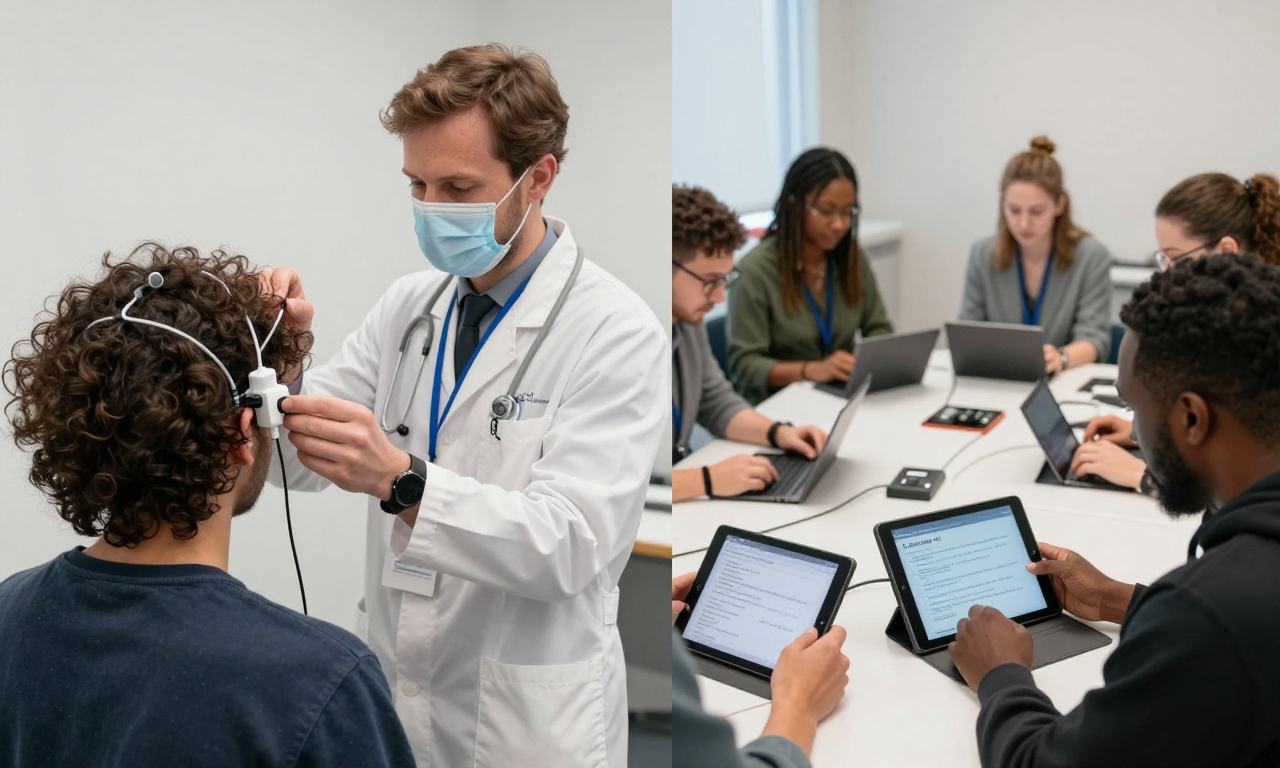
Sometimes, the most significant technological advances come from solving problems that affect relatively small user groups. The Sevo EEG adapter provides a perfect example of how addressing specific edge cases can yield major clinical and user benefits for everyone.
Traditional electroencephalogram (EEG) devices have long struggled to obtain clear signals from people with coarse, curly, or thick hair. This isn’t just a minor inconvenience-it can lead to misdiagnoses, ineffective treatments, and exclusion from neurological research. The Sevo adapter solves this problem with a simple yet ingenious design that improves electrode contact through specialized materials and placement techniques.
The implications extend far beyond the original user group:
- Improved Signal Quality: Clearer readings benefit all patients, leading to more accurate diagnoses
- Research Inclusion: More diverse participant pools in clinical studies produce more reliable results
- Technology Transfer: The same principles are now being applied to headphones and earbuds for better fit and noise-cancelling performance
- Cost Reduction: Fewer failed tests and repeated procedures lower healthcare costs overall
This example demonstrates a core principle of stealth mode design: when you solve problems for the most challenging cases, you often create solutions that work better for everyone. The same thinking is now being applied to smartphone displays (improving visibility in bright sunlight), camera systems (better portrait-mode detection of diverse hair textures), and audio devices (more effective noise-cancelling across different ear shapes).
Zombie AI: Teaching Bias Without Jargon
Stealth mode design extends beyond physical products to educational methods and development processes. “Zombie AI” represents an innovative approach to teaching about bias in machine learning without triggering corporate resistance or defensive reactions.
Instead of framing discussions around sensitive social issues, Zombie AI uses neutral scenarios-like training algorithms to identify zombies versus humans-to illustrate how bias enters systems. This approach allows teams to:
- Recognize pattern recognition failures in a low-stakes context
- Understand how training data limitations affect outcomes
- Develop mitigation strategies that can be applied to real-world applications
- Build consensus around the importance of diverse testing data
The results have been remarkable. Teams that previously resisted DEI training enthusiastically engage with Zombie AI exercises, then naturally apply the lessons to their work on smartphone camera algorithms, voice recognition systems, and content recommendation engines. By separating the technical lesson from the political context, this stealth education method achieves what years of traditional training often cannot.
Design Justice as Practical Engineering
At its heart, stealth mode design represents design justice translated into practical engineering principles. This framework centers the experiences and needs of marginalized communities while seeking measurable, auditable outcomes that benefit all users. The approach manifests in several key practices that are transforming how technology companies develop products.
Universal Design as Quality Standard
Rather than treating accessibility as a compliance checklist, stealth mode design integrates universal design principles as core quality standards. This means:
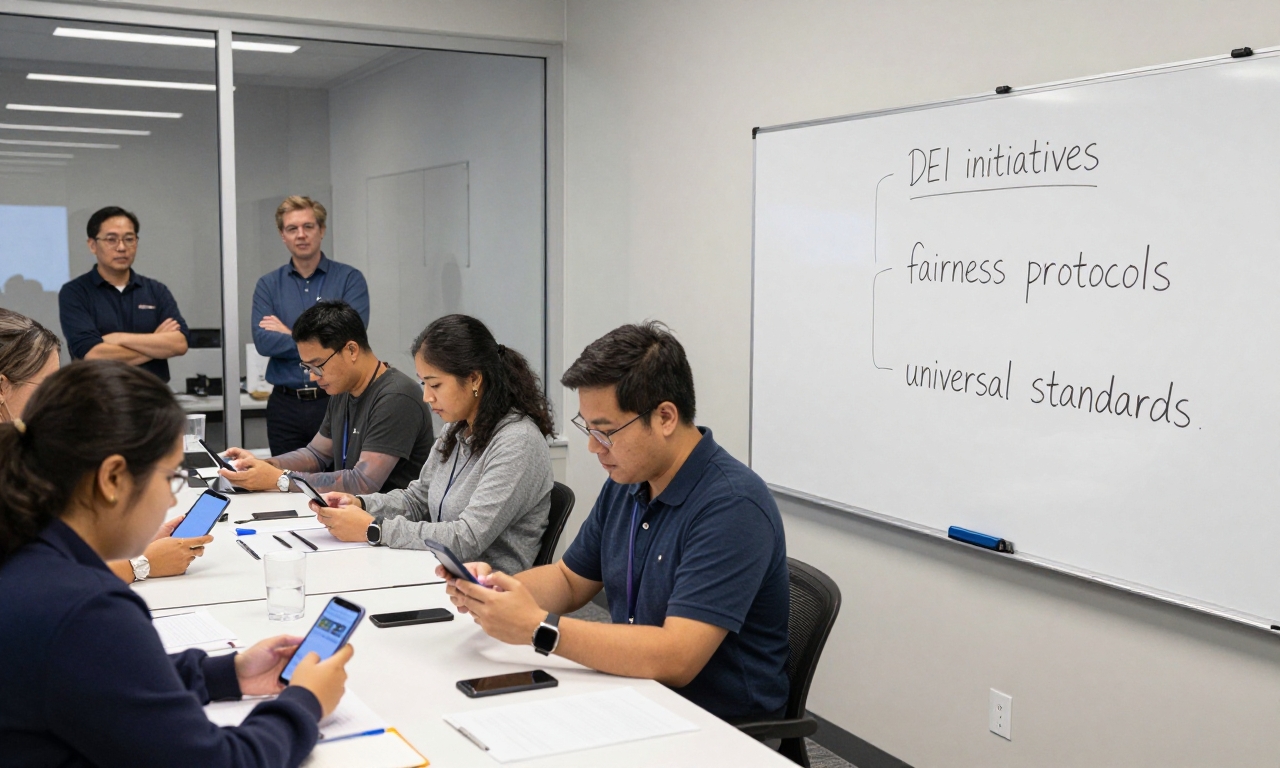
- Inclusive Testing Protocols: Products undergo evaluation with diverse user groups throughout development
- Transparent Accountability: Design decisions and their impacts are documented and reviewable
- Iterative Improvement: User feedback from edge cases drives continuous refinement
- Cross-Functional Integration: Inclusion considerations span hardware, software, and user experience teams
Companies like Apple have begun implementing these principles in their iPhone and iPad development processes, resulting in features like VoiceOver, Switch Control, and Sound Recognition that benefit users with and without disabilities. Similarly, Samsung‘s Galaxy devices incorporate accessibility features that have improved the overall user experience, such as customizable display settings that reduce eye strain for all users.
Rebranding Equity as Fairness and Functionality
One of the most effective strategies in stealth mode design is linguistic reframing. By discussing equity in terms of fairness, accountability, and transparency, designers and engineers can preserve progress even during anti-DEI backlash. This isn’t about abandoning principles but about communicating them in ways that resonate across political and organizational divides.
Consider how this reframing works in practice:
| Traditional DEI Language | Stealth Mode Reframing | Practical Application |
|---|---|---|
| Diversity requirements | Comprehensive testing protocols | Testing smartphones with different hand sizes and grip styles |
| Equity initiatives | Fairness in feature access | Ensuring all Android users receive security updates regardless of device age |
| Inclusion metrics | Universal usability standards | Designing wearables that work for various skin tones and body types |
This linguistic shift has proven particularly effective in preserving funding for inclusive design projects during budget cuts or political pressure. By demonstrating how these principles improve performance, security, and user satisfaction, stealth mode designers build sustainable support for their work.
The Future of Inclusive Technology
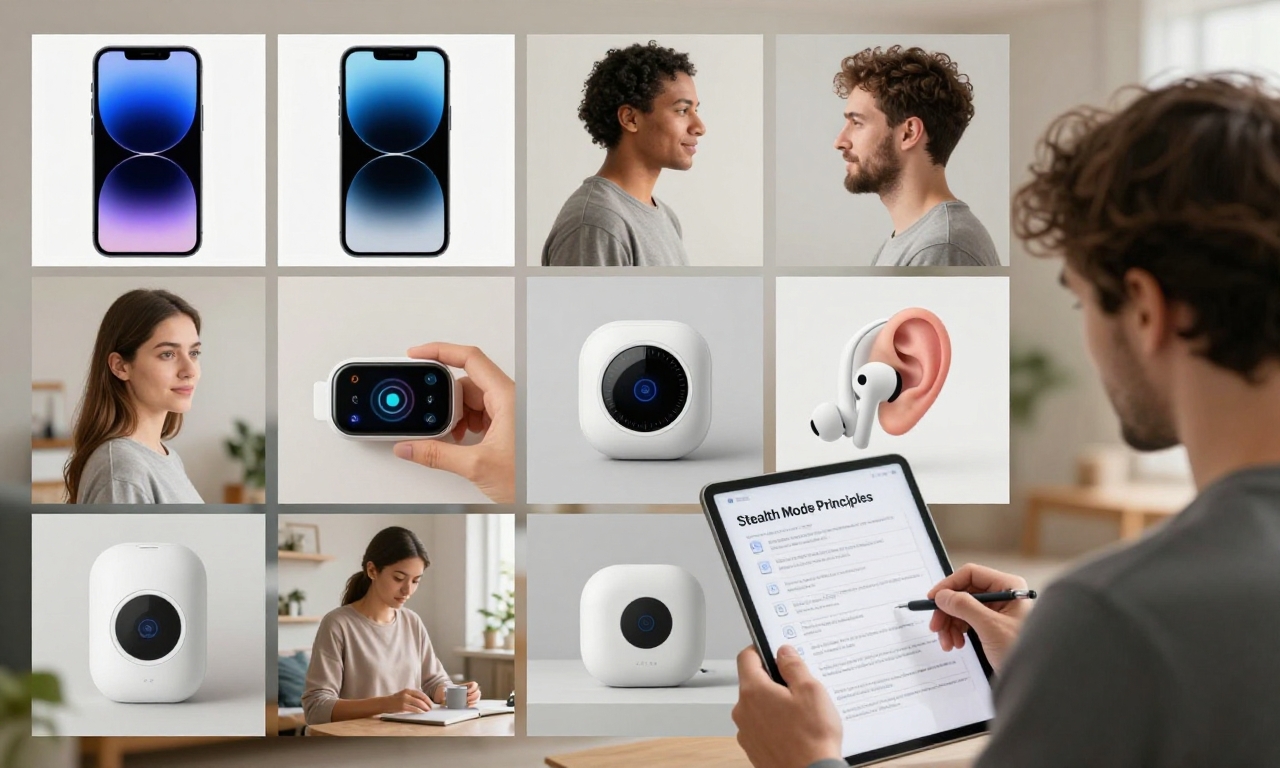
As stealth mode design principles gain traction, they’re reshaping entire technology categories. From smartphones to smart home devices, the integration of inclusive thinking is creating products that work better for everyone while advancing social justice quietly and effectively.
Emerging Applications Across Tech Categories
The influence of stealth mode design is visible across multiple technology sectors:
- Smartphones: Improved camera algorithms that better recognize diverse faces, display technologies that work in various lighting conditions, and battery-life optimizations that consider different usage patterns
- Wearables: Devices that accommodate various body types, health tracking that accounts for physiological differences, and interfaces that work for users with varying levels of tech literacy
- Audio Devices: Earbuds and headphones that fit different ear shapes, audio processing that enhances clarity for users with hearing variations, and controls that work for people with limited dexterity
- Smart Home: Sensors that work in diverse living environments, interfaces that accommodate different cognitive styles, and automation that adapts to various household routines
These applications demonstrate how stealth mode design is becoming embedded in mainstream technology development. As the methodology spreads, it creates a virtuous cycle: products designed with inclusion in mind perform better, sell better, and inspire further innovation.
Getting Started with Stealth Mode Principles
For developers, designers, and tech enthusiasts interested in applying stealth mode principles, several practical steps can help integrate this thinking into your work:
- Start with Edge Cases: Identify the most challenging users or scenarios for your product and design solutions for them first
- Reframe Conversations: Discuss improvements in terms of functionality, fairness, and quality rather than political terminology
- Build Diverse Testing Groups: Include users with different abilities, backgrounds, and use cases in your testing protocols
- Document Decisions Transparently: Create clear records of design choices and their impacts on different user groups
- Measure What Matters: Track universal usability metrics alongside traditional performance indicators
By taking these steps, you can contribute to a technological ecosystem that works better for everyone while advancing inclusion quietly and effectively. The result isn’t just better products-it’s a more just technological future, built one thoughtful design decision at a time.
Stealth mode design proves that the most effective social change often happens quietly, through better engineering rather than louder advocacy. By focusing on practical solutions, measurable outcomes, and universal benefits, this approach is creating technology that serves all users more effectively-even when institutions falter or political winds shift. As these principles continue to spread, they offer a promising path toward a more inclusive technological future that benefits everyone.