Follow us on Facebook
Breaking updates in your feed — tap to open
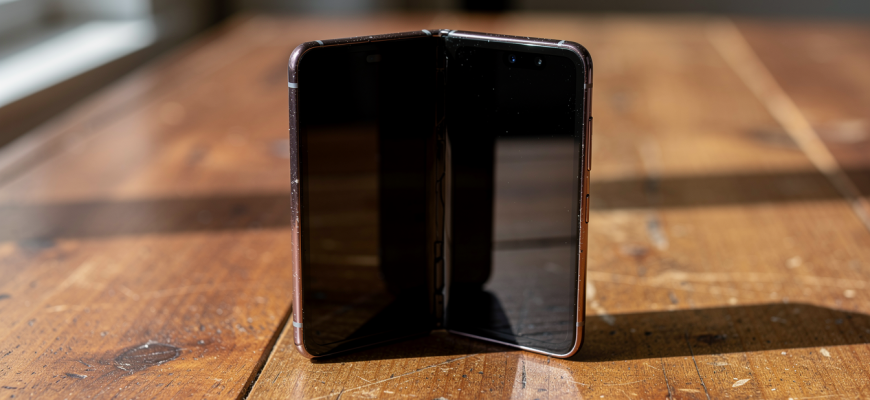
Two years back, the Galaxy Z Fold 5 and Pixel Fold hit the scene. They promised folding screens that were finally ready for everyday life. Now it’s May 2026. We’ve been watching a group of early buyers to see how these phones hold up. The results? A mix of relief and a bit of worry. If you’re thinking about getting a foldable, this long-term foldable durability analysis cuts through the hype. It’s not just about surviving drops-it’s about the daily grind of pocket lint, repeated unfolding, and time itself.
Screen creasing: the visible scar
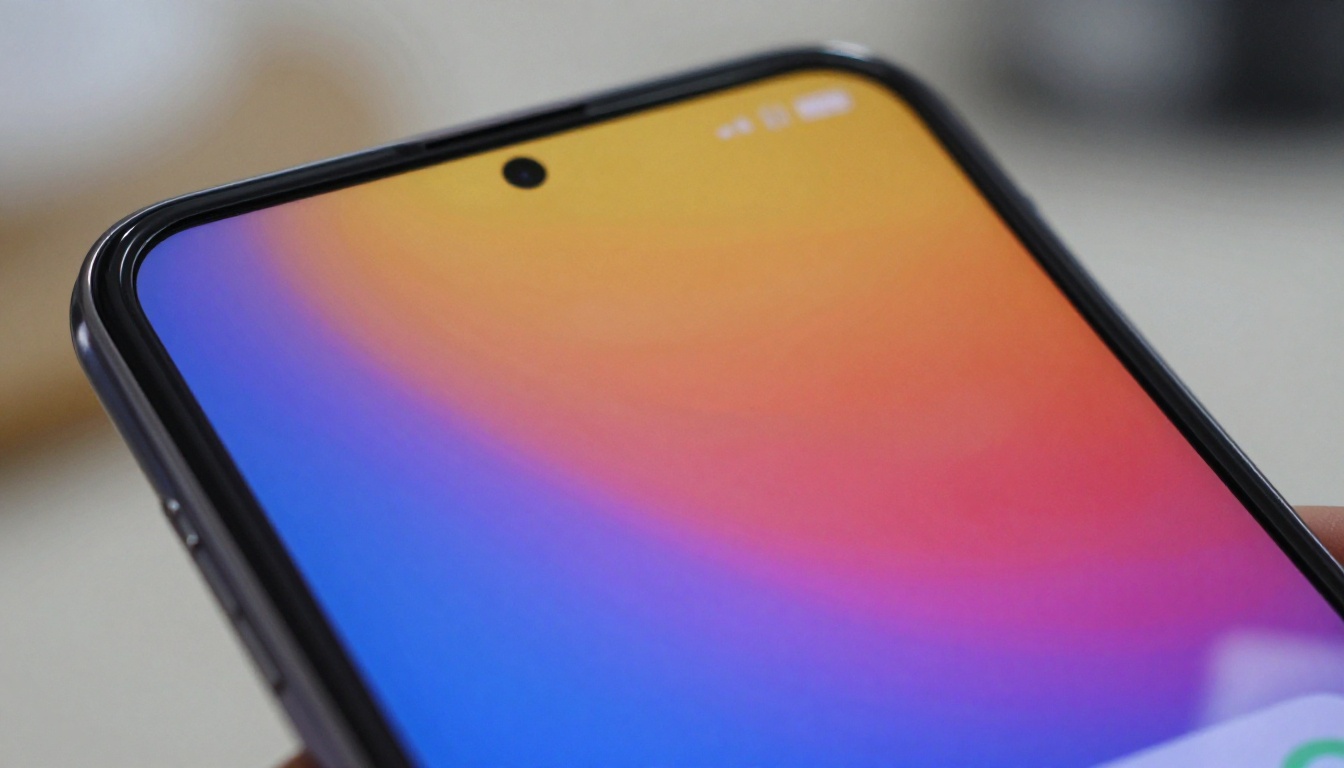
Every foldable gets a crease. The question is how deep it goes. After 600+ days, the Galaxy Z Fold 5’s crease is more pronounced than the Pixel Fold’s. But neither is invisible. Users say the crease feels deeper to the touch on the Samsung. Yet it rarely distorts content head-on. Off-angle viewing, though, can catch light along the fold line. The Pixel Fold’s hinge design seems to spread the bend over a wider area. That makes the crease shallower but longer. Both screens still work fine. Some owners notice a slight ripple when pressing firmly. It’s a cosmetic compromise, not a functional failure-yet. Kinda annoying, honestly.
Hinge wear and dust ingress
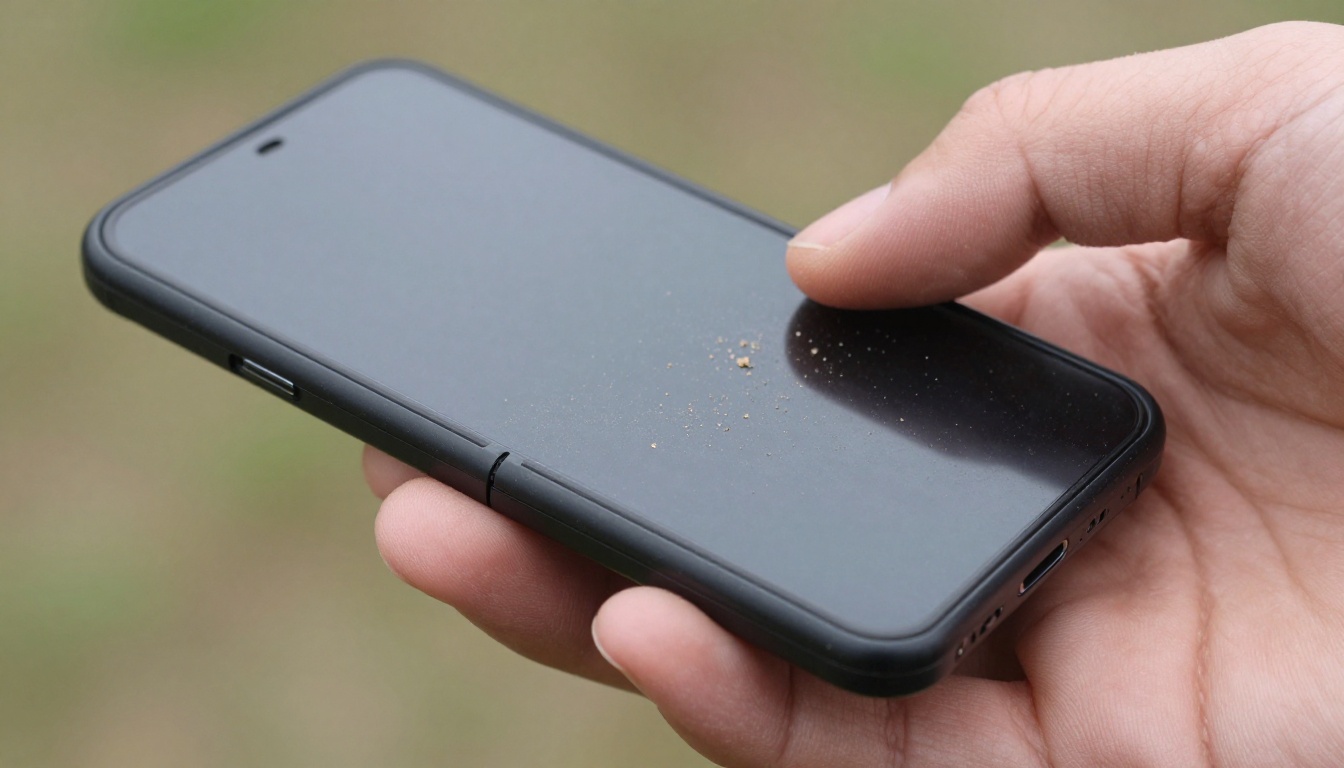
Hinges are the mechanical heart of any foldable. The Z Fold 5’s hinge has loosened noticeably for many users. It lost that satisfying snap. It still holds positions, but the motion feels less precise. Dust ingress is the real villain here. Despite improved brushes, particles sneak in. One user described a gritty sensation after a beach trip. The Pixel Fold’s hinge remains tighter. But it’s not immune-fine sand caused a faint grinding noise in one case.
“After 18 months, my Z Fold 5 hinge felt like a well-worn paperback spine-functional, but far from new,” said a long-term tester.
Neither phone is truly dust-proof. That’s a critical weakness for longevity. I’m not sure any foldable is, really.
Battery and performance degradation
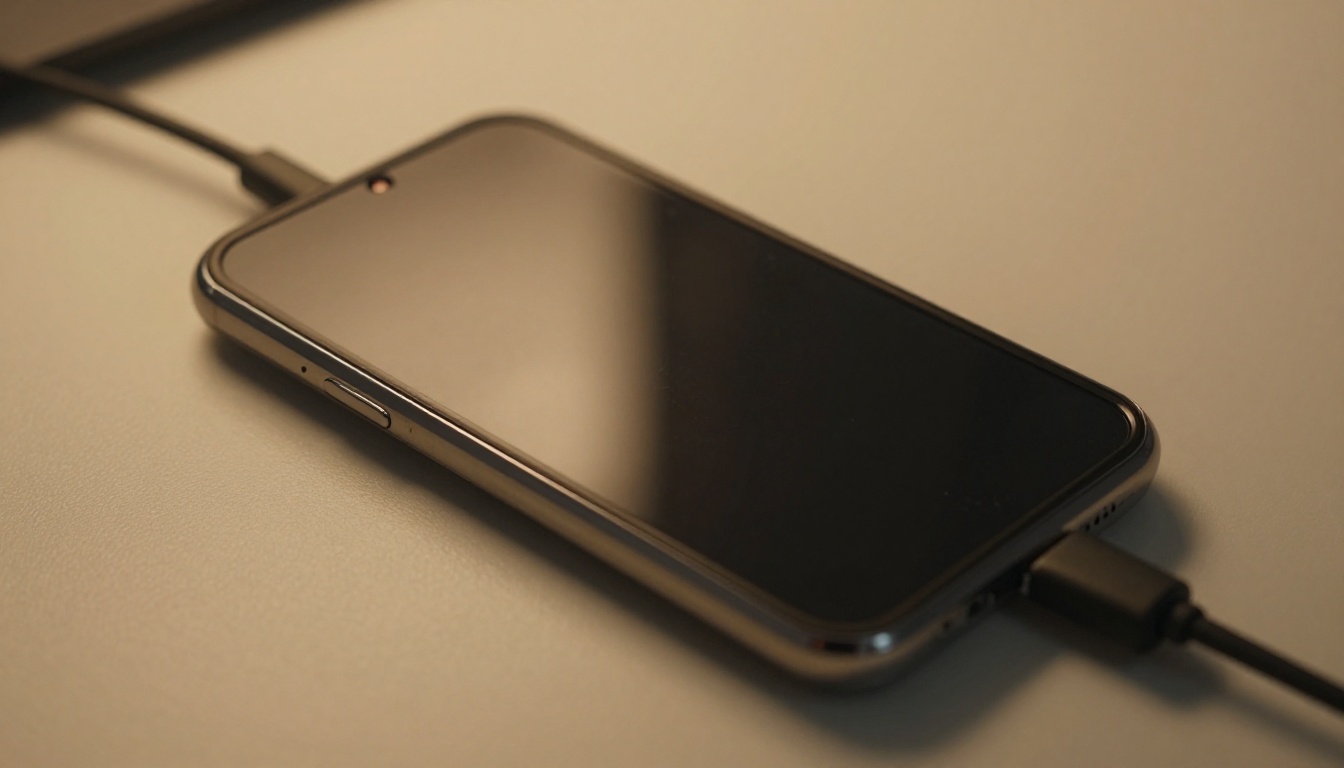
Foldables pack big screens and dual batteries. So aging hits different. Battery life on both models has dipped around 15-20% after two years. That’s typical for lithium-ion cells. The Z Fold 5’s larger cover screen encourages lighter use. It preserves the main display’s health. Performance remains snappy thanks to flagship chips. But thermal throttling is more common now during gaming or video calls. The Pixel Fold runs cooler. It shows occasional stutters in split-screen multitasking. Neither phone feels obsolete. But the slow creep of degradation is real. Fast charging still works. Some users report the Z Fold 5 gets warmer during wireless charging than it did at launch. Meh.
Are foldables ready for the mainstream?
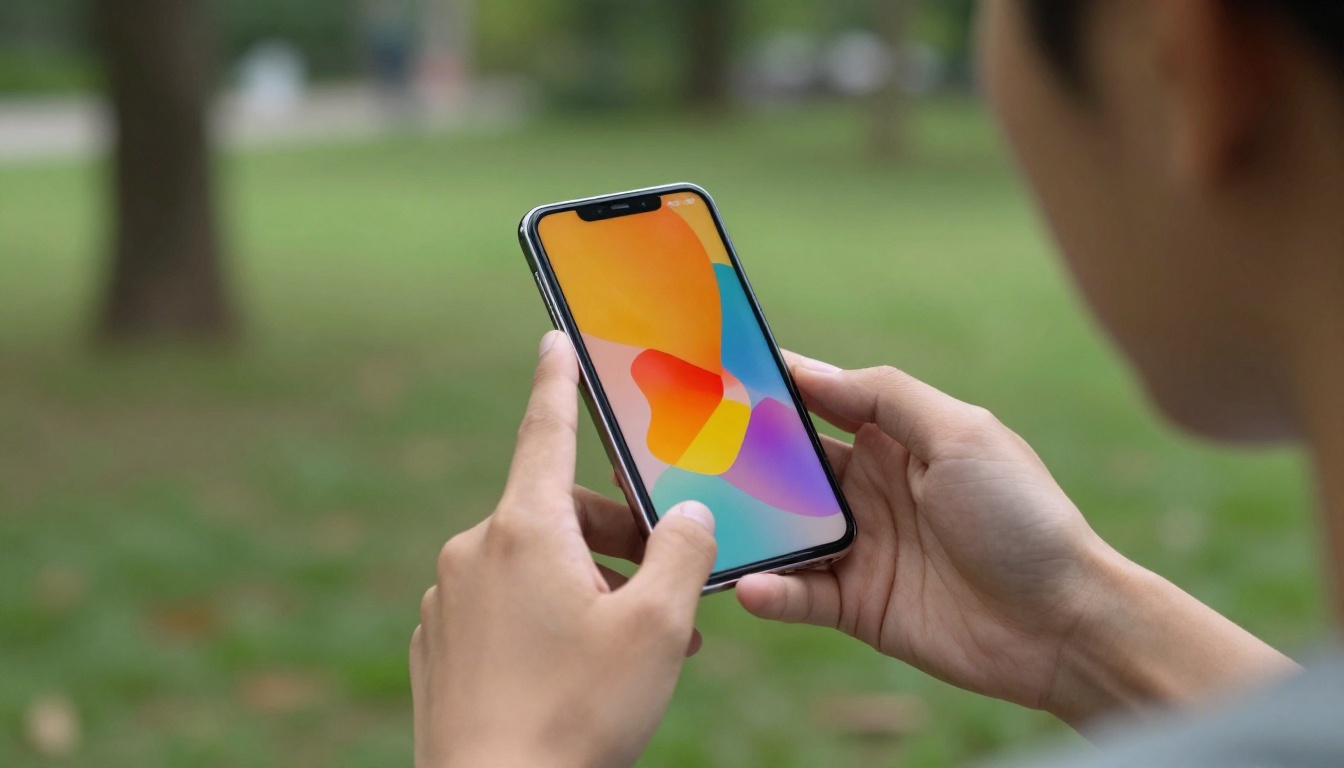
After two years, the answer is a conditional yes. The Galaxy Z Fold 5 and Pixel Fold have proven they can survive daily use without catastrophic failure. But durability remains a trade-off. Creases deepen, hinges loosen, and dust remains a silent threat. For careful users who don’t work in gritty environments, a foldable can be a reliable companion. For everyone else, a traditional flagship might still be the safer bet. The next generation must tackle dust resistance and hinge longevity head-on. Until then, foldables are an exciting-but not yet bulletproof-choice. Honestly, it’s a bit of a gamble.