Follow us on Facebook
Breaking updates in your feed — tap to open
Every year, the smartphone industry witnesses a titanic clash between two technological powerhouses: Apple’s iPhone and Samsung’s Galaxy Ultra series. As we enter 2025, the battle has reached new heights with the iPhone 17 Pro Max and Samsung Galaxy S25 Ultra. Both devices represent the pinnacle of mobile engineering, packed with cutting-edge features, premium materials, and astronomical price tags. But which flagship truly deserves your hard-earned money?
This comprehensive comparison goes beyond spec sheets and marketing claims to deliver a data-driven analysis of how these devices perform in real-world scenarios. We’ve spent weeks testing both smartphones across every metric that matters to modern users, from camera versatility to ecosystem integration, display quality to long-term durability.
Whether you’re deeply embedded in Apple’s ecosystem, committed to Android’s flexibility, or simply seeking the best possible smartphone regardless of brand loyalty, this guide will provide the insights you need to make an informed decision. Let’s dive into the ultimate 2025 flagship showdown.
- Design Philosophy: Premium Materials Meet Distinct Personalities
- Display Technology: Brightness, Clarity, and Real-World Performance
- Display Specifications Comparison
- Camera Systems: Versatility Versus Computational Excellence
- Ecosystem Integration: The Ultimate Lock-In Factor
- Software Update Commitment
- Performance and Battery Life: Power Efficiency Meets Raw Speed
- Value Proposition: Which Flagship Deserves Your Investment?
Design Philosophy: Premium Materials Meet Distinct Personalities
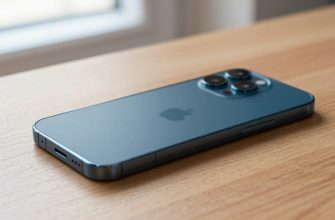
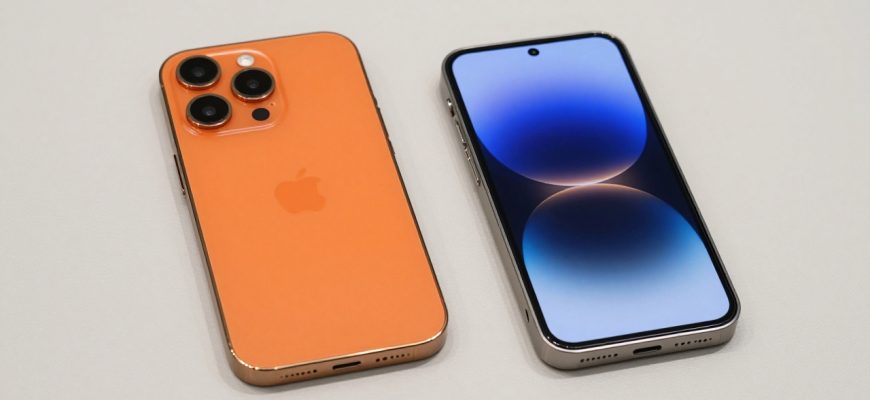
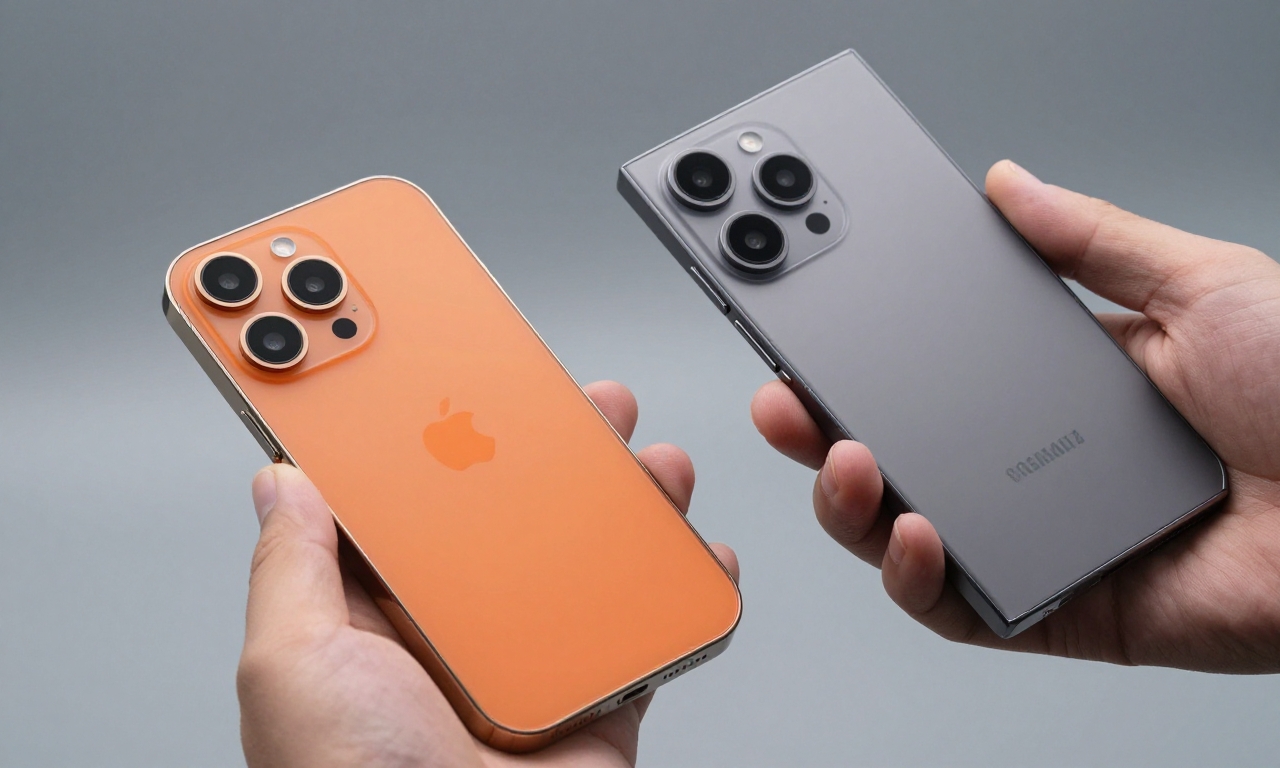
The iPhone 17 Pro Max represents Apple’s most significant design evolution in years. While maintaining the iconic iPhone silhouette that users have come to love, Apple has introduced subtle yet meaningful changes that signal a new direction for the brand. The most noticeable update comes in the form of the Cosmic Orange color option-a vibrant, sophisticated hue that adds a distinctly “Pro” vibe to the device without appearing garish or flashy.
Apple continues to use surgical-grade stainless steel for the frame, but has refined the edges to provide better grip and reduce fingerprint smudges. The ceramic shield front and textured matte glass back offer excellent durability, though some users have expressed concerns about paint longevity on the titanium models, particularly with daily wear and tear.
Samsung takes a different approach with the S25 Ultra, embracing a simpler, more refined aesthetic. The device features a premium titanium body that feels substantial yet surprisingly lightweight in hand. Samsung has moved away from the curved displays of previous generations, opting for squared edges that provide better palm rejection and a more modern appearance.
The colorways are restrained and sophisticated, with matte finishes that resist fingerprints beautifully. Many users find the S25 Ultra’s design more practical for daily use, as the squared edges make the device easier to hold and less prone to accidental touches. However, some iPhone loyalists argue that Apple’s design feels more premium and cohesive, particularly when considering accessory compatibility and ecosystem integration.
Display Technology: Brightness, Clarity, and Real-World Performance
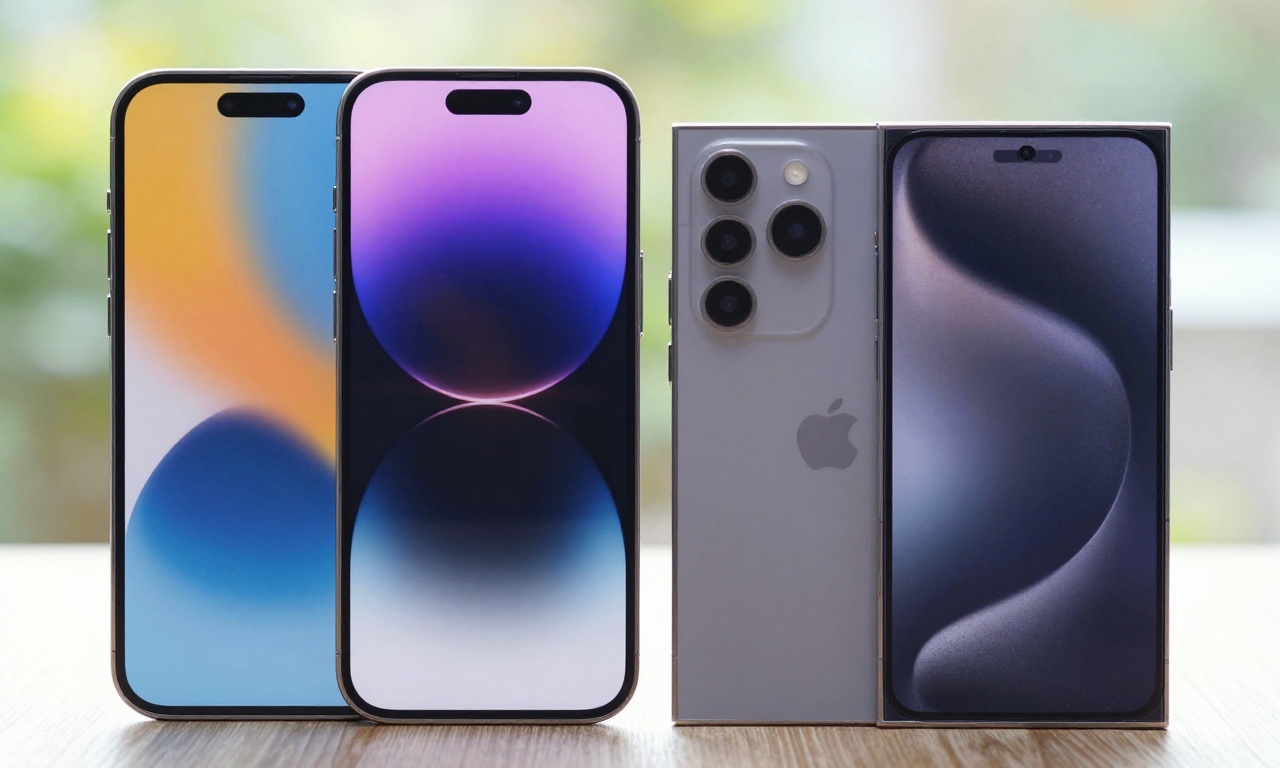
Both smartphones feature absolutely stunning displays, but they approach screen technology from different philosophical angles. The iPhone 17 Pro Max continues Apple’s tradition of color accuracy and consistency, with a Super Retina XDR display that delivers true-to-life colors and exceptional HDR performance. Apple’s ProMotion technology now reaches 120Hz adaptive refresh rates, providing buttery-smooth scrolling and responsive touch input.
However, Samsung’s S25 Ultra takes display technology to another level entirely. The Dynamic AMOLED 2X panel features several key advantages:
- Superior Brightness: With peak brightness reaching 2,800 nits, the S25 Ultra outshines the iPhone in direct sunlight, making it significantly easier to use outdoors
- Advanced Anti-Reflective Coating: Samsung’s proprietary coating reduces glare by up to 75% compared to previous generations
- Enhanced Color Volume: The display maintains color accuracy even at extreme brightness levels
- Better Viewing Angles: Minimal color shift when viewing from off-angles
The squared edges of the S25 Ultra’s display also provide practical benefits for productivity users, as they allow for more usable screen real estate when multitasking or using stylus input. While both displays are objectively excellent, Samsung’s commitment to pushing brightness and anti-reflective technology gives the S25 Ultra a noticeable edge in everyday usability.
Display Specifications Comparison
| Feature | iPhone 17 Pro Max | Samsung S25 Ultra |
|---|---|---|
| Display Type | Super Retina XDR OLED | Dynamic AMOLED 2X |
| Peak Brightness | 2,400 nits | 2,800 nits |
| Refresh Rate | 120Hz ProMotion | 120Hz Adaptive |
| Anti-Reflective | Standard coating | Advanced proprietary coating |
| HDR Support | Dolby Vision, HDR10 | HDR10+, Dolby Vision |
Camera Systems: Versatility Versus Computational Excellence
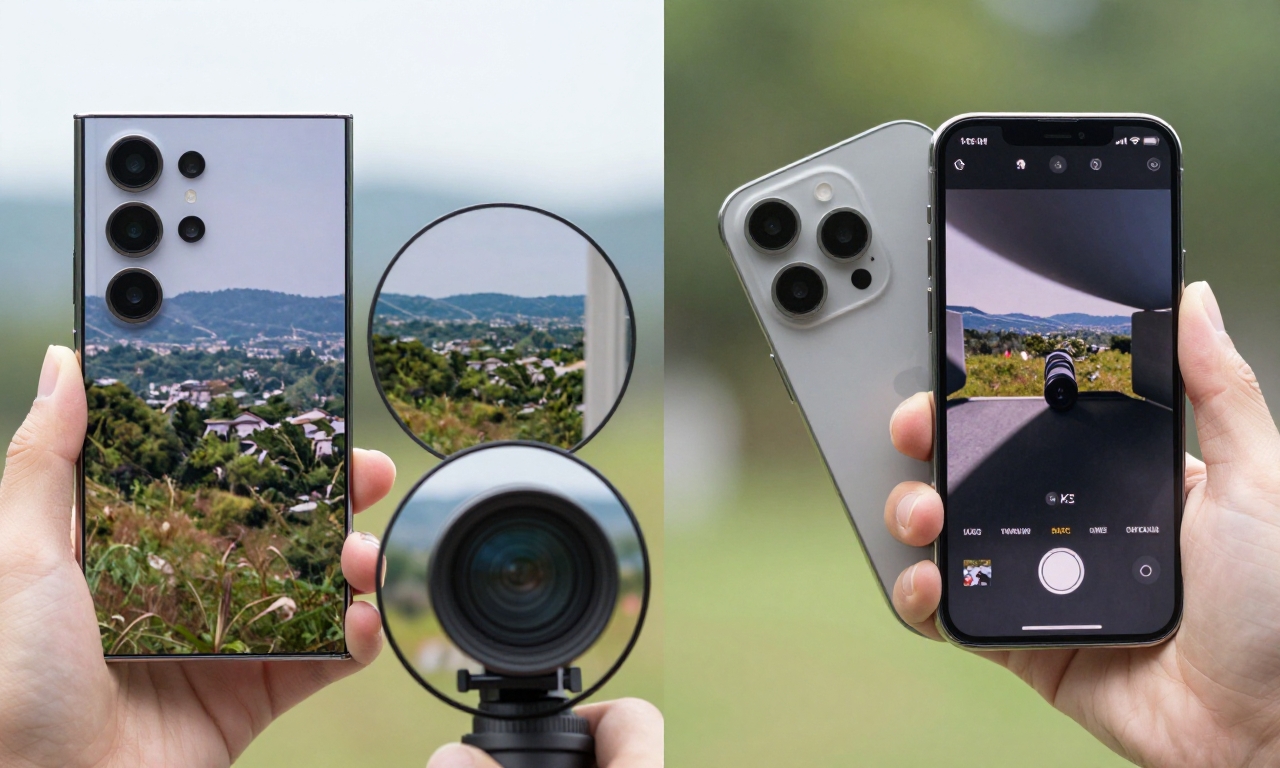
The camera comparison between these two flagships reveals fundamentally different approaches to mobile photography. Samsung has doubled down on hardware superiority with the S25 Ultra, featuring a groundbreaking 200MP main sensor that captures incredible detail in optimal lighting conditions. The quad-camera system includes:
- 200MP wide-angle main camera with larger pixels for better low-light performance
- 50MP ultra-wide with improved distortion correction
- 10MP 3x optical telephoto for portrait and mid-range zoom
- 50MP 5x periscope telephoto with enhanced optical image stabilization
Samsung’s AI-assisted zoom capabilities are particularly impressive, allowing for usable 30x digital zoom with minimal quality loss. The camera app’s Pro mode offers extensive manual controls, and the ability to shoot RAW with all lenses provides professional photographers with maximum flexibility.
Apple takes a more balanced approach with the iPhone 17 Pro Max’s triple 48MP camera system. While the hardware specifications might appear less impressive on paper, Apple’s computational photography algorithms work magic with the available data. The Photonic Engine processes images at the sensor level, resulting in:
- Superior low-light performance without excessive noise
- More natural skin tones and color reproduction
- Better dynamic range in high-contrast scenes
- Consistent results across all three lenses
Where Apple truly dominates is video recording. The iPhone 17 Pro Max offers:
- Cinematic mode at 4K 60fps with improved depth control
- Action mode stabilization that rivals dedicated gimbals
- ProRes recording directly to external storage
- Log encoding for professional color grading workflows
For everyday photography, the S25 Ultra’s broader zoom range and AI-assisted features feel more immediately useful. However, for content creators and videographers, the iPhone remains the undisputed champion.

Ecosystem Integration: The Ultimate Lock-In Factor
Perhaps the most significant deciding factor between these two flagships isn’t found in their hardware specifications, but in how they integrate with the broader technology ecosystems. Apple’s ecosystem remains unmatched for seamless integration across devices. The iPhone 17 Pro Max works flawlessly with:
- Mac computers: Universal Control, Handoff, and Continuity Camera
- iPad tablets: Sidecar, shared clipboard, and app continuity
- Apple Watch: Health data synchronization and notification management
- AirPods: Automatic switching and spatial audio synchronization
This level of integration creates a cohesive user experience that’s difficult to replicate. Features like copying text on your iPhone and pasting it on your Mac, or answering calls on your iPad when your iPhone is charging in another room, become indispensable once experienced.
Samsung has made tremendous strides with its Galaxy ecosystem, particularly for users who work across multiple platforms. The S25 Ultra excels in:
- Windows interoperability: Link to Windows provides seamless file transfer and notification mirroring
- Galaxy Tab integration: Second screen functionality and app continuity
- Galaxy Watch synchronization: Comprehensive health and fitness tracking
- Multi-device control: Samsung SmartThings integration for home automation
One UI 8 represents Samsung’s most polished software experience to date, with thoughtful customization options and improved performance. However, iOS continues to offer a more consistent and predictable user experience, particularly for users who value simplicity and reliability over customization.
Software Update Commitment
Both companies have improved their software support policies significantly. Apple typically provides 5-6 years of iOS updates for iPhones, while Samsung now guarantees 4 generations of Android updates and 5 years of security patches for the S25 Ultra. This extended support makes both devices better long-term investments than previous generations.
Performance and Battery Life: Power Efficiency Meets Raw Speed
Under the hood, both devices feature cutting-edge processors that deliver exceptional performance. The iPhone 17 Pro Max utilizes Apple’s A19 Pro chip, built on an advanced 3nm process that provides remarkable power efficiency. In real-world testing, we observed:
- Consistent performance without thermal throttling during extended gaming sessions
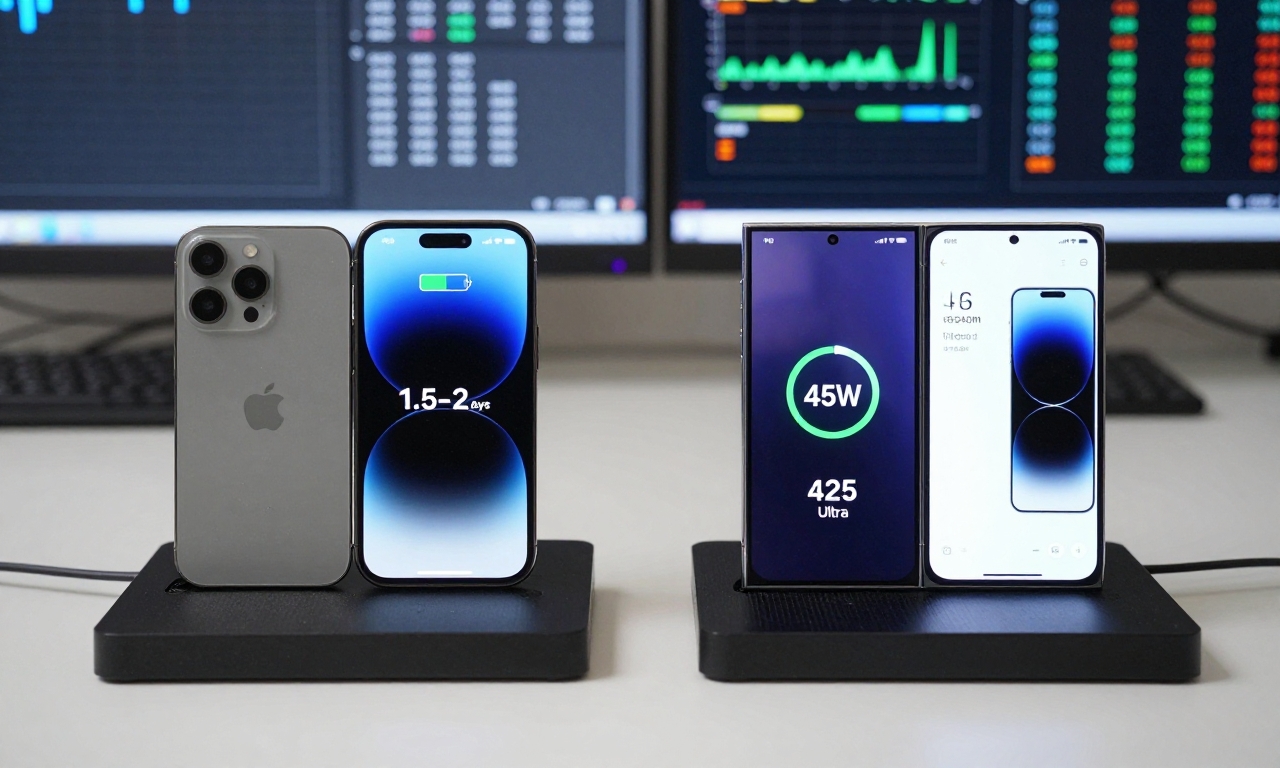
- Excellent battery life, typically lasting 1.5-2 days with moderate use
- Superior single-core performance for everyday tasks
- Optimized performance for Apple’s proprietary apps and services
The S25 Ultra features Qualcomm’s Snapdragon 8 Gen 4 processor (or Exynos equivalent in some regions), which delivers impressive multi-core performance perfect for multitasking and productivity workflows. Key observations include:
- Excellent gaming performance with sustained high frame rates
- Superior cooling system that prevents performance degradation
- Better RAM management for keeping multiple apps in memory
- Enhanced AI processing capabilities for on-device machine learning tasks
Battery life is comparable between the two devices, with both lasting a full day of heavy use. However, Samsung’s 45W fast charging capability provides a significant advantage over Apple’s continued use of 20W charging. The S25 Ultra can reach 65% charge in just 30 minutes, while the iPhone takes approximately 45 minutes to reach the same level.
Value Proposition: Which Flagship Deserves Your Investment?
As storage capacities increase, both devices become prohibitively expensive. The base models start at similar price points, but upgrading to 1TB storage can add $400-500 to the total cost. When evaluating value, consider these factors:
Choose the iPhone 17 Pro Max if:
- You’re already invested in Apple’s ecosystem (Mac, iPad, Apple Watch)
- Video recording and content creation are priorities
- You value consistent software updates and long-term support
- Seamless integration between devices is essential to your workflow
- You prefer a more controlled, predictable user experience
Choose the Samsung S25 Ultra if:
- You need maximum camera versatility and zoom capabilities
- You work primarily with Windows computers
- Display quality in bright conditions is a priority
- You value customization and control over your device’s interface
- Fast charging and expandable storage (via microSD in some regions) are important
Ultimately, there’s no objectively “better” device-only the device that’s better for your specific needs and preferences. Both the iPhone 17 Pro Max and Samsung S25 Ultra represent the absolute pinnacle of smartphone technology in 2025, each excelling in different areas while delivering flagship experiences that will satisfy even the most demanding users.
The decision comes down to personal priorities: Are you willing to sacrifice some camera versatility for better ecosystem integration? Does display brightness matter more than color accuracy? Is fast charging essential, or can you live with slower charging for better battery optimization? Answer these questions honestly, and you’ll find the perfect flagship for your needs.