Follow us on Facebook
Breaking updates in your feed — tap to open
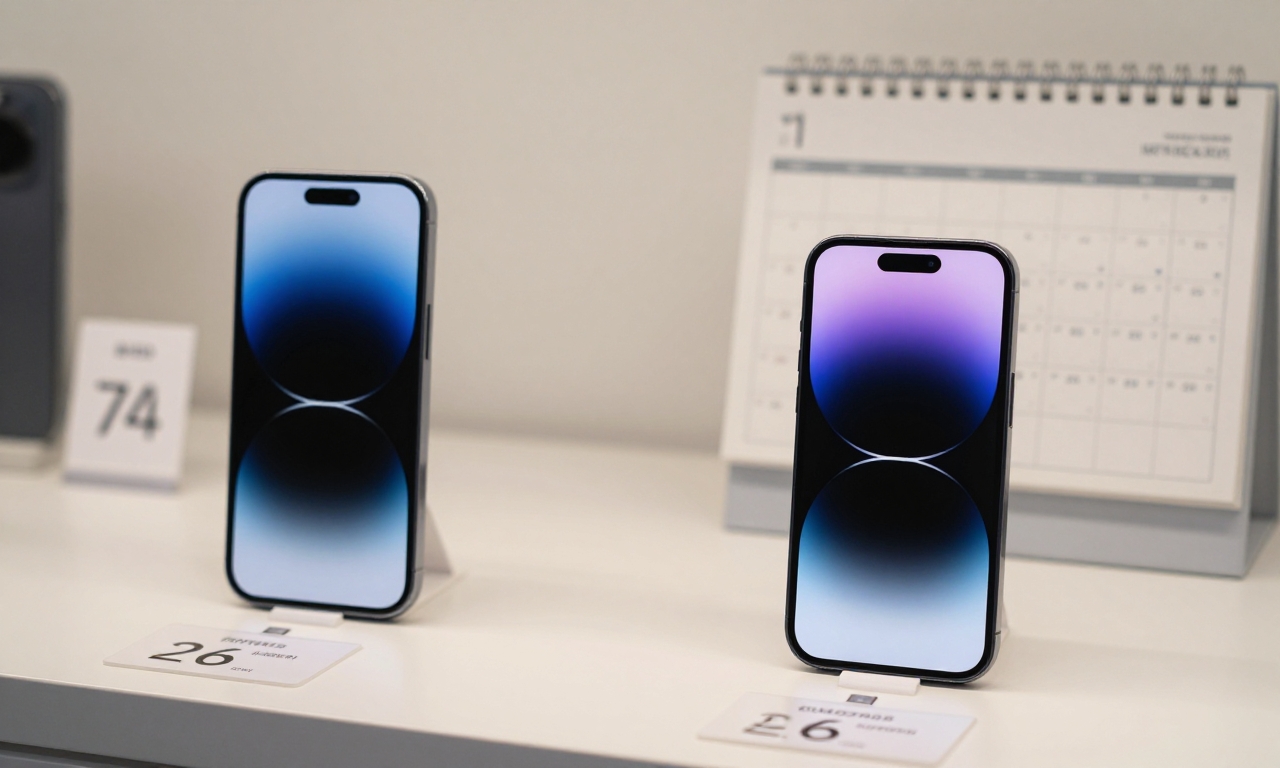
Choosing between Samsung and Apple ecosystems, lots of the consumers think about short-term expenses, but the financial outcomes can be seen on the long-term basis within the years of ownership. This comparison compares the long term value of each platform, over a 3-5 year timeframe, looking at hardware upgrade cycles, compatibility of accessories, subscriptions, and trade in value. Learning these factors enables users to make better decisions depending on their real usage and budgetary constraints and not only brand loyalty.
- First-Time Investment and Upgrade Times
- Accessory Compatibility
- Subscribing Services and Cloud Storage
- Trade-In Values and Resale potential
- Performance and Maintenance
- Storage Decisions
- Ecosystem Integration and Switching Costs
- Gaming and Productivity Applications
- Mobile Photography and Camera Systems
- Conclusion
First-Time Investment and Upgrade Times
The Apple ecosystem is generally more expensive to invest in and the flagship iPhone models may be priced higher. Nevertheless, Apple gadgets can frequently get updates to software on a five-year or longer timeframe, prolonging their lifespan. Android-based Galaxy devices made by Samsung have a broader range of pricing, with low-end products and high-end foldables, but the software sustenance has historically been shorter; recent indications of prolonged updates are transforming this situation. Upgrade cycle becomes extremely critical in the context of long-term, wherein frequent upgrade would raise the total ownership costs.
Accessory Compatibility
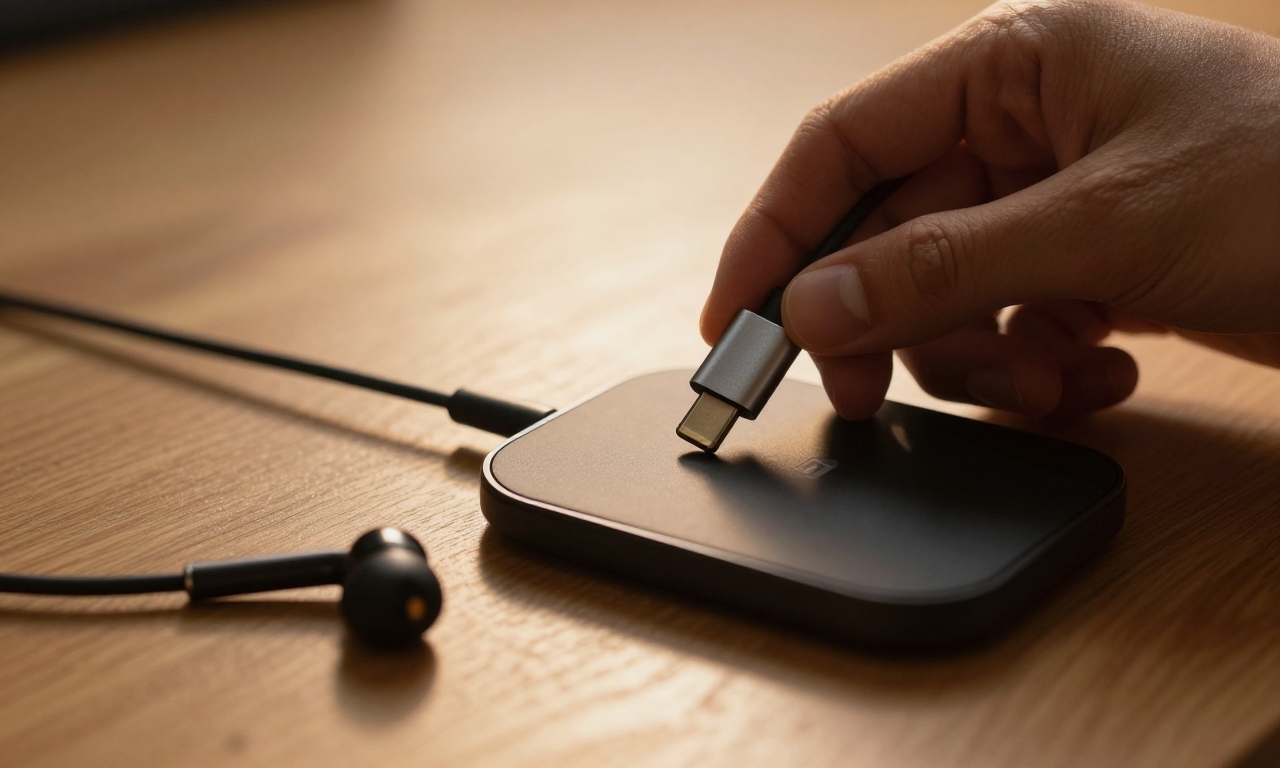
Another factor in finance that is collected over time is accessory compatibility. The MagSafe ecosystem integrates seamlessly with iPhones, AirPods, and charging accessories to deliver a smooth customer experience at the expense of excessive proprietary restrictions. The usage of USB-C by Samsung in devices, such as Galaxy phones, tablets and earbuds, is more compatible with third-party accessories. The standards of wireless charging are also different, with Apple MagSafe standards needing some special accessories, whereas Samsung also uses a more universal standard of Qi charging, which can be less expensive to replace accessories when switching brands.
Subscribing Services and Cloud Storage
Subscribing services and cloud storage add to the expenses of long-term ecosystems. Apple iCloud storage is universal and devices network with each other but becomes crucial with the storage of photos, documents and backups. The Samsung devices are compatible with Google ecosystem and provide competition when it comes to cloud storage in Google one. Both offer the option of subscribing to music and video and fitness content, but the cross-platform coverage is not always the same, which might tie users to an ecosystem that is not portable across other platforms.
Trade-In Values and Resale potential
Apple devices are also always offered at a higher resale rate and trade in opportunities than most Android competitors such as the Galaxy line by Samsung. This disparity can significantly save a purchase on upgrades into newer models as iPhones usually maintain value of 50-60 percent after two years, while Android flagships often plummet to 30-40 percent. This added benefit of resale makes higher initial investment by Apple more affordable in the course of several upgrade cycles even though Samsung has refined trade-in schemes involving Galaxy-to-Galaxy upgrades.
Performance and Maintenance
The effect iPhones have on long-term value varies across platforms because Apple has a history of close hardware-software interaction, and sometimes its devices can perform admirably over a supported lifetime. In the end Samsung devices can be customized more and may have quicker initial performance, however some users have claimed that the performance can vary over time. The price of the replacement of the battery and accessibility also vary, with Apple having a more standardized and at times more cost-lier battery service compared to third-party tools offered to Samsung devices.
Storage Decisions
Many users are not taking long-term financial implications into account when making storage decisions. Storage levels available at Apple are grossly expensive and one cannot enlarge the storage in the future. Many Samsung devices have microSD card support, which allows managing storage more flexibly. On both services, subscription cloud storage can counter storage constraints, but they are recurring costs that can build up over years of ecosystem use.
Ecosystem Integration and Switching Costs
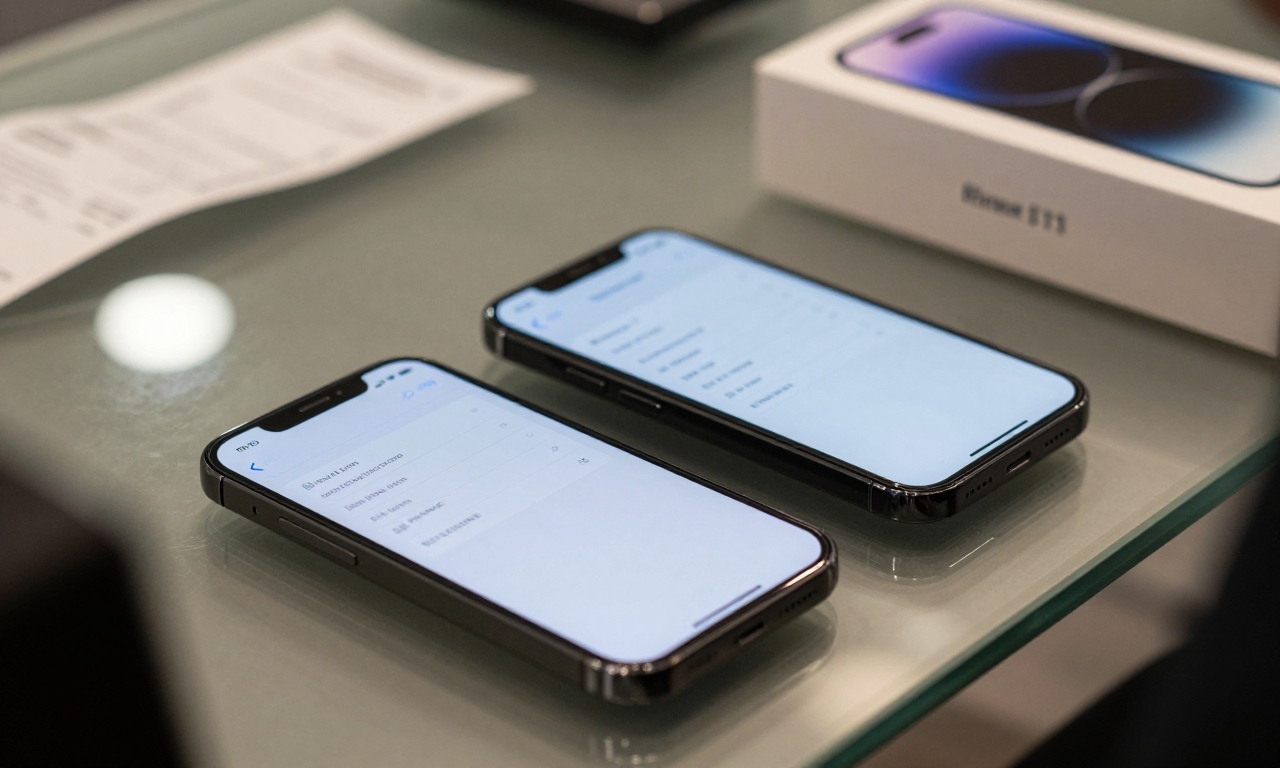
The actual price of ecosystem lock-in is visible when it comes to moving to platforms. Switching between Apple and Samsung or the other way around does not only require a purchase of the new devices, but also the purchase of compatible accessories, a possible loss of apps, and a new workflow. Its ecosystem integration of iPhone, iPad, and Mac as well as Apple Watch generates powerful synergies at the cost of making switching to a competing provider more expensive. Alliance with Google and Microsoft will provide Samsung with other advantages of integration with potentially lower switching costs to other Android or Windows based devices.
Gaming and Productivity Applications
The long-term value propositions of gaming and productivity applications are different. The Premium applications and games are frequently availed by Apple App Store where performance is optimized across devices. Access to the larger Android ecosystem gives Samsung greater diversity of their applications and customization choices. The use of subscription-based applications and services can vary in price or availability on platforms, impacting long-term expenses of users who depend on a particular productivity or creativity tool.
Mobile Photography and Camera Systems
Mobile photography and camera systems are also two areas where the two ecosystems have spent heavily. Portrait and Night mode are features that can be used reliably between generations on iPhones, making them a reliable camera platform. Cameras produced by Samsung tend to incorporate more experimental options and increase the number of megapixels, which attract recreational photographers. The value in the long run is based on the preference of users to use the same results consistently or the latest features that may need more regular upgrades to be accessed.
Conclusion
However, in the end, it all comes down to personal usage and upgrade rate to determine which ecosystem is saving money in the long run. Apple ecosystem has a higher likelihood of giving better value to those users who retain devices longer and enjoy high resale values. The flexibility and possible reduced cost of Samsung ecosystem to users who might desire more frequent upgrades, or require particular features such as expandable storage. The strengths of the two platforms suit various financial strategies and use scenarios with long-term ownership of their assets.
To arrive at an informed choice, you need to honestly evaluate your day-to-day technology use, as well as what functions really contribute to your work process. Not only look at the price of the device but also at how much it will cost you to invest in the ecosystem over the lifetime of your ownership, including accessories, subscriptions, and possible trade-in values. The one that can save you in the long term is that which fits in with your actual usage patterns and not with what marketing promises or brand perceptions.