Follow us on Facebook
Breaking updates in your feed — tap to open
By 2026 the smartphone ownership landscape is undergoing a paradigm shift owing to the international trend of right-to-repair laws. What started as a niche movement has turned into a strong force changing how people engage with their devices, turning smartphones into transparent and transparently accessible structures of product repair instead of closed black boxes. It is not merely legal compliance, but it is about the transformation of the philosophy of design of devices and consumer empowerment.
- Manufacturer Response to Repair Laws
- What Brands Are adopting Repairable Designs?
- Practical Impacts on Consumers
- Comparison of costs: Home vs. Professional
- Wider Design Trends
- Security and Privacy outcome of greater repairability are worth thinking about.
- First-Time Consumer Repair Preparation
- The Future of Smartphone Repairability
- Beyond Smartphones: Ecosystem Impact
- Conclusion
Manufacturer Response to Repair Laws
The level to which manufacturers have responded to these new legal frameworks is variable and has set up an array of official repair programs spanning the spectrum of full-scale to bare-minimum. Apple has addled most iPhone models within the last five years to its Self Service Repair program, which means genuine parts, tools and manuals that are delivered via a special online portal. Samsung has also released a comparable program with their Galaxy line, and the Pixel program of Google is aimed at modular components that can be swapped together without particular tools. These programs are remarkable change in comparison to the past policies which actively dissuaded user repairs.
What Brands Are adopting Repairable Designs?
A review of the existing smartphone designs will portray apparent leaders in the repairability movement. Fairphone maintains the lead through its entirely reconfigurable strategy, where each part of the smartphone (including the display) can be interchanged with a few standard tools. The latest Pixel devices of Google have refined interiors with symmetrical screw fixing and battery replacements. Motorola has even brought back some of the features of repairability that its previous products enjoyed among enthusiasts. Conversely, not all manufacturers have gone with the trend and some manufacture equipment with a high level of adhesive bonding and proprietary fittings that would challenge even seasoned repair technicians.
Practical Impacts on Consumers
The impacts on consumers in a practical manner are considerable, and the number of simple but frequent fixes open to those who are ready to invest time and follow the right steps is increasing.
- One of the simplest procedures has now turned to battery replacement, with several manufacturers creating battery units that can be popped out without breaking the parts that are nearby.
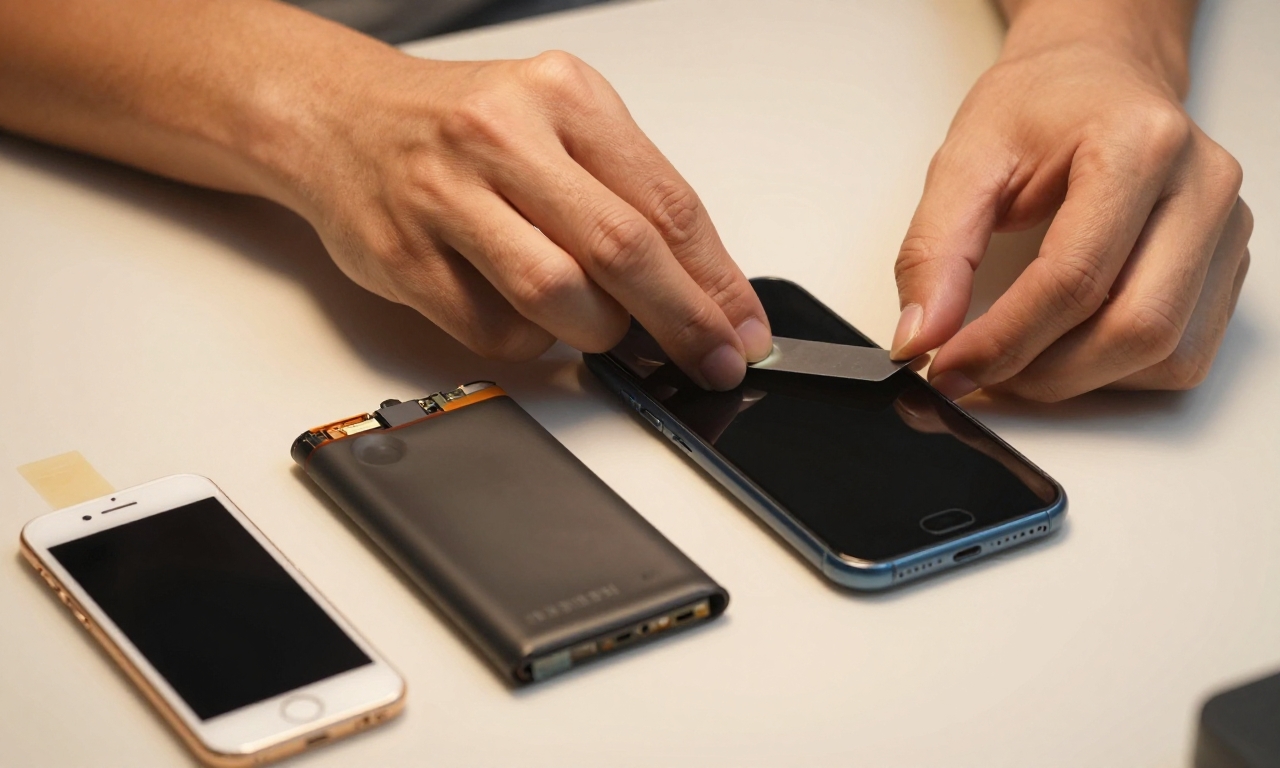
- Screen replacement is still a more complex but a manageable task, with the proper equipment and time, especially to the OLED-based device supplied by a manufacturer with adhesive strips.
- The replacement of camera modules has also been simplified in phones that are made on a modular basis.
Comparison of costs: Home vs. Professional
Money matters are an important factor in the decision to repair and the figures are interesting in their patterns.
- An amateur replacement battery on an unlocked flagship smartphone is generally 40-60 percent cheaper than formal service, when budgeting real components bought in vendor schemes.
- The savings on screen repairs are more mundane, in the range of 20-30 percent, both because of the higher cost of quality replacement screens, and because it is a tasking business that needs to be carried out technically.
- This changes the economics tremendously when dealing with midrange devices, which have repair prices that can be nearly the residual value of the device, and DIY methods become of special interest.
Such estimates do not take into consideration the price of the learned skills or the ecological impact of the increased devices lifespan.
Wider Design Trends
In addition to personal repairs, the right-to-repair laws are shaping wider design trends that are useful to everyone.
- Waterproofing is becoming easier to repair with more gasket-friendly design features than long-lasting adhesive gaskets.
- Durability tests are often now accompanied by repairability tests in addition to the classic drop and scratch resistance tests.
- When users can easily change out of date batteries instead of changing devices in their entirety, battery life optimization acquires new dimensions.
- Even performance is changing where manufacturers are developing systems that retain efficiency whilst providing access to components.
Security and Privacy outcome of greater repairability are worth thinking about.
- To make sure that replacements do not impair the integrity of the device, manufacturers have introduced checks on the major components such as displays and batteries.
- Their usual operation is encrypted handshake between components and the main logic board, which is also secure but allows third-party repairs.
- Privacy assurances are preserved as hardware security components independent of replaceable parts so that even when components are repaired, user data are preserved.
First-Time Consumer Repair Preparation
When making a decision as to a first-time consumer repair, one must prepare.
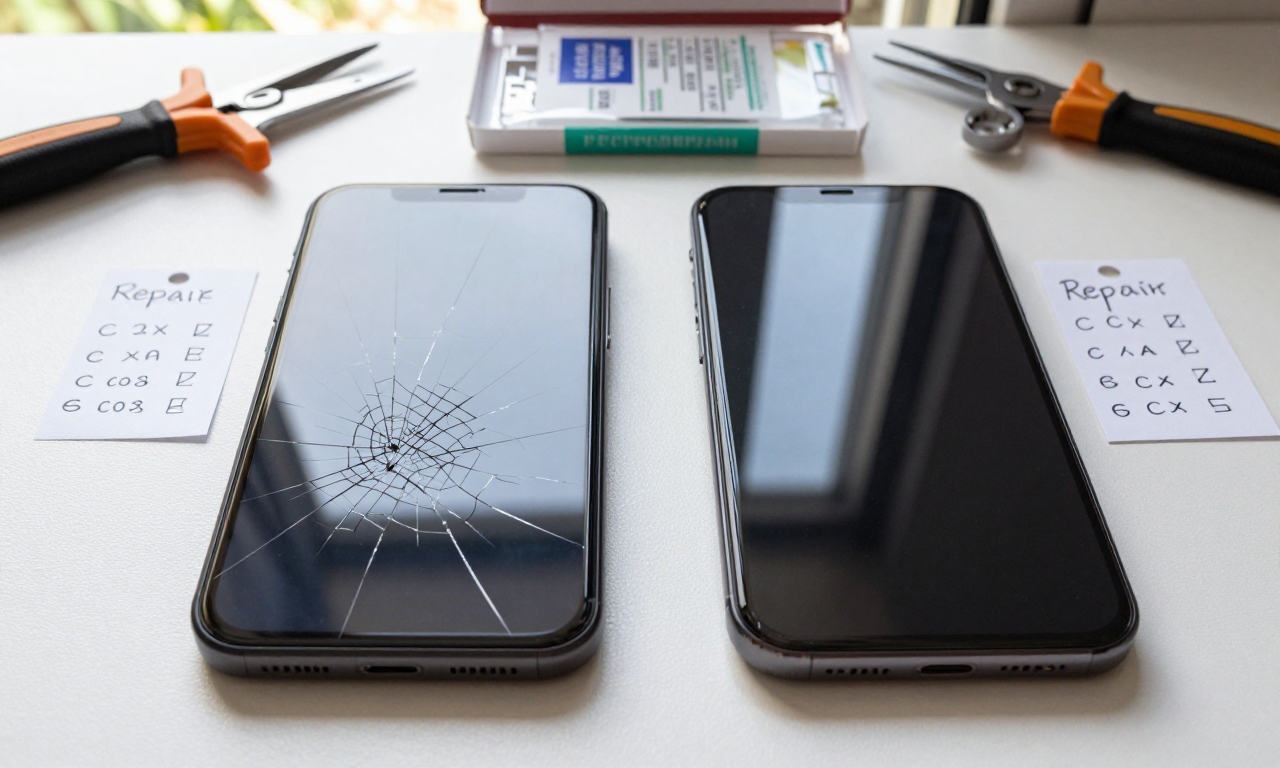
- First, refer to the official repair manual of the manufacturer of your model, particularly noting the tools and precautions required.
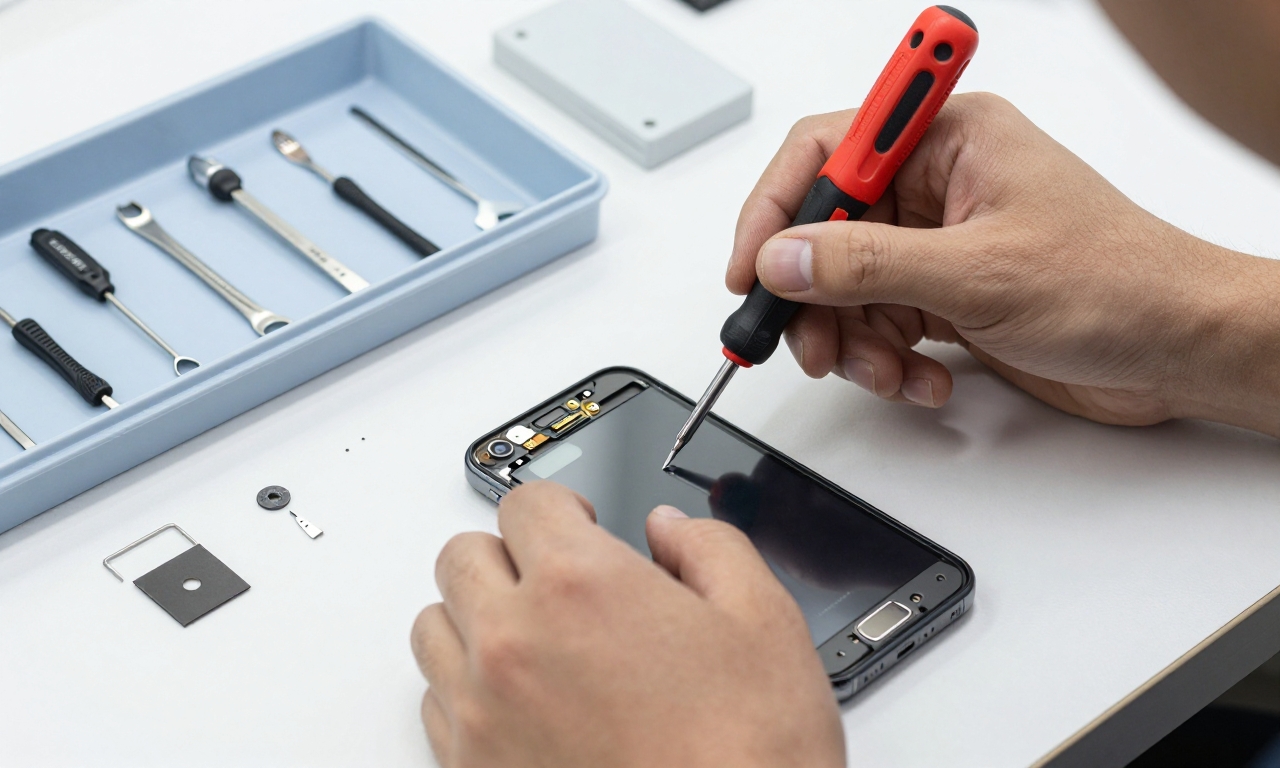
- Clean up on proper tools – a good set of precision screwdrivers, plastic opening tools and a handy heat producer to remove adhesive will help you in a variety of repair jobs.
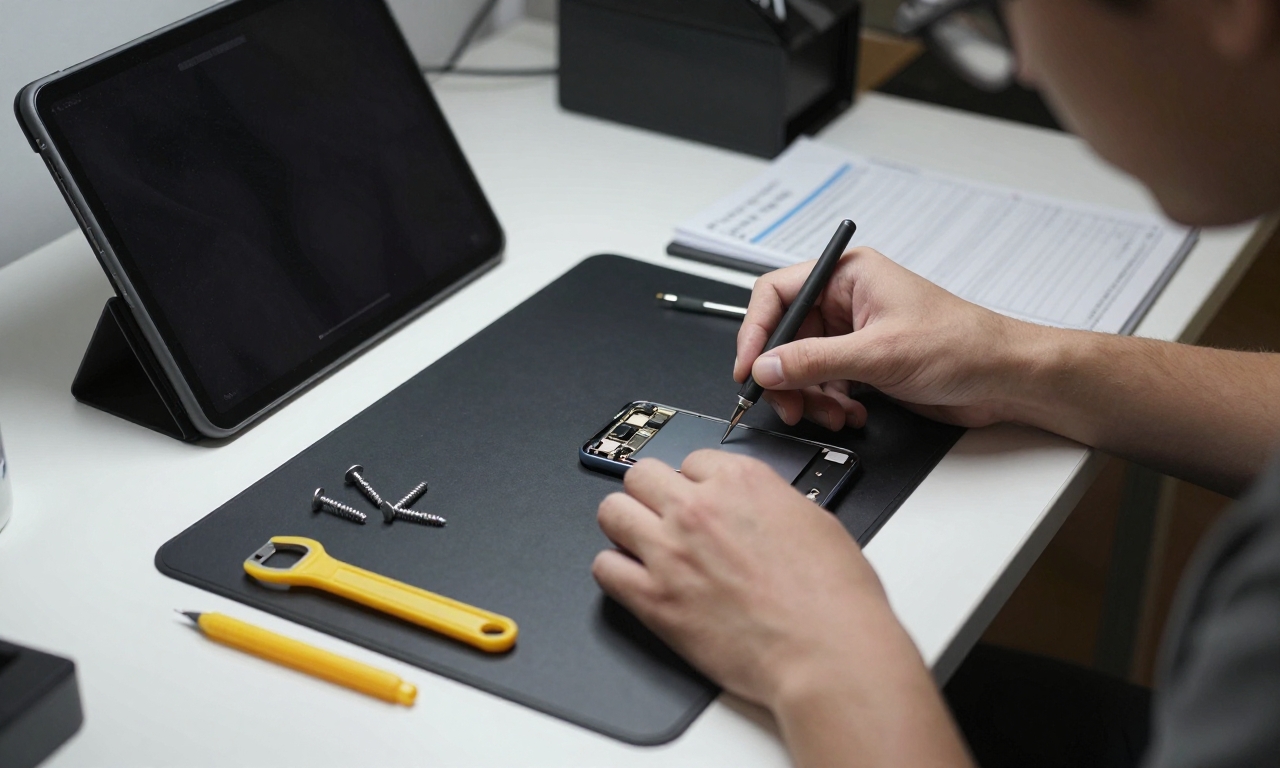
- Prepare a clean, well-equipped area using magnetic mats to store small screws in place, and work with an invalid phone to practice before making any changes on your main telephone.
- A slow and gradual approach to working is far more productive than trying to complete the task quickly.
The Future of Smartphone Repairability
In the future, the repair revolution does not seem to decelerate.
- A legislation proposed in a number of regions would mandate common components among manufacturers, possibly the development of universal repair ecosystems.
- The technological breakthroughs such as the use of self-healing materials and the use of more robust construction may help diminish the frequency of repairs and simplify the required repair process.
- The expansion of the secondary market of refurbished devices forms economic rationales to enhance repairability because phones with a longer lifespan remain valuable.
This combination of regulatory pressure, consumer demand and economic environment indicates that the repair-friendly smartphone is here to be.
Beyond Smartphones: Ecosystem Impact
The revolution does not just cover smartphones but also the categories of products associated with it.
- Tablet purchase advisories now commonly evaluate aspects of repairability in addition to conventional specifications.
- Smartwatches wearable capabilities are also being developed with swapping straps and easily replaceable batteries.
- It goes as far as accessories such as wireless chargers and Bluetooth earbuds are undergoing design enhancements to allow battery replacement.
Such an ecosystem-scale transition is indicative of a wider acknowledgment that sustainable technology must have maintainable technology.
Conclusion
Finally, right-to-repair movement is not only a legal necessity, but a perceptual shift in the ownership of consumer electronics. With producers constantly changing to fit their designs and policies, consumers can not only do repairs on their devices, but also learn more about the technology they use everyday. This knowledge provides better-informed purchasing choices, relieves electronic waste, and forms a more sustainable composition between individuals and their each equipment. The mobile phone in your pocket is no longer the subject of so much mystery, but the object of your ownership and control.