Follow us on Facebook
Breaking updates in your feed — tap to open
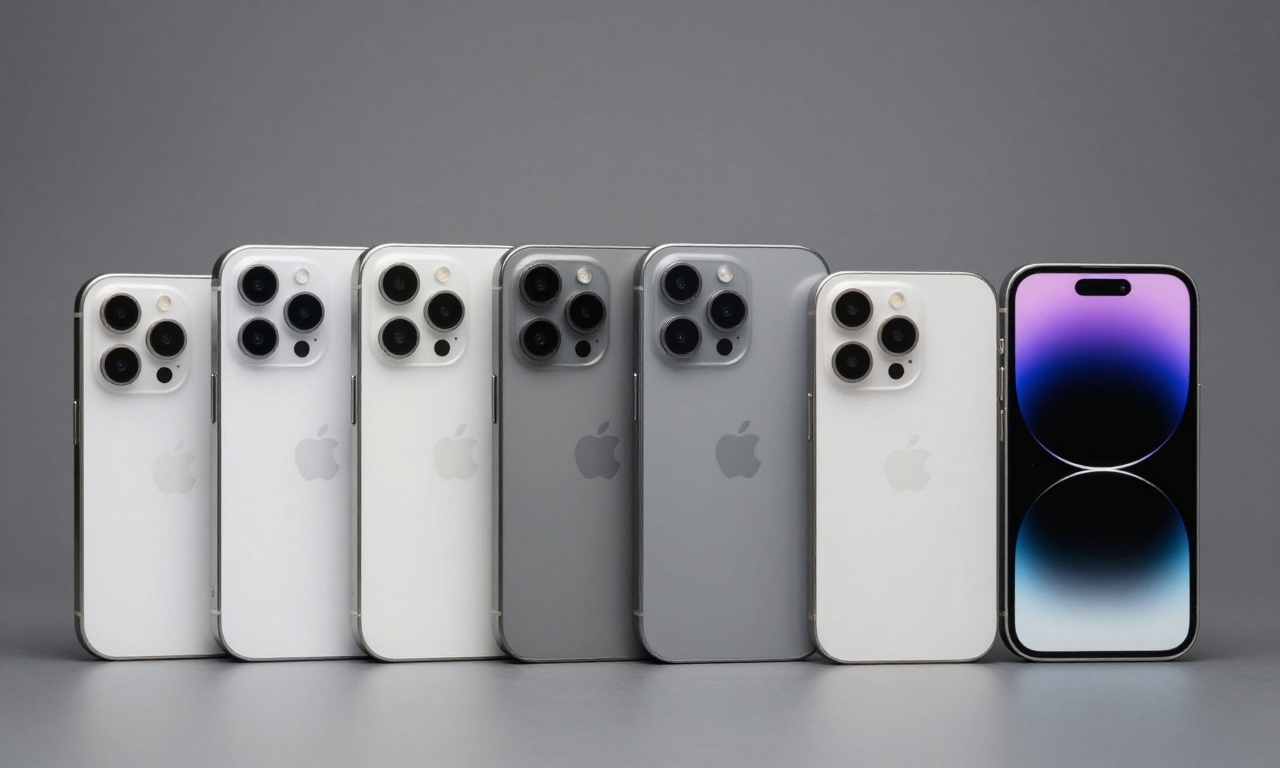
For nearly six years, Apple’s iPhone design has followed a remarkably consistent visual language, creating what industry analysts now describe as a state of design stagnation. From the iPhone 11 Pro to the latest iPhone 17 Pro, the fundamental “slab” form factor has remained virtually unchanged, raising questions about innovation in the world’s most influential smartphone line. This prolonged adherence to a formulaic approach has transformed iPhone unveilings from groundbreaking events into predictable confirmations of long-circulated leaks, with each iteration offering only minor, incremental improvements rather than revolutionary changes.
The current design plateau represents more than just aesthetic repetition-it reflects a broader challenge in smartphone innovation where functional additions like new buttons or camera configurations fail to compensate for the lack of meaningful visual evolution. As competitors explore foldable designs, under-display cameras, and novel form factors, Apple’s conservative approach risks diminishing the excitement that has traditionally surrounded iPhone releases, potentially impacting the device’s market position and consumer perception.
- The Six-Year Design Plateau: From iPhone 11 Pro to iPhone 17 Pro
- The Predictability Problem: Institutionalized Releases and Diminishing Excitement
- The Impact on Consumer Perception and Market Position
- Beyond the Slab: Apple’s Reported Plans for Design Innovation
- The Foldable iPhone: A 2026 Departure from Tradition
- The All-Screen Vision: 2027’s Visual Overhaul
- The Broader Innovation Challenge: Beyond Design Stagnation
- Functional Evolution: The Pace of Meaningful Innovation
- Hardware Performance: The Perception-Reality Gap
- The Integration Imperative: Hardware, Software, and Services
- Conclusion: Navigating the Innovation Crossroads
The Six-Year Design Plateau: From iPhone 11 Pro to iPhone 17 Pro
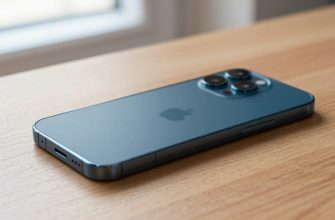
Since the introduction of the iPhone 11 Pro in 2019, Apple’s flagship smartphone design has followed an evolutionary rather than revolutionary path. The rectangular “slab” form factor with rounded corners, flat edges, and a camera module in the upper-left corner has become so standardized that distinguishing between recent models requires close inspection of minor details. This design consistency spans approximately six generations-a significant period in the fast-moving technology industry where competitors typically introduce major redesigns every two to three years.
The visual language established with the iPhone 11 Pro has proven remarkably durable, with subsequent models introducing only subtle refinements:
- Material changes: Shifts from stainless steel to titanium edges
- Camera module evolution: Gradual expansion of camera arrays within similar layouts
- Button placement: Consistent positioning of volume controls and side buttons
- Display characteristics: Incremental improvements to bezel size and screen-to-body ratios
While these changes represent technical improvements, they haven’t altered the fundamental design DNA that consumers recognize instantly as “iPhone.” This consistency has benefits for brand recognition and accessory compatibility but has led to diminishing returns in generating consumer excitement with each new release.
The Predictability Problem: Institutionalized Releases and Diminishing Excitement
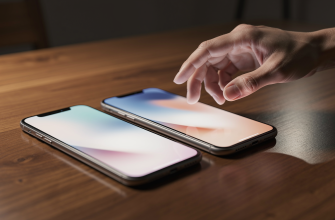
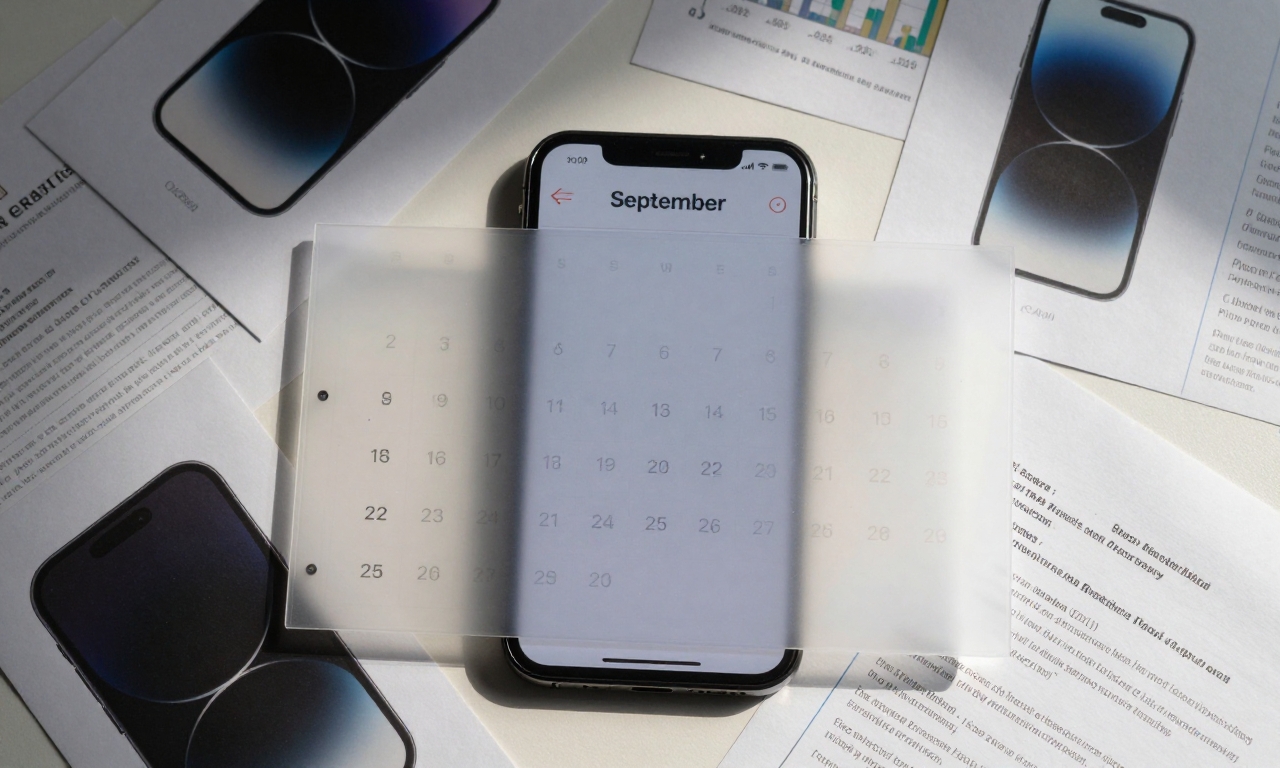
Apple’s iPhone release cycle has become one of the technology industry’s most predictable events, with leaks and rumors often accurately forecasting design elements months before official announcements. This institutionalization of the unveiling process has transformed what were once groundbreaking reveals into confirmations of widely circulated information, reducing the “wow” factor that previously defined Apple product launches.
The predictability extends beyond design to encompass the entire release ecosystem:
- Timing: Annual September releases with near-clockwork precision
- Naming conventions: Incremental numbering with predictable “Pro” and standard variants
- Feature leaks: Comprehensive component and specification details emerging months in advance
- Pricing structure: Consistent tiered pricing across product lines
This institutionalization creates a challenging environment for generating genuine excitement. When consumers already know what to expect from design, features, and pricing months before the official announcement, the unveiling event becomes more ceremonial than revelatory. The result is a paradox where Apple’s mastery of supply chain secrecy and launch logistics has been undermined by an ecosystem of leakers, analysts, and component manufacturers who collectively piece together the puzzle long before the official reveal.
The Impact on Consumer Perception and Market Position
Design stagnation and predictable releases create a perception challenge that extends beyond aesthetics. Consumers increasingly view iPhone updates as incremental rather than essential, extending upgrade cycles and reducing the urgency to purchase the latest model. This shift in consumer behavior has significant implications for Apple’s revenue streams and market positioning in several key areas:
| Area of Impact | Current Challenge | Potential Consequence |
|---|---|---|
| Upgrade Cycles | Longer intervals between purchases | Reduced hardware revenue per user |
| Competitive Positioning | More innovative designs from competitors | Erosion of design leadership perception |
| Brand Excitement | Diminished “wow” factor at launches | Reduced media coverage and social buzz |
| Accessory Market | Compatibility across multiple generations | Reduced accessory refresh purchases |
These challenges are particularly significant as the smartphone market matures and growth slows globally. In a saturated market where most consumers already own capable smartphones, compelling design innovation becomes increasingly important for driving upgrades and maintaining market leadership.

Beyond the Slab: Apple’s Reported Plans for Design Innovation
Recognizing the challenges posed by design stagnation, Apple is reportedly planning significant departures from the current formula. Industry analysts and supply chain sources indicate that 2026 and 2027 could mark turning points in iPhone design philosophy, with two major initiatives aimed at reinvigorating the product line’s visual and functional appeal.
The Foldable iPhone: A 2026 Departure from Tradition
Multiple reports suggest Apple is developing a foldable iPhone model scheduled for release in 2026. This device would represent Apple’s first major departure from the traditional slab form factor since the original iPhone’s introduction in 2007. While details remain speculative, the foldable iPhone is expected to feature:
- Form factor: A book-style folding design similar to Samsung’s Galaxy Z Fold series
- Display technology: Advanced flexible OLED panels with improved durability
- Hinge mechanism: Proprietary Apple engineering to address common foldable pain points
- Software adaptation: iOS optimizations for seamless transitions between folded and unfolded states
The development of a foldable iPhone represents more than just a new product category-it signals Apple’s acknowledgment that the traditional smartphone form factor has limitations that must be addressed through radical innovation. By entering the foldable market, Apple would be competing directly with established players like Samsung while potentially redefining consumer expectations for premium smartphone design.
The All-Screen Vision: 2027’s Visual Overhaul
Beyond foldables, Apple is reportedly planning a comprehensive visual overhaul for traditional “slab” iPhones in 2027. This redesign aims to address the aesthetic stagnation of recent years through what industry insiders describe as an “all-screen” approach. Key elements of this redesign may include:
- Under-display technology: Cameras and sensors hidden beneath the display surface
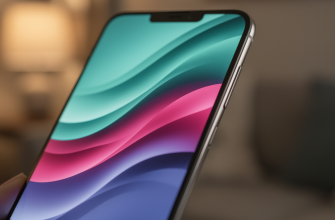
- True edge-to-edge displays: Elimination of all visible bezels and notches
- New material integration: Advanced ceramics or composites for enhanced durability and aesthetics
- Form factor refinements: Thinner profiles and reduced weight without compromising structural integrity
This visual overhaul represents Apple’s response to the criticism that recent iPhone designs have “nowhere left to go” within the current paradigm. By pushing toward a truly seamless, all-screen device, Apple could reestablish design leadership while addressing functional improvements through more integrated approaches to camera technology and biometric authentication.

The Broader Innovation Challenge: Beyond Design Stagnation
Design represents just one facet of the broader innovation challenges facing Apple’s iPhone division. Analysis suggests that design stagnation is part of a triad of critical issues that collectively threaten the iPhone’s market position if not addressed comprehensively. These interconnected challenges create a complex innovation landscape that requires simultaneous attention across multiple fronts.
Functional Evolution: The Pace of Meaningful Innovation
Beyond physical design, the pace of functional innovation in iPhones has drawn increasing scrutiny. Features like Apple Intelligence represent significant technical achievements but often feel incremental rather than transformative in everyday use. The challenge lies in developing capabilities that:
- Create tangible daily benefits rather than serving as technical demonstrations
- Integrate seamlessly into existing workflows without creating complexity
- Differentiate meaningfully from competitor offerings beyond specification comparisons
- Maintain privacy standards while delivering advanced functionality
This functional evolution challenge is particularly acute as smartphone hardware reaches performance plateaus where year-over-year improvements become less perceptible to average users. The transition from obvious performance gains to subtle optimizations requires rethinking how innovation is communicated and experienced.
Hardware Performance: The Perception-Reality Gap
Apple’s custom silicon continues to set performance benchmarks, but there’s growing recognition of a gap between technical specifications and perceptible impact in everyday use. The A-series and M-series chips deliver impressive numbers in synthetic benchmarks, but consumers increasingly question whether these performance gains translate to meaningful improvements in:
“The most advanced smartphone processor is meaningless if users can’t perceive the difference in their daily interactions. Apple’s challenge isn’t building faster chips-it’s creating experiences that feel faster, smoother, and more capable in ways that matter to real people.”
This perception-reality gap extends beyond processors to encompass camera systems, battery technology, display advancements, and connectivity features. As technical improvements become increasingly marginal, communicating their value becomes more challenging, particularly when competing against devices with similar capabilities at lower price points.
The Integration Imperative: Hardware, Software, and Services
Perhaps the most significant challenge-and opportunity-lies in the integration of hardware, software, and services into cohesive experiences that transcend individual component improvements. Apple’s traditional strength has been this vertical integration, but maintaining its advantage requires:
- Seamless ecosystem connectivity that makes device transitions invisible to users
- Service integration that enhances hardware value without feeling like upsells
- Cross-platform consistency that maintains Apple’s simplicity across an expanding product portfolio
- Developer support that enables third-party innovation while maintaining quality standards
This integration challenge becomes increasingly complex as Apple’s product ecosystem expands to include wearables, home devices, automotive integration, and emerging categories. The iPhone must serve as the central hub for this expanding universe while maintaining its identity as a superior standalone device.
Conclusion: Navigating the Innovation Crossroads
The current period of iPhone design stagnation represents both a challenge and an opportunity for Apple. The six-year consistency in visual language has provided stability and brand recognition but has reached a point of diminishing returns in generating consumer excitement and driving upgrades. The reported plans for foldable iPhones in 2026 and all-screen redesigns in 2027 suggest Apple recognizes the need for meaningful change.
However, design innovation alone cannot address the broader challenges facing the iPhone. Success requires simultaneous progress across three critical areas: compelling visual redesign that breaks from the current formula, functional evolution that creates tangible daily benefits, and hardware improvements that users can genuinely perceive in their everyday experiences. The integration of these elements into cohesive experiences will determine whether Apple can maintain its position at the forefront of smartphone innovation or faces gradual erosion of its design leadership and market position.
As the smartphone industry enters its next phase of evolution, Apple’s approach to these challenges will influence not only its own future but the direction of mobile technology globally. The decisions made in the coming years will determine whether the iPhone continues to define smartphone excellence or becomes a case study in how even the most successful products can struggle to evolve beyond their established formulas.