Follow us on Facebook
Breaking updates in your feed — tap to open
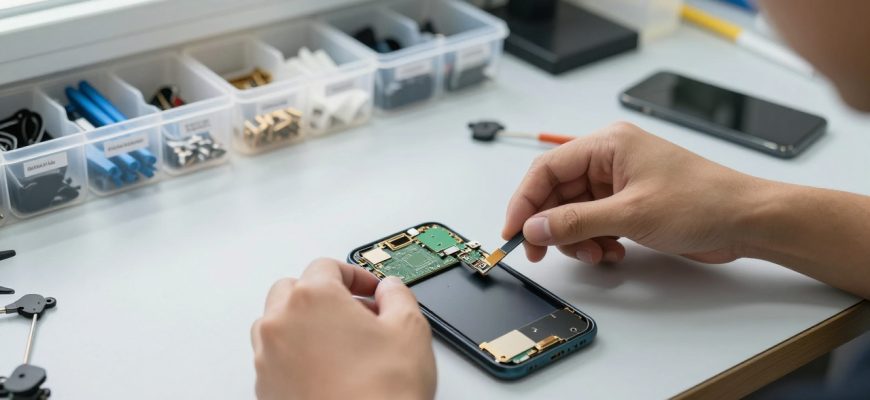
The right to repair movement has radically changed consumer behavior in relation to their electronic machines as we advance through the year 2026. What started off as a grassroots activism, has eventually turned into full-scale legislation in a variety of jurisdictions, compelling manufacturers to re-examine their strategy towards device longevity. This shift is not just a change in policy, it is a surge in consumer expectation of sustainable technology that is not intended to be obsolete via disposable technology. Smartphone repairability has reached a pivotal moment in its landscape, at which point corporate policy collides with legal requirements and customer expectations.
The State of Current Programs Manufactures
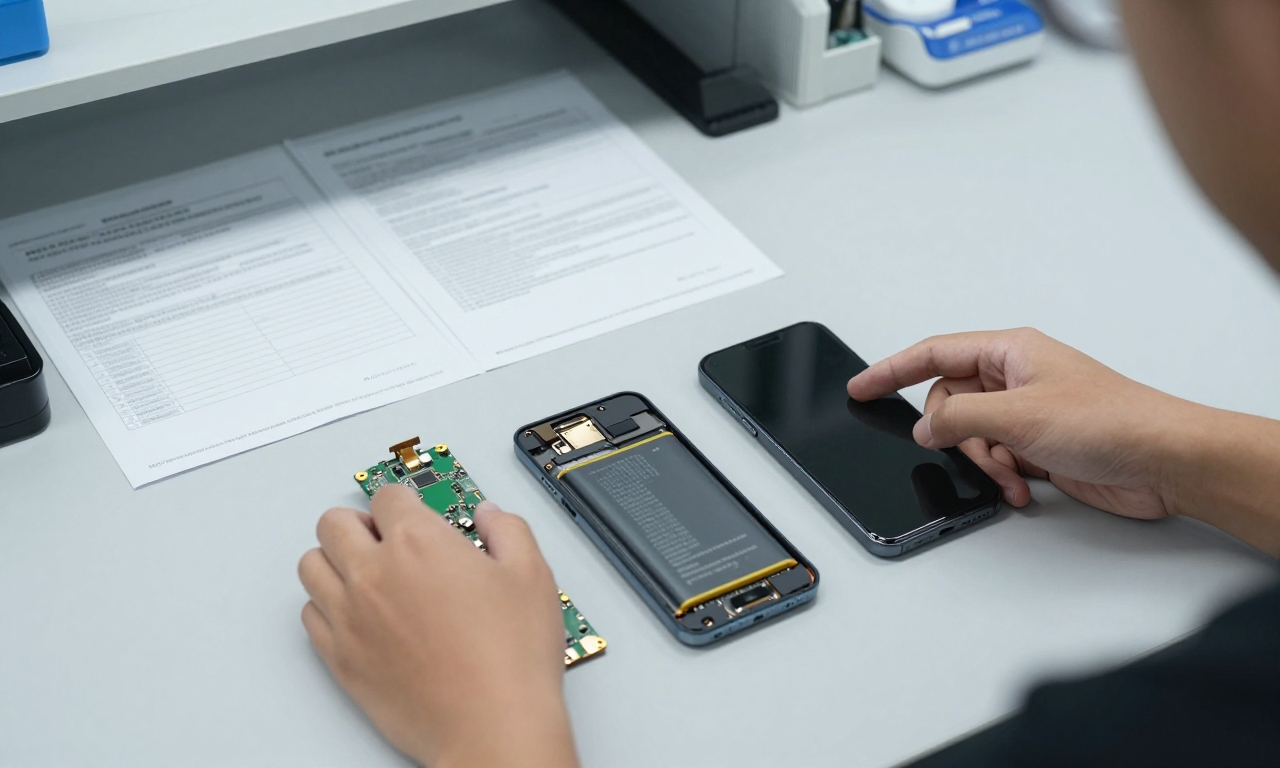
Since the beginning of the 2020s, Apple changed its repairability philosophy considerably. Most iPhone models currently have self-repair initiatives by the company including original parts, tools and repair instructions through its official platforms. What is interesting is that they have grown beyond just battery changes to also offer display replacement, camera modules, and some assemble logic board parts as well. This is an enormous break with their previous position, but some limitations are still placed on newer technologies such as sophisticated biometric sensors and special security chips. Such programs are available depending on the region, though in Europe the markets generally have more comprehensive offerings as they have a tighter regulatory environment.
Samsung has chosen another way, opting to engage partnerships with approved services providers as they increase their self-repair options. Modular components are now incorporated in their Galaxy lineup to enable easy replacement, especially the display and batteries. The company has gone a long way to standardize parts amongst their line of products and this has made it easier to maintain a store of the repair parts. Nevertheless, they are also more conservative than Apple, and some of their repairs still need specific calibration equipment that can only be provided to certified technicians. This establishes a hierarchical approach by which the simplest types of repair are available to the consumer and more involved tasks are left in the hands of the professional community.
One of the most consumer-friendly programs among the large manufacturers is the Pixel repair program by Google. They have also added to their comparatively open android ecosystem, a scheme where a majority of the components can be bought without undergoing a long verification process. They are especially well documented, featuring step-by-step video instructions to allow complex repairs to be accessible to non technical users. This has also seen the company become the first to implement a component recycling initiative where customers can send back used parts to receive credit contracting their purchase of a new device, a sort of cyclic economy of device maintenance. This macro lens is not limited to compliance but is intended to take on the philosophical foundations of the right to repair movement.
Official programs have co-existed with a wide ecosystem of third-party repairers. These companies can be small neighborhood stores, national chains, both with varying expertise and quality of components. The aftermarket parts have become available in large numbers, but quality differs greatly across suppliers. Third-party displays and batteries now perform as well or better than OEM parts, and specialist parts such as camera modules and wireless charging coils continue to be troublesome. The regulatory climate has also served to help standardize some of the components specifically batteries and displays such that consumers can find trustworthy aftermarket alternatives.
These corporate policy changes have mainly been propelled by legislative changes. In the European Union, sweeping right to repair proposals, to be enforced in 2025, will compel manufacturers to include device repair instructions, tools, and spares to be available at least seven years after the product’s launch. Equivalent legislation in multiple states of the U.S has made a patchwork of requirements that manufacturers have to navigate. These guidelines not only regulate access, but also set repairability grades, demand disclosure of repair expenses and outlaw practices that intentionally interfere with third-party repairs. The cumulative effect has been to reverse the burden of proof on consumers to manufacturers or a company can prove why particular repairs should not be allowed.
Repair Guide: Practical Repair Considerations by Consumers
Battery Replacement
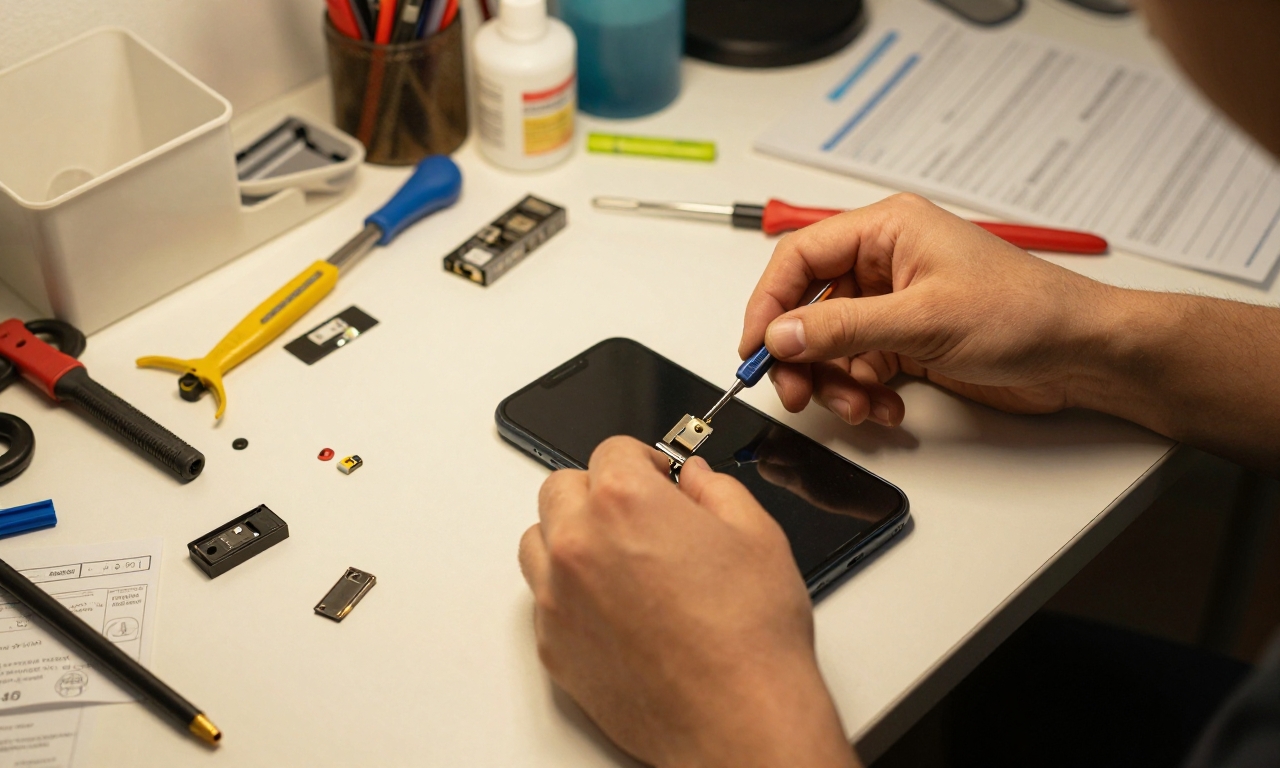
The most widespread case of repair is battery replacement, and in this case, the differences between manufacturers can manifest themselves in a particularly striking way. There has been an incredible simplification of the process of replacing the battery at Apple and there are battery replacement kits with the required tools and adhesive strips. The design by Samsung has a more specialized tooling up but a more accessible battery compartment in most of its models. Pixel products by Google usually have the most accessible battery designs, sometimes with simple tools necessary to replace it. The supply of authentic batteries has also increased across all brands, but consumers ought to always do a serial number check to confirm authenticity when buying through third-party suppliers.
Display Repairs
The involvement of display technology with other parts makes screen repairs more complex. Most OLED displays today have internal fingerprint scanners, brightness sensors, and front camera arrays in place that should be handled with care. Example: Apple TrueDepth camera system is also one of the more difficult elements to swamp out without suitable calibration equipment. Another area of repair complexity is Samsung foldable displays, even though the company has created dedicated repair centers to handle authorized repairers. Display repairs remain the transition point between self-serviced and professionally serviced repair to most consumers, especially when it comes to flagship devices that feature more sophisticated display technology.
Finding Components
The conformity of manufacturers and standardized numbering of parts has made seeking out components much easier. The self-service repair store of Apple offers authentic parts to be tracked with a serial number to verify compatibility. The Samsung parts distribution chain has grown to involve additional retailers, who shortened time on order of important parts. Google has gone further and made 3D printing files of some non-electronic parts enabling local production of straightforward plastic components. Keep in mind these advances notwithstanding that consumers need to beware of non-authentic components, especially those of high-value products such as display and logic board.
A Vision of the Future of Device Longevity
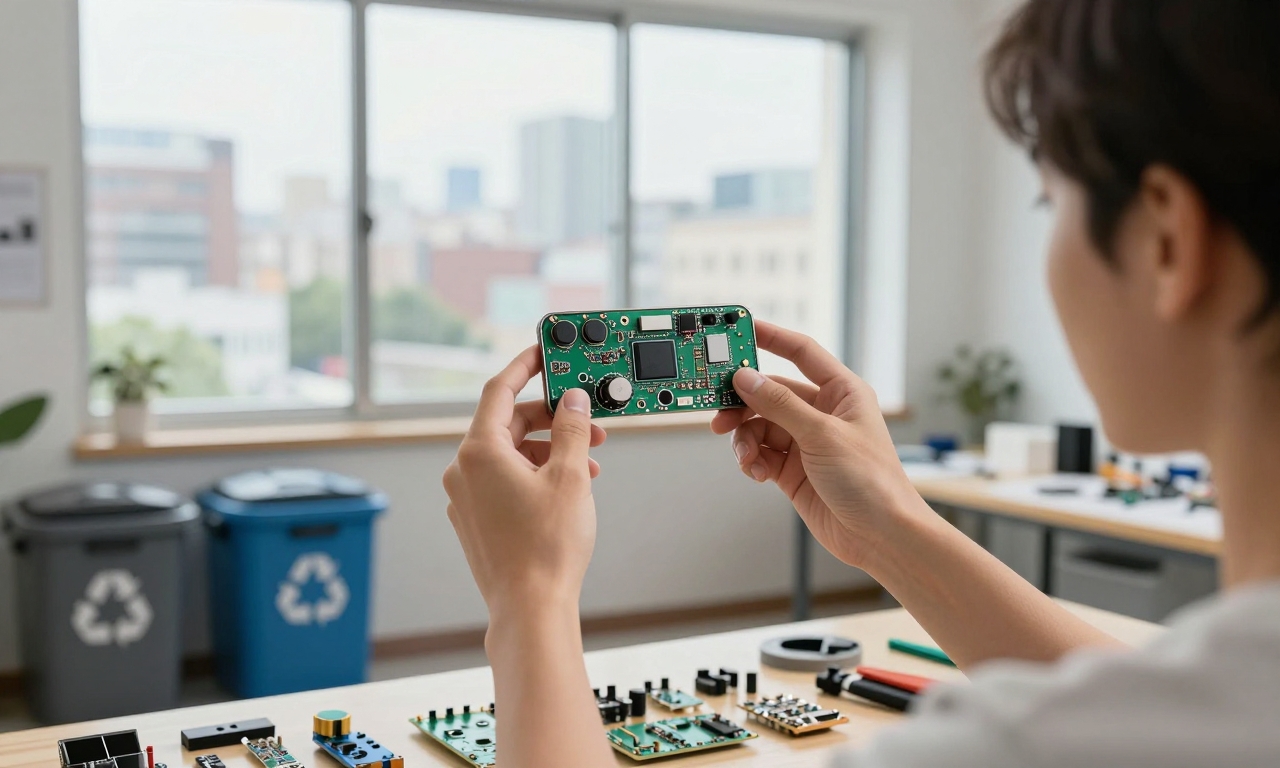
The development of repairability policies is a manifestation of general shifts in the way we view ownership of technology. This has made what was easily had off as something disposable into a viable long-term investment with repair options that can last devices up to several years. The environmental implication of this shift is that there is less electronic waste and a conservation of the resources involved in creating new devices. It is also economically advantageous to the consumers who are able to work on their gadgets instead of throwing them away as soon as something goes wrong. They call on the right to repair movement which has effectively contributed to crime-breaking the assumption that technological progress should be made at the cost of maintainability.
Manufacturers are starting to consider repairability in the first design phases up to developing a device. Standardized screws, modular parts, and available internal layouts are no longer a concession. It is a radical redefining of product design philosophy, in which convenience of servicing is considered alongside performance and beauty. The outcome is not just better working devices, they last longer to create value to both the consumer and the manufacturer in terms of longer products lifecycle. This is a transformation in design that can be the most commendable legacy of the right to repair movement.
The discussion is now moving towards upgradability and customization as we move past 2026 and beyond. Other companies are trying the modular concept, in which users replace only specific parts of a device instead of buying complete units. Other people are experimenting with software-based features that add hardware functionality with apps that can be updated instead of being physically modified. The end vision is a technological ecosystem in which intelligent devices grow with the people using them and change with the needs by hardware and software adjustments. This is the next step in consumer electronics, not merely the right to repair, but the right to enhance and customize our technology products.
The advances achieved by 2026 prove that, the corporate opposition surrounding repairability was never technical in nature, but of business model preferences. With the matching of legislation as well as consumer demand, manufacturers have shown to be strikingly competent to offer repair choices without affecting the safety or efficiency of devices. The question in this challenge is to keep this going so that later technological inventions do not come to re-introduce barriers to maintenance and repair. To consumers, it entails the need to keep asking of transparency and access and to manufacturers is an opportunity to nurture a stronger, long term relationship with its customers through sustainable product design.