Follow us on Facebook
Breaking updates in your feed — tap to open
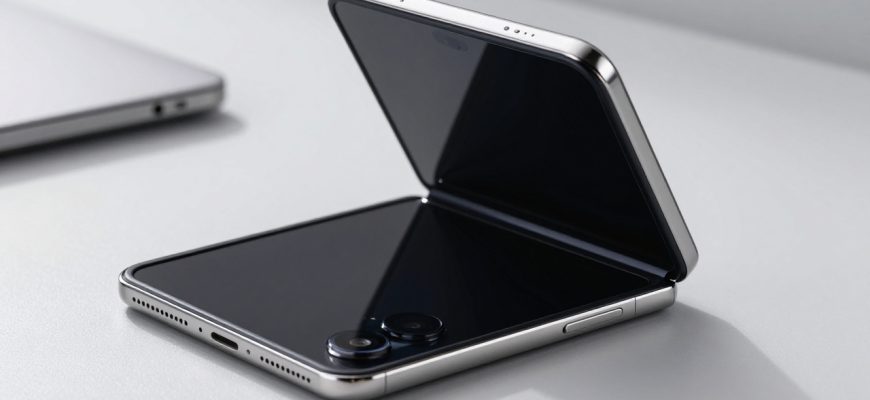
Samsung has unveiled something extraordinary in the foldable smartphone space, and it’s not quite what you’d expect. The Galaxy Z TriFold represents a fascinating departure from mass-market devices-it’s a high-priced, limited-edition prototype designed to push technological boundaries rather than compete with mainstream flagships. Priced at approximately $2,443 and launching first in South Korea in December 2025, this device serves as a strategic engineering exercise that offers a glimpse into Samsung’s vision for future mobile productivity.
While most smartphones aim for broad consumer appeal, the TriFold takes a different approach. Samsung openly acknowledges this device as an experimental platform for testing advanced hinge mechanisms and modular concepts. It’s less about selling millions of units and more about maintaining technological leadership in an increasingly competitive foldable market. For tech enthusiasts and productivity-focused users, however, the TriFold presents some genuinely innovative features worth examining.
- Design and Engineering: The Two-Stage Folding Innovation
- The Armor FlexHinge System
- Display Technology: From Phone to Tablet and Beyond
- Screen Specifications and Configurations
- Productivity Powerhouse: More Than Just a Smartphone
- Multitasking and Workspace Features
- Target Audience and Use Cases
- Market Position and Availability Strategy
- Pricing and Release Timeline
- Strategic Importance for Samsung
- The Future of Foldables: What TriFold Tells Us About Tomorrow’s Devices
- Modular and Transformative Devices
- Beyond Communication: The Evolving Smartphone Purpose
- Conclusion: An Important Step Forward
Design and Engineering: The Two-Stage Folding Innovation
At the heart of the Galaxy Z TriFold is its unique folding mechanism, which represents a significant leap from current foldable designs. Unlike traditional foldables that bend once, the TriFold features a two-stage folding system that transforms the device through multiple configurations.
The Armor FlexHinge System
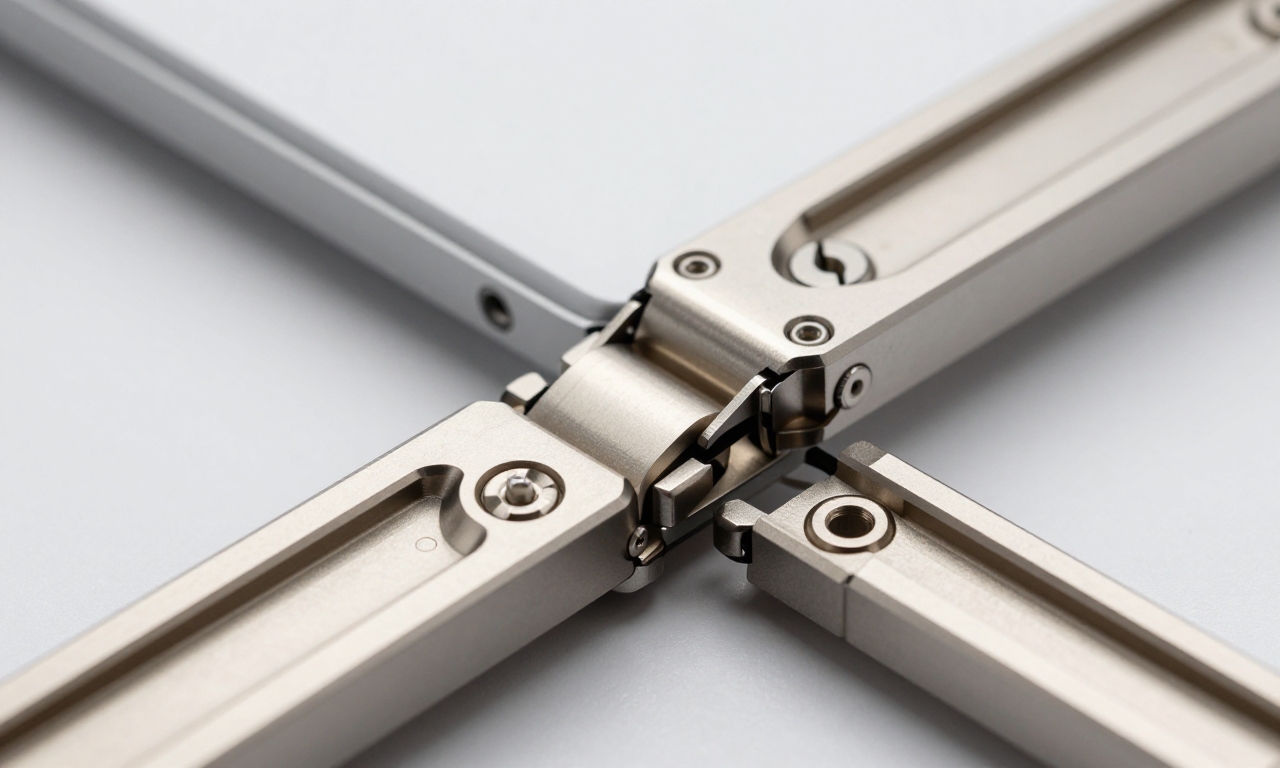
Samsung’s advanced Armor FlexHinge is the engineering centerpiece of this device. This sophisticated mechanism incorporates several innovative features:
- Dual-rail titanium housing: Provides exceptional durability while maintaining a surprisingly slim profile
- Vibration alerts: Prevents incorrect folding by providing haptic feedback when users attempt to fold the device improperly
- Enhanced dust and water resistance: Building on Samsung’s existing foldable protection standards
When fully opened, the TriFold achieves an impressively thin 3.9mm profile, making it one of the slimmest large-screen devices available. This engineering feat demonstrates Samsung’s commitment to solving the thickness challenges that have plagued previous foldable designs.
Display Technology: From Phone to Tablet and Beyond
The Galaxy Z TriFold’s display system is where the device truly distinguishes itself from anything currently on the market. The transformation capabilities offer users multiple screen configurations for different use cases.
Screen Specifications and Configurations
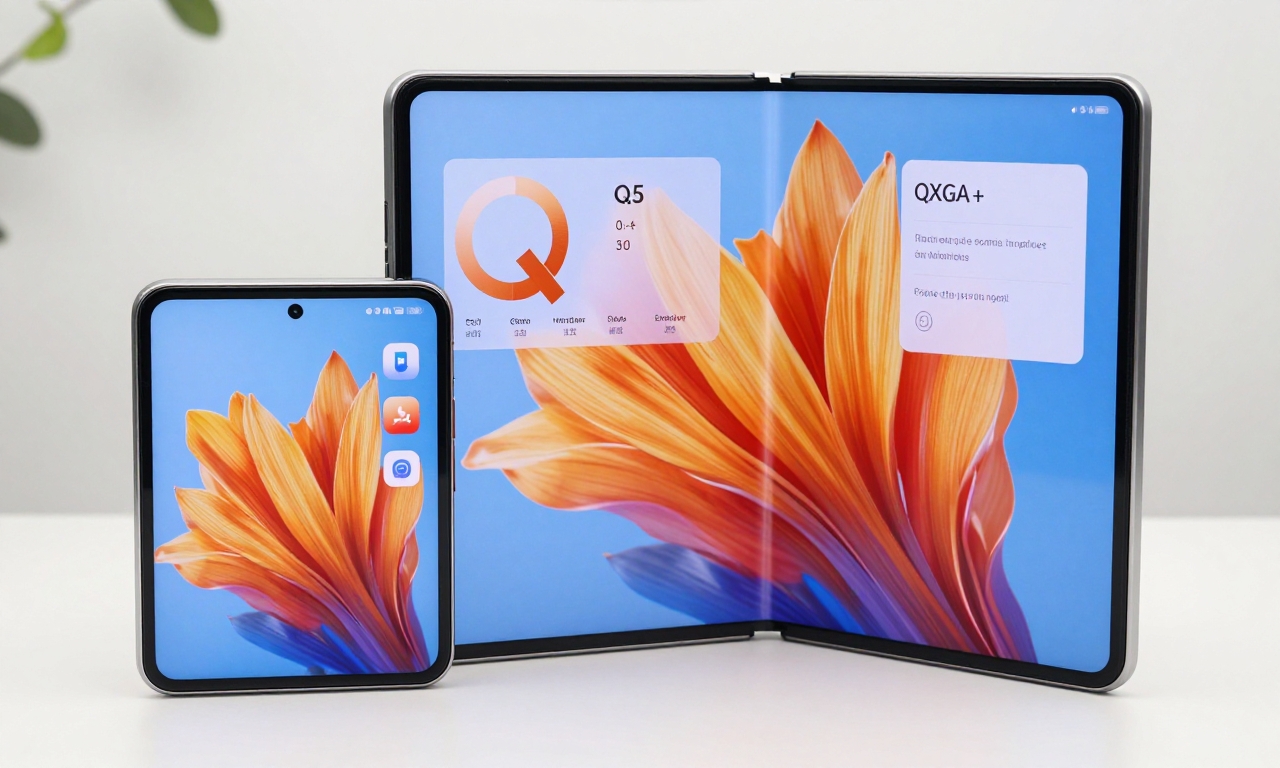
The device starts with a 6.5-inch outer display that functions as a conventional smartphone screen. Through its unique folding mechanism, it expands into a substantial 10-inch QXGA+ tablet screen with impressive clarity and color accuracy. This transformation creates several practical configurations:
- Smartphone mode: Using just the outer 6.5-inch display for everyday tasks
- Tablet mode: Fully opened to 10 inches for media consumption and document viewing
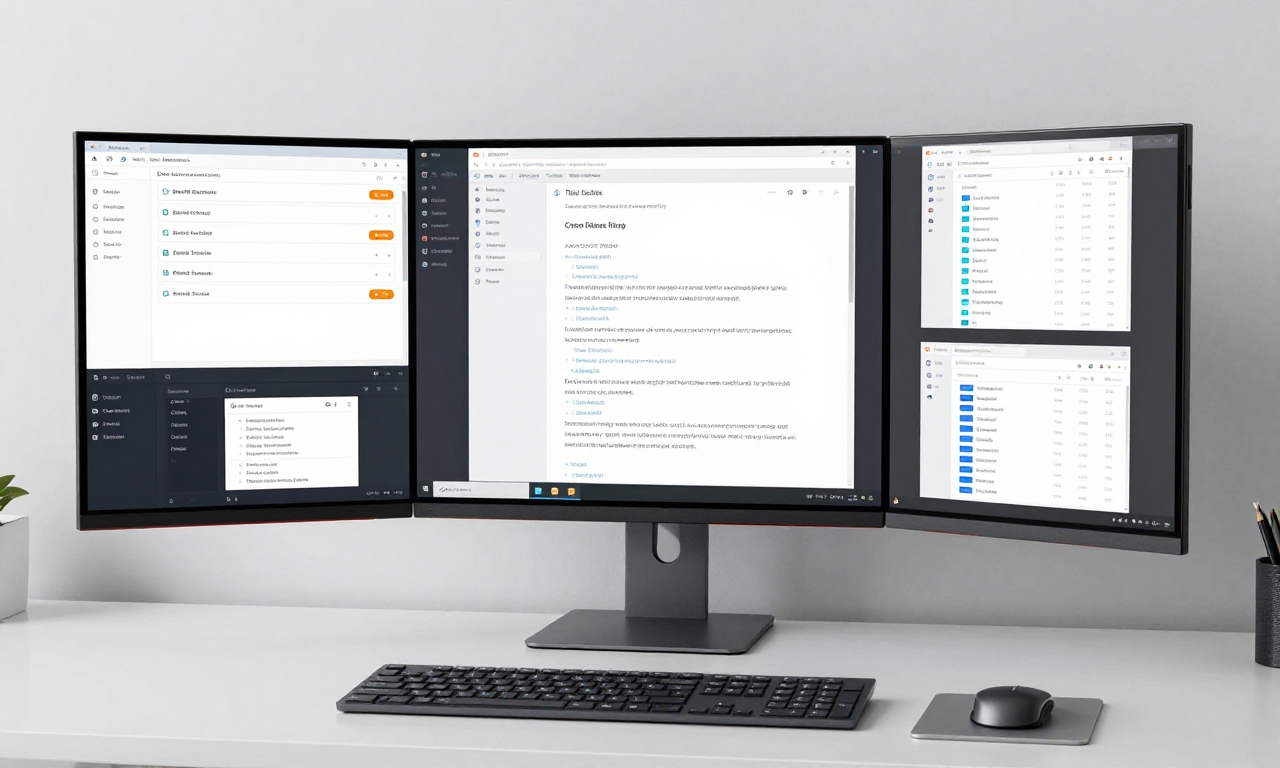
- Productivity mode: The screen functions as three portrait displays side-by-side for multitasking
The three-panel productivity mode is particularly innovative, allowing users to run multiple applications simultaneously without the cramped feeling of split-screen on smaller devices. This configuration effectively turns the TriFold into a portable workstation that can replace a laptop for many tasks.
Productivity Powerhouse: More Than Just a Smartphone
Samsung has positioned the TriFold primarily as a productivity tool, and the device delivers on this promise through both hardware design and software integration. This focus on workspace functionality represents a significant shift in how we think about mobile devices.
Multitasking and Workspace Features
The expansive screen real estate enables productivity features that simply aren’t practical on conventional smartphones:
- Three-app simultaneous operation: Run email, documents, and research side-by-side without constant switching
- Enhanced Samsung DeX integration: Connect to monitors and peripherals for a complete workstation experience
- App continuity: Seamless transition between device configurations without losing your place in applications
For professionals who need to work on the go, the TriFold offers legitimate laptop replacement potential for many tasks. The ability to view and edit documents at full size, conduct video conferences while taking notes, and manage multiple communication channels simultaneously makes this device particularly compelling for business users.
Target Audience and Use Cases
Given its premium price and specialized features, the TriFold serves specific user groups particularly well:
| User Type | Primary Benefits | Potential Drawbacks |
|---|---|---|
| Business Professionals | Portable workstation, multitasking capabilities | High cost, learning curve |
| Content Creators | Large canvas for editing, portable studio | Limited app optimization initially |
| Tech Enthusiasts | Cutting-edge technology, unique features | Experimental nature, potential bugs |
Market Position and Availability Strategy
Samsung’s approach to the TriFold’s release reveals much about their strategic thinking. Rather than a global flagship launch, the company has opted for a limited, phased rollout that treats the device as a special edition prototype.
Pricing and Release Timeline
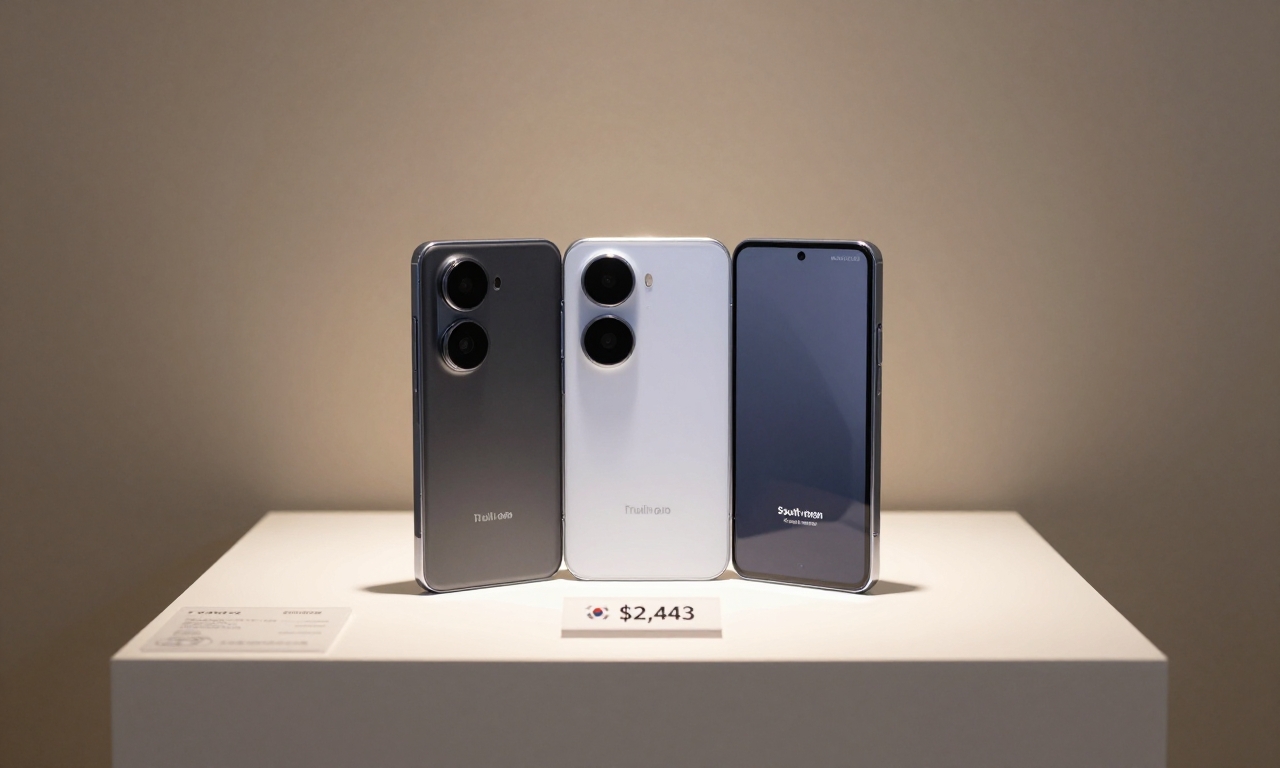
The Galaxy Z TriFold carries a premium price tag of approximately $2,443, placing it firmly in the luxury device category. The release strategy is equally selective:
- December 2025: Initial launch in South Korea
- 2026: Phased expansion to select international markets
- Limited quantities: Positioned as a special edition rather than mass production
This approach allows Samsung to gather valuable feedback from early adopters while minimizing financial risk. It also creates an aura of exclusivity around the device, potentially generating buzz that benefits Samsung’s broader foldable lineup.
Strategic Importance for Samsung
The TriFold serves multiple strategic purposes for Samsung beyond immediate sales:
“This device represents our commitment to pushing the boundaries of what’s possible with mobile technology. While not designed for mass market appeal, the TriFold allows us to test advanced concepts that may shape future consumer devices.”
By treating the TriFold as an engineering exercise, Samsung can experiment with technologies that might be too risky or expensive for mainstream devices. The lessons learned from hinge durability, software optimization for unusual screen configurations, and user interaction patterns will inform future products across Samsung’s portfolio.
The Future of Foldables: What TriFold Tells Us About Tomorrow’s Devices
The Galaxy Z TriFold provides valuable insights into where Samsung-and potentially the entire industry-is heading with foldable technology. This prototype serves as a blueprint for several emerging trends in mobile device design.
Modular and Transformative Devices
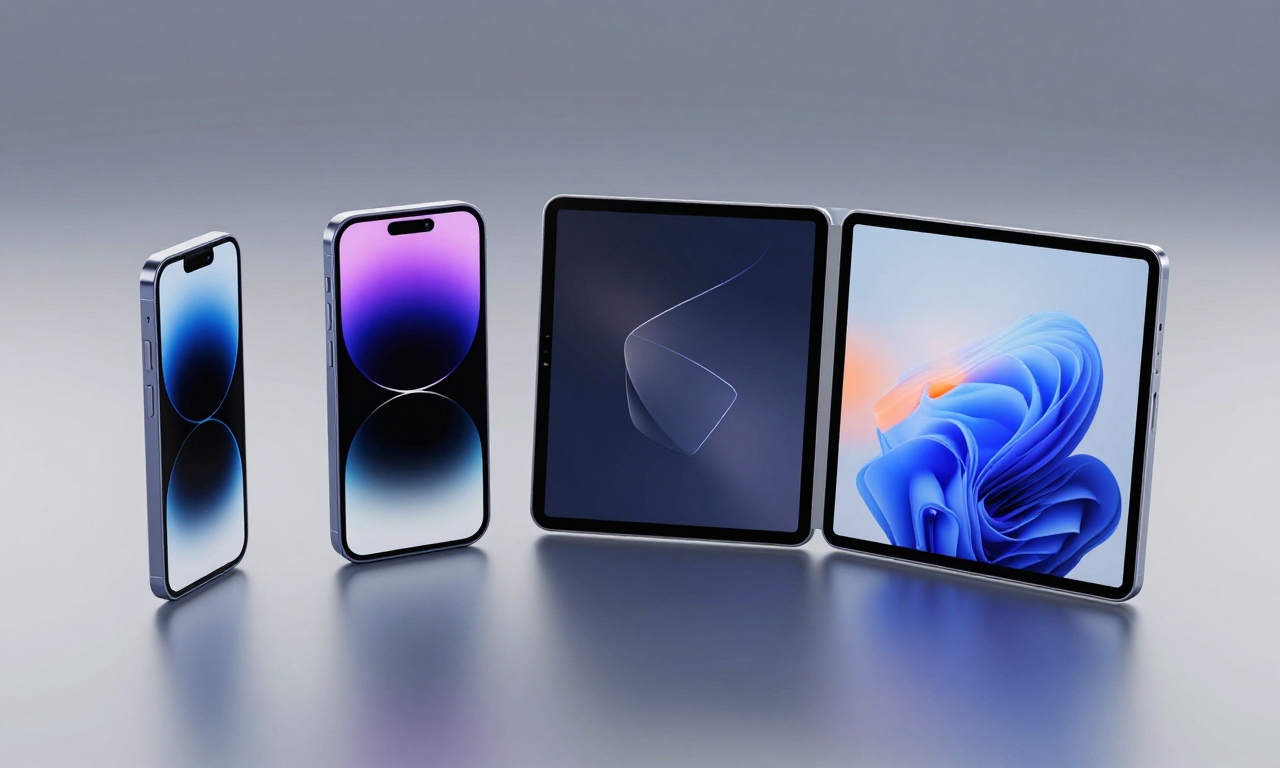
The TriFold’s most significant contribution may be its demonstration of modular device concepts. The ability to transform between multiple configurations suggests a future where devices adapt to user needs rather than requiring users to adapt to device limitations. This approach could lead to:
- Specialized configurations: Devices that optimize for specific tasks like gaming, productivity, or media consumption
- Reduced device proliferation: Fewer separate devices as smartphones become more versatile
- Customizable form factors: User-adjustable screen sizes and configurations
Beyond Communication: The Evolving Smartphone Purpose
Perhaps the most profound implication of the TriFold is what it suggests about the future purpose of mobile devices. Samsung appears to be envisioning smartphones that evolve beyond communication tools into versatile productivity platforms. This shift could redefine how we think about personal technology, with devices serving as:
- Portable workstations for professional tasks
- Creative studios for content production
- Entertainment centers with theater-like experiences
- Learning platforms with immersive educational content
The TriFold, despite its experimental nature and premium pricing, offers a compelling vision of this future. While most consumers won’t purchase this specific device, the technologies and concepts it demonstrates will likely trickle down to more accessible products in the coming years.
Conclusion: An Important Step Forward
The Samsung Galaxy Z TriFold represents an important milestone in foldable technology development. While its $2,443 price tag and limited availability make it inaccessible to most consumers, its innovations in hinge design, screen technology, and productivity features provide valuable insights into the future of mobile devices.
For tech enthusiasts and industry watchers, the TriFold serves as an exciting preview of what’s possible when manufacturers push beyond conventional smartphone design. For Samsung, it represents a strategic investment in maintaining technological leadership and exploring new product categories. And for the broader market, it signals a future where our mobile devices become increasingly versatile, adapting to our needs rather than constraining our capabilities.
As the TriFold begins its phased rollout in late 2025, it will be fascinating to see how early adopters respond to this experimental device and what lessons Samsung learns for future products. One thing is clear: the boundaries between smartphones, tablets, and laptops continue to blur, and devices like the TriFold are leading the charge into this exciting new era of mobile computing.