Follow us on Facebook
Breaking updates in your feed — tap to open
Samsung has officially entered the multi-foldable arena with the Galaxy Z TriFold, a device that pushes the boundaries of smartphone design with not one, but two hinges and three distinct display panels. This engineering marvel transforms from a standard smartphone into a full-sized tablet, aiming to revolutionize how professionals work on the go. While it represents a significant leap in foldable technology, it comes with compromises that position it squarely in the premium productivity niche rather than the mainstream market.
- Design and Display: Three Screens, Endless Possibilities
- Performance and Productivity Features
- Hardware Specifications
- Samsung DeX: Desktop Experience on the Go
- Camera System and Multimedia
- Market Position and Competition
- Pros and Cons: Is It Worth the Investment?
- Advantages
- Limitations
- Verdict: A Niche Product with Revolutionary Potential
Design and Display: Three Screens, Endless Possibilities
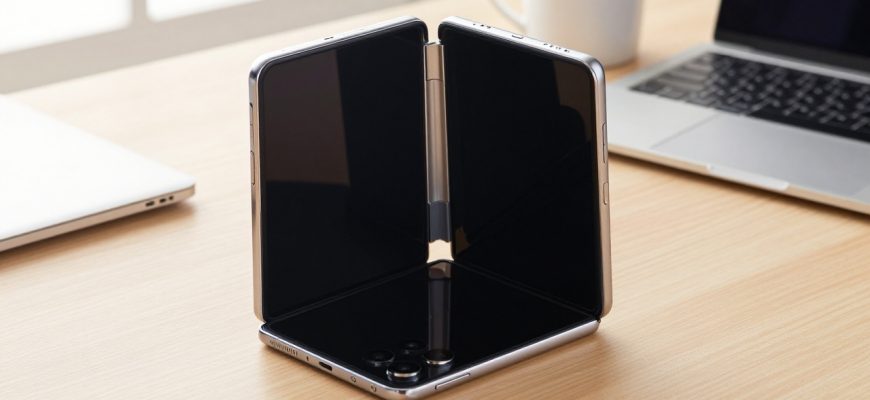
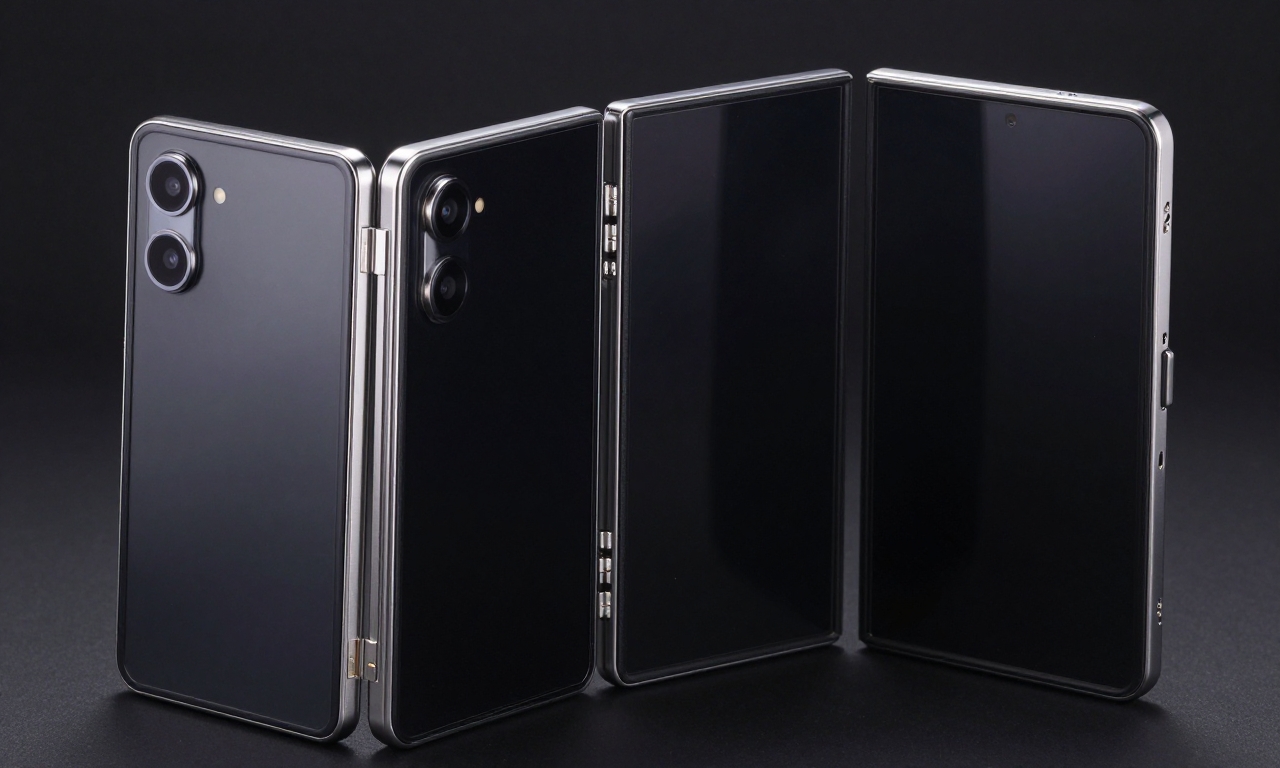
The most striking feature of the Galaxy Z TriFold is its unique form factor. Unlike traditional foldables that bend once, this device features dual titanium hinges that allow it to unfold into a massive 10-inch Dynamic AMOLED 2X display. When fully closed, users can access a conventional 6.5-inch cover screen for everyday smartphone tasks. The middle panel serves as a bridge between these two states, creating a seamless transition from phone to tablet.
Samsung’s decision to use an inward-folding design for all three panels provides better screen protection compared to outward-folding competitors like Huawei’s Mate XT. The company claims extensive durability testing, though the device only carries an IP48 rating for dust and water resistance-adequate for everyday use but not for more demanding environments.
Performance and Productivity Features
Hardware Specifications
Powering the Z TriFold is Qualcomm’s latest Snapdragon 8 Elite processor, paired with 16GB of RAM and storage options up to 1TB. This hardware combination ensures smooth performance whether you’re running multiple applications or engaging in resource-intensive tasks. The 5600mAh battery provides all-day power for most users, though heavy multitasking on the larger displays may require midday charging.
Samsung DeX: Desktop Experience on the Go
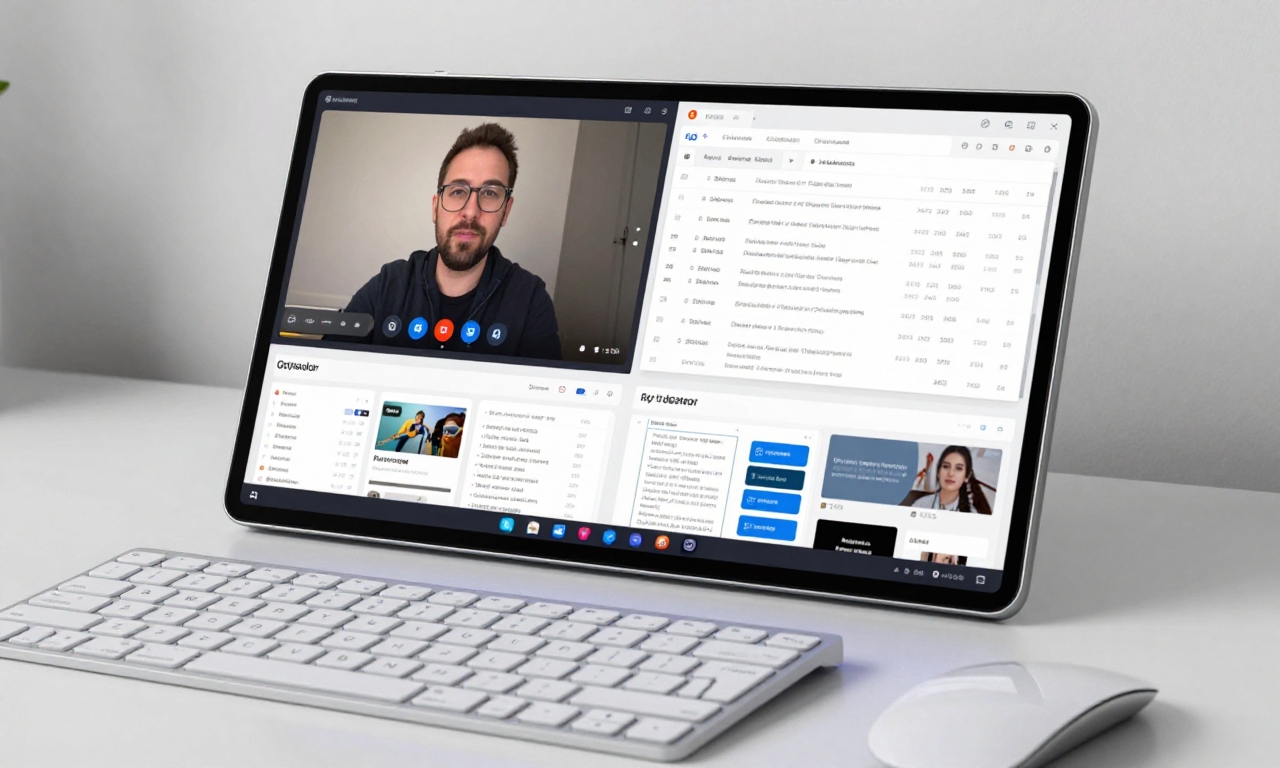
The standout productivity feature is the enhanced Samsung DeX mode, which transforms the 10-inch display into a desktop-like interface. Users can run up to five applications simultaneously across four different workspaces, making it ideal for professionals who need to reference documents, conduct video calls, and manage spreadsheets all at once. This feature alone could justify the device for mobile workers who previously needed both a smartphone and a tablet or laptop.
Camera System and Multimedia
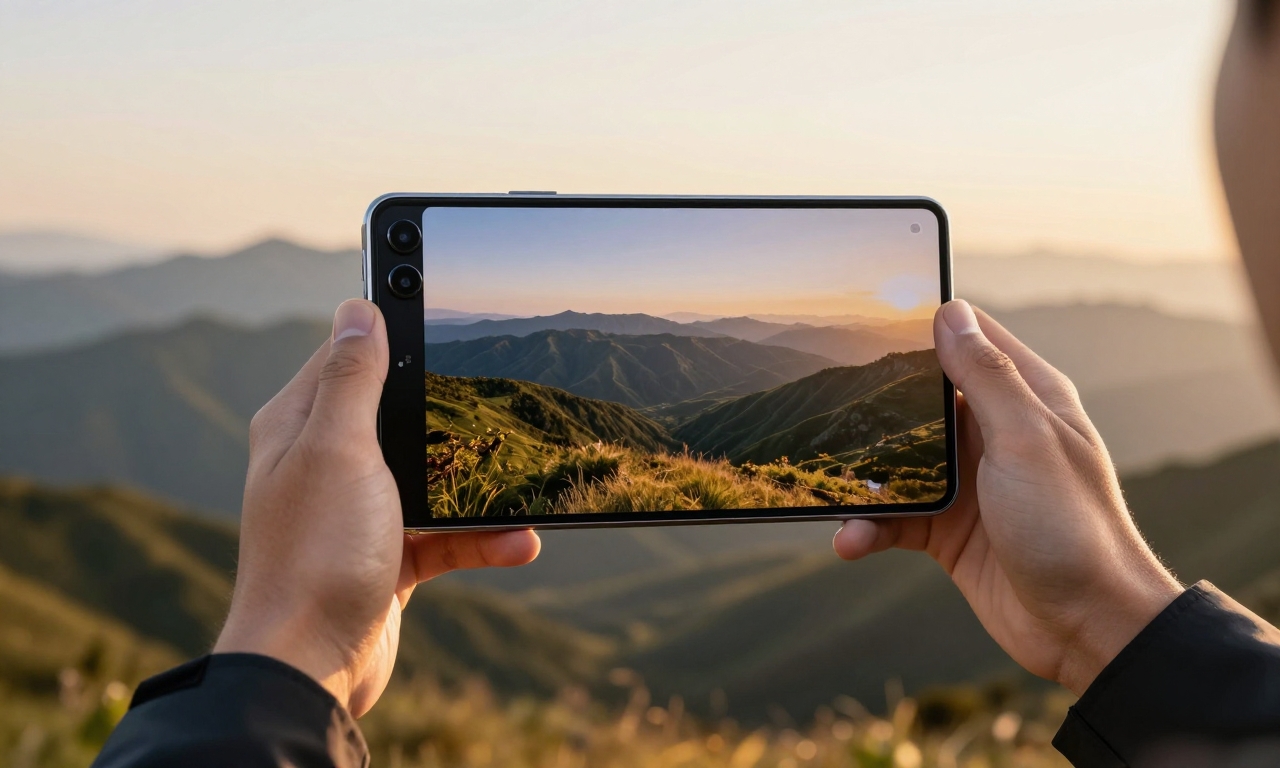
Samsung has carried over the triple camera system from the Z Fold 7, which includes a main sensor, ultra-wide lens, and telephoto camera. While not the absolute best in Samsung’s lineup, this system delivers consistent results across various lighting conditions. The larger display makes photo and video editing more practical, while media consumption benefits from the expansive screen real estate when watching movies or playing games.
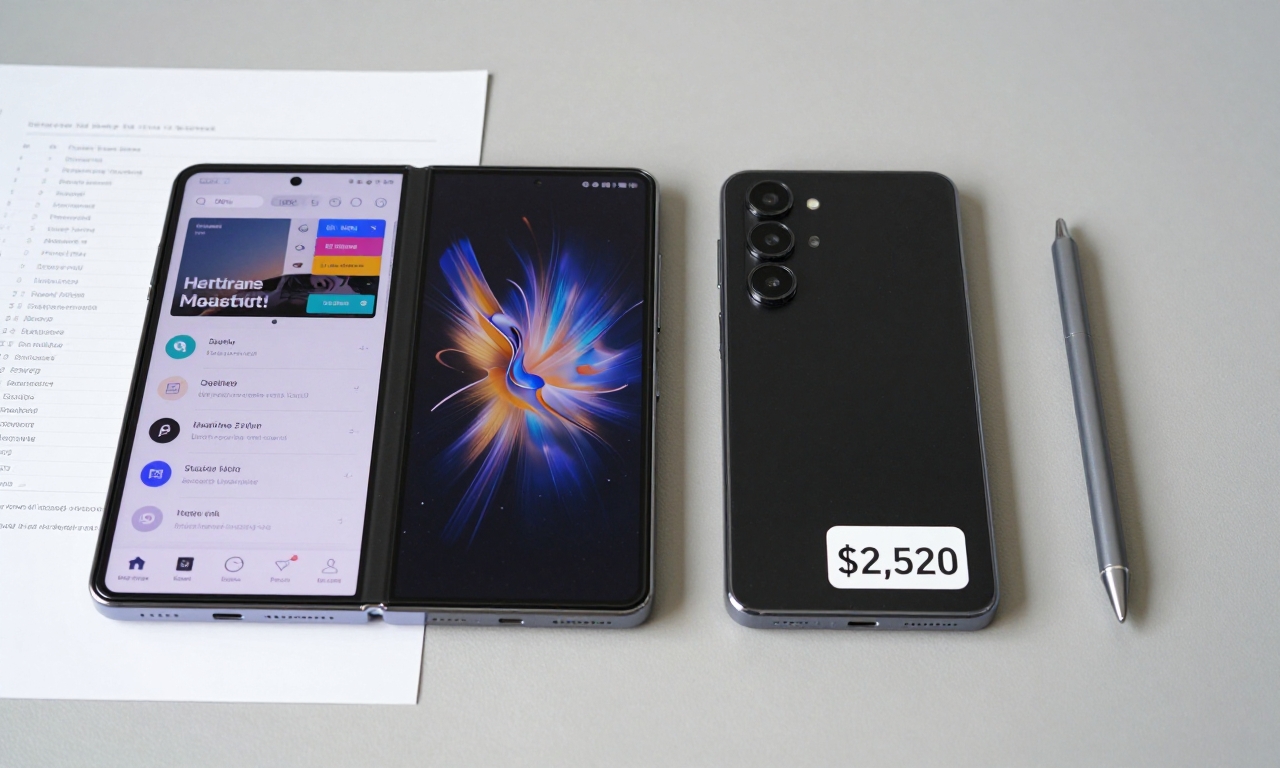
However, the absence of S Pen support is a notable omission, especially considering the device’s productivity focus and large display that would be ideal for note-taking and creative work. This limitation may disappoint users who have grown accustomed to stylus functionality on other Samsung devices.
Market Position and Competition
With a launch price of approximately $2,500, the Galaxy Z TriFold sits at the very top of the smartphone market. It faces competition from Huawei’s Mate XT in the tri-fold category, though Samsung’s inward-folding design offers better screen protection. Compared to traditional flagship smartphones and even other foldables, the Z TriFold’s value proposition centers entirely on its unique form factor and productivity enhancements.
The device is currently available in only one color option at launch, further emphasizing its positioning as a specialized tool rather than a fashion accessory. Samsung appears to be targeting early adopters, tech enthusiasts, and mobile professionals who prioritize screen real estate and multitasking capabilities above all else.
Pros and Cons: Is It Worth the Investment?
Advantages
- Unmatched screen real estate: The 10-inch display provides tablet-level productivity in a portable form factor
- Powerful performance: Snapdragon 8 Elite processor with 16GB RAM handles intensive multitasking
- Innovative DeX mode: Desktop-like interface transforms mobile workflow
- Durable construction: Dual titanium hinges and extensive testing ensure reliability
- Versatile form factor: Three distinct usage modes adapt to different scenarios
Limitations
- Premium pricing: At $2,500, it’s one of the most expensive smartphones available
- No S Pen support: Missed opportunity for creative professionals
- Limited color options: Only one choice at launch
- Moderate durability rating: IP48 protection may concern some users
- First-generation quirks: Potential for undiscovered issues common to new form factors
Verdict: A Niche Product with Revolutionary Potential
The Samsung Galaxy Z TriFold represents both an engineering triumph and a calculated gamble. Its three-screen design and enhanced DeX mode create a genuinely unique productivity tool that could redefine how professionals work remotely. However, its high price, limited availability, and missing features like S Pen support make it difficult to recommend to mainstream consumers.
For mobile professionals who regularly work across multiple applications and documents, the Z TriFold could be a game-changing device that consolidates multiple tools into one portable package. For everyone else, waiting for a potential second generation that addresses these limitations and potentially lowers the cost might be the wiser choice. As with many first-generation products, the Z TriFold lays impressive groundwork for the future of foldable technology while serving a specific, high-end niche in the present.
The Galaxy Z TriFold isn’t just another smartphone-it’s a statement about where mobile technology could go, wrapped in a package that’s available today for those willing to pay the premium.