Follow us on Facebook
Breaking updates in your feed — tap to open
Android customization is still growing as we pass through 2026, and it provides the users with unparalleled control of their devices. Rooting, which consists of acquiring administrative access to an Android phone, is still a potent instrument in the hands of enthusiasts who want to unlock the full potential of their phone. This detailed guide examines the tangible advantages and insatiable dangers of rooting in the modern context of technologies that can give users a chance to think over such an advanced change.

Learning the Advantages of Rooting
Performance optimization is one of the most convincing reasons to root an android gadget. Users can optimize their processing speeds, memory and thermal control of their phones by eliminating restrictions put by the manufacturers. This may cause perceivable gains in daily responsiveness and gaming quality, especially with older machines that may not cope with big software.
In addition to raw speed, rooting permits “all-inclusive” ad-blocking at the kernel level, block obtrusive applications in every application, and avoids using VPN-based blockers that may negatively affect battery duration.
Another major benefit of rooted access is debloating. Manufacturers frequently have many applications that cannot be deleted in a normal way with built in programs using up valuable storage space and system resources. By having root privileges, we can permanently delete those unwanted applications thus clearing up space and possibly extending battery life.
A more customized user interface is also possible in this process, offering a level of customization that extends way beyond what is possible in launchers of usual type.
Custom ROMs: Installing Beyond Manufacturer Software
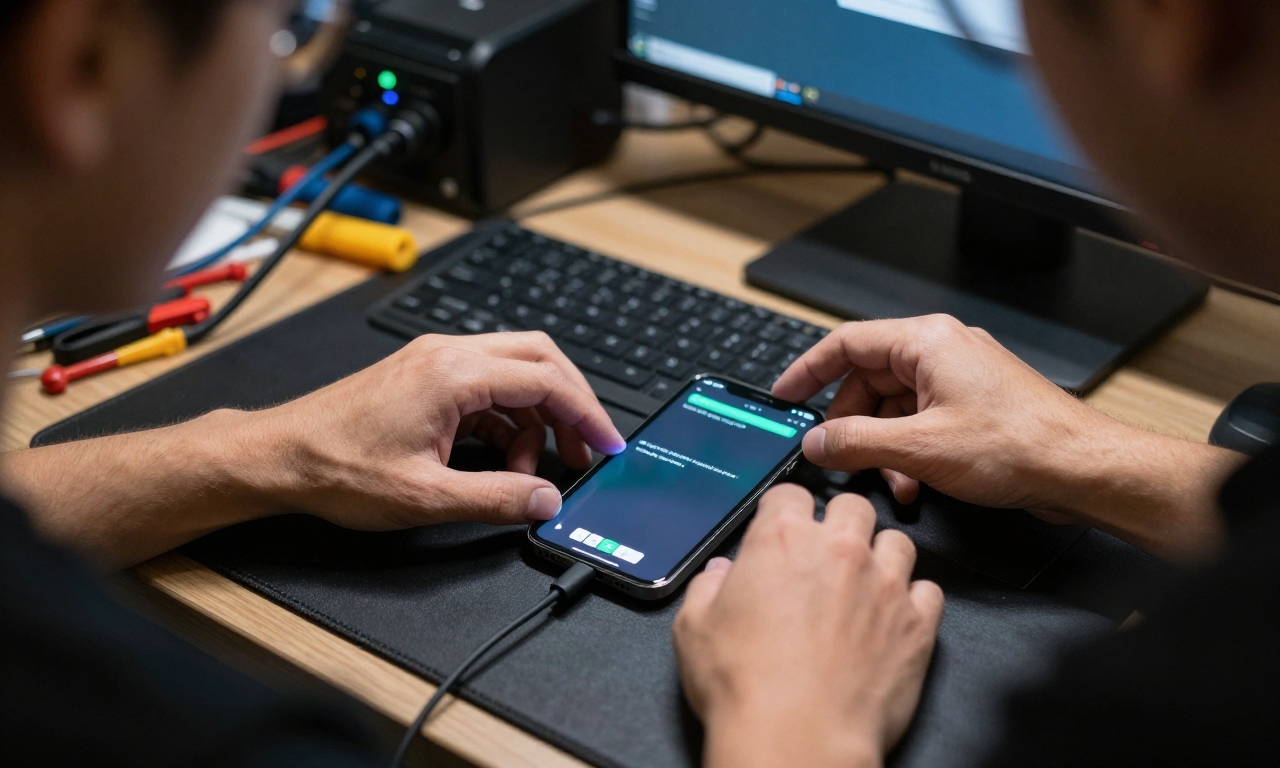
To those who want even more control, there are custom ROMs, such as LineageOS, which provide an entirely alternative to the manufacturer software. Community-built operating systems offer more clean interfaces, quicker updates, and longer compatibility with devices that a manufacturer has discarded.
Custom ROM installation is a serious business and must be properly prepared with unlocking the bootloader and making full backups of your own system. The procedure greatly differs depending on the model of the device, with well-established device brands such as Samsung Galaxy, Google Pixel, and OnePlus devices being well documented.
Users have to be aware of the warranty implications before trying to carry out any modification. Majority of the additional manufacturers revoke warranties on rooted devices, however, consumer protection laws in certain jurisdictions restrict it.
The biggest trade-off is security, because rooting bypasses such security measures as verified boot and enforcing SELinux by default. This predisposes devices to malware, especially when they install applications obtained within suspicious platforms.

Real-World Guidelines on the various types of users
To the average user who uses their phone more often to communicate, socialize, and simple applications, the dangers of rooting are probably greater than the advantages. This course of action is not recommended to users who treasure reliability over flexibility because of the security implication and the possibility of instability among devices used.
Nevertheless, to users of power devices (i.e. those who push their devices to the farthest limits, whether in gaming, in development, or in specialized tasks) the freedom of choice and configuration can be ultimate.
Another group that could possibly use rooting is students and cost-saving consumers. Performance optimization and custom ROMs can extend the life of older devices by offering them more recent versions of Android than manufacturers do. This strategy takes technical expertise and readiness to diagnose potential problems, yet has the ability to create flagship-quality experiences even on midrange or low-end phones.
The procedure requires thorough research on device-specific processes with procedures that work with one model potentially bricking another.
In understanding the concept of rooting in 2026
Users need to consider their comfort level in the technicality and readiness to handle the security of their device. Tools such as Magisk now have mature landscape and offer systemless root solutions that can bypass some security checks whilst still remaining functional with banking applications. Nonetheless, the underlying trade-off, namely greater control and less protection against malicious software, remains.
To those who are going ahead with making changes, the most important preparatory action will be to generate a complete back up. Both cloud services and local computer backups are to be used because in some cases, the process of rooting can lead to the complete loss of data.
Using specific model-specific guides, as opposed to general tutorials, is a thousand times more likely to be successful. Extensive communities within installers such as XDA Developers for specific devices offer community-based forums where users can obtain procedures that have been tested and troubleshooting guidance.
Android Customization Future
Further projections indicate that the relationship between the personalization community and manufacturer is still developing. Other businesses have tolerated part of user modification, including providing official bootloader unlocking software and developer support packages. Some strive to ensure a strict control of their software ecosystems, with more and more advanced anti-modification protection measures. This openness-security conflict will probably remain the characterization of the Android developmental curve until the end of the decade.
Finally, whether to root an Android device will depend on personal priorities and technical ability in 2026. The rewards can be large to those who appreciate absolute control of their hardware and software. Performance optimization, adblocking, debloating, and custom ROM installation can be experienced, which no standard Android settings allow. These benefits, however, have real dangers to security, stability and warranty coverage which each user should take good care to be aware of before moving forward.