Follow us on Facebook
Breaking updates in your feed — tap to open
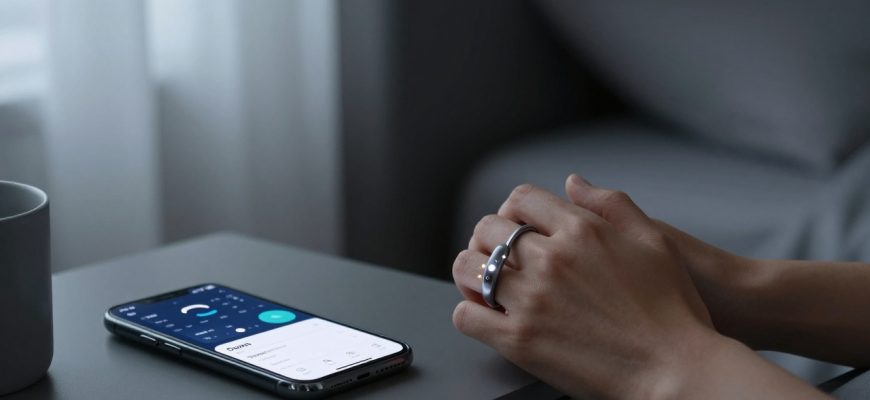
As technology enthusiasts at Future Gatgets, we’re always exploring how wearables can enhance our daily lives. While smartphones and gadgets dominate our waking hours, what happens when we power down for the night? Sleep tracking devices like the Oura Ring have revolutionized how we understand our rest, moving beyond simple step counts to detailed insights about sleep stages, recovery, and circadian rhythms.
We spoke with over 100 dedicated Oura Ring users who’ve transformed their sleep through data-driven experimentation. Their collective wisdom reveals that while wearables provide the numbers, personal adaptation is what truly unlocks better sleep. Here are their 11 most effective strategies for sleep optimization.
- The Critical Importance of Wind-Down Routines
- Simple Transition Practices That Work
- Nutrition Timing: The Three-Hour Rule
- Smart Late-Night Snacking
- Strategic Supplement Use for Advanced Optimization
- Solving the Nighttime Awakening Puzzle
- Comprehensive Sleep Hygiene: Your Foundation
- The Non-Negotiables
- The Alcohol and Caffeine Reality Check
- Daytime Habits That Transform Nighttime Sleep
- Morning Light Exposure
- Consistency Over Catch-Up
- Strategic Exercise Timing
- The Power of Measurement and Personalization
The Critical Importance of Wind-Down Routines
Our brains don’t have an on/off switch. Jumping straight from stimulating activities like work emails or intense gaming to bed keeps your brain in high-alert beta waves, making quality sleep nearly impossible. The most consistent finding among successful Oura users was establishing a deliberate wind-down routine.
Simple Transition Practices That Work
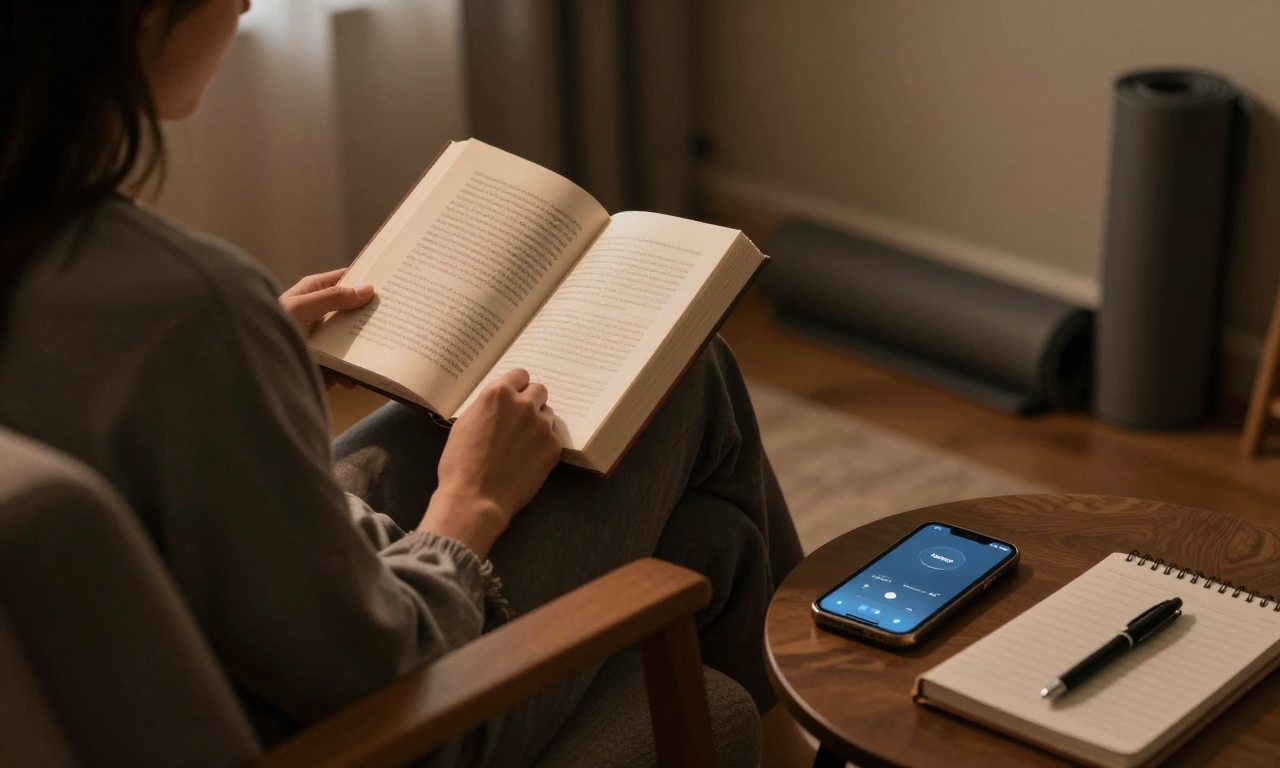
“I started reading physical books for just five minutes with my phone on airplane mode,” shared one user whose sleep scores improved by 15%. “The shift from screen time to quiet reading signals to my nervous system that it’s time to shift into parasympathetic mode.”
Other effective wind-down strategies include:
- Gentle stretching or yoga poses
- Meditation apps with sleep-specific content
- Journaling to clear mental clutter
- Dimming lights 60-90 minutes before bed
Nutrition Timing: The Three-Hour Rule
Your Oura Ring tracks body temperature fluctuations, and here’s what users discovered: eating within three hours of bedtime consistently elevates core temperature and disrupts melatonin production. This creates a double-whammy for sleep quality.
Smart Late-Night Snacking
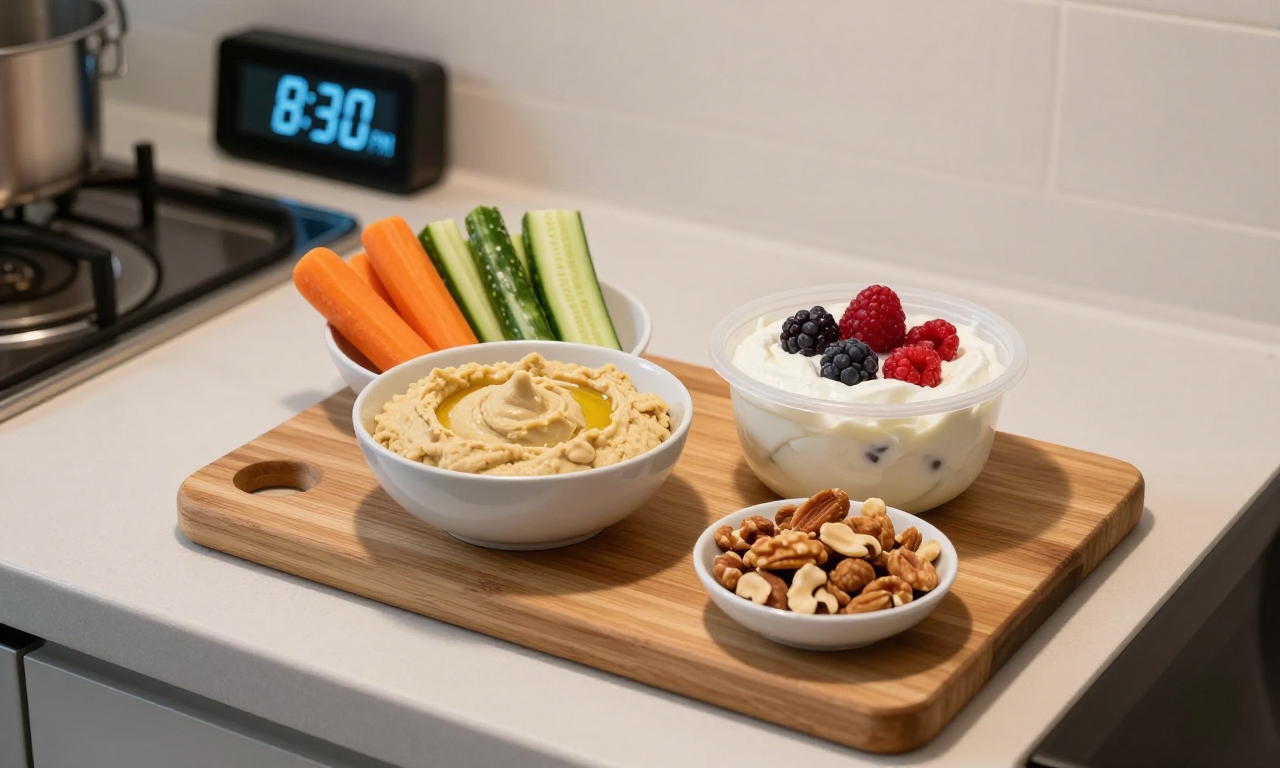
“I’m not suggesting you go to bed hungry,” explained a nutrition-focused user. “If you need something, choose blood sugar-stabilizing options like hummus with vegetables, Greek yogurt, or a small handful of nuts. These won’t spike your glucose levels and cause those 3 AM awakenings.”
Pro tip: Track your evening meals in the Oura app notes. Many users discovered specific foods (like spicy dishes or heavy proteins) that consistently lowered their sleep scores, enabling them to make personalized adjustments.
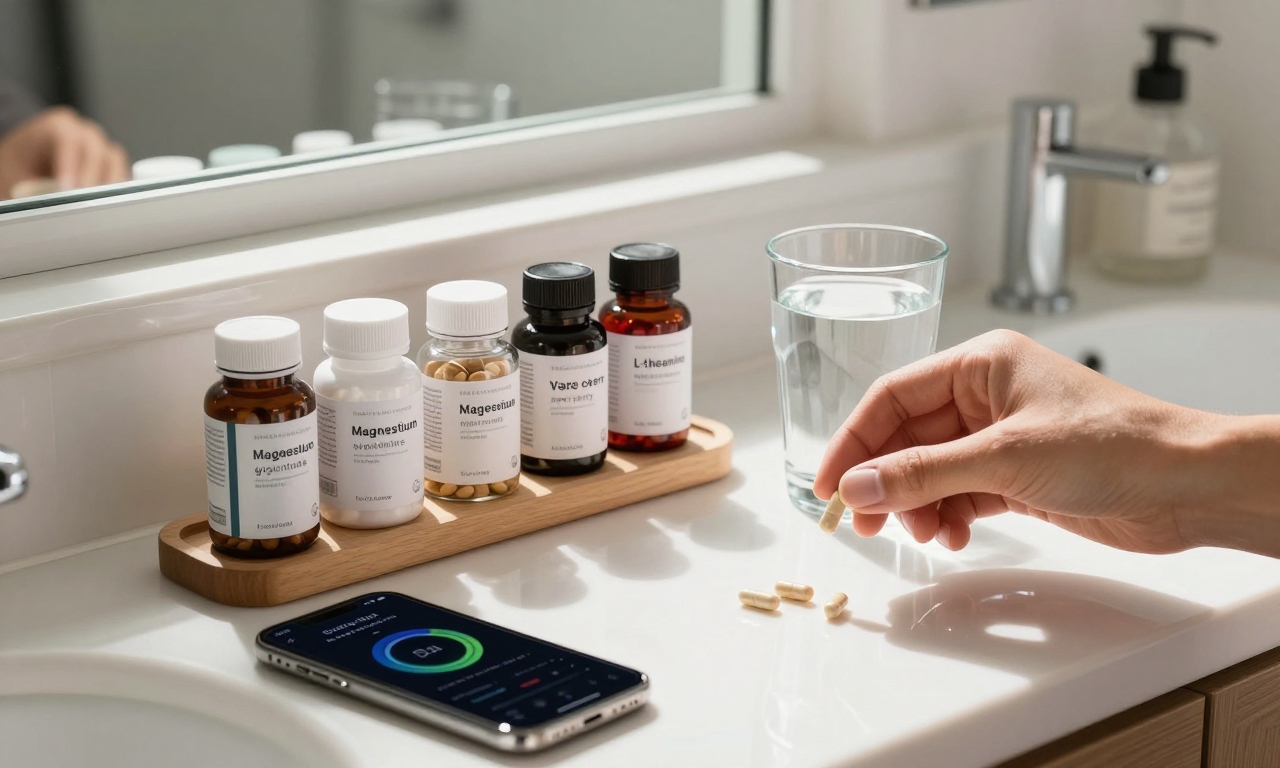
Strategic Supplement Use for Advanced Optimization
For those seeking next-level sleep improvement, several supplements emerged as game-changers among Oura enthusiasts. The key insight? Strategic, informed use rather than random supplementation.
| Supplement | Primary Benefit | User Experience |
|---|---|---|
| Magnesium Glycinate | Muscle relaxation, nervous system calm | “Reduced nighttime leg cramps and deeper sleep” |
| Melatonin | Circadian rhythm regulation | “Best for jet lag or shift work adjustment” |
| Valerian Root | Anxiety reduction, sleep onset | “Helps quiet racing thoughts at bedtime” |
| Tart Cherry | Natural melatonin source | “Gentle, consistent improvement in sleep quality” |
| L-Theanine | Stress reduction without sedation | “Perfect for afternoon anxiety that affects sleep” |
Important: Several users emphasized checking for underlying deficiencies. “My sleep only improved after addressing low iron levels,” one user noted. “The Oura data showed persistent fatigue despite good sleep duration, prompting blood tests.”
Solving the Nighttime Awakening Puzzle
Waking up at 2 AM and staring at the ceiling? Oura users identified three primary culprits and their solutions:
- Blood sugar dips: Balanced dinners with protein, fat, and complex carbs prevent midnight hunger
- Temperature spikes: Cooler bedrooms (64-68°F) and moisture-wicking bedding
- Stress resurfacing: Evening journaling or next-day planning to reduce mental load
“The Oura Ring’s detailed sleep stage tracking showed I was consistently waking during REM sleep,” shared a user who solved their issue. “Keeping a sleep journal alongside the data revealed it was work stress. Addressing that reduced awakenings by 80%.”
Comprehensive Sleep Hygiene: Your Foundation
All the supplements and routines in the world won’t help if your sleep environment works against you. Successful Oura users treat their bedrooms as sleep sanctuaries designed to signal “rest” to their nervous systems.
The Non-Negotiables
- Darkness: Blackout curtains or quality sleep masks
- Quiet: White noise machines or earplugs for noisy environments
- Cool: Temperature regulation through AC, fans, or cooling pads
- Distraction-free: No work materials, bright clocks, or charging devices visible
The Alcohol and Caffeine Reality Check
Oura data doesn’t lie, and here’s what it consistently shows: alcohol impairs REM sleep and recovery metrics, while caffeine-even consumed hours before bed-reduces total sleep time and restorative stages.
“I thought my 4 PM coffee wasn’t affecting me,” admitted one user. “But the Oura data showed my deep sleep decreased by 25% on coffee days versus decaf days. Now I have a 2 PM cutoff.”
Daytime Habits That Transform Nighttime Sleep
Sleep optimization isn’t just about what happens at night. Oura users identified three daytime practices with dramatic effects:
Morning Light Exposure
“Getting 10-15 minutes of morning sunlight anchors my circadian rhythm,” explained a user whose sleep consistency improved dramatically. “The Oura app shows my body temperature rhythm stabilizing within days of starting this practice.”
Consistency Over Catch-Up
Weekend sleep-ins might feel restorative, but Oura data reveals they disrupt circadian rhythms. “Keeping within an hour of my weekday wake-up time, even on weekends, gave me more energy than sleeping in,” reported multiple users.
Strategic Exercise Timing
Daytime exercise improves sleep quality metrics across the board-unless done too late. “Evening workouts raised my resting heart rate and delayed sleep onset,” noted a fitness enthusiast. “Moving them to morning or afternoon solved this completely.”
The Power of Measurement and Personalization
Ultimately, the Oura Ring’s greatest value lies in revealing hidden patterns. “I had no idea I was getting so little deep sleep until I saw the data,” shared a long-term user. “Once I knew, I could experiment with solutions and track what actually worked.”
“Wearables provide the map, but you have to walk the path. The Oura Ring shows you where the obstacles are-poor sleep stages, frequent awakenings, temperature issues-but you need to try different solutions to find what works for your unique biology and lifestyle.”
Start with one change-perhaps a wind-down routine or adjusting your last meal time-and track the results in your Oura app. Small, data-informed adjustments compound into transformative sleep improvements over time.