Follow us on Facebook
Breaking updates in your feed — tap to open
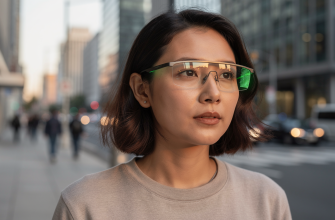
The 2026 Consumer Electronics Show was full of AR glasses with promises of revolutionizing the way we relate to digital information. Even though the concept has long been around, the showcase this year indicated that it might have reached a tipping point of mainstream adoption. The manufacturers of the proven technological giants and of ambitious startups alike offered their visions, yet each one of them argued that it has addressed the most essential challenges that have kept AR glasses in the niche segment. We will not just judge by the glitzy displays, but we will look at the reality on the ground that will tell us whether these gadgets are prepared to be handed over to regular consumers and not just to the early adopters and developers.
Assessing Display Quality and Visual Experience
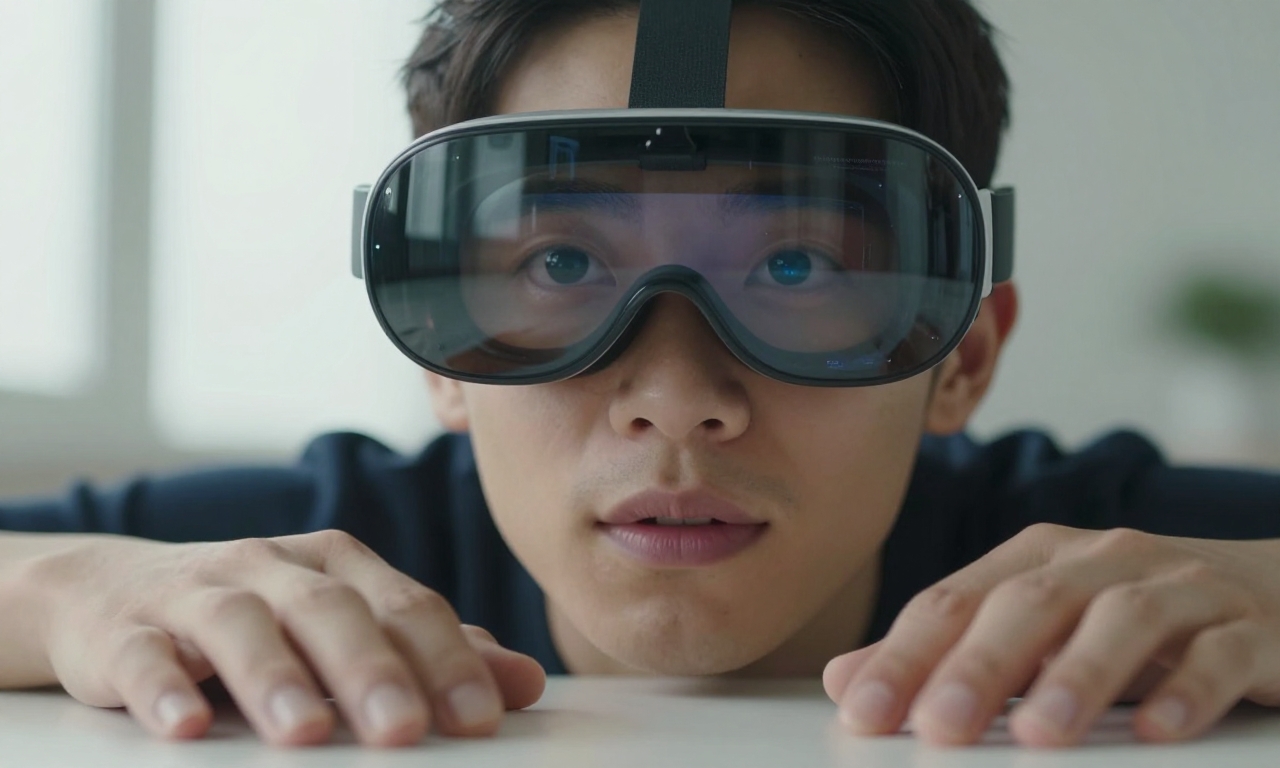
The quality of the display is one of the most crucial considerations of augmented reality glasses that directly influences usability and immersion. Some models had OLED panels, which produced excellent color reproduction and contrast and made virtual objects look brightly on a real background. High refresh rates were especially beneficial in models that were aimed at interactive use, as motion blur was minimized in response to head movements. Nevertheless, there were considerable differences in field of view and brightness, and certain gadgets cannot operate efficiently during bright conditions. Display resolution also differed significantly, including text readability and detail in augmented overlays. Although high end models provided visual experiences that were close to consumer expectations, most still had a screen-door effect or poor peripheral integration that reminded people that they were looking through a device.
Battery Life and Charging
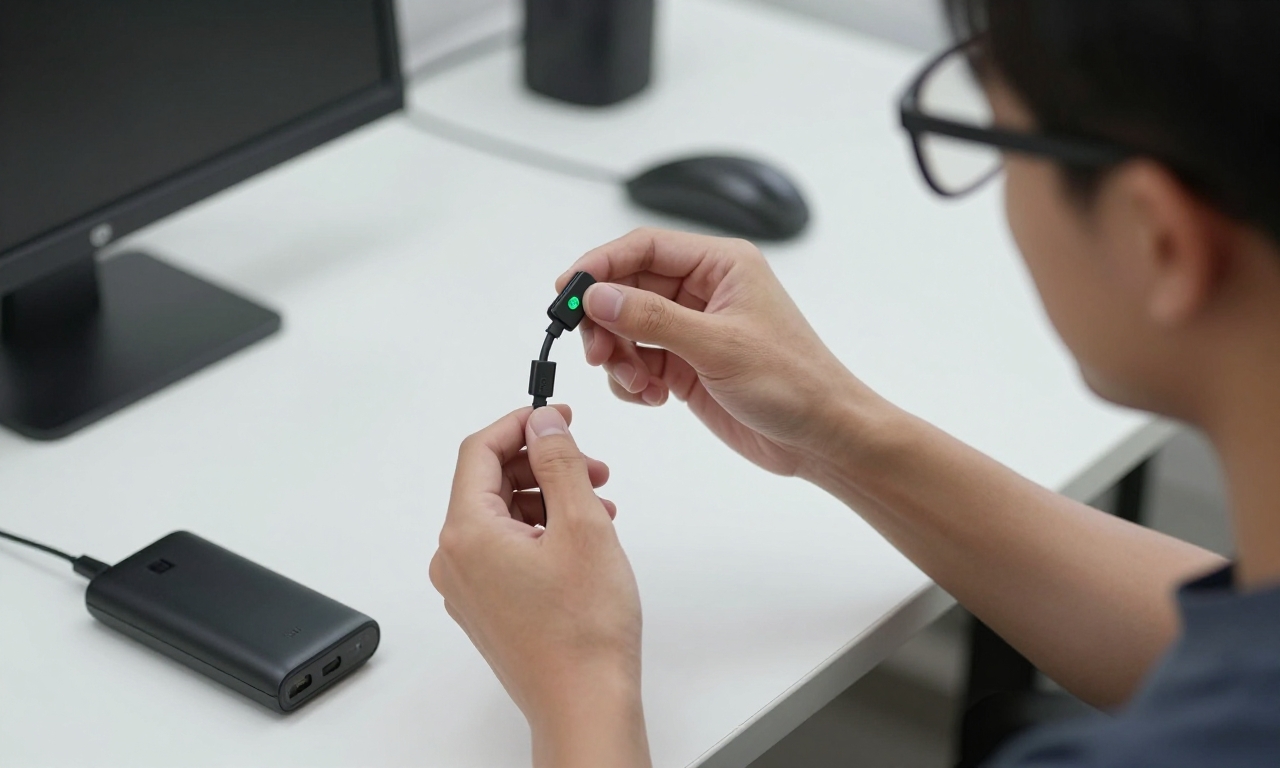
Perhaps the most feasible hurdle to all-day wearable usage is battery life, and our tests showed that there are significant differences among models. Other gadgets could only support two to three hours of active usage, which necessitated regular recharge that interferes with taking a break or watching TV. Others used more effective processors and display systems in order to meet the five or six hours, which borders the mainstream limit. Short battery life was also mitigated by fast charging capabilities, with some models charging up more than 50 percent in less than thirty minutes. The switch to USB-C charging on the vast majority of devices made it easier to power devices, and at the same time, wireless charging was not yet common. With battery life being a key factor in deciding whether a gadget could actually substitute a device in term of performing some tasks, to users contemplating the purchase of such glasses due to productivity or long distance drive, battery performance became an issue to be considered during a select of gadgets.
Comfort and Design
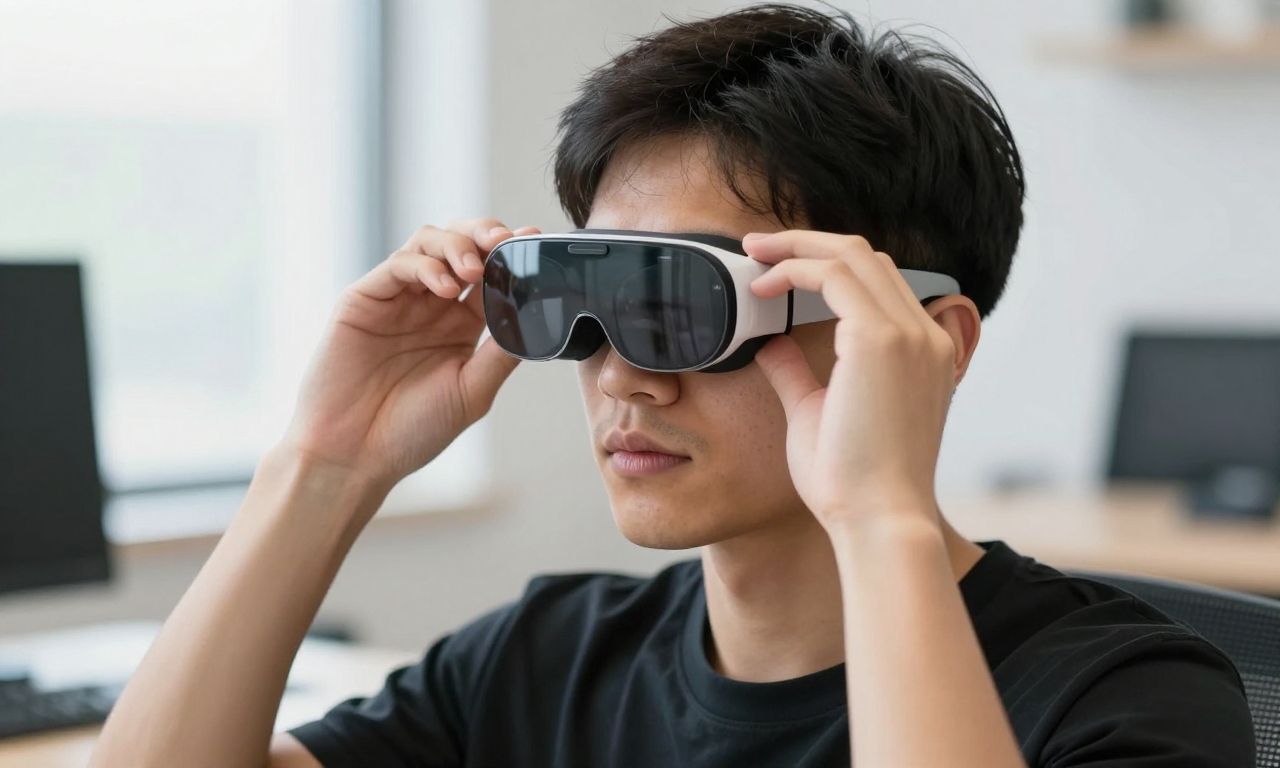
The aspects of comfort and design seriously affect the likelihood of users to wear augmented reality glasses over an extended period of time. Many factors came to play but weight distribution was most important with the models that redistributed parts around the frame as opposed to those that were front-heavy straining the neck. Several materials such as superior metals and composites, as well as lightweight plastics, were used, which influenced the durability and wear ability. A number of manufacturers included adjustable nose pads and temple arms to fit various shapes of faces, a minor but crucial detail that had been forgotten in earlier generations. The overheating problem appeared with the continuous use of certain higher-performing models, especially with more powerful processors to render complicated AR. Although most devices did not get too hot, some had to cool down in intensive usage.
App Ecosystem and Practical Utility
The ecosystem of apps related to augmented reality glasses defines their value in the real world, not linked to technical characteristics. Strong portfolio of applications makes these devices more than fascinating prototypes as useful productivity, entertainment, and information accessibility devices. Models that enjoyed well-developed developer support provided more refined experiences, such as navigation overlays to interactive educational content. There was a certain promise in gaming applications, as a variety of glasses had enough tracking to respond to to offer immersive experiences. Nonetheless, the cross-platform fragmentation implied that the apps that were compelling on one device could not be found on another, provoking the issues of ecosystem lock-in. The maturity of productivity applications was quite mixed as some of them presented really useful information displays and screen extensions whereas others were mere proofs of concept.
Performance and Processing
Performance testing tested the ability of various augmented reality glasses to process the real world requirements. Devices that used dedicated AR processors tended to provide much less latency between motion and display updates, which are essential in keeping the illusion of integrated digital elements. Flags Flagship models used thermal management systems to avoid throttling of performance when operated long-term, keeping frame rates steady. Lower-end and cost-conscious devices frequently had issues with more complicated scenes or multiple overlapping augmented objects, and these showed their weakness as general-purpose devices. Integration with existing smartphone ecosystems also impacted perceived performance, a seamless connectivity increased functionality, and connection problems worsened the whole experience.
Additional Differentiators
In the comparison of models based on mainstream readiness, some main differentiators appeared in addition to mere specifications. The issue of endurance featured waterproof ratings that identified whether devices were capable of everyday environmental exposure, ranging between a light rain and accidental spills. Storage capacity influenced the number of applications and assets that could be kept locally and those that could not be kept locally and needed constant cloud availability. Privacy capabilities were also considerably different with some models having visible indicators in cases of recording or processing visual information and others providing less clarity regarding data collection. The move towards more discrete designs made the models less conspicuous to wear in public, which helped to overcome one of the social acceptability challenges that have constrained past AR glasses.
The Judgment of Mainstream Viability
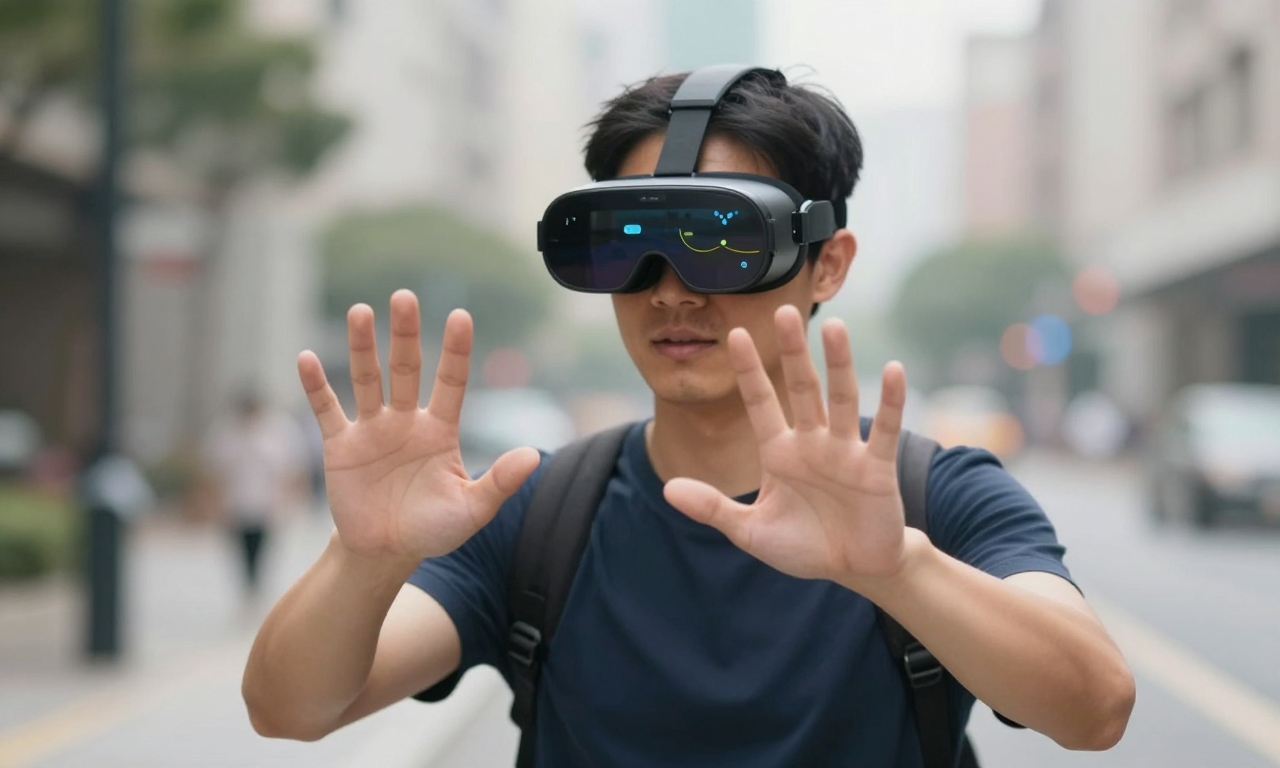
After the thorough analysis that we have presented below, there is a definite difference between the glasses of augmented reality that are at a stage of mainstream consideration and those that are still in a state of development. Most promising models involve sufficient battery life with comfortable designs and purposeful application support, built into integrated ecosystems instead of a transactional experience with individual hardware. The existence of these devices shows that the basic technology has already reached the maturity stage to be put into practical daily practice in certain situations especially to facilitate productivity and display information. Nevertheless, the current offerings, even when the best, are a tradeoff against the ideal of a seamless, all-day augmented reality, which is not apparent as an extension of perception but an unnatural gadget.
The choice should rest with the consumer looking at augmented reality glasses, where the base case to be used, or the tolerance of the early-adopters trade-offs will dictate the success. The high-quality display models and battery life are very useful as a secondary display when a professional needs to have hands-free information. Products with vibrant app environments provide attractive entertainment and gaming experiences that highlight the potential of the medium. However, there are still considerable voids until such products could compete with smartphones in terms of universal utility, or even with smartwatches. The developments seen at CES 2026 indicate mainstream feasibility is in sight, although the vast majority of the models remain in need of additional refinement in comfort, battery technology, and software development to prove as important products and not merely interesting novelties.