Follow us on Facebook
Breaking updates in your feed — tap to open
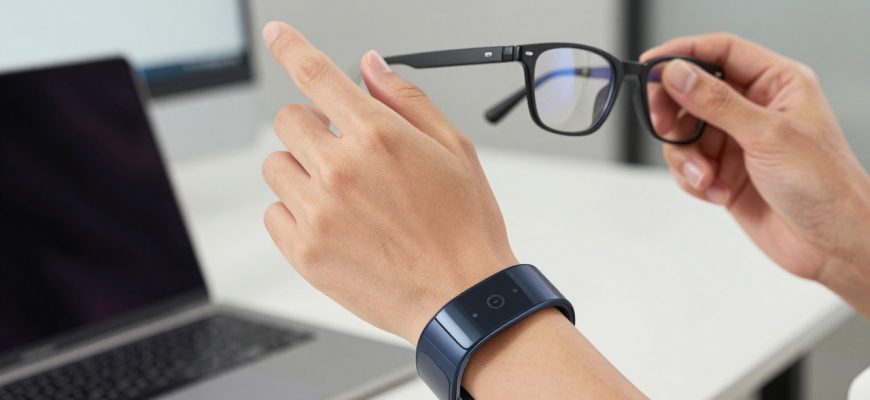
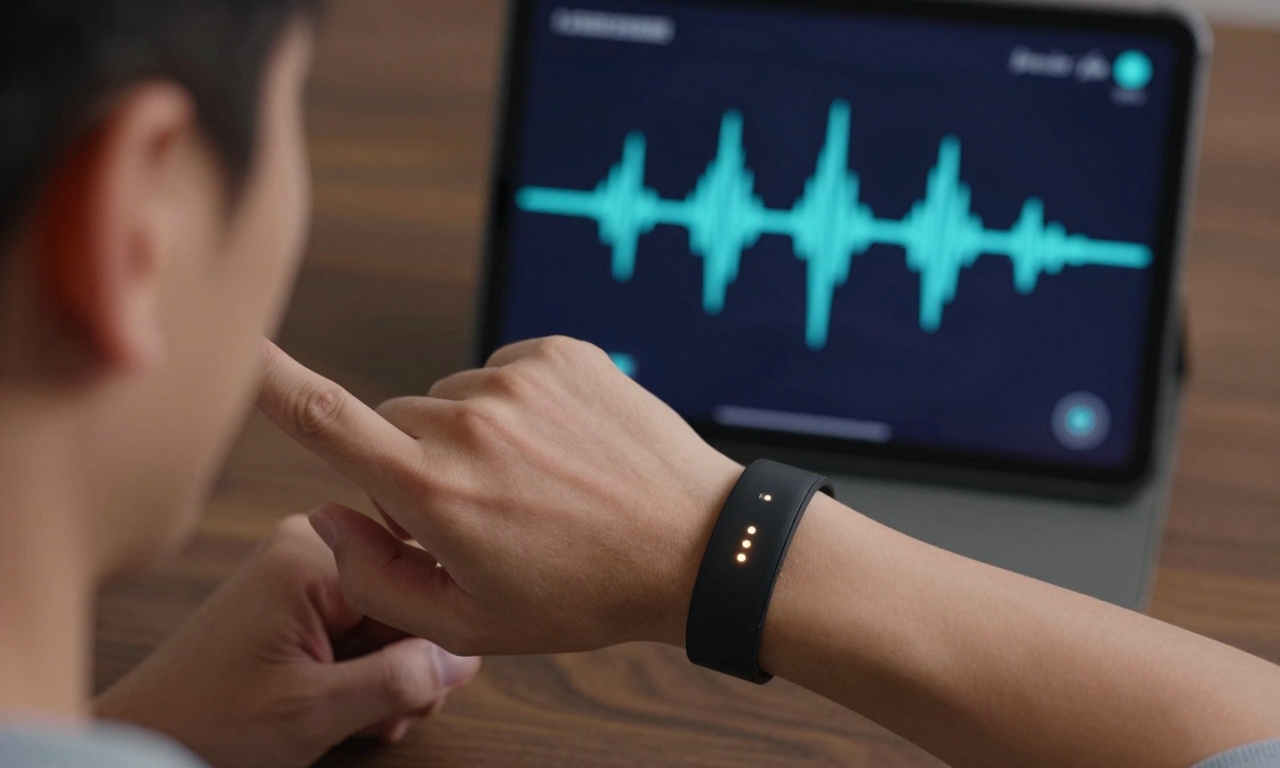
While flashy smart glasses with heads-up displays and real-time translation capabilities capture headlines, the most transformative announcement at Meta Connect 2025 wasn’t what you see through the lenses-it’s how you control them. The Meta Neural Band, a wrist-worn surface electromyography (sEMG) device, represents a bold attempt to solve one of wearable technology’s most persistent problems: intuitive, discreet input. By reading electrical impulses from wrist muscles to translate tiny finger gestures into actions, Meta is betting that neuromuscular signals, not voice commands or awkward taps, will define the next generation of human-computer interaction.
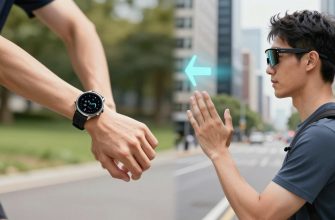
This development comes at a critical juncture for wearables. As devices become more integrated into daily life-from smart glasses to AR headsets to fitness trackers-the limitations of current input methods have become increasingly apparent. Voice interfaces can be socially intrusive or impractical in noisy environments. Physical buttons and touchscreens on wearables are often too small for precise interaction. The Neural Band proposes an elegant solution: control your devices with gestures so subtle they can be performed with your arms at your sides or even behind your back.
- The Technology Behind the Gesture Revolution
- Addressing Wearables’ Persistent Input Problem
- From Glasses to Ecosystem: Meta’s Broader Vision
- The Hurdles: Accuracy, Latency, and Accessibility Concerns
- The Calibration Conundrum
- Beyond the Hype: Practical Implications for Users
- The Competitive Landscape and Future Trajectory
- The December Beta: What to Watch For
- Conclusion: Gesture Control’s Make-or-Break Moment
The Technology Behind the Gesture Revolution
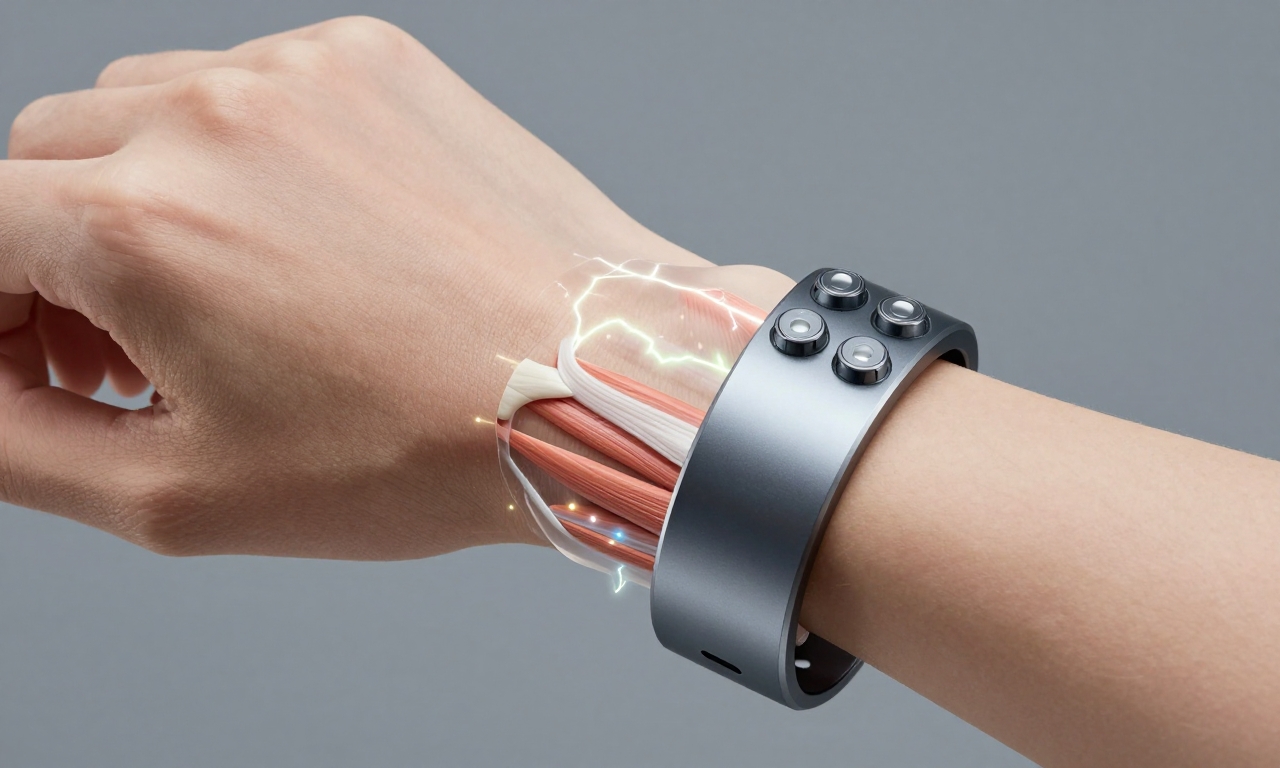
At its core, the Meta Neural Band relies on surface electromyography (sEMG), a non-invasive technique that detects electrical activity produced by skeletal muscles. Unlike camera-based gesture recognition systems that require line-of-sight and specific hand positions, sEMG reads signals directly from the source-the muscles themselves. When you make even the slightest finger movement, your forearm muscles generate distinctive electrical patterns that the Band’s sensors can detect and interpret.
Meta’s implementation appears sophisticated, building on years of research and numerous patents in neuromuscular signal calibration. The system must distinguish between intentional gestures and natural muscle activity, filter out noise from movement artifacts, and translate complex signal patterns into reliable commands. Early demonstrations show the Band enabling text entry through air typing, camera controls for the Ray-Ban Display glasses, scrolling through content, and application switching-all without ever touching a device or speaking a word.
Perhaps most intriguing is the beta handwriting feature teased for December release. This functionality would allow users to compose messages by tracing letters on any surface-a table, their leg, or even in the air-with the Band interpreting the muscle movements of their writing hand. If successful, this could provide a private, natural-feeling text input method that surpasses the awkwardness of voice dictation in public spaces.
Addressing Wearables’ Persistent Input Problem
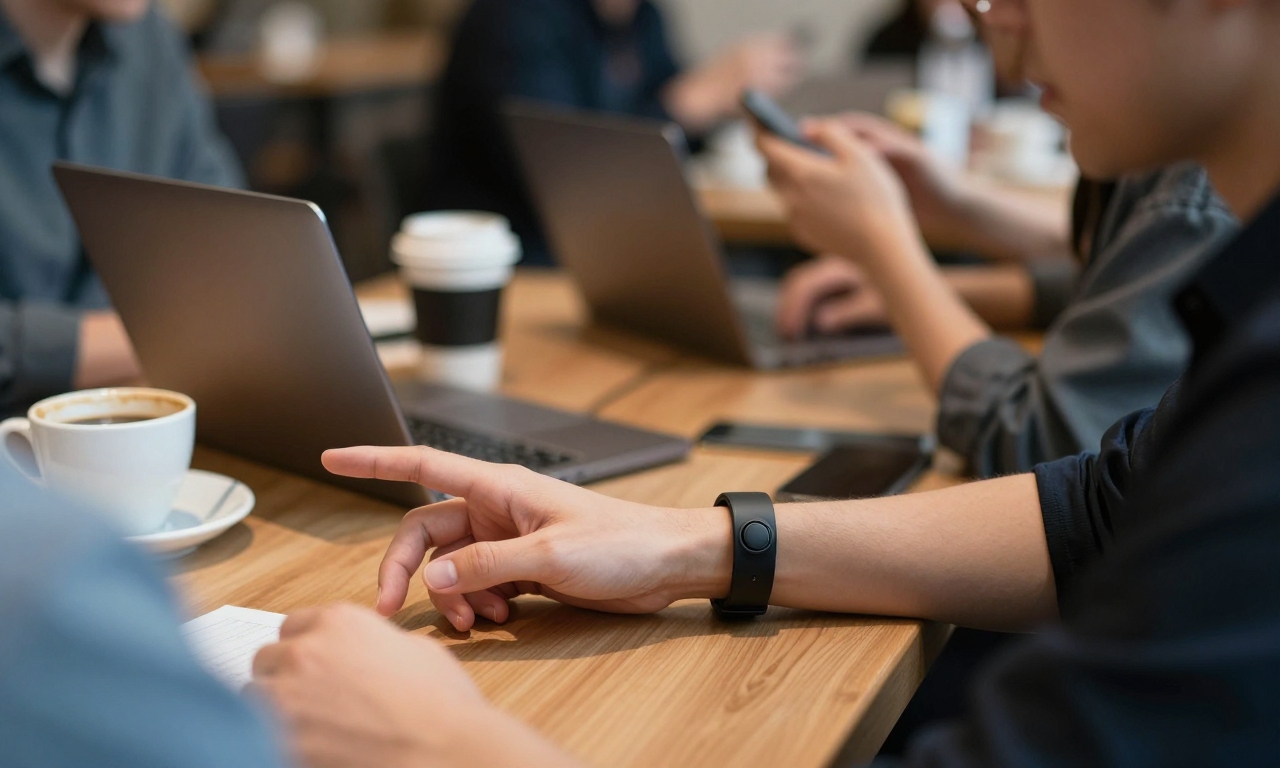
For years, wearable manufacturers have struggled with the input paradox: as devices become smaller and more integrated, traditional interaction methods become less practical. Smartwatches with tiny touchscreens force users to perform precision taps with clumsy fingers. Voice assistants work well at home but create social awkwardness in public settings. Side-taps and crown rotations offer limited functionality. The Neural Band directly targets these limitations with several key advantages:
- Discretion: Gestures can be performed subtly, without drawing attention or interrupting social interactions
- Context Flexibility: Input works whether your hands are in pockets, at your sides, or occupied with other tasks
- Environmental Resilience: Unlike voice, sEMG isn’t affected by background noise or the need for privacy
- Physical Integration: The wrist location leverages natural hand positioning without requiring additional movement
This approach transforms gesture control from a novelty feature-remember the failed attempts at hand-waving interfaces for smart TVs?-into a plausible primary input method for everyday wearables. The implications extend beyond smart glasses to potential applications in smartwatches, fitness trackers, VR controllers, and even medical devices.
From Glasses to Ecosystem: Meta’s Broader Vision
While currently positioned as a companion to the Ray-Ban Display glasses, Meta’s patents and statements suggest ambitions far beyond a single accessory. The company has framed sEMG as “a new input paradigm for human-computer interaction,” language that hints at a broader family of wearables. We could envision Neural Band technology integrated into:
- Standalone smart bands for controlling phones, computers, and smart home devices
- Medical wearables for monitoring neuromuscular conditions or rehabilitation progress
- Accessibility devices that translate subtle movements into communication or control signals
- Enterprise applications for hands-free operation in manufacturing, healthcare, or field work
This expansion potential explains why Meta is investing so heavily in what might initially seem like a niche accessory. They’re not just building a better remote control for smart glasses-they’re attempting to establish a new standard for how humans interact with all connected devices.
The Hurdles: Accuracy, Latency, and Accessibility Concerns
Despite its promise, gesture-based input via sEMG faces significant technical and practical challenges that have plagued similar technologies for decades. Meta’s Neural Band must overcome several critical hurdles to move from impressive demo to reliable daily driver:
| Challenge | Potential Impact | Meta’s Possible Solutions |
|---|---|---|
| Gesture Accuracy | Misinterpreted commands frustrate users and reduce trust in the system | Advanced machine learning models trained on diverse user data; personalized calibration |
| Response Latency | Delay between gesture and action breaks the “direct manipulation” feeling | On-device processing to minimize cloud dependency; optimized signal processing algorithms |
| Learning Curve | Unintuitive gestures require memorization and practice | Natural mappings (pinch to zoom, swipe to scroll); adaptive systems that learn user preferences |
| Accessibility Limitations | People with unsteady hands or neuromuscular conditions may struggle | Customizable sensitivity settings; alternative input fallbacks; voice command integration |
| Individual Variability | Muscle signals differ between users based on anatomy, fitness, and other factors | Extensive calibration processes; continuous adaptation during use |
These concerns echo earlier critiques of gesture interfaces across various technologies. Microsoft’s Kinect, Leap Motion controllers, and even smartphone gesture features have often struggled with reliability issues that limited their mainstream adoption. The Neural Band’s success will depend not just on whether the technology works in controlled demonstrations, but whether it works consistently for diverse users in real-world conditions.
The Calibration Conundrum
One particular challenge highlighted in Meta’s patents is the calibration process. sEMG signals vary significantly between individuals based on factors like muscle mass, skin conductivity, and even hydration levels. An effective system must either:
- Require extensive initial calibration that might deter casual users
- Develop sophisticated algorithms that can adapt to individual differences automatically
- Find a middle ground with quick setup that improves with use
Meta’s approach appears to combine elements of all three, with an initial calibration routine followed by continuous learning. However, the balance between accuracy and convenience will be crucial. Too much setup friction could limit adoption, while insufficient calibration could lead to frustrating inaccuracies.
Beyond the Hype: Practical Implications for Users
Setting aside the technological marvel, what would successful Neural Band adoption actually mean for everyday wearable users? The potential benefits extend across several dimensions of the user experience:
Social Acceptance: Perhaps the most immediate advantage is social discretion. Unlike speaking to a voice assistant in public or holding a phone up to use AR features, subtle finger gestures attract minimal attention. This could make smart glasses and other wearables more socially acceptable in a wider range of settings, from business meetings to public transportation.
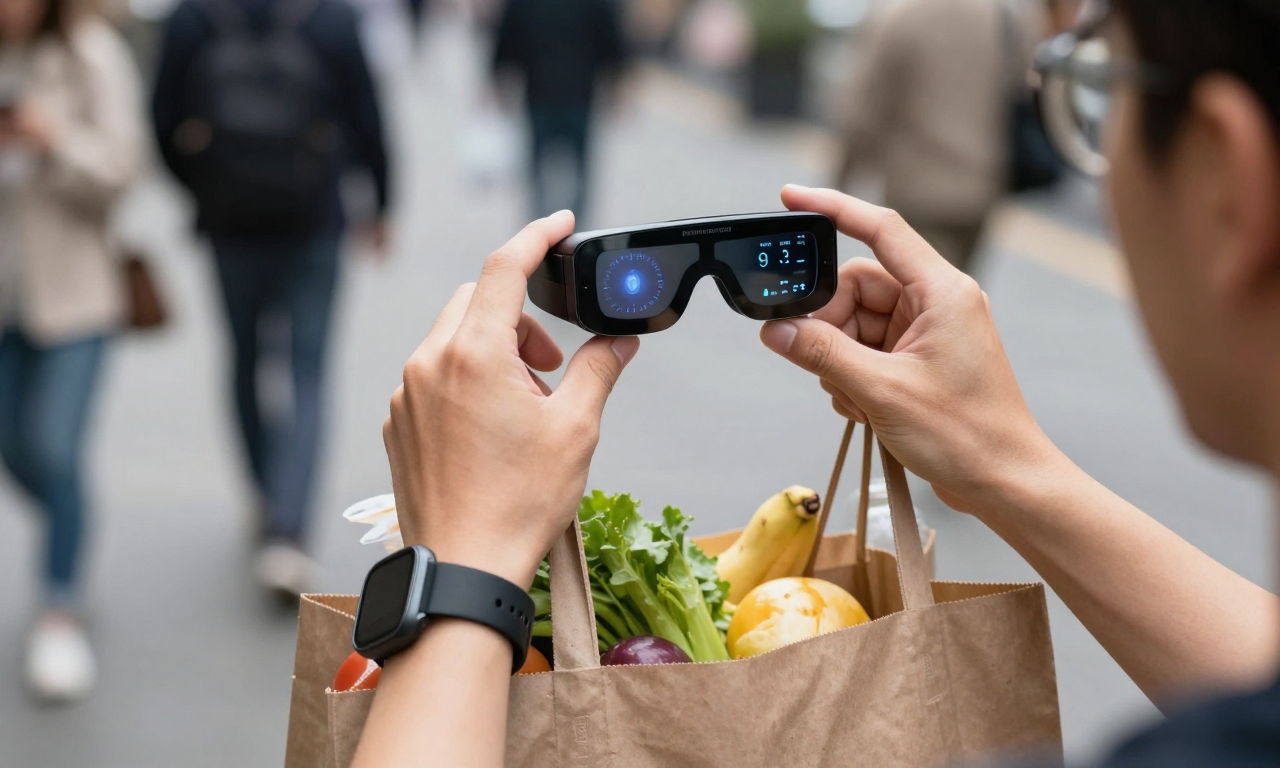
Multitasking Efficiency: The ability to control devices while your hands are occupied with other tasks-carrying groceries, holding a child’s hand, or performing work-represents a genuine productivity advance. The “hands-free” promise of wearables has often been compromised by the need to physically interact with them; sEMG could finally deliver on that promise.
Accessibility Advancements: While current implementations may present challenges for some users with motor impairments, the underlying technology has significant accessibility potential. With proper customization, sEMG could translate even very limited movements into robust control schemes, offering new interaction possibilities for people with various physical disabilities.
Privacy Preservation: In an era of increasing surveillance concerns, a input method that doesn’t rely on cameras, microphones, or visible movements offers privacy advantages. Your gestures remain your own, detectable only by sensors in direct contact with your skin.
The real test won’t be whether the Neural Band works in Meta’s labs, but whether it disappears into the background of users’ lives-becoming so intuitive and reliable that they forget they’re using a revolutionary new input method at all.
The Competitive Landscape and Future Trajectory
Meta isn’t alone in exploring alternative input methods for wearables. Apple has investigated similar technologies, with patents describing wrist-worn devices that detect tendon movements. Google has explored radar-based gesture recognition (Project Soli). Startups like CTRL-Labs (acquired by Meta) and others have worked on neural interfaces for years. What sets Meta’s approach apart is the integration with a broader hardware ecosystem and the specific focus on everyday wearables rather than specialized medical or gaming applications.
The success of the Neural Band will likely influence the entire wearable industry. If it gains traction, we can expect:
- Rapid iteration from competitors developing their own sEMG or alternative discreet input solutions
- New form factors for wearables designed around gesture-first interaction
- Software ecosystems that prioritize gesture-friendly interfaces and applications
- Cross-device standards for gesture control that work across brands and product categories
Conversely, if the Neural Band struggles with the accuracy, latency, or adoption challenges outlined earlier, it could reinforce the industry’s reliance on voice, touch, and traditional buttons-potentially slowing innovation in alternative input methods for years to come.
The December Beta: What to Watch For
The promised December release of the handwriting feature will provide the first real-world test of the Neural Band’s capabilities beyond controlled demonstrations. Key indicators to monitor include:
- Accuracy rates for character recognition across different writing styles and surfaces
- Learning curve data-how quickly users adapt to the system
- Battery impact of continuous sEMG monitoring versus intermittent use
- User feedback on comfort during extended wear and calibration frequency needs
These early indicators will reveal whether Meta has solved the fundamental challenges of sEMG-based input or merely created another impressive technology demonstration with limited practical utility.
Conclusion: Gesture Control’s Make-or-Break Moment
The Meta Neural Band arrives at a pivotal moment for wearable technology. As devices become more powerful and integrated into our daily lives, the limitations of current input methods have created a bottleneck to broader adoption and utility. sEMG-based gesture control offers a compelling vision of discreet, intuitive interaction that could finally deliver on the “hands-free” promise that has long eluded wearables.
Yet history is littered with promising gesture technologies that failed to transition from lab to living room. The Neural Band’s success hinges not on technological novelty alone, but on Meta’s ability to solve the hard problems of accuracy, latency, accessibility, and user experience that have defeated previous attempts.
If they succeed, the implications extend far beyond controlling smart glasses. We could be witnessing the early stages of a fundamental shift in how humans interact with all connected devices-a shift from interfaces we manipulate to interfaces that understand our intentions through the language of our own bodies. If they fail, it will be another reminder that the most elegant technological solutions often stumble on the messy realities of human variation and real-world use.
Either way, Meta has placed a significant bet on a future where our smallest gestures speak volumes to our devices. The coming months will reveal whether that future has arrived or remains, like so many gestures before it, just out of reach.