Follow us on Facebook
Breaking updates in your feed — tap to open
The smart glasses market is heating up, and while Meta has captured early attention with its Ray-Ban collaboration, the real battle is just beginning. As we look toward the future of wearable technology, it’s becoming increasingly clear that the winner won’t necessarily be the first mover, but rather the company that can best integrate this new form factor into users’ daily digital lives.
Meta’s current offerings have demonstrated that there’s genuine consumer interest in AI-powered eyewear. Features like ‘Look and Ask’ multimodal AI, live translation, and point-of-view content capture show the potential of this category. However, as we analyze the competitive landscape, Apple’s delayed entry might actually be a strategic advantage rather than a weakness.

- The Current State: Meta’s Early Lead and Inherent Limitations
- Apple’s Strategic Advantage: The Ecosystem Multiplier
- The iPod-iTunes Parallel
- The Core Battleground: Ambient AI and Contextual Computing
- Privacy as a Competitive Advantage
- Technical Hurdles and Market Timing
- Learning from Vision Pro
- The Path to Victory: Integration Over Innovation
- Conclusion: The Ecosystem Will Decide the Winner
The Current State: Meta’s Early Lead and Inherent Limitations
Meta’s Ray-Ban smart glasses have successfully brought AI eyewear into the mainstream conversation. The partnership with a recognizable sunglasses brand has helped overcome the ‘geek factor’ that plagued earlier smart glasses attempts. The devices function effectively as AI front-end tools, allowing users to interact with artificial intelligence in a natural, hands-free manner.
However, our analysis reveals several critical limitations that could hinder Meta’s long-term success:
- Ecosystem Fragmentation: Unlike Apple or Google, Meta lacks a comprehensive hardware ecosystem. Users can’t seamlessly integrate their smart glasses with calendars, alarms, or other daily productivity tools.
- Standalone Nature: The glasses function more as isolated AI devices rather than integrated components of a larger digital ecosystem.
- Technical Constraints: Current battery life and processing limitations restrict the always-on functionality that true Ambient AI requires.
Apple’s Strategic Advantage: The Ecosystem Multiplier
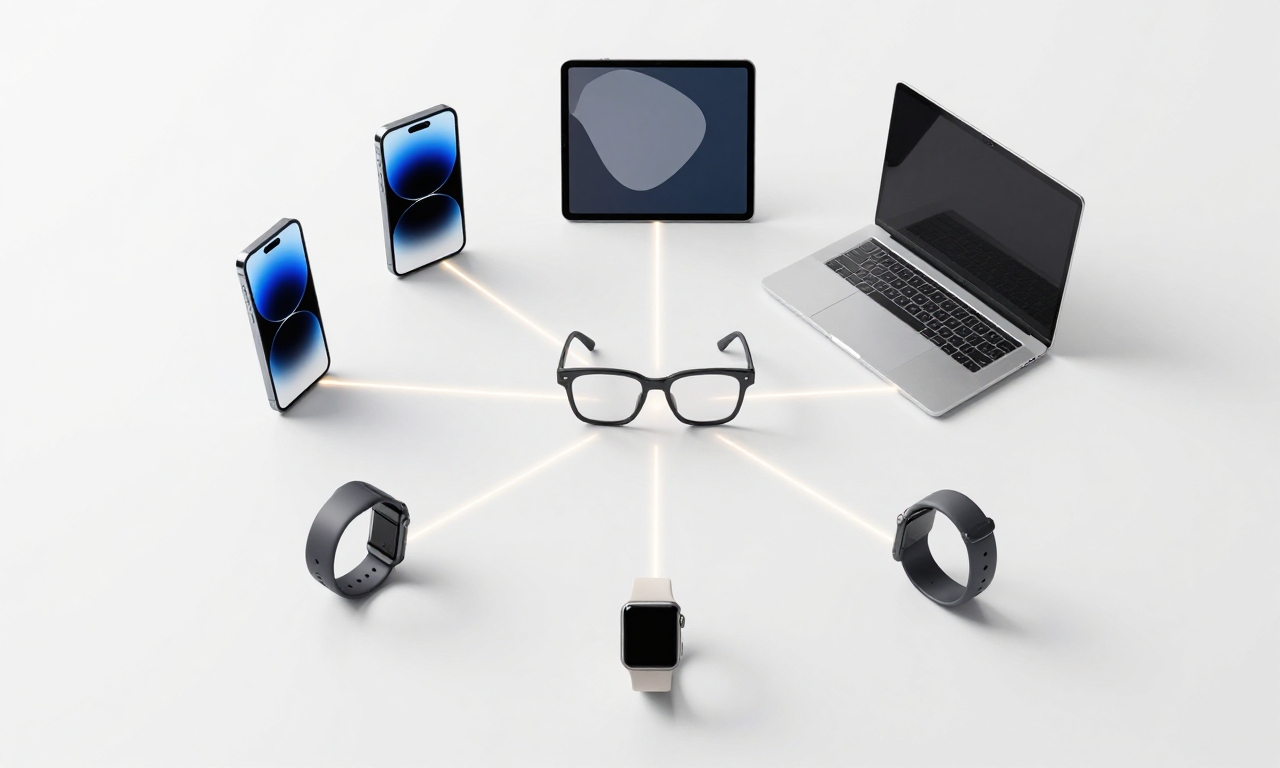
Apple’s greatest strength in this emerging market isn’t necessarily its hardware engineering-though that’s certainly formidable-but rather its interconnected ecosystem of over 2 billion active devices. This network effect creates a powerful advantage that Meta simply cannot match with its current positioning.
The iPod-iTunes Parallel
History provides a compelling parallel: Apple’s iPod didn’t succeed because it was technically superior to other MP3 players. It won because of its seamless integration with iTunes and the broader Apple ecosystem. Similarly, Apple’s smart glasses don’t need to be technically superior to Meta’s offerings-they just need to integrate better with the devices people already use daily.
Consider these integration possibilities:
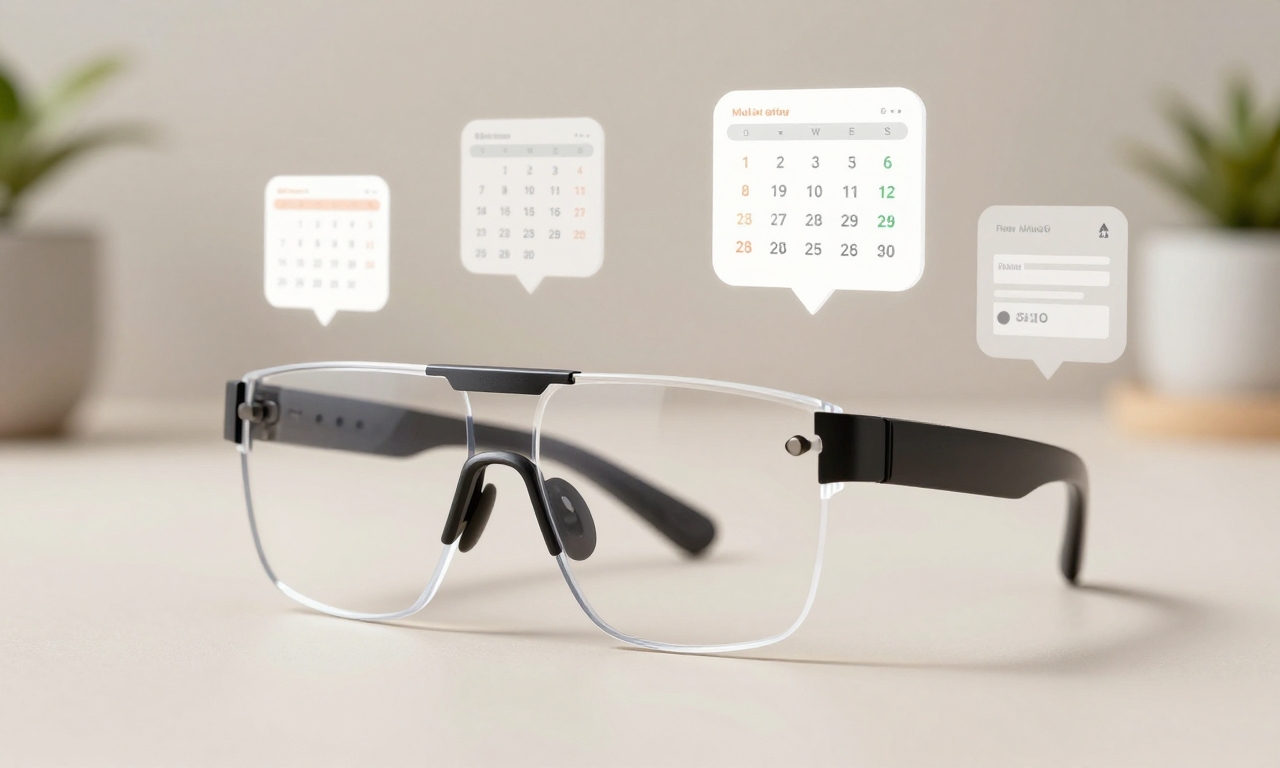
- Automatic calendar reminders based on location and context
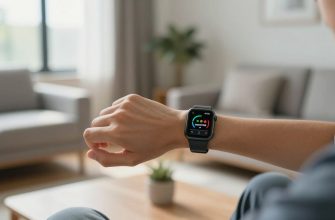
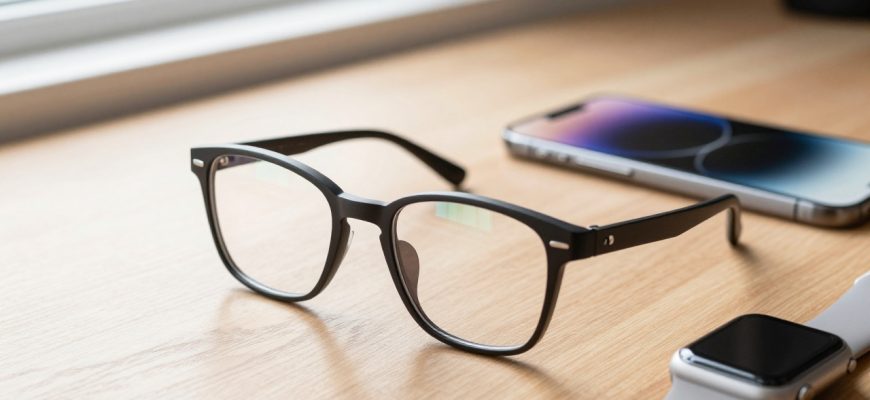
- Seamless handoff between iPhone, Apple Watch, and smart glasses
- Integration with Apple Health data for personalized wellness insights
- Continuity features that maintain workflow across devices
The Core Battleground: Ambient AI and Contextual Computing
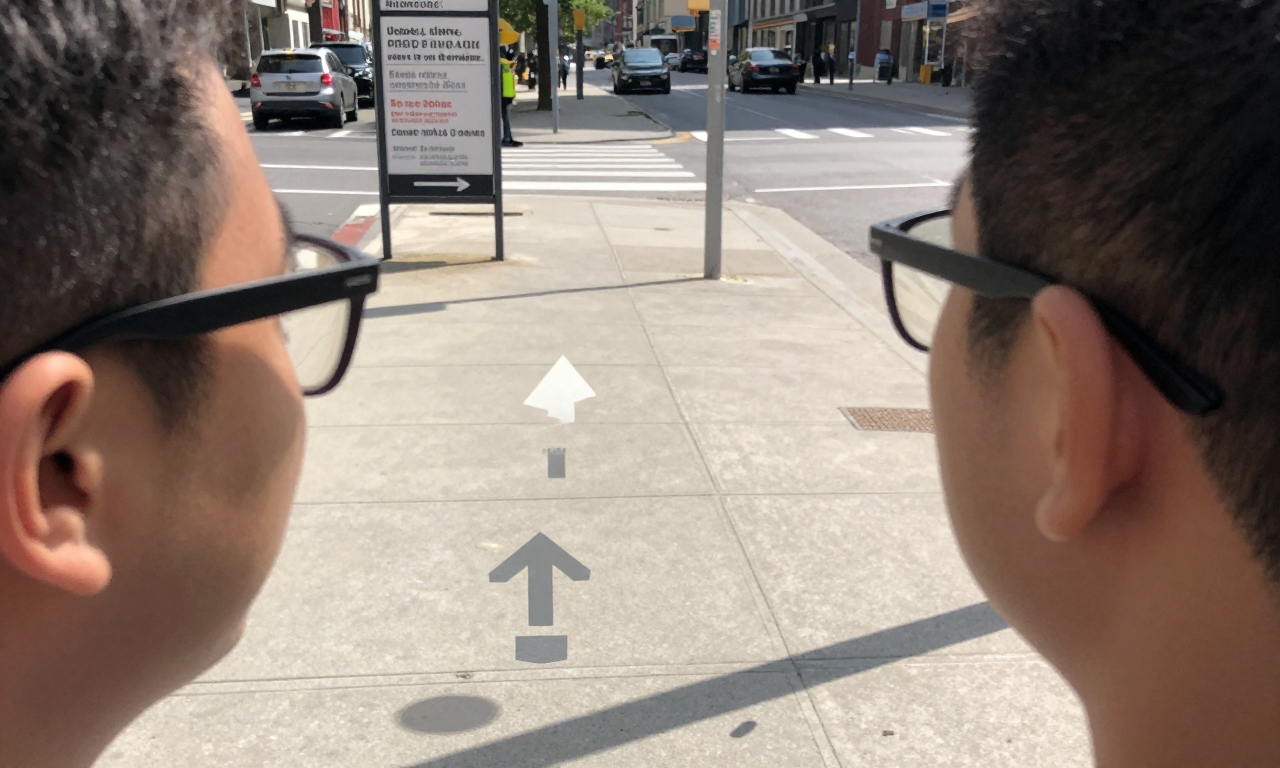
The ultimate prize in the smart glasses race isn’t just better cameras or more accurate voice recognition-it’s Ambient AI. This refers to intelligence that works proactively in the background, continuously observing a user’s environment to offer context-aware assistance.
Smart glasses represent the ideal hardware form factor for Ambient AI for several reasons:
- Always-Available Perspective: Unlike smartphones that live in pockets or bags, glasses are always in position to observe the user’s environment.
- Natural Interaction: Voice commands and subtle gestures feel more natural than constantly pulling out a phone.
- Contextual Awareness: The glasses’ position provides unique contextual data about what the user is seeing and doing.
Examples of Ambient AI applications include:
- Finding lost items by remembering where they were last seen
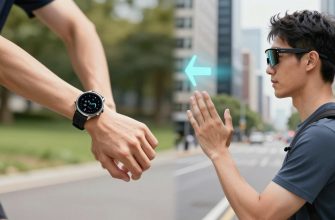
- Providing navigation cues without requiring manual input
- Offering real-time translation of signs and conversations
- Identifying products or landmarks through visual recognition
Privacy as a Competitive Advantage
Here’s where Apple’s business model provides a significant edge over Meta. Ambient AI requires continuous, sensitive data collection about a user’s environment, activities, and interactions. Apple’s privacy-focused reputation and business model (reliant on hardware sales rather than advertising) make it better positioned to handle this sensitive data responsibly.
Meta’s ad-reliant model creates inherent tension between user privacy and business objectives-a tension that could limit consumer trust in always-on data collection through smart glasses.
Technical Hurdles and Market Timing
Apple’s delayed entry into the smart glasses market shouldn’t be viewed as a disadvantage. The company has a history of entering markets after initial pioneers have worked out early technical challenges and established consumer interest.
Current technical limitations that Apple can address with its resources:
| Challenge | Current State | Apple’s Potential Approach |
|---|---|---|
| Battery Life | Limited to hours of active use | Custom silicon optimization, efficient power management |
| Processing Power | Cloud-dependent for complex AI | On-device processing with Apple Silicon |
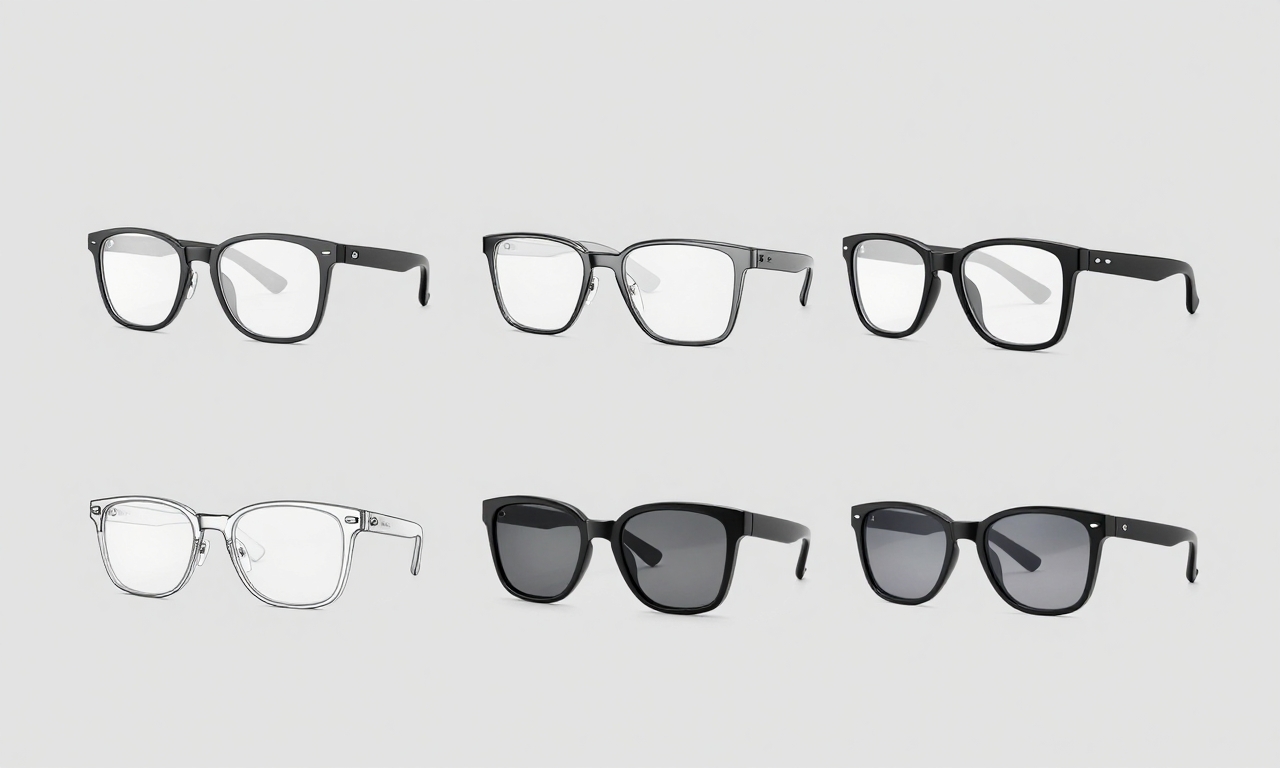
| Form Factor | Bulky or obvious designs | Apple’s design expertise for mainstream appeal |
| Heat Management | Overheating during extended use | Advanced thermal management systems |
Learning from Vision Pro
Apple’s Vision Pro mixed reality headset, while targeting a different market segment, provides valuable lessons for smart glasses development. The company has demonstrated its ability to create sophisticated spatial computing experiences and manage the complex sensor arrays required for environmental understanding.
The key difference will be translating this technology into a form factor that people will actually wear all day-something closer to regular glasses than a mixed reality headset.
The Path to Victory: Integration Over Innovation
Apple’s winning strategy doesn’t require reinventing the smart glasses concept. Instead, the company needs to focus on what it does best: creating competent hardware that integrates seamlessly into an existing ecosystem.
The formula for success looks something like this:
- Competent Hardware: Glasses that work reliably, look good, and provide core AI functionality
- Deep Ecosystem Integration: Seamless connection with iPhone, iPad, Mac, Apple Watch, and services
- Privacy-First Approach: Transparent data handling that builds consumer trust
- Developer Support: Tools and APIs that encourage third-party Ambient AI applications
This approach mirrors how Apple has succeeded in other categories: not by being first, but by being best at integration and user experience.
Conclusion: The Ecosystem Will Decide the Winner
As the smart glasses market evolves from novelty to necessity, the deciding factor won’t be which company has the best individual features. Instead, victory will go to the platform that can best integrate this new form factor into users’ daily digital lives.
Apple’s vast ecosystem, privacy reputation, and history of successful market entries position it strongly against Meta’s early lead. While Meta has demonstrated the potential of AI-powered eyewear, Apple is better positioned to deliver the seamless, integrated experience that will define the next generation of wearable computing.
The battle for smart glasses supremacy is just beginning, but the contours of victory are already visible. It’s not about who makes the glasses first-it’s about who makes them disappear most completely into the fabric of our digital lives. And based on current trajectories, Apple’s ecosystem advantage makes it the likely winner in this emerging Ambient AI hardware race.