
Follow us on Facebook
Breaking updates in your feed — tap to open
For millions of women, menstrual health management remains a frustrating puzzle. Severe premenstrual syndrome (PMS) symptoms-cramps, migraines, fatigue, sleep disruption-can disrupt daily life and work, with studies showing nearly half missing work due to menstrual issues. Yet healthcare solutions often feel generic: hormonal birth control or SSRIs prescribed without continuous, contextual data about individual cycles.
Current alternatives aren’t much better. Internet forums offer anecdotal advice disconnected from physiology, while generic period trackers provide one-size-fits-all insights that fail to answer the critical question: what actually works for me?
Enter Evea, a data-driven platform designed to bridge this significant gap in personalized menstrual health management. By integrating multiple data streams and employing sophisticated AI, Evea aims to create an intelligence layer for menstrual health that makes cycle-aware care truly personal and actionable.

- The Problem: Why Current Solutions Fall Short
- The Cost of Inadequate Solutions
- Evea’s Solution: Building an Intelligence Layer
- Technical Architecture: How It Works
- Key Features: From Tracking to Insights
- Cycle-Aware Calendar
- Daily Check-Ins
- Health Metrics Display
- Today’s Insights
- The Impact: Making Cycle-Aware Care Actionable
- Future Development: Privacy, Expansion, and Refinement
- Measuring Effectiveness
- Peer Data Analysis
- Wearable Expansion
- Privacy and Consent
- Conclusion: A New Paradigm for Menstrual Health
The Problem: Why Current Solutions Fall Short
The menstrual health landscape is characterized by fragmentation and generalization. Women experiencing debilitating symptoms often find themselves navigating between:
- Healthcare providers who lack continuous data between visits
- Generic period trackers that offer basic calendar functions without personalized insights
- Online communities where advice varies wildly in quality and relevance
This disconnect creates what Evea’s developers call “the data gap”-the missing link between symptoms, lifestyle factors, and effective management strategies. Without this connection, women are left guessing what interventions might work for their unique physiology and circumstances.
The Cost of Inadequate Solutions
The consequences extend beyond personal discomfort. Research indicates that menstrual-related symptoms contribute significantly to workplace absenteeism and reduced productivity. Yet because these issues often remain private or minimized, they receive inadequate attention in both healthcare and technology development.
Evea’s Solution: Building an Intelligence Layer
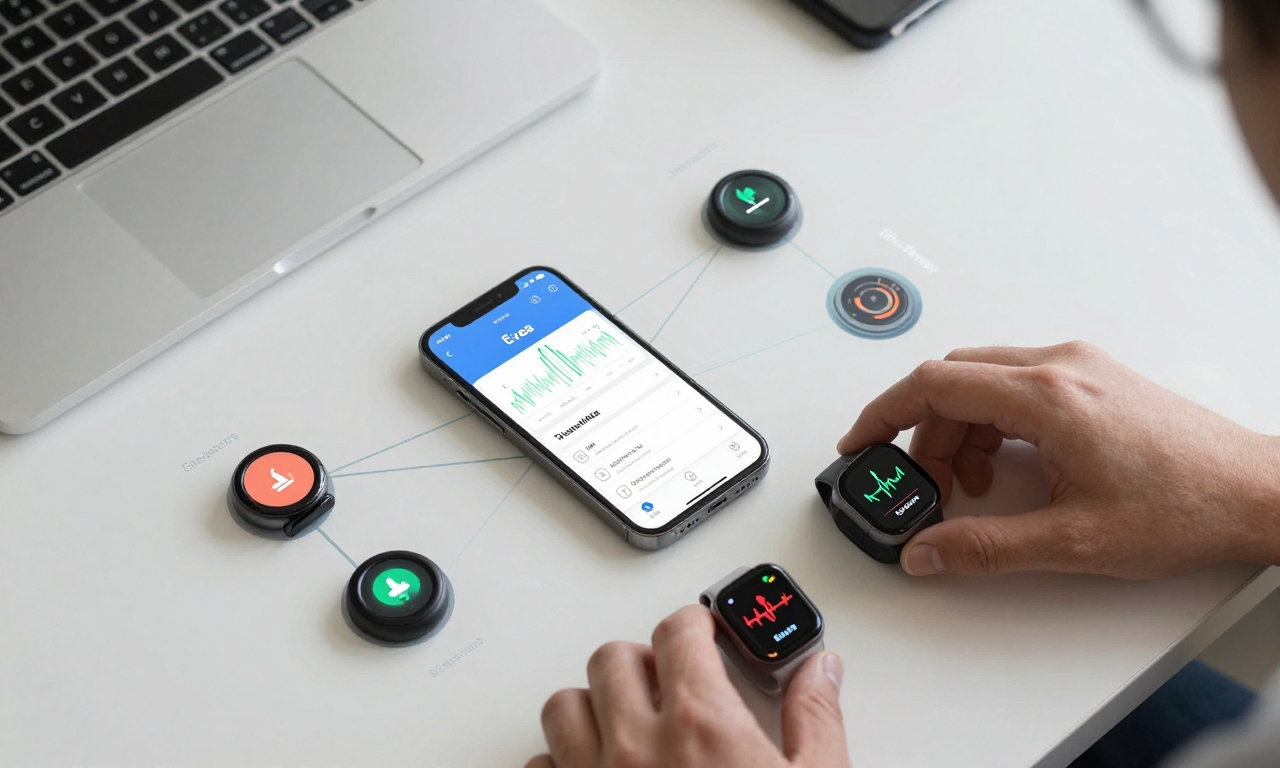
Evea approaches menstrual health as a data integration challenge. The platform connects previously disparate information streams to create a comprehensive picture of each user’s cycle and symptoms. This intelligence layer comprises four key components:
- Menstrual cycle patterns tracked through the app
- Symptom history recorded via daily check-ins
- Wearable biometric data including sleep, stress, heart rate, and activity
- Evidence-based lifestyle interventions tailored to individual patterns
By synthesizing these data points, Evea moves beyond simple tracking to provide actionable insights that adapt to each phase of the menstrual cycle.
Technical Architecture: How It Works
Evea’s technical implementation reflects its data-first philosophy:
| Component | Technology | Function |
|---|---|---|
| Data Collection | React Native iOS app | Daily check-ins and HealthKit integration |
| Data Processing | Cloud Run services | Real-time data analysis and storage |
| Data Storage | Cloud SQL | Secure user data management |
| Insight Generation | Vertex AI/LLM with RAG | Personalized, phase-aware recommendations |
This pipeline enables Evea to process biometric data from Apple HealthKit alongside user-reported symptoms, creating a rich dataset for analysis.
Key Features: From Tracking to Insights
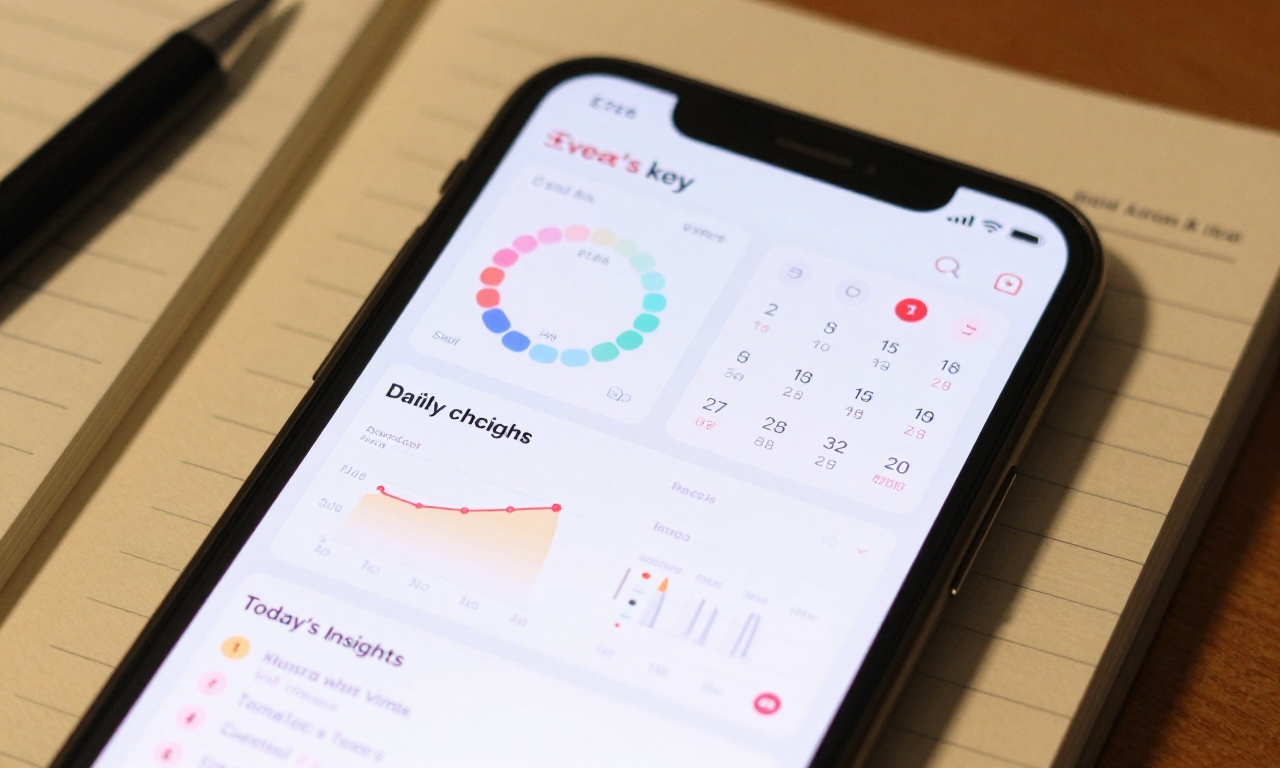
Evea transforms raw data into practical tools through several core features:
Cycle-Aware Calendar
Unlike basic period trackers, Evea’s calendar contextualizes dates with predicted symptom patterns, energy levels, and recommended activities based on cycle phase. This forward-looking approach helps users plan rather than simply react.
Daily Check-Ins
Brief, structured prompts capture mood, physical symptoms, and lifestyle factors. Over time, these check-ins build a detailed symptom history that reveals patterns invisible in monthly snapshots.
Health Metrics Display
Integrated wearable data appears alongside user-reported symptoms, showing correlations between biometric changes (like resting heart rate variations) and menstrual cycle phases.
Today’s Insights
This AI-powered feature provides daily summaries tailored to the user’s current cycle phase and recent biometric data. “Think of it as a personalized health briefing,” explains the development team. “Instead of generic advice, you get recommendations grounded in your own data.”
The Impact: Making Cycle-Aware Care Actionable
Evea’s primary goal is translation: turning data into understanding, and understanding into action. Users report several key benefits:
- Pattern recognition that reveals triggers and effective interventions
- Symptom management with personalized rather than generic strategies
- Goal adherence supported by cycle-aware planning
- Reduced surprises through predictive insights
- Clearer trend visibility for both users and clinicians
For healthcare providers, Evea offers something equally valuable: continuous, contextual data between visits. This bridges the information gap that often limits effective menstrual health management in clinical settings.

Future Development: Privacy, Expansion, and Refinement
As Evea evolves, several priorities guide its development roadmap:
Measuring Effectiveness
The team is implementing systems to track how well recommendations work for different users and symptom profiles. This feedback loop will continuously improve the AI’s suggestions.
Peer Data Analysis
While maintaining strict privacy controls, Evea will analyze anonymized, aggregated data to identify patterns across user populations, potentially revealing new insights about menstrual health management.
Wearable Expansion
Currently integrated with Apple HealthKit, Evea plans to support additional wearable platforms, making its insights accessible to users across different ecosystems.
Privacy and Consent
Data sovereignty remains a cornerstone of Evea’s development. The platform employs granular consent controls, allowing users to determine exactly what data is collected and how it’s used. All processing occurs with privacy-preserving techniques, and the company maintains transparency about data practices.
Conclusion: A New Paradigm for Menstrual Health
Evea represents more than another period tracking app. It signals a shift toward truly personalized menstrual health management-one grounded in data rather than guesswork, in continuous insight rather than occasional consultation.
By building an intelligence layer that connects symptoms, biometrics, and evidence-based interventions, Evea addresses the core challenge of menstrual health: the need for solutions as individual as the women who use them. As the platform evolves and expands, it offers a promising model for how technology can transform personal health management from reactive to proactive, from generic to genuinely personal.
“The future of menstrual health isn’t just about tracking-it’s about understanding. Evea aims to provide that understanding through data, making cycle-aware care accessible and actionable for everyone.”