Follow us on Facebook
Breaking updates in your feed — tap to open
In the age of ubiquitous smartphone use, digital communication has become our default mode of interaction. As a parent of teenagers, I’ve experienced firsthand how texting has evolved from a practical tool into a transformative practice that reshapes not just how we communicate, but how we think. What began as simple coordination of schedules and check-ins has become a personal experiment in mindful communication-one that has yielded surprising benefits for my digital etiquette and overall mindset.
This journey started with a simple realization: every text message creates a permanent, easily-shared record that can accidentally reach unintended recipients. Unlike fleeting spoken words that disappear into the air, digital messages persist in servers, screenshots, and forwarded conversations. This awareness prompted me to establish a personal rule that has fundamentally changed my approach to smartphone communication.
- The Core Principle: Never Text What You Wouldn’t Want Your Teens to Read
- From Content Filter to Mindset Shift
- The Practical Benefits of Mindful Texting
- Improved Word Choice and Tone
- Strategic Use of Communication Channels
- Smartphone Features That Support Mindful Communication
- Message Scheduling and Delayed Sending
- Privacy and Security Settings
- Applying These Principles Beyond Family Communication
- The Broader Impact on Digital Culture
- Conclusion: Smartphones as Tools for Personal Growth
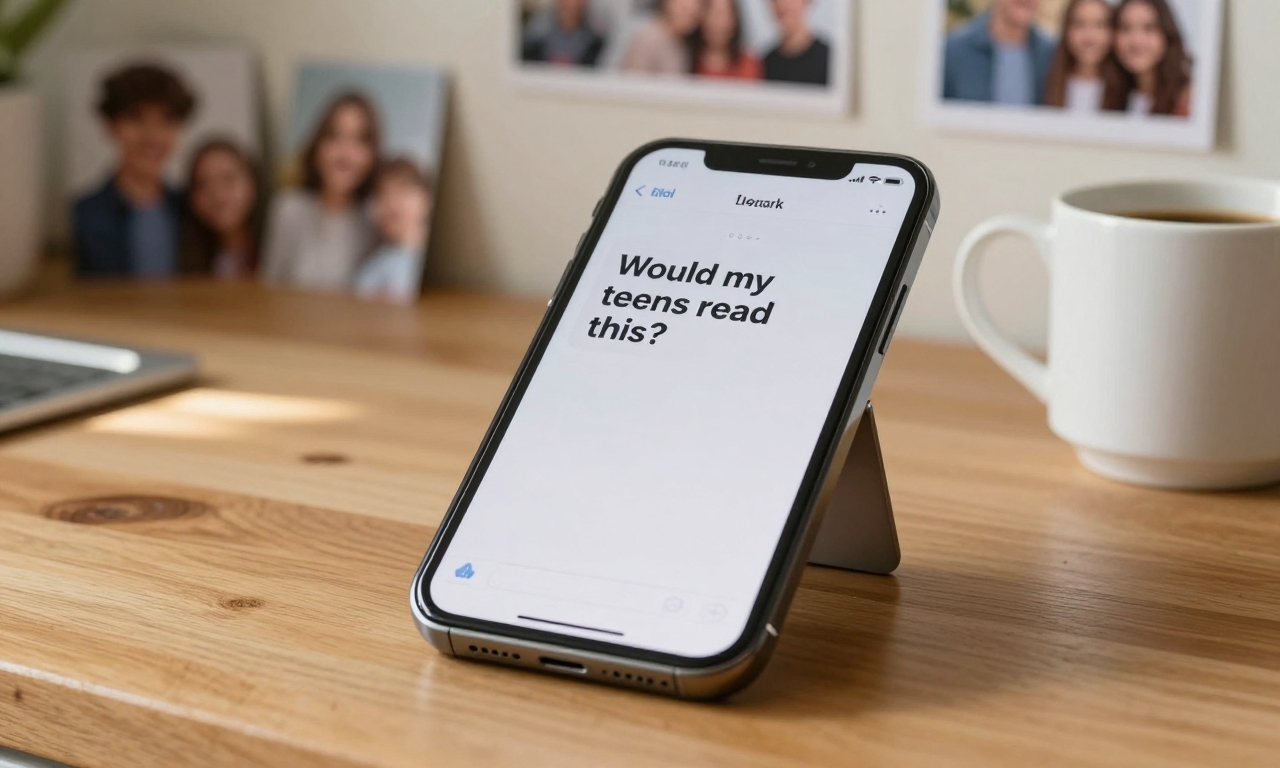
The Core Principle: Never Text What You Wouldn’t Want Your Teens to Read
My guiding principle emerged organically from parenting in the digital age: I never text anything I wouldn’t be comfortable with my teenagers reading. This rule started as basic caution about message recipients but evolved into something much deeper-a filter for the content itself. The practice forced me to consider not just who might see my messages, but whether certain thoughts needed expression at all.
This approach has practical implications for smartphone users across all platforms. When you adopt this mindset, you naturally become more selective about what you share digitally. The permanence of text messages means they can be forwarded, screenshotted, or accidentally sent to the wrong person. By treating every message as potentially public, you develop healthier communication habits that serve you well in both personal and professional contexts.
From Content Filter to Mindset Shift
The most surprising discovery in this experiment was how the practice of filtering text content began to filter my thoughts. I found that if a sentiment would cause dismay if read by my children, it likely didn’t need to be expressed at all-and perhaps didn’t even need to be thought. This realization has reduced my urge to complain, criticize, or judge others in digital spaces.
Research supports this connection between expression and thought patterns. Studies in cognitive psychology suggest that the language we use shapes our thinking, and by extension, the messages we choose to send (or not send) can influence our internal dialogue. This makes smartphone communication not just a practical tool, but a potential vehicle for personal development.

The Practical Benefits of Mindful Texting
Beyond the philosophical implications, this approach to smartphone communication offers concrete, practical benefits that any user can implement immediately. The transformation occurs on multiple levels, from word choice to timing to overall communication strategy.
Improved Word Choice and Tone
When you imagine your teenagers reading every message, you naturally become more deliberate about language. Sarcasm that might be misinterpreted, criticism that could be hurtful, or complaints that serve no constructive purpose all get filtered out. The result is clearer, more respectful communication that serves you well across all digital platforms.
This practice has particular relevance for smartphone users who communicate across multiple contexts-personal messages, work emails, social media comments. By developing a consistent standard for respectful communication, you reduce the risk of misunderstandings and build stronger digital relationships.
Strategic Use of Communication Channels
One of the most valuable outcomes of this experiment has been learning to match communication methods to message types. I now reserve potentially critical or sensitive remarks for in-person conversations, while using texting for practical coordination, quick check-ins, and positive reinforcement.
This strategic approach recognizes the strengths and limitations of smartphone communication. Texting excels at logistics, brief updates, and simple affirmations. More complex emotional conversations, constructive criticism, or nuanced discussions benefit from the richer context of face-to-face interaction or voice calls.
Smartphone Features That Support Mindful Communication
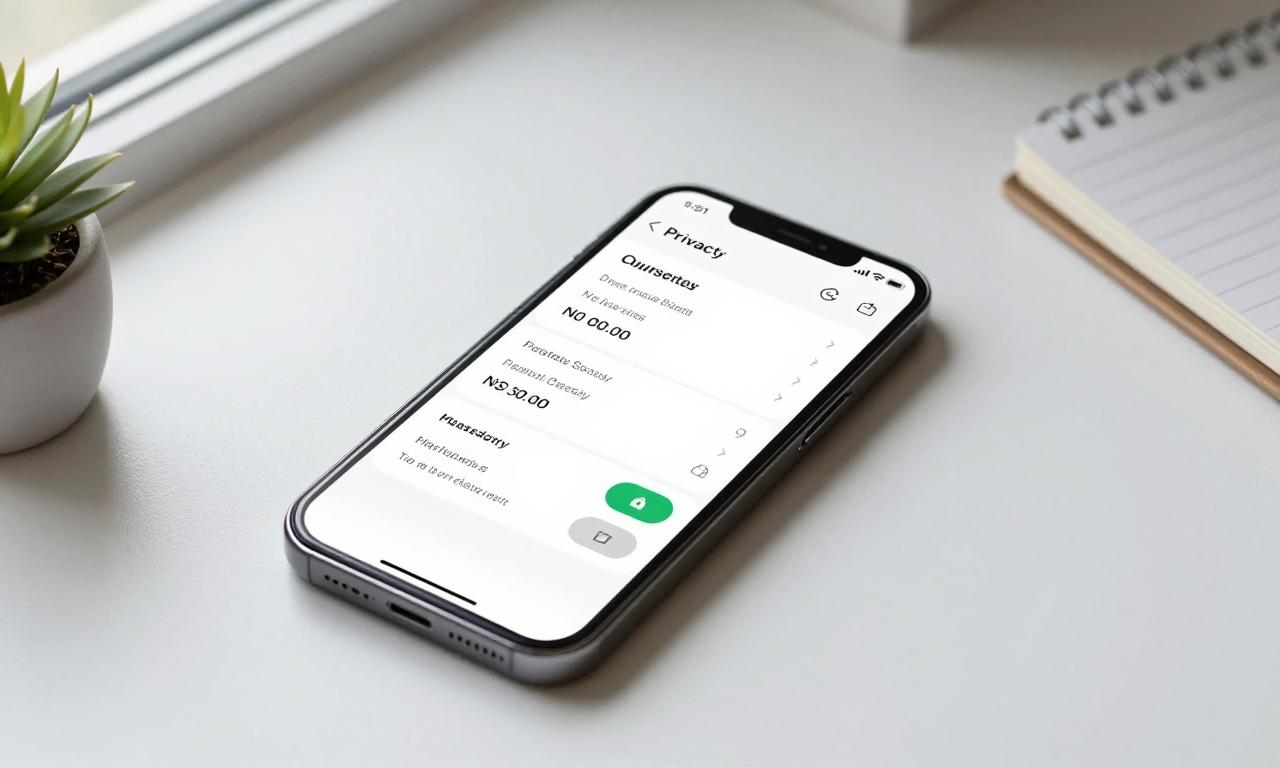
Modern smartphones offer numerous features that can support more intentional communication practices. From message scheduling to privacy settings, these tools can help implement the principles of mindful texting.
Message Scheduling and Delayed Sending
Most smartphone messaging apps now include scheduling features or delayed sending options. These tools provide a valuable buffer between thought and expression, allowing time for reconsideration before a message is delivered. This simple technological feature aligns perfectly with the practice of filtering content through the “would my teens read this?” test.
Privacy and Security Settings
Understanding and properly configuring your smartphone’s privacy settings is crucial for responsible communication. Features like disappearing messages, screenshot notifications, and encrypted messaging can help manage the permanence and shareability of digital conversations. However, these technical solutions work best when combined with the fundamental mindset shift toward more intentional communication.
| Smartphone Feature | Communication Benefit | Implementation Tip |
|---|---|---|
| Message Scheduling | Provides reconsideration time | Set 5-10 minute delays for important messages |
| Disappearing Messages | Reduces permanence anxiety | Use for time-sensitive logistics only |
| Encrypted Messaging | Enhances privacy confidence | Enable for sensitive conversations |
| Read Receipts | Manages response expectations | Disable to reduce pressure |
Applying These Principles Beyond Family Communication
While this experiment began with texting my teenagers, the principles apply universally to all digital communication. The core insight-that imagining a specific audience can improve communication quality-works equally well in professional, social, and public contexts.
Consider applying similar filters to your work emails, social media posts, and professional messages. Ask yourself: “Would I be comfortable if this message were read by my boss? My colleagues? The general public?” This simple mental exercise can prevent countless communication missteps and build your reputation as a thoughtful, professional communicator.
The Broader Impact on Digital Culture
Individual practices of mindful communication contribute to healthier digital ecosystems. When more people adopt intentional approaches to texting and messaging, we collectively reduce digital negativity, misinformation, and conflict. Your personal communication habits become part of the larger digital culture you help create.
This is particularly important as smartphones become our primary communication tools. With most adults spending hours daily on their devices, the quality of our digital interactions significantly impacts our mental health, relationships, and professional success.
Conclusion: Smartphones as Tools for Personal Growth
My experience with texting teenagers has transformed from a practical parenting strategy into a meaningful personal development practice. The smartphone, often criticized for fragmenting attention and relationships, has become in this context a tool for cultivating mindfulness, respect, and intentionality in communication.
The benefits extend beyond improved digital etiquette. This practice has helped me become more consistent in how I present myself across contexts, more aligned with how I want to be perceived (particularly by my children), and more thoughtful in my interactions generally. The smartphone, in this light, becomes not just a communication device but a mirror for our values and a tool for personal alignment.
I encourage every smartphone user to try this experiment: adopt a personal filter for your digital communication, whether imagining your children, your mentor, or your best self as the audience. The results might surprise you-not just in cleaner message threads, but in clearer thinking and more authentic connections.
The most powerful communication technology is not the smartphone in your hand, but the mindfulness you bring to how you use it.
As we continue to navigate an increasingly digital world, developing intentional communication habits becomes essential. Your smartphone can either amplify your worst impulses or help cultivate your best self-the choice begins with how you approach that next text message.