Follow us on Facebook
Breaking updates in your feed — tap to open
Apple’s long-range plan for 2030 centers on turning AI disruption into a durable platform advantage. The company aims to keep the Mac at the center with steady, accessible updates (and perhaps an affordable new MacBook), while preserving its premium identity. The iPad remains distinct rather than a direct Mac substitute. On iPhone, incremental hardware gains are expected, paired with a focused push on battery life and AI features, and a credible foldable strategy starting with an iPhone Air. VisionOS will be the linchpin of computing, anchored by a smaller, lighter headset and a broad developer ecosystem to power spatial experiences, including true multi-user sharing and more natural interactivity. In audio and home, Apple will refine the HomePod and AirPods Max lineup or offer lighter, more affordable alternatives, improve AirPods Pro, and ensure dependable on-device Siri and robust multi-room control. Apple Watch should extend health features and battery life toward five days on Ultra, while the iPad maintains a clear identity as a companion to macOS rather than a replacement. Taken together, the plan hinges on sustaining Mac relevance, delivering a practical VisionOS-centered headset, and offering a cohesive, AI-enabled home and mobile experience that can stand up to rival AI ecosystems.
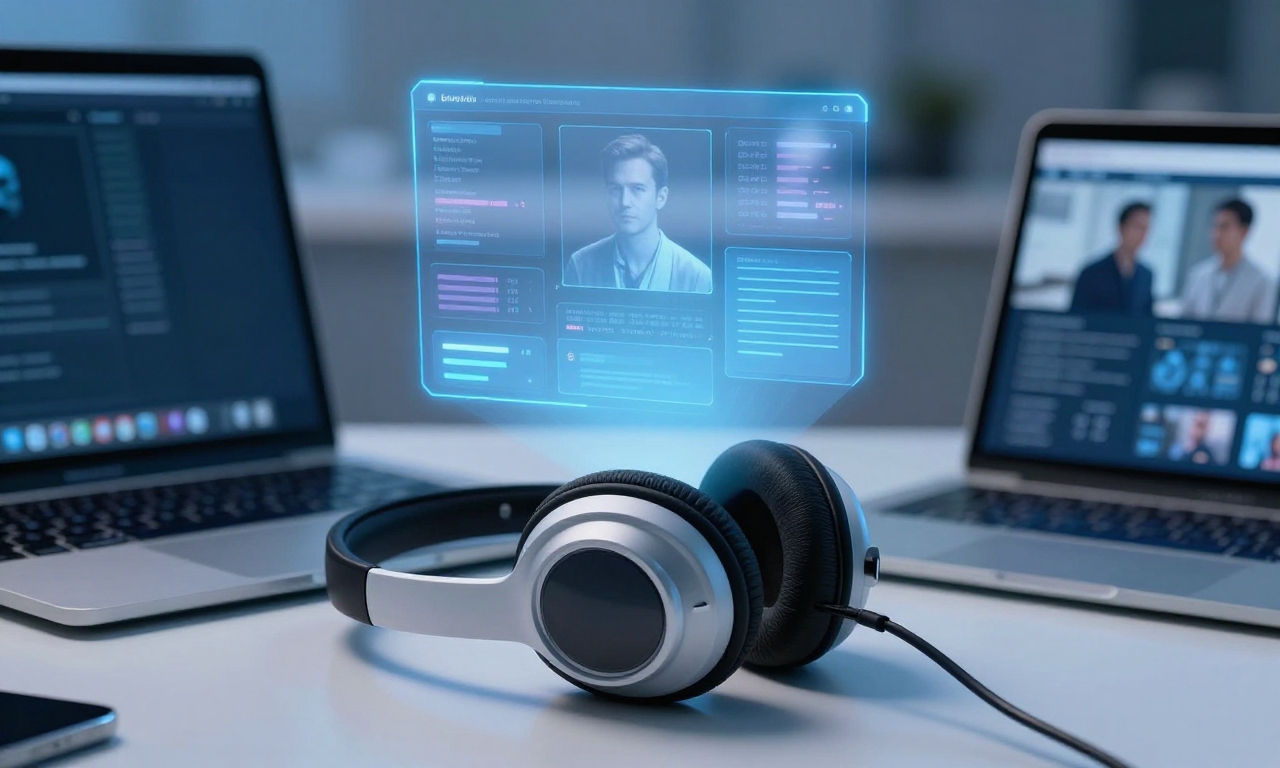
VisionOS as the linchpin of computing
VisionOS is envisioned as the central layer that unites devices across the Apple ecosystem. A smaller, lighter headset could broaden access to spatial computing, making rich three-dimensional experiences available to a wider audience. A thriving developer community would create a broad library of spatial apps—enabling work collaboration, education, design reviews, and entertainment to happen in shared, immersive spaces. Core goals include true multi-user sharing, more natural interactivity through voice, gestures, and gaze, and faster, more private AI processing that can function reliably on-device when network access is limited.
- Multi-user spatial experiences across devices
- Natural interactivity with speech, gestures, and gaze
- On-device AI for privacy and speed
Tech analyst perspective: VisionOS’s success will hinge on broad developer momentum and affordability. A lighter headset could catalyze widespread adoption, but only if apps truly leverage spatial capabilities without compromising privacy or performance.
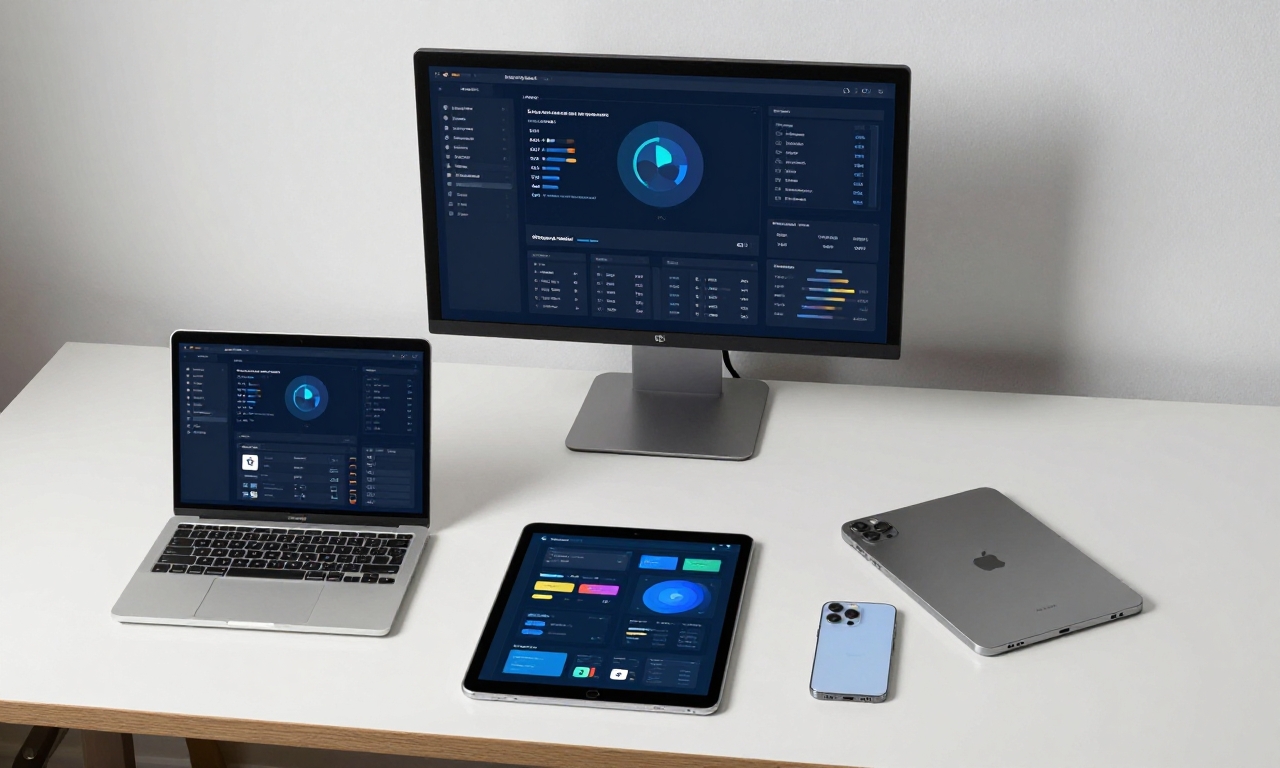
Mac at the center: a durable platform spine
The Mac remains Apple’s anchor for high-productivity workflows, AI-assisted apps, and raw compute power. The strategy emphasizes steady, accessible macOS updates that enable seamless cross-device handoffs and AI features across the ecosystem. An affordable new MacBook could broaden the user base without diluting the premium identity the brand has cultivated. The Mac would coordinate with VisionOS, iPadOS, and iOS to deliver a coherent user experience rather than a collection of isolated experiences.
- Cross-device AI cohesion across Mac, iPad, iPhone
- Accessible entry points with affordable hardware options
- Privacy-first AI integrated into macOS
The result should be a predictable upgrade path for power users and a smoother onboarding path for new entrants, preserving the brand’s premium feel while expanding practical access to AI-powered tools.

iPhone: incremental gains with a foldable horizon
On iPhone, expect steady hardware improvements and more reliable AI features, with a strategic emphasis on battery life. The plan outlines a credible foldable strategy beginning with an iPhone Air, aimed at delivering a larger, more flexible display without sacrificing the compact form factor most users value. The foldable approach would need to balance durability, weight, and cost while ensuring that AI-assisted features—such as improved on-device processing for photography, video editing, and assistant tasks—work smoothly across both compact and expanded modes.
- Incremental hardware gains focused on efficiency
- AI feature improvements across camera, image processing, and on-device Siri
- Foldable strategy anchored by a practical first step with iPhone Air
For consumers, the folding direction should feel like an enhancement rather than a redefinition of what an iPhone can be—emphasizing durability, real-world battery life, and a seamless AI experience across modes.
In the broader ecosystem, a foldable iPhone would need robust accessory support, reliable app interoperability, and a price that makes the feature appealing beyond early adopters.
Across the portfolio, the company would align hardware cadences with VisionOS updates to ensure that spatial experiences feel consistent whether users are on a Mac, iPad, iPhone, or audio device.
Audio, home, and seamless AI control
Apple’s audio and home strategy focuses on refining the HomePod and AirPods Max lineup while offering lighter, more affordable alternatives. AirPods Pro improvements would target better active noise cancellation, transparency modes, and on-device AI features. A key priority is dependable on-device Siri and robust multi-room control, enabling users to manage music, reminders, and smart-home devices with consistent performance across rooms and devices. The goal is a cohesive, AI-enabled home environment that feels natural and responsive rather than compartmentalized.
- On-device Siri with faster responses
- Multi-room control across devices
- More accessible audio options without compromising sound quality
Health, fitness, and time on the wrist
Apple Watch continues to expand health features and battery life, aiming for multi-day autonomy on the Ultra line. This evolution would emphasize consistent health metrics, sleep analysis, and proactive coaching while ensuring the watch remains a comfortable, everyday companion for workouts and daily tasks. The strategy weighs new sensors against longer battery life, with improvements designed to fit into a broad product range that still preserves the premium identity Apple expects for wearables.
Conclusion: a cohesive, AI-enabled ecosystem
Taken together, Apple’s proposed 2030 strategy strives to sustain Mac relevance, deliver a practical VisionOS-centered headset, and offer a cohesive AI-enabled home and mobile experience. The challenge will be balancing premium perception with broader accessibility, and ensuring that AI features enhance real tasks rather than create complexity. If executed well, the plan could position Apple as the premier platform provider for the AI era—where Mac is the spine, VisionOS is the hinge, and iPhone, iPad, audio, wearables, and home devices work in elegant harmony.