Follow us on Facebook
Breaking updates in your feed — tap to open
For two decades, I’ve navigated the world of personal technology with Apple products as my primary companions. I’ve been labeled an “Apple Sheeple” more times than I can count, yet I’ve maintained what I believe is a critical, discerning perspective throughout my journey. This isn’t a blind fanboy’s manifesto-it’s the honest reflection of someone who has experienced both the frustration of early computing and the seamless integration of Apple’s modern ecosystem.
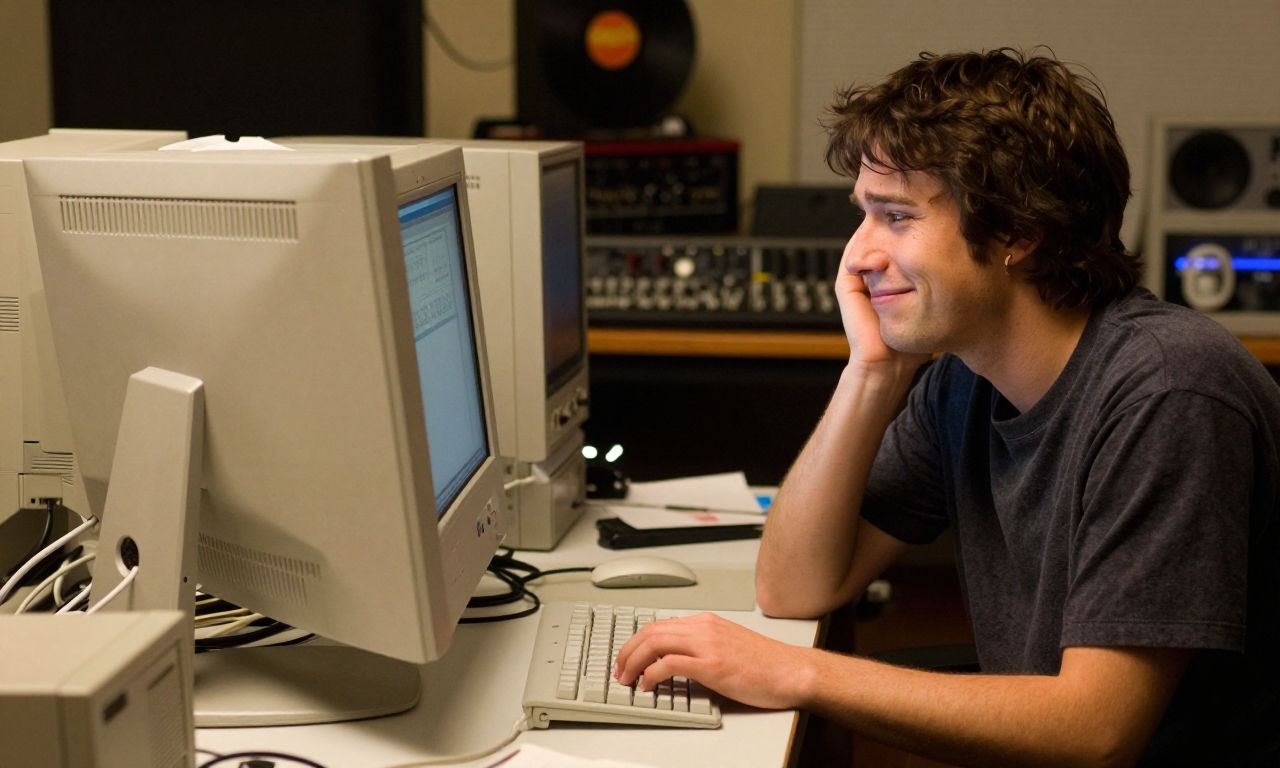
My relationship with Apple began not with blind loyalty, but with practical necessity. In the late 1990s and early 2000s, I was building and maintaining Windows PCs, constantly battling blue screens of death, driver conflicts, and hardware incompatibilities. The experience was exhausting, especially when trying to create music or complete important work. Then, in 2005, everything changed.
- The Mac Revelation: When Computing Finally “Just Worked”
- The Ecosystem Embrace: Seamless Integration Comes at a Cost
- The Lock-In Reality: Why I Can’t Leave Even When I Want To
- The iPhone Conundrum: Innovation Stagnation in a Competitive Market
- The Apple Watch Factor: Ecosystem Reinforcement
- Maintaining Critical Perspective in a Walled Garden
- Looking Forward: What Apple Needs in 2024 and Beyond
- Conclusion: Neither Sheeple nor Critic, but Informed User
The Mac Revelation: When Computing Finally “Just Worked”
My first G5 Mac was a revelation. After years of troubleshooting Windows machines, here was a computer that simply worked. The operating system felt intuitive, the hardware was beautifully designed, and most importantly, it was reliable. For music production-my primary creative outlet at the time-the difference was night and day. GarageBand and later Logic Pro transformed my workflow, offering stability and features that Windows alternatives couldn’t match.
This experience established the Mac as my primary computing platform, a position it maintains to this day. While Apple has many products in its lineup, I firmly believe the Mac remains their best offering. It’s the foundation upon which my entire digital life is built, and it’s the one Apple product I can’t imagine abandoning. The combination of macOS stability, professional-grade software, and thoughtful hardware design creates an experience that, for my needs, remains unmatched.
What makes the Mac particularly compelling in 2024 is how it has evolved while maintaining its core strengths. The transition to Apple Silicon has brought remarkable performance gains, especially in power efficiency. As someone who values both creativity and productivity, the current Mac lineup offers tools that genuinely enhance my work rather than getting in the way.
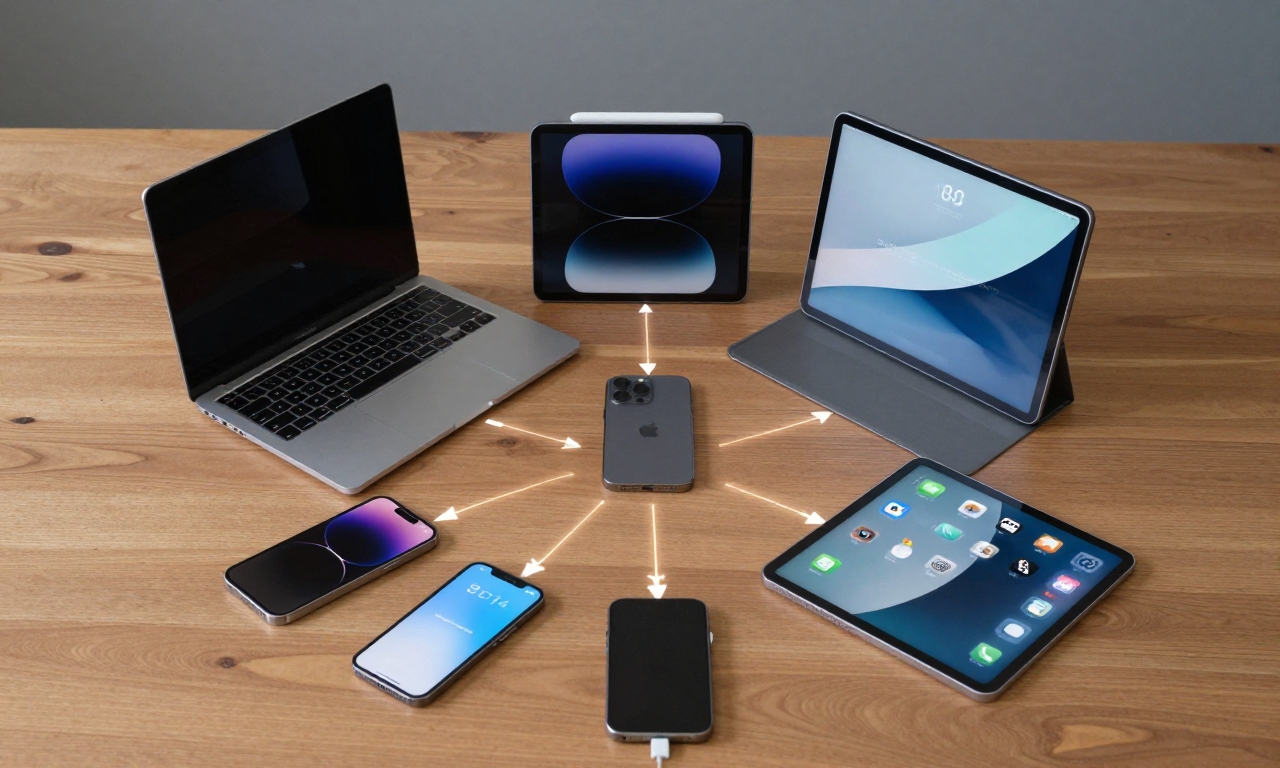
The Ecosystem Embrace: Seamless Integration Comes at a Cost
From that Mac foundation, I gradually expanded into Apple’s broader ecosystem. An iPhone followed, then an iPad, Apple Watch, and Apple TV. Each addition brought new conveniences, but more importantly, they worked together in ways that felt almost magical. Handoff between devices, Universal Clipboard, AirDrop, and Continuity features created a seamless experience that competitors still struggle to match.
This ecosystem integration represents Apple’s greatest strategic advantage. When your devices communicate effortlessly, share data securely, and maintain consistent interfaces, switching to another platform becomes increasingly difficult. The convenience is genuine-I can start an email on my Mac, continue it on my iPhone during a commute, and finish it on my iPad without ever thinking about file transfers or compatibility issues.
However, this seamless integration creates what economists call “switching costs.” The more invested you become in Apple’s ecosystem, the more difficult it becomes to leave. Your apps, your data, your workflows-they’re all optimized for this specific environment. This creates both incredible convenience for users and significant challenges for competitors trying to lure customers away.
The Lock-In Reality: Why I Can’t Leave Even When I Want To
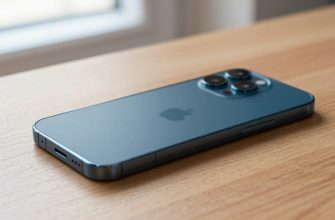
This brings me to the central tension of my relationship with Apple in 2024. While I deeply appreciate the Mac and the ecosystem’s integration, I find myself increasingly critical of the iPhone-what I’ve come to think of as Apple’s “problem child.”
The iPhone faces unprecedented scrutiny and competition. Android manufacturers like Samsung, Google, and OnePlus often offer better value propositions in specific areas: camera systems that push boundaries, displays with higher refresh rates, faster charging technologies, and more innovative form factors like foldables. When I look at the smartphone market objectively, I see compelling alternatives that frequently outperform iPhones in measurable ways.
Yet here’s the paradox: despite wanting to switch from iPhone at times, I’m effectively locked in. The ecosystem features-particularly Continuity with my Mac and the superior integration with my Apple Watch-make switching impractical. The convenience I’ve come to depend on would disappear, replaced by the friction of cross-platform compatibility issues.
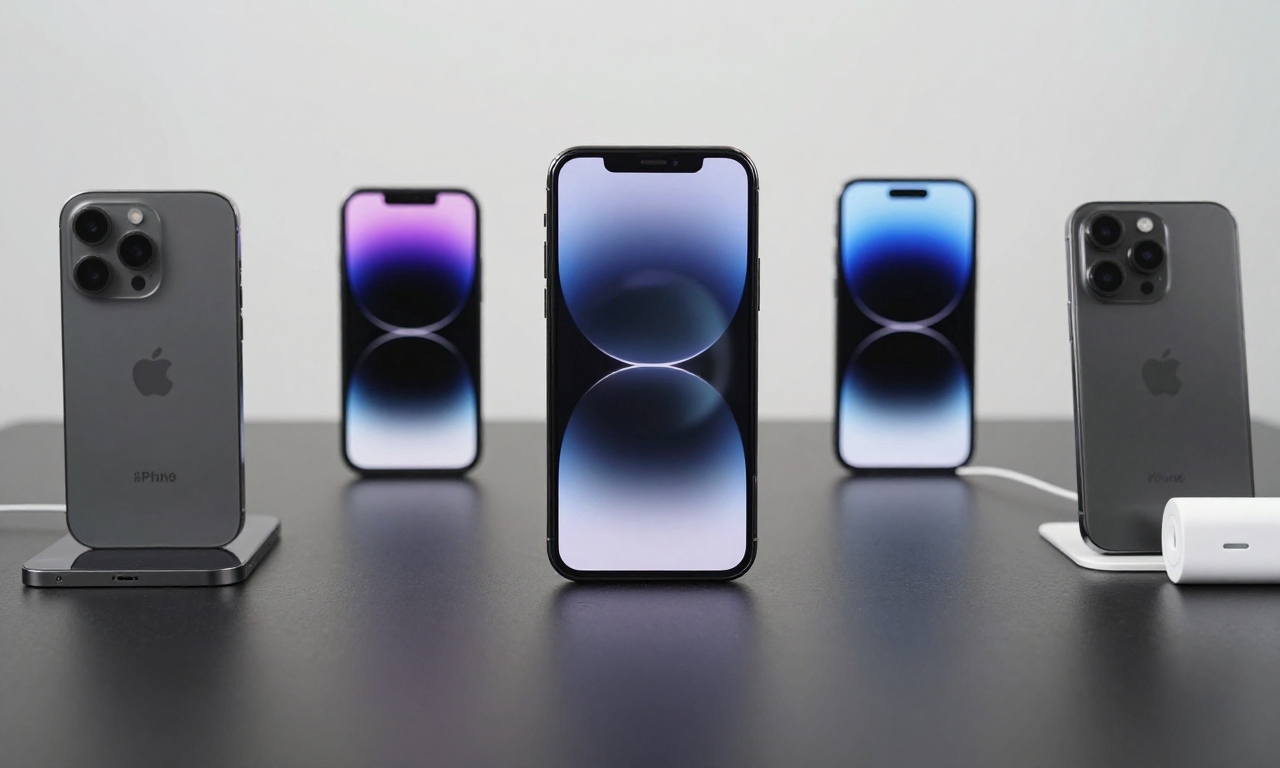
The iPhone Conundrum: Innovation Stagnation in a Competitive Market
As iPhone sales growth slows and competition intensifies, Apple faces a critical challenge. The incremental improvements that characterized recent iPhone generations feel insufficient when compared to the leaps competitors are making. While Apple excels at refinement, the smartphone market increasingly rewards innovation.
Consider the areas where Android manufacturers are pushing boundaries:
- Camera Technology: Google’s Pixel computational photography, Samsung’s multi-lens systems, and Xiaomi’s partnership with Leica demonstrate rapid advancement in mobile photography.
- Display Innovation: Foldable phones from Samsung and other manufacturers represent a genuinely new form factor, while high refresh rate displays have become standard on Android flagships.
- Charging Solutions: Fast charging technologies that can deliver a full charge in under 30 minutes make Apple’s relatively slow charging seem dated.
- Customization: Android’s flexibility and customization options continue to appeal to users who want more control over their devices.
Apple’s response has been measured, focusing on areas like privacy, security, and ecosystem integration rather than headline-grabbing specs. This approach has merits-privacy is increasingly important to users-but it risks appearing conservative in a market that celebrates innovation.
The Apple Watch Factor: Ecosystem Reinforcement
My Apple Watch exemplifies both the strengths and constraints of Apple’s approach. As a wearable, it’s excellent-seamlessly integrated with my iPhone, health-focused, and increasingly independent with cellular models. However, its tight integration with iOS means it loses significant functionality if paired with an Android device.
This creates a powerful reinforcement mechanism for the ecosystem. The better the Apple Watch becomes, the more difficult it is to consider switching to Android. It’s a brilliant business strategy but one that limits consumer choice and potentially slows innovation by reducing competitive pressure.
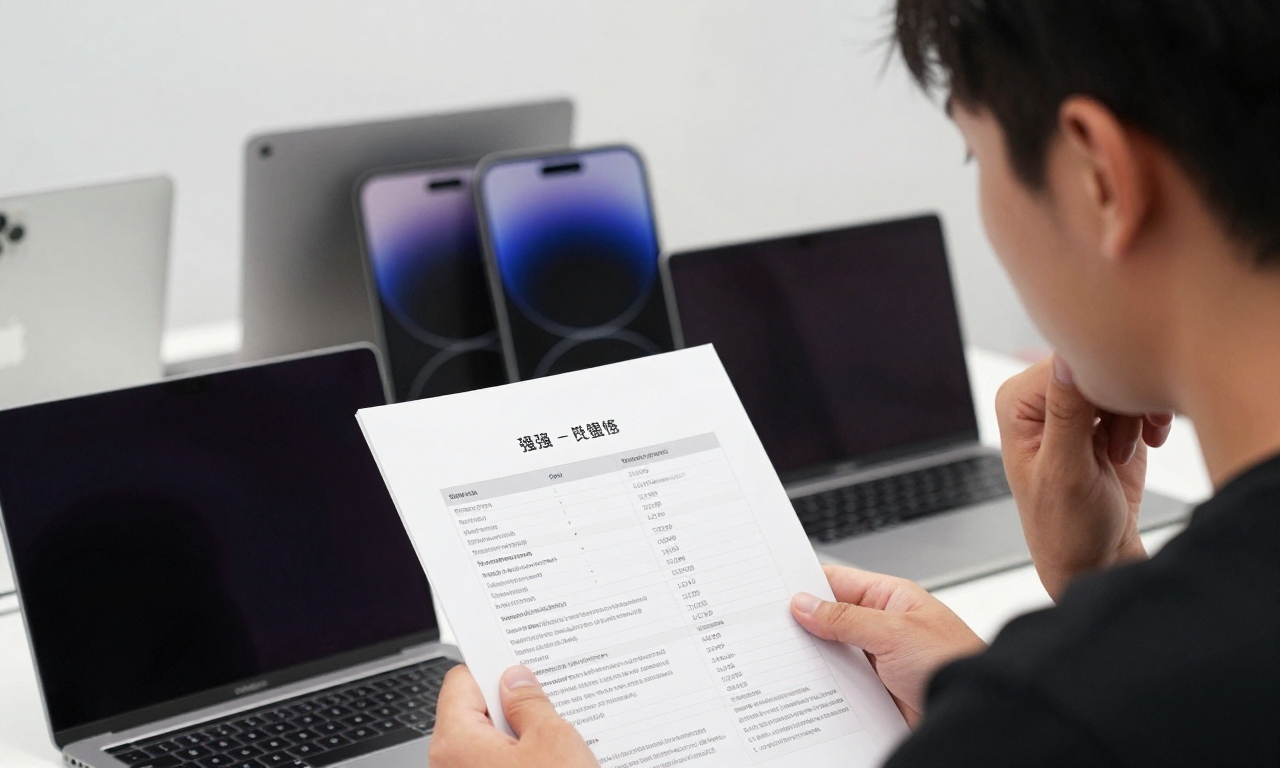
Maintaining Critical Perspective in a Walled Garden
After 20 years with Apple products, I’ve learned to balance appreciation with criticism. The ecosystem offers genuine benefits that enhance my daily life, but I remain aware of its limitations and the competitive landscape. Here’s my current perspective on key Apple products:
| Product | Strengths | Weaknesses | Competitive Position |
|---|---|---|---|
| Mac | Superior stability, professional software, Apple Silicon performance | Higher price point, limited gaming support | Leading in creative/professional markets |
| iPhone | Ecosystem integration, privacy focus, consistent updates | Incremental innovation, slower charging, high cost | Facing intense Android competition |
| Apple Watch | Health features, iOS integration, build quality | Limited Android compatibility, daily charging | Dominant in premium wearables |
| iPad | Versatility, Apple Pencil integration, app ecosystem | Confusing product lineup, software limitations | Leading tablet market despite challenges |
This balanced view allows me to appreciate what Apple does well while recognizing where improvement is needed. It’s the antithesis of the “sheeple” mentality-thoughtful engagement rather than blind acceptance.
Looking Forward: What Apple Needs in 2024 and Beyond
As we move deeper into 2024, Apple stands at a crossroads. The company’s ecosystem strategy has been remarkably successful, creating loyal customers and impressive financial results. However, this success brings new challenges:
- iPhone Innovation: The smartphone market demands more than incremental improvements. Foldables, under-display cameras, and revolutionary battery technology represent areas where Apple risks falling behind.
- Ecosystem Flexibility: As regulatory pressure increases worldwide, Apple may need to offer more interoperability with competing platforms while maintaining its distinctive experience.
- Value Proposition: With economic uncertainty affecting consumer spending, Apple must justify its premium pricing with genuinely innovative features rather than ecosystem lock-in.
- Environmental Responsibility: As sustainability becomes increasingly important to consumers, Apple’s repair policies and environmental initiatives will face greater scrutiny.
My hope is that Apple recognizes these challenges and responds with the same innovative spirit that characterized its earlier years. The company that revolutionized personal computing, music distribution, and smartphones has the talent and resources to address today’s market realities.
Conclusion: Neither Sheeple nor Critic, but Informed User
After two decades with Apple, I reject the “sheeple” label while acknowledging the ecosystem’s powerful hold. My journey from frustrated Windows user to integrated Apple customer reflects both the genuine benefits of Apple’s approach and the practical realities of modern technology ecosystems.
The Mac remains my computing foundation-a testament to Apple’s ability to create products that genuinely enhance creative and professional work. The ecosystem, while creating switching barriers, offers conveniences that meaningfully improve daily life. The iPhone, despite its challenges, connects me to this ecosystem in ways that alternatives cannot fully replicate.
What I’ve learned is that technology choices are rarely simple binaries. They involve trade-offs between innovation and stability, between openness and integration, between cost and value. My relationship with Apple reflects these complexities-appreciation for what works well, criticism where improvement is needed, and awareness that no company, no matter how successful, is beyond questioning.
As Apple continues to evolve in an increasingly competitive market, I’ll maintain this balanced perspective. Not as a sheeple blindly following, nor as a critic constantly complaining, but as an informed user who recognizes both the strengths and limitations of the tools that shape our digital lives. In the end, that’s what technology should enable-not blind loyalty, but empowered choice based on genuine understanding.