Follow us on Facebook
Breaking updates in your feed — tap to open
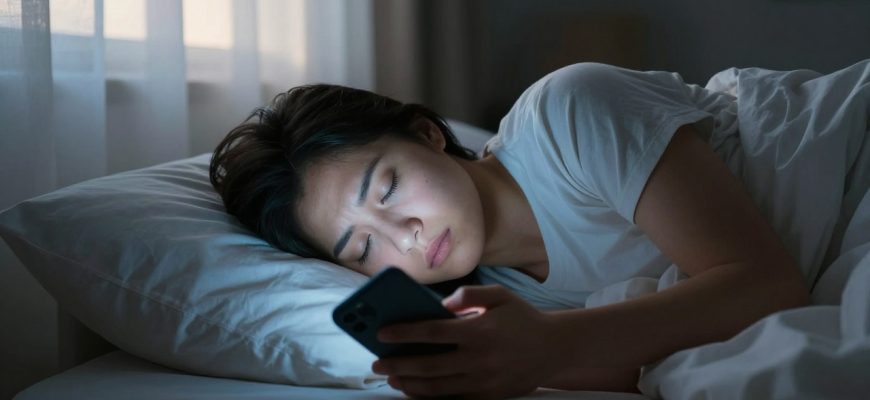
For millions of people worldwide, the morning ritual has become alarmingly uniform: before even sitting up in bed, before drinking water, before acknowledging loved ones, the hand reaches for the smartphone. This immediate digital immersion-checking emails, scrolling through news feeds, reviewing bank accounts, or catching up on work Slack channels-has become the default start to the day. While often rationalized as necessary for staying ahead or being responsive, this habit represents a fundamental shift in how we engage with technology and ourselves. At Future Gatgets, we explore not just the latest iPhone features or Samsung Galaxy innovations, but how these devices shape our daily lives. The evidence is clear: beginning your day with your smartphone in hand is setting yourself up for stress, reactivity, and diminished well-being before you’ve even had breakfast.

- The Science of Morning Stress: How Your Smartphone Hijacks Your Brain
- The False Urgency of Digital Responsiveness
- The Cost to Productivity and Creativity
- Reclaiming Your Mornings: Practical Strategies for Digital Detox
- 1. The Physical Barrier Method
- 2. The Gradual Withdrawal Approach
- 3. Create a Morning Tech Alternative
- 4. Optimize Your Device Settings
- The Ripple Effects: Better Days Start with Better Mornings
- The Long-Term Impact on Mental Well-being
- Conclusion: Your Morning, Your Rules
The Science of Morning Stress: How Your Smartphone Hijacks Your Brain
Neuroscience reveals why the morning smartphone check is particularly damaging. Upon waking, your brain transitions from the theta and delta waves of deep sleep to the alpha waves of relaxed wakefulness, finally reaching the beta waves associated with active, alert thinking. This gradual transition is crucial for mental clarity and emotional regulation. When you immediately expose your brain to the rapid-fire stimuli of a smartphone-be it urgent work emails, alarming news headlines, or social media comparisons-you force an abrupt jump to high-beta waves associated with stress and anxiety.
This isn’t merely about content; it’s about the medium itself. The blue light emitted by your iPhone’s OLED display or Samsung Galaxy screen suppresses melatonin production, confusing your circadian rhythm right as it should be signaling wakefulness through natural light exposure. The constant notifications-whether from your Gmail app on Android or iMessage on iOS-trigger dopamine responses that create addictive patterns. What begins as a “quick check” often becomes a 20-30 minute immersion that leaves you feeling overwhelmed before you’ve even brushed your teeth.
The False Urgency of Digital Responsiveness
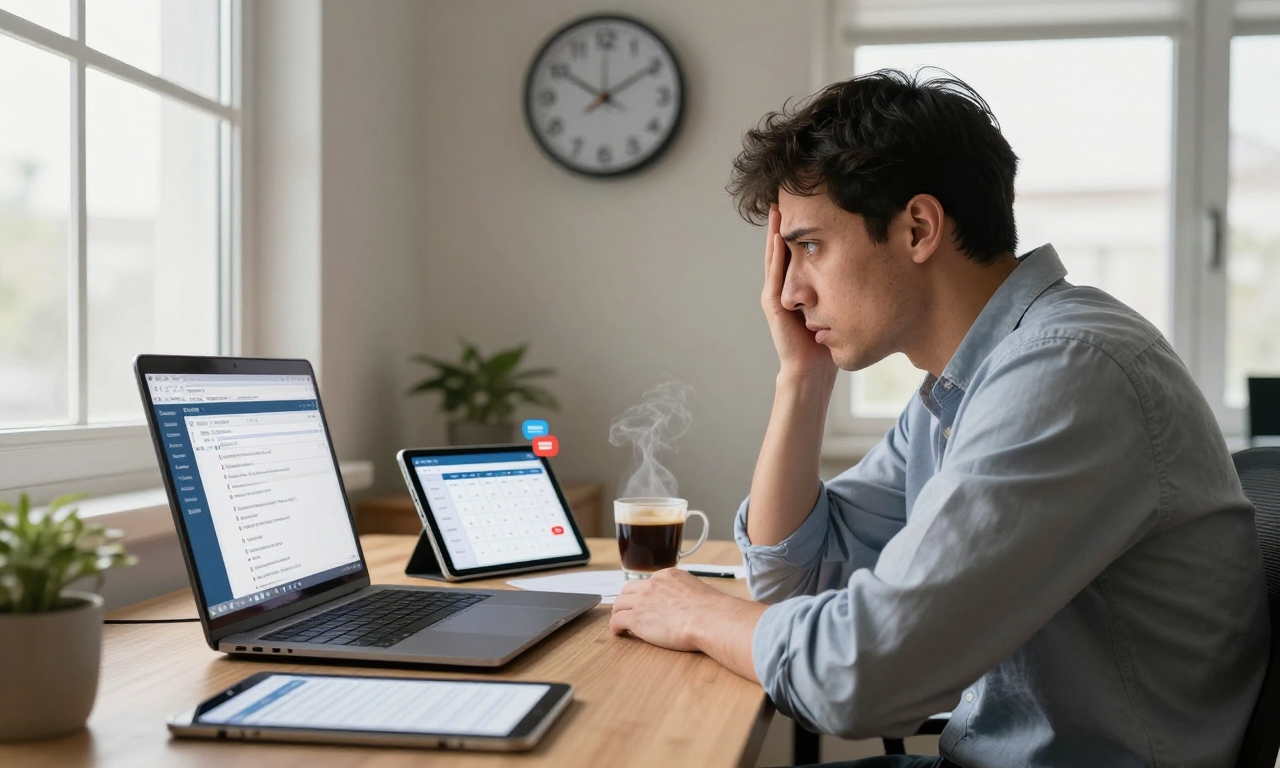
Many professionals, especially those with international clients across time zones, defend morning phone checking as necessary for work responsiveness. “I need to see what came in overnight from our Asia team,” or “My European colleagues are already halfway through their day” are common justifications. However, this creates a self-perpetuating cycle: by responding immediately, you train colleagues and clients to expect immediate responses, regardless of hour.
Contrast this with healthier work-life balance practices observed in many European countries, where work communications are largely confined to proper working hours. The reality is that truly urgent matters are exceptionally rare. Most emails, Slack messages, and even client requests can wait 60-90 minutes until you’ve properly started your day. The perceived urgency is often manufactured by our own anxiety and the always-on culture facilitated by our always-connected devices.
“Immediate responsiveness has become a badge of dedication, but it’s often just a recipe for burnout. The most productive professionals I know protect their morning hours fiercely.” – Tech productivity expert
The Cost to Productivity and Creativity
This habit doesn’t just create stress; it actively undermines the very productivity it purports to support. Research consistently shows that starting your day reactively-responding to others’ agendas rather than setting your own-reduces overall effectiveness. Your most valuable cognitive resources are depleted before you tackle your most important tasks.
Furthermore, creativity suffers. The morning hours, when your brain is fresh from rest, are ideal for strategic thinking, problem-solving, and creative work. By filling this space with reactive tasks and external demands, you sacrifice your peak mental performance on low-value activities. Whether you’re using your iPad for design work, your smartphone for communication, or your laptop for coding, beginning with intentionality rather than reactivity yields better results.
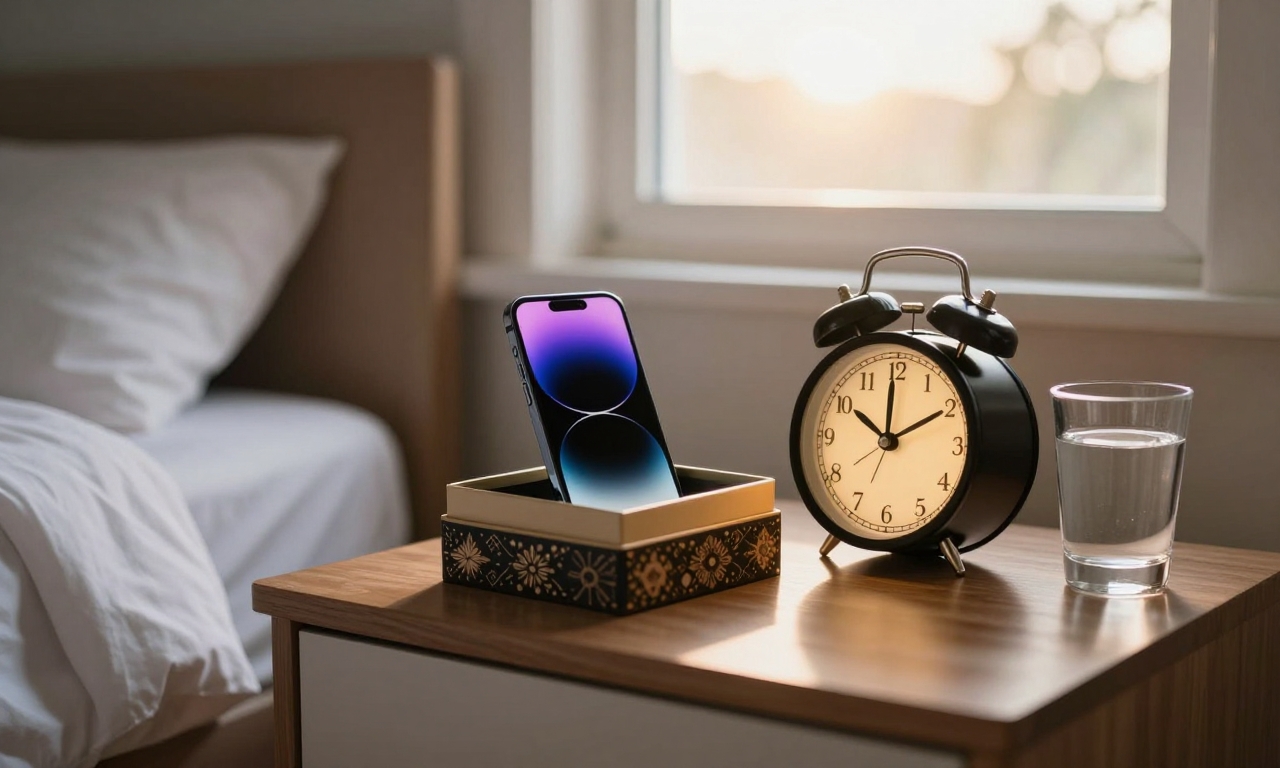
Reclaiming Your Mornings: Practical Strategies for Digital Detox
Breaking the morning smartphone habit requires conscious effort, but the benefits are substantial. Here are practical strategies tailored for our tech-centric lives:
1. The Physical Barrier Method
Keep your smartphone out of the bedroom entirely. Invest in a traditional alarm clock (many modern options feature gentle wake-up lights) rather than using your phone’s alarm. If you use your iPhone or Android device for sleep tracking via wearables like Apple Watch or Fitbit, place it across the room so you must physically get up to check it. This simple spatial separation creates a crucial buffer between waking and digital immersion.
2. The Gradual Withdrawal Approach
If going cold turkey seems impossible, implement a staged approach:
- Week 1: No phone checking for the first 15 minutes after waking
- Week 2: Extend to 30 minutes, incorporating a morning routine
- Week 3: 45 minutes, adding some light movement or meditation
- Week 4: Full hour before digital engagement
Use your smartphone’s built-in focus modes or digital wellbeing features to enforce these boundaries. Both iOS and Android offer robust tools to limit app usage during specific hours.
3. Create a Morning Tech Alternative
Replace the smartphone check with a healthier tech habit:
- Use a dedicated e-reader for morning reading instead of your phone
- Listen to a podcast or audiobook via Bluetooth headphones during your morning routine
- If you must check something, make it a single, curated source rather than opening multiple apps
4. Optimize Your Device Settings
Leverage your smartphone’s features to support better habits:
| Platform | Feature | Morning Benefit |
|---|---|---|
| iOS | Focus Modes | Block all but essential notifications until designated time |
| Android | Digital Wellbeing | Set app timers and wind-down schedules |
| Both | Do Not Disturb | Schedule overnight and morning quiet hours |
| Third-party | App blockers | Prevent access to specific apps during morning hours |

The Ripple Effects: Better Days Start with Better Mornings
When you successfully break the morning smartphone habit, the benefits extend throughout your entire day. You begin with a sense of agency rather than reactivity. Your stress levels remain lower, as you haven’t immediately injected cortisol-triggers into your system. Your focus improves, as you’ve preserved your cognitive resources for your priorities rather than others’ demands.
This shift also changes your relationship with technology. Rather than being controlled by your devices-whether it’s the latest iPhone with its always-on display or a Samsung Galaxy with endless notifications-you use them intentionally. You appreciate the remarkable capabilities of modern smartphones for photography, communication, and productivity without letting them dictate your emotional state from the moment you wake.
The Long-Term Impact on Mental Well-being
Consistently protecting your morning hours creates compounding benefits for mental health. You develop greater resilience to daily stressors. Your sleep quality often improves as you establish clearer boundaries between wakefulness and rest. Perhaps most importantly, you reinforce your own agency in a world designed to capture your attention at every turn.
For those concerned about missing truly urgent communications, establish clear protocols: true emergencies can call or text repeatedly (which will break through Do Not Disturb on most devices), or specific contacts can be whitelisted. The reality is that for 99% of people, 99% of communications can wait.
Conclusion: Your Morning, Your Rules
The morning smartphone habit represents one of the most pervasive yet addressable challenges of our connected age. At Future Gatgets, we celebrate technological innovation-from foldable displays to advanced camera systems, from lightning-fast 5G to all-day battery life. But we also recognize that true advancement means using technology to enhance our lives, not diminish them.
Reclaiming your first waking hour from digital demands isn’t about rejecting technology; it’s about establishing a healthier relationship with the remarkable devices we rely on. It’s recognizing that your iPhone’s incredible productivity features serve you best when you’re intentional about when and how you use them. It’s understanding that your Samsung Galaxy’s always-connected capabilities shouldn’t mean you’re always on call.
Start tomorrow differently. Leave your phone in another room. Drink water. Stretch. Breathe. Engage with the physical world before the digital one. The emails will wait. The notifications will accumulate. But your peace of mind, your productivity, and your well-being are worth protecting from the first moment you open your eyes.