Follow us on Facebook
Breaking updates in your feed — tap to open
Many reviews of tablets are usually about first impressions, bench mark results, but the real test of any device is the many months of daily use. This longitudinal research design evaluates the effectiveness of modern tablets, namely the M3 iPad Air and Galaxy Tab S10 Plus upon the completion of eight months of uninterrupted and real-life use. We drill down past that mysterious slick, glossy unboxing moment to understand what will occur once these devices become part of our everyday life, exposed to the grind and the toil of typical productivity activities, consumption of entertainment, and regular commuting.
Battery Life and Charging Curves
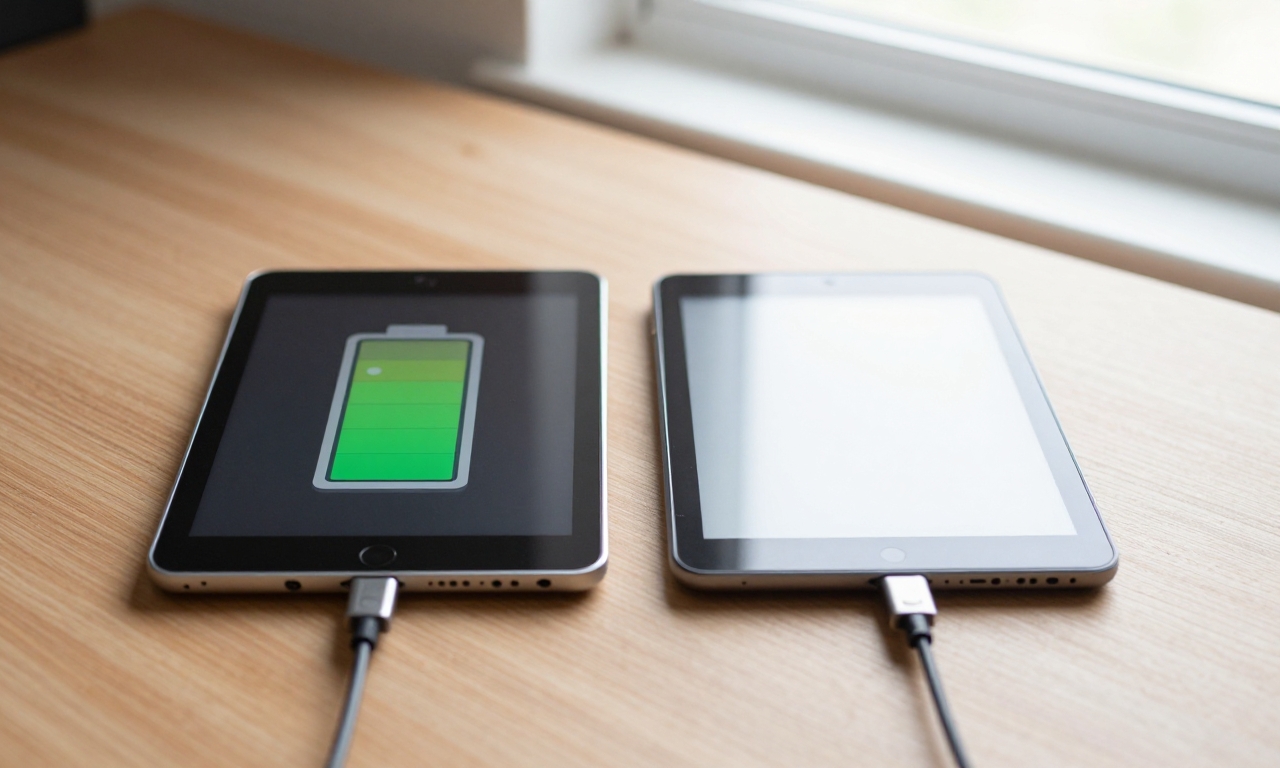
Eight months later, battery degradation was detectable in both tablets after daily charging cycles, but the trends were strikingly different. The M3 iPad Air retained nearly the entire battery life (92%), whereas Galaxy Tab S10 Plus retained just under 88%. Such discrepancy underscores the effects of different variables, such as charging behavior and software optimization, on long-term battery performance. The degradation can be slightly higher among users who use a lot of fast charging or wireless charging, but both tablets can offer good all-day performance to the majority of users. Learning of these trends is essential in making realistic expectations regarding the ownership of tablets in the years to come.
Performance Consistency Over Time
The other crucial point was the consistency of performance that showed stability after long-term testing that could not be observed in the first inspection. The two tablets continued to run smoothly in daily use like web surfing, writing documents, and consuming media. But with prolonged intensive loads like video editing or high-fidelity gaming, the Galaxy Tab S10 Plus occasionally exhibited thermal throttling, which was not observed in the first month of testing. The iPad Air M3 showed a more stable performance control with its peak speeds lasting longer in time before any observable slowning. This difference would matter especially to the users who need their tablet to do professional creative jobs or engage in gaming intensively.
Assessment of Build Quality and Durability
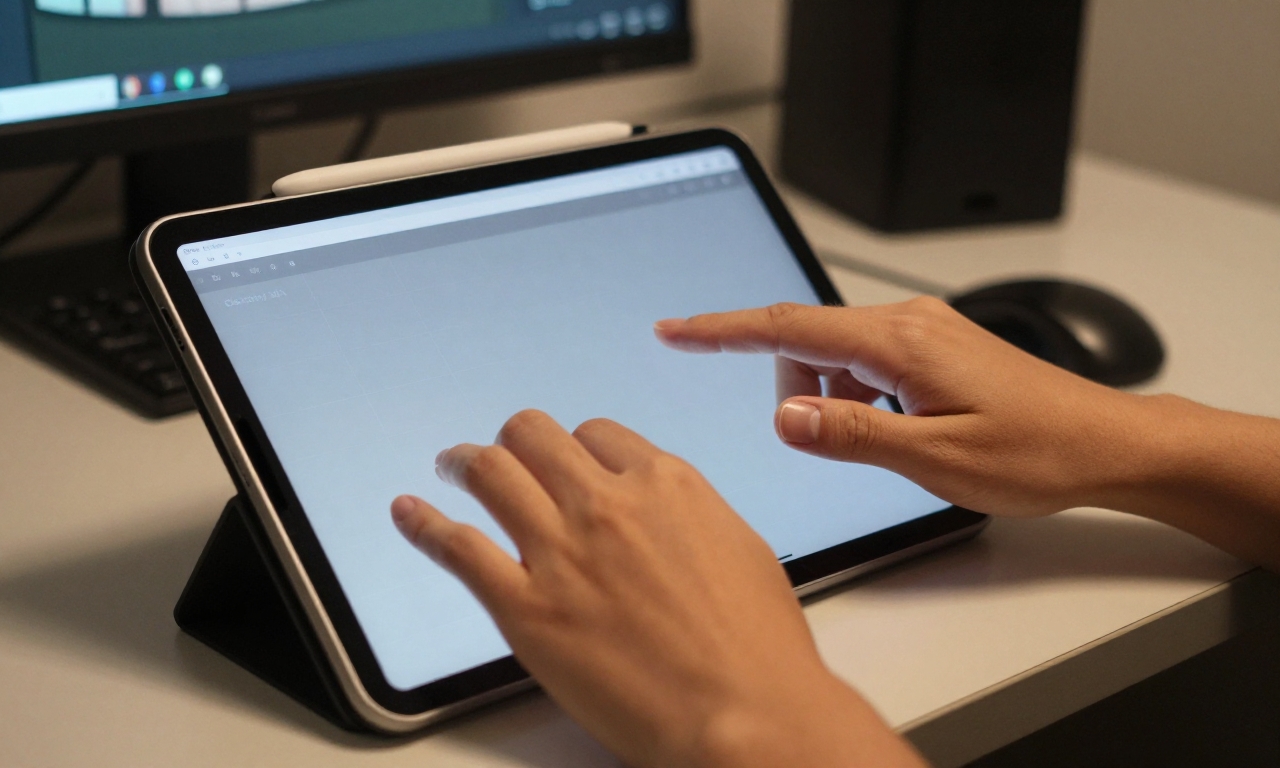
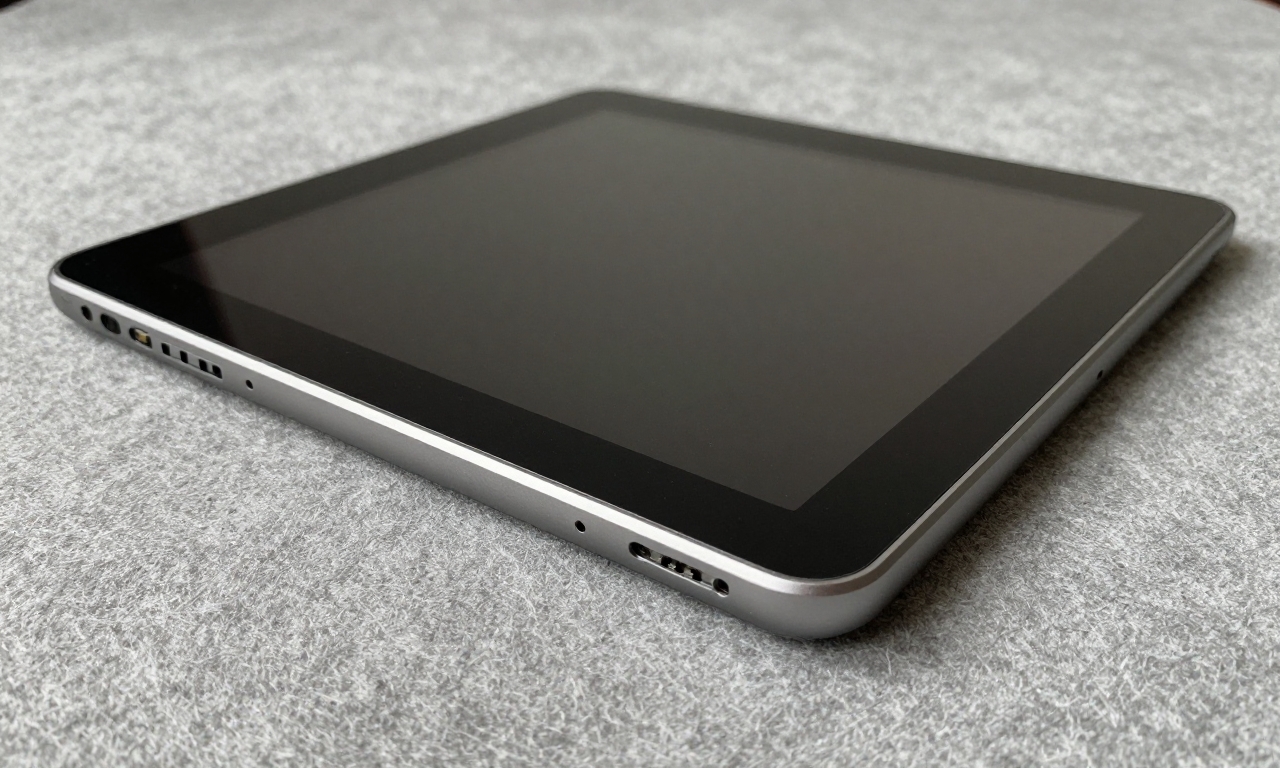
Durability is another significant issue that is of interest to the tablet owners who carry their devices to different environments. Eight months later, the two tablets had slight cosmetic damage, mostly at the charging ports and speaker grilles. Scratches were also more resistant to the aluminum casing of the M3 iPad Air compared to the metal-and-glass Galaxy Tab, but both remained rigid without flexing or cracking. Waterproofing offers a sense of security in case you spill but our experimentation shows that these tablets are not built to get wet on a regular basis. Students or regular commuters may see the procurement of a nice case as an important act regardless of the generally strong construction of modern flagship tablets.
Display and Connectivity
During the test period, display quality was very good and both OLED displays were devoid of any burn-in or color drift. The high refresh rate screens still served to deliver fluid scrolling and touch responsiveness, albeit we observed a bit more battery drainage on maintaining maximum brightness levels. Both tablets have outstanding long-term performance, especially to users who are keen on display quality to read, consume media, and conduct creative work. USB-C has replaced USB in both systems, making connections easier, but the compatibility of accessories across the two supported ecosystems differs, especially regarding support of a stylus and an external display.
Software Updates and Support
Updates of the software were important in ensuring performance and security in the eight months period. Both tablets were updated several times with new features and security patches, as well as performance optimization. M3 iPad Air had the advantage of regular iOS updates keeping it smoothly integrated with all other Apple devices and the Galaxy Tab S10 Plus had Android updates which enhanced its ability to multitask and use stylus. These continuous software upgrades show the way contemporary tablets are expanding on their original launch, but the frequency of software updates and duration of support differs by vendor.
Scenarios and Recommendations of Real-World Use
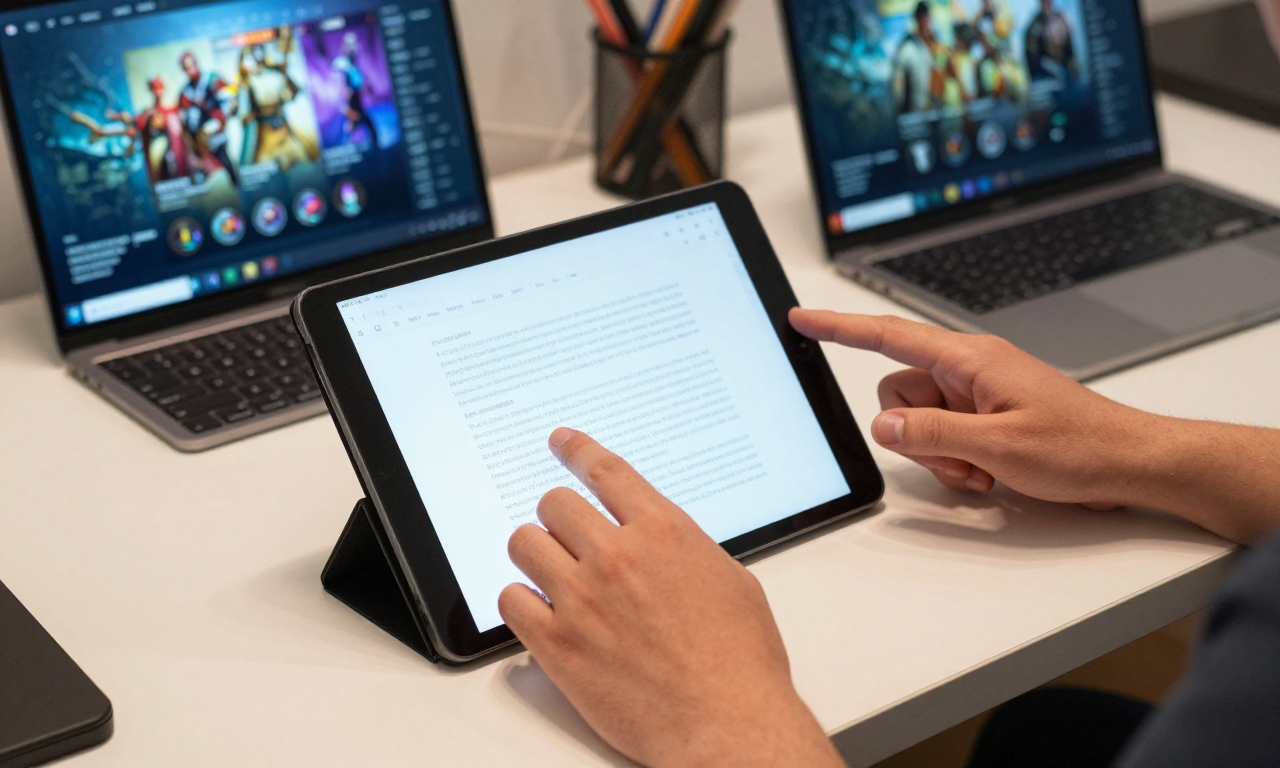
To productivity-oriented users, both tablets were found to be able to cope with taxing workflows, albeit in varying degrees. The M3 iPad Air was also better at creative use and introducing to the keyboard ecosystem, whereas the Galaxy Tab S10 Plus was better at working with multitasking and flexibility in file management. Both devices will be useful to students taking notes and conducting research, especially with the help of matching stylus accessories. These tablets are durable and can therefore be used in day-to-day academic activities but consumers who have a tight budget may look at middle range options which feature comparable functionalities but at a lower cost.
Gaming Performance
Gaming performance was also solid during the test period and both tablets played titles with heavy graphics with no major problems. The M3 IPad Air superiorly handled its thermodynamics in long gaming sessions whereas Galaxy Tab S10 Plus proved to be more adaptable when it comes to performance tuning. There was excellent performance by cloud gaming services on both devices, taking advantage of their quality displays and fast touch. These tablets are designed to provide strong alternatives to a gaming laptop or a handheld gaming console to mobile gamers who want the big screen experience.
Conclusion
Eight months into daily usage, our lab experiment indicates that the current flagship tablet can have a remarkably long lifespan with proper maintenance. Batteries do not approach the end abruptly but degrade slowly over time, performance is predictable when engaged in the majority of tasks and building quality is good enough to avoid cosmetic damage when daily use occurs. These two types of tablets are based on the individual preferences of an ecosystem and a particular situation rather than big disparities in long-term durability. Both devices are outstanding options to the user who wants to have versatile computing companions to fulfill productivity, creativity and entertainment needs over a long period.