Follow us on Facebook
Breaking updates in your feed — tap to open
The idea of implementing tablets in classrooms is a controversial issue within the circles of educators, parents, and researchers. Although adherents point out their possibilities of interactive learning and the ability to become digital literate, opponents voice their worries on attention spans and cognitive growth. This discussion goes beyond the marketing rhetoric to look at the real facts about the effectiveness of tablets in various learning settings. We shall discuss the functionality of these devices in different grade levels in terms of their advantages and limitations, as per the existing research.
The Cognitive Development Perspective
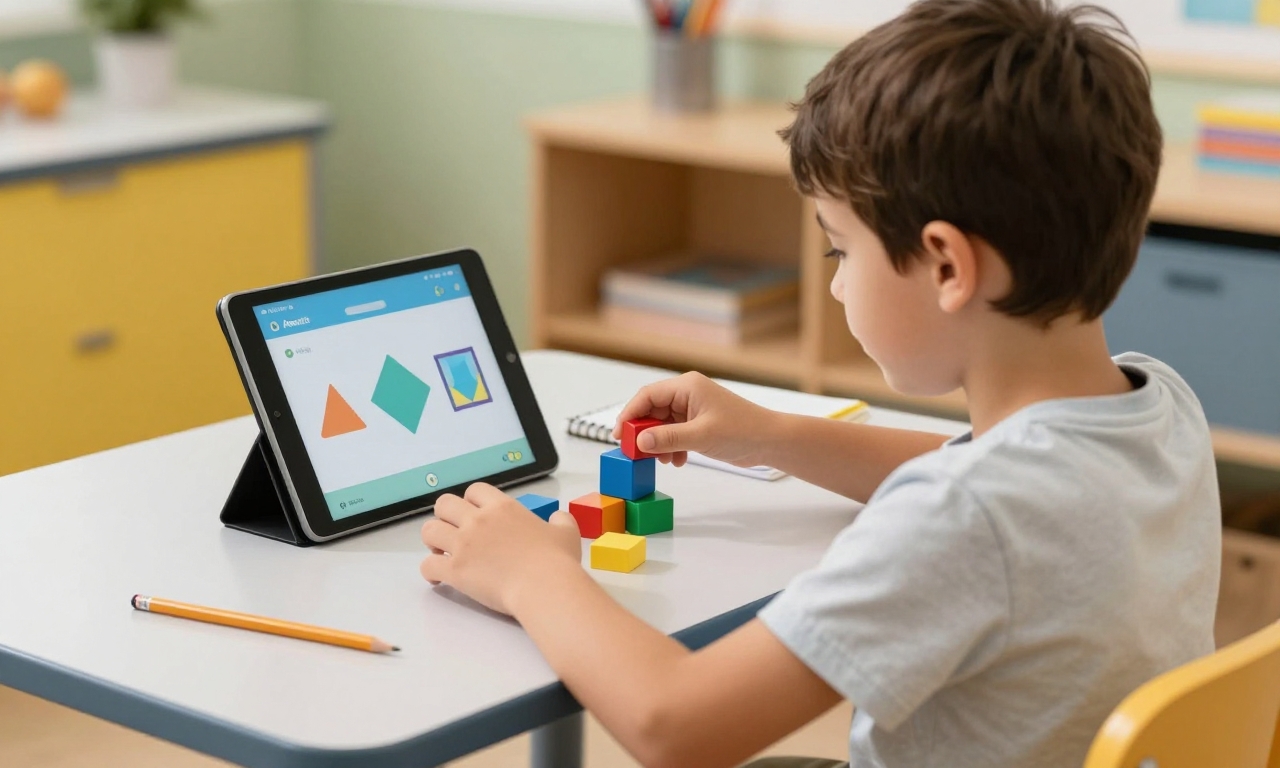
The impact of the use of tablets on learning cannot be understood without exploring cognitive development in different age groups. In early childhood education especially among younger students, too much time on the screen may disrupt the essentials. Studies have shown that practical activities and interaction with others are still essential to fine motor skills and emotional intelligence building. Nevertheless, in the right context, tablets can be helpful with reference to certain learning goals via interactive applications that reinforce ideas. The secret is to strike a balance between traditional learning process and technology based learning experiences, which does not override but instead supplements key developmental processes.
Elementary School Students
Tablets can also be useful tools among elementary school students to build digital literacy in addition to reading and writing. Applications that are based on reading comprehension, mathematical reasoning, and creative expression have demonstrated beneficial results when designed carefully within the curriculum. Research indicates that interactive materials could enhance interaction among learners who do not find it easy to follow traditional instructions. However, teachers should not forget about the risk of distraction because a younger generation of students can become more engaged in the device itself instead of the information it presents.
Middle School Students
Middle school refers to a transitional stage at which more complex learning goals can be supported with the help of tablets. Students at this age are starting to acquire research skills and learning on their own which can be enhanced through tablets and the availability of learning materials and productivity tools. Particularly, the use of stylus-enabling tablets has been promising in terms of taking notes and creative tasks, and it enables students to practice organizational skills by working with digital content. Nonetheless, studies also suggest that if not directed correctly, middle school students will use tablets less as learning resources and more as sources of entertainment.
High School or College Students
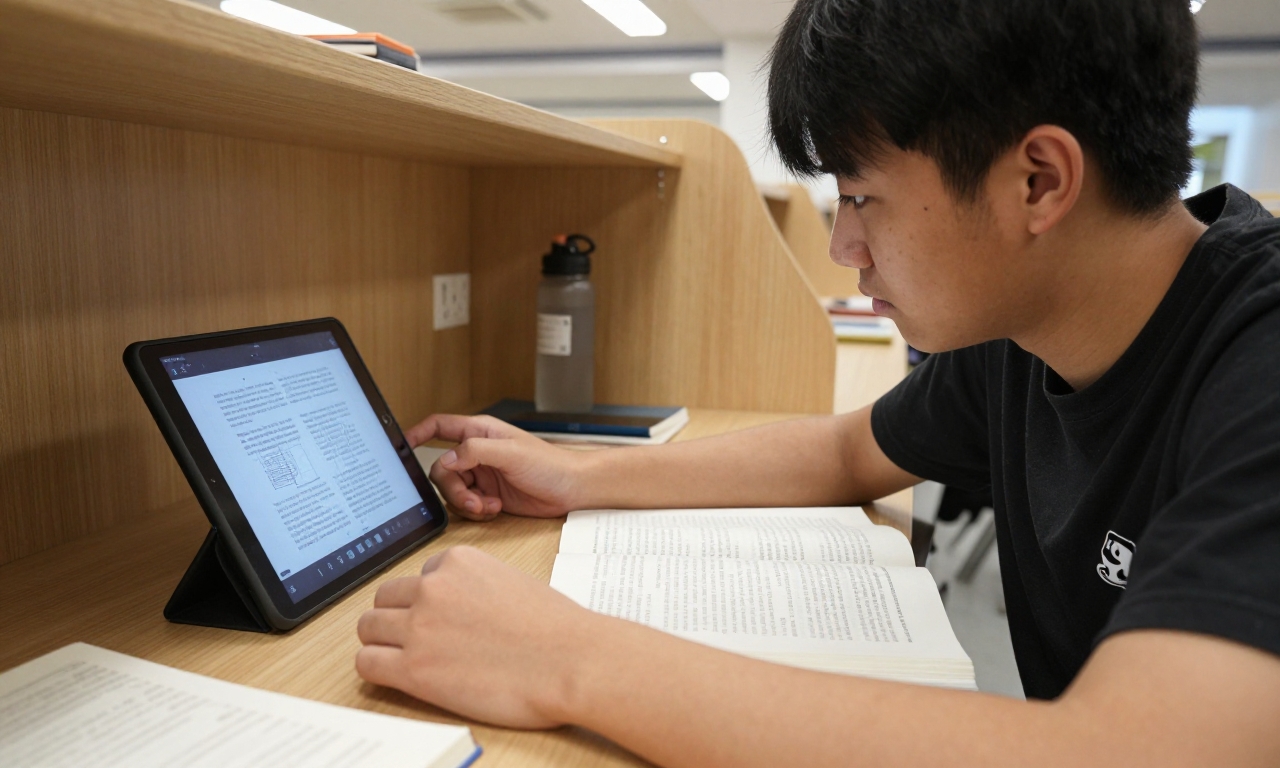
High school or college students usually exhibit a higher ability to self-regulated learning using tablets. Devices of these levels can enable advanced research, teamwork projects, and applications of diverse subjects. Tablets are portable thus enabling students to access learning materials wherever they go, facilitating flexibility of study. Nevertheless, even at this point, studies indicate that using tablets during lectures or study periods to engage in multitasking may harm the ability to remember and learn information. Teachers should assist learners in creating proper techniques of utilizing tablets as learning aids instead of a nuisance.

Guidelines on Real-Life Implementation
Effective tablet implementation involves planning and reviewing. To those teachers who wish to use technology in their classrooms, it is best to begin with certain learning goals instead of the technology itself. Tablets are not to be ends in themselves but rather to accomplish educational objectives. According to research based strategies, change should start with few applications that are narrow in usage and directly benefit the curriculum needs before increasing the use, depending on the results. Such a calculated strategy will enable teachers to evaluate success without causing harm to the learning experience.
Different considerations are on the parents whoiquer to use the tablet at home. It is again crucial to set definite limits when it comes to timing and content usage especially in children who are younger. Applications used in education must be chosen in accordance with the levels of development and the needs of learning and not because they are entertaining. It is widely recommended by many professionals to co-view and co-use tablets with classes of children, particularly on the first years, to make it possible to ensure proper engagement and provide advice. Frequent conversations related to digital citizenship and responsible use of technology can be useful in making children form healthy habits that go beyond academic settings.
Digital literacy development is an important factor of integration that should not be significantly overlooked when it comes to tablets. In addition to mere device use, the students require support in analyzing the information they receive online, learning about the implications of digital privacy, and producing and not merely receiving content. Teachers can use tablets to effectively teach these skills by deliberately adding them in lessons. Studies have shown that learners who are assigned to structured courses in digital literacy and students who use technology do not display any notable learning differences and exhibit more responsible technological behaviors.
Consideration of Advantages and Disadvantages
Research on the use of tablets in the education sector points to an intricate scenario with both immense advantages and considerable drawbacks. Tablets can help improve engagement, provide differentiated instruction, and prepare the students to work in technology-rich settings when used thoughtfully. They provide specific benefits to students with learning difference that are advantaged with tailored interfaces and adaptive content. The advantages however are chapter sensitive to the quality of implementation, teacher training and continuous support mechanisms which most education institutions fail to offer to a consistent degree.
Moving forward, hybrid models that would incorporate tablet-based learning and conventional ones are likely to prove the most efficient educational strategies. Instead of perceiving technology as the substitute to regular instruction, successful integration considers tablets as the complementary devices contributing to certain aspects of the learning process. This moderate approach recognizes the possible potential of educational technology but does not neglect the undeniable importance of human engagement, practical activities, and direct instruction in achieving the overall development of the student.
After all, the debate is not about the suitability of tablets in learning, it is about the most effective ways to apply it in achieving learning goals. The data indicates that tablets are most effective when their use is purposeful, and there are educational objectives and regular evaluation of their role. With the ever-evolving technology, implementing this evidence based approach, student centered method would ensure that tablets work to be the true addition to the learning experiences and not as a simple technological addition.