Follow us on Facebook
Breaking updates in your feed — tap to open
It’s May 2026, and the wearable world is finally getting it. For years, fitness folks have been annoyed-premium subscriptions hiding their own heart rate data and sleep patterns. Now, a bunch of devices put advanced health stats right in your face, no recurring fee. Subscription-free fitness tracking isn’t just some niche ask anymore. It’s becoming the bare minimum. Whether you’re a weekend jogger or a data-hungry biohacker, these wearables give you deep insights that are yours, no strings attached.
Why Subscription-Free Matters Now
Remember when buying a gadget meant you owned all its features? That’s the vibe driving the latest Garmin, Amazfit, and Fitbit models. In 2026, privacy worries and subscription fatigue have pushed companies to change their game. Over 60% of users in a recent survey said they’d switch brands to dodge monthly fees. The shift isn’t just about saving cash-it’s about data sovereignty. When your nightly HRV or VO2 max trends sit behind a paywall, you’re not just paying for access. You’re losing the ability to freely dig into your own health patterns. These new wearables flip the script, offering detailed metrics right out of the box.
Garmin has long championed this approach, but now Amazfit and Fitbit are stepping up. The result? A competitive landscape where you don’t have to compromise. You can track advanced running dynamics, stress scores, and even blood oxygen saturation without ever opening your wallet after purchase. That’s a game-changer for anyone serious about health metrics explained clearly and accessibly.
Head-to-Head: Garmin, Amazfit, Fitbit
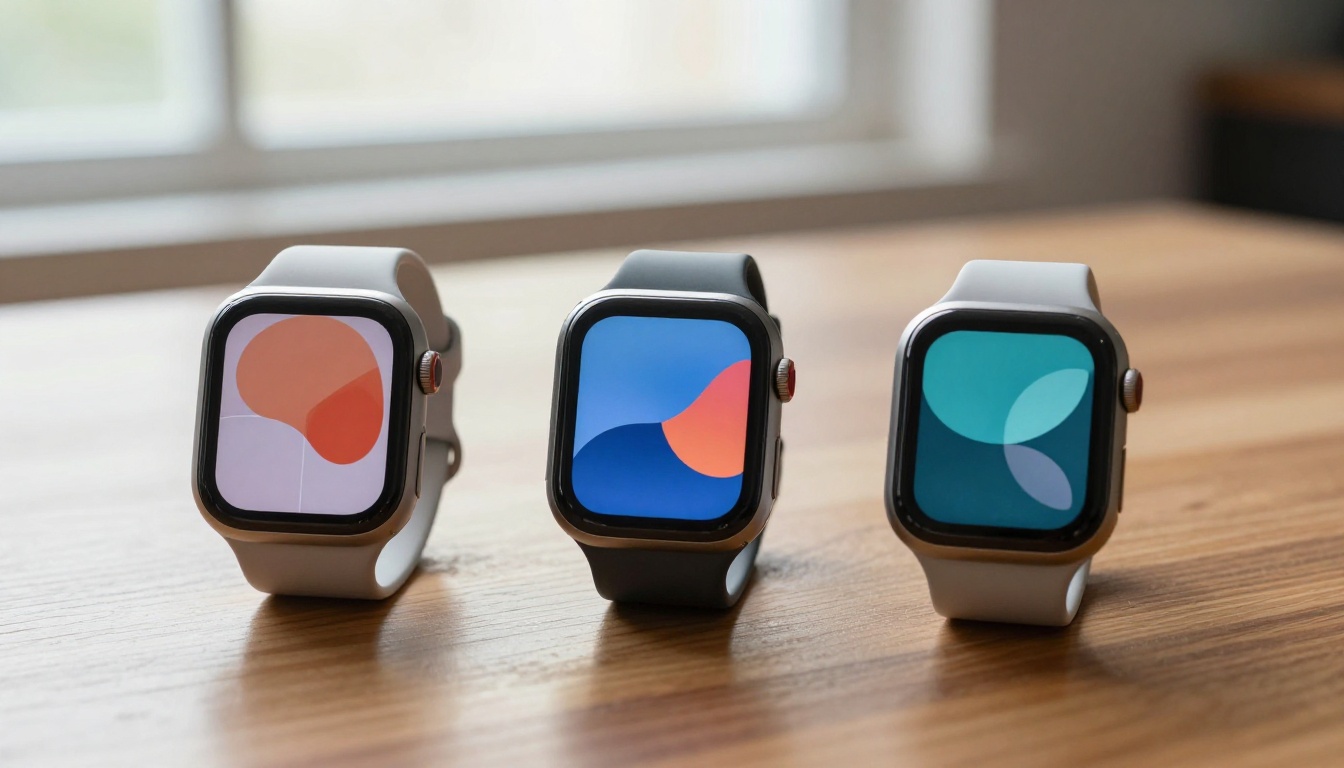
We put three standout models through their paces: the Garmin Venu 3, Amazfit GTR 5, and Fitbit Charge 6. Each promises subscription-free fitness tracking, but they deliver it in distinct ways. The Garmin Venu 3 feels like a coach on your wrist, with animated workouts and detailed performance metrics. Its VO2 max estimates and training load analysis are top-notch, and you don’t need a Connect+ subscription to see them. The Amazfit GTR 5 impresses with its Zepp OS, offering one-tap measurement of heart rate, SpO2, and stress. It’s remarkably polished for a budget-friendly option. Meanwhile, the Fitbit Charge 6-yes, the one without Premium-still gives you nightly sleep scores and heart rate variability if you know where to look. It’s a bit like finding hidden treasure.
Battery life varies widely. The Garmin lasts up to 14 days in smartwatch mode, while the Amazfit stretches to 16 days. The Fitbit, with its always-on display, needs a charge every 5 days. But all three handle the basics brilliantly: step counting, GPS tracking, and smartphone notifications. Where they diverge is in the depth of free analysis. Garmin’s Body Battery and stress tracking are unparalleled, while Amazfit’s PAI score offers a simple, unified metric. Fitbit’s readiness score, however, remains partially locked unless you use workarounds.
| Feature | Garmin Venu 3 | Amazfit GTR 5 | Fitbit Charge 6 |
|---|---|---|---|
| VO2 Max | Free, with trend data | Free, basic estimate | Free, but limited history |
| Sleep Analysis | Detailed stages, score | Stages, breathing quality | Stages, score (no Premium) |
| HRV Status | Nightly average, trends | One-tap measurement | Nightly, but no long-term view |
| Battery Life | Up to 14 days | Up to 16 days | Up to 5 days |
| Subscription Required? | No | No | No (basic features) |
Notice how each device handles health metrics explained differently. Garmin leans into athlete-grade analytics, Amazfit prioritizes holistic wellness, and Fitbit offers a streamlined experience. Your choice depends on what you value most: depth, simplicity, or ecosystem.

Privacy and Data Ownership
Beyond the features, there’s a deeper conversation about who owns your health data. With subscription-free fitness tracking, you’re not just avoiding fees-you’re reclaiming control. Garmin stores your data locally and syncs to its app without requiring cloud processing for basic metrics. Amazfit has improved its privacy policy, allowing you to opt out of data sharing more easily. Fitbit, now under Google, still nudges you toward Premium but doesn’t force it. Your nightly HRV and sleep trends remain accessible without a subscription, though some advanced insights are paywalled.
This matters because health data is intensely personal. In an era of frequent data breaches, knowing your resting heart rate isn’t being monetized brings peace of mind. These wearables prove that robust fitness tracking doesn’t require sacrificing privacy. You can monitor your stress, recovery, and activity levels without feeding a corporate algorithm. That’s a win for consumers tired of being the product.
“The move toward subscription-free models reflects a maturing market where trust is the real currency,” says wearable analyst Maria Chen. “Users are demanding transparency, and brands that deliver will win long-term loyalty.”
So, which one should you buy? If you’re a serious runner, the Garmin Venu 3 is the clear choice. Its training metrics and long battery life justify the price. For everyday wellness tracking, the Amazfit GTR 5 offers incredible value. And if you’re already in the Fitbit ecosystem, the Charge 6 works fine-just don’t expect the full picture without a little digging. Ultimately, the best wearable is the one that respects your data and your wallet.
Subscription-free fitness tracking is no longer a compromise. It’s a standard that puts you first. As we move through 2026, expect more brands to follow suit. Until then, these three devices prove you can have advanced health metrics without a monthly bill. Your body, your data, your choice.