Follow us on Facebook
Breaking updates in your feed — tap to open
Losing keys, wallets, or luggage is a universal frustration. A Bluetooth tracker comparison helps you choose the right device to keep tabs on your essentials. These small gadgets attach to your belongings and let you locate them via a smartphone app. But not all trackers are created equal. They differ in range, network reliability, battery type, and anti-stalking features. Understanding these differences ensures you pick the best item finder for your ecosystem and habits.
How Bluetooth Trackers Work
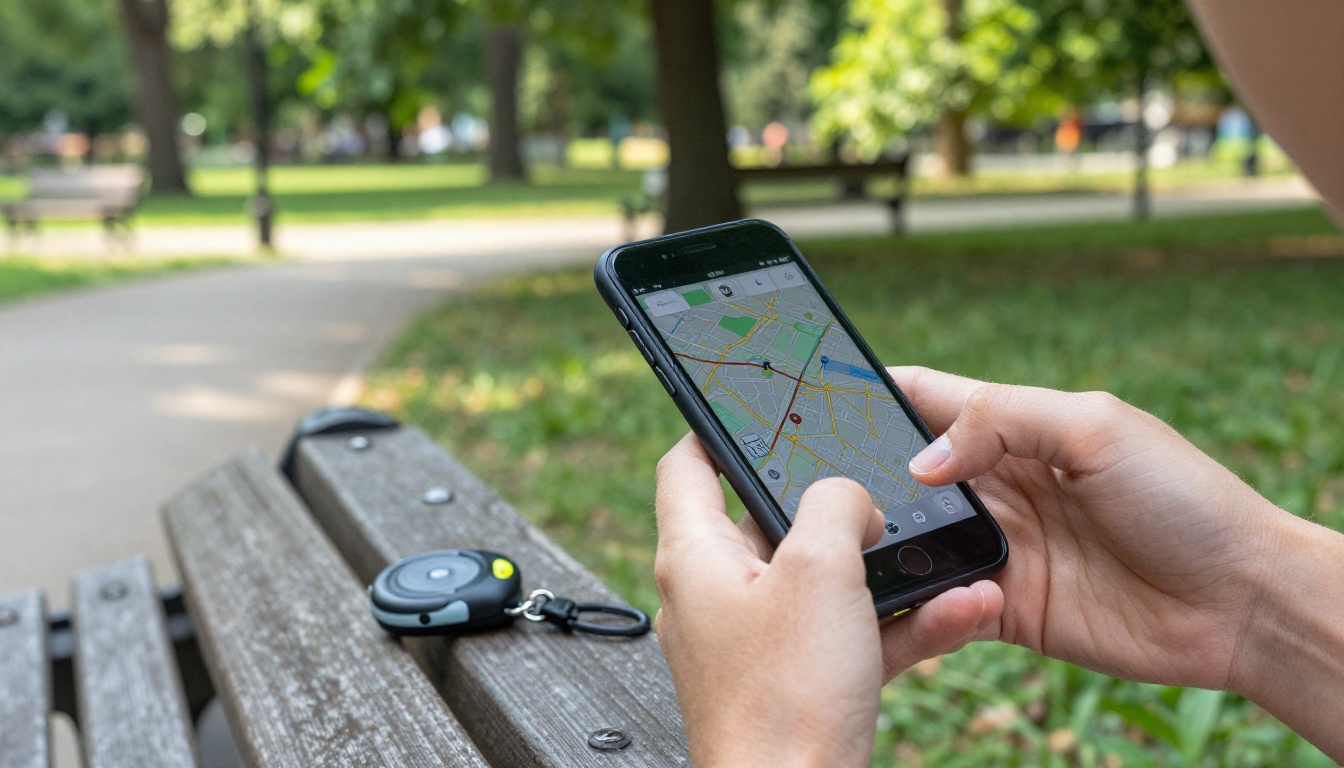
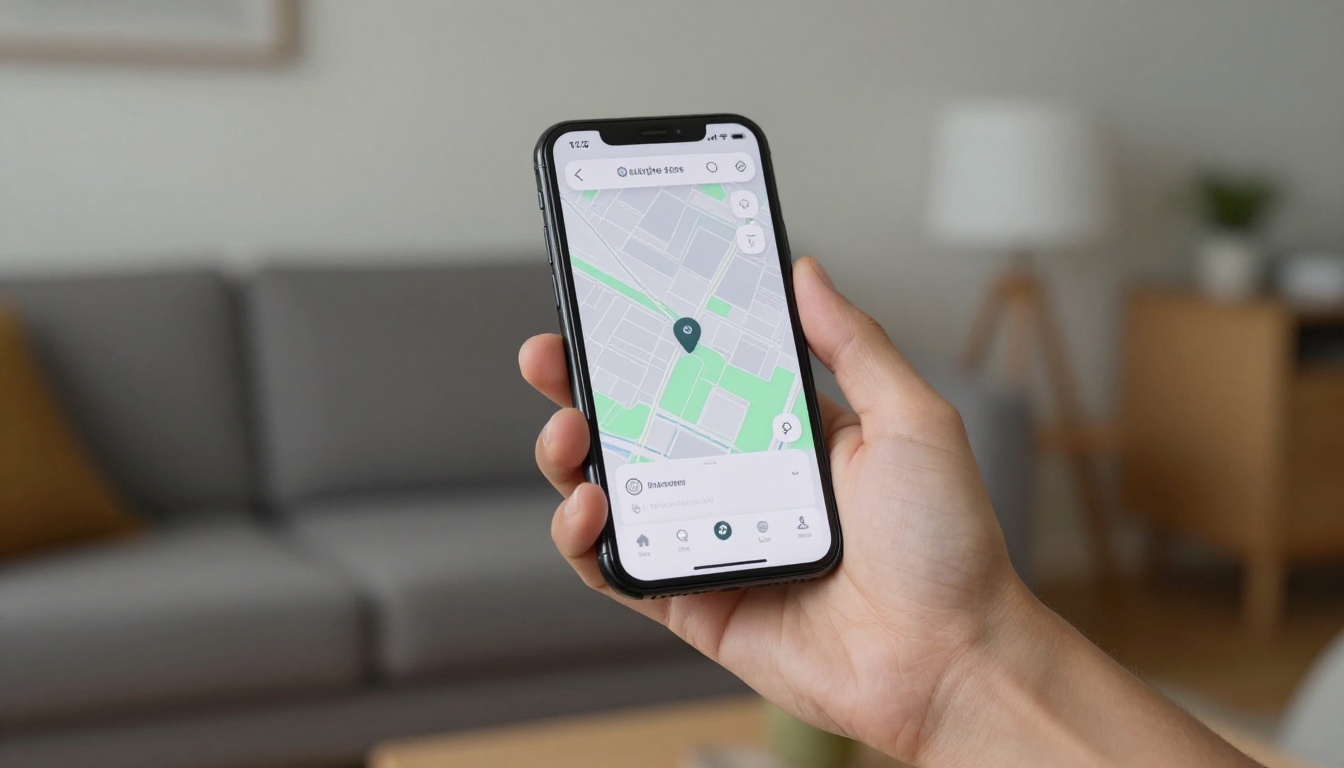
Bluetooth trackers use short-range wireless signals to communicate with your phone. When in range, you can make the tracker ring or view its location on a map. Out of range, they rely on crowd-finding networks. These networks use other users’ devices to anonymously detect your lost item and relay its location back to you. The size and activity of that network dramatically affect real-world performance. Apple’s Find My network, for instance, leverages hundreds of millions of iPhones globally. Samsung’s Galaxy Find Network is similarly vast within its ecosystem. Tile’s network depends on its own user base, which is smaller but still substantial. Your choice of tracker should align with the network you’re already part of.
Key Features to Compare
When conducting a Bluetooth tracker comparison, focus on these aspects:
- Range and signal strength: Most trackers offer about 100-200 feet in open air, but walls and interference reduce this.
- Crowd-finding network: This is the backbone of lost-item recovery. Apple and Samsung offer massive, built-in networks. Tile’s network is smaller but works across platforms.
- Battery type: AirTags use a standard CR2032 coin cell, user-replaceable and lasting about a year. Galaxy SmartTags also use replaceable batteries. Some Tile models have sealed batteries that last a year or two, then you replace the whole tracker.
- Anti-stalking measures: Unwanted tracking alerts are now standard. AirTags and SmartTags notify both iPhone and Android users if an unknown tracker is moving with them. Tile offers similar features through its app.
- Platform compatibility: AirTags work only with Apple devices. SmartTags require a Samsung phone. Tile works with both iOS and Android, making it the most flexible option.
These factors shape the user experience more than any spec sheet. Consider which ones matter most for your daily routine.
Detailed Tracker Comparison
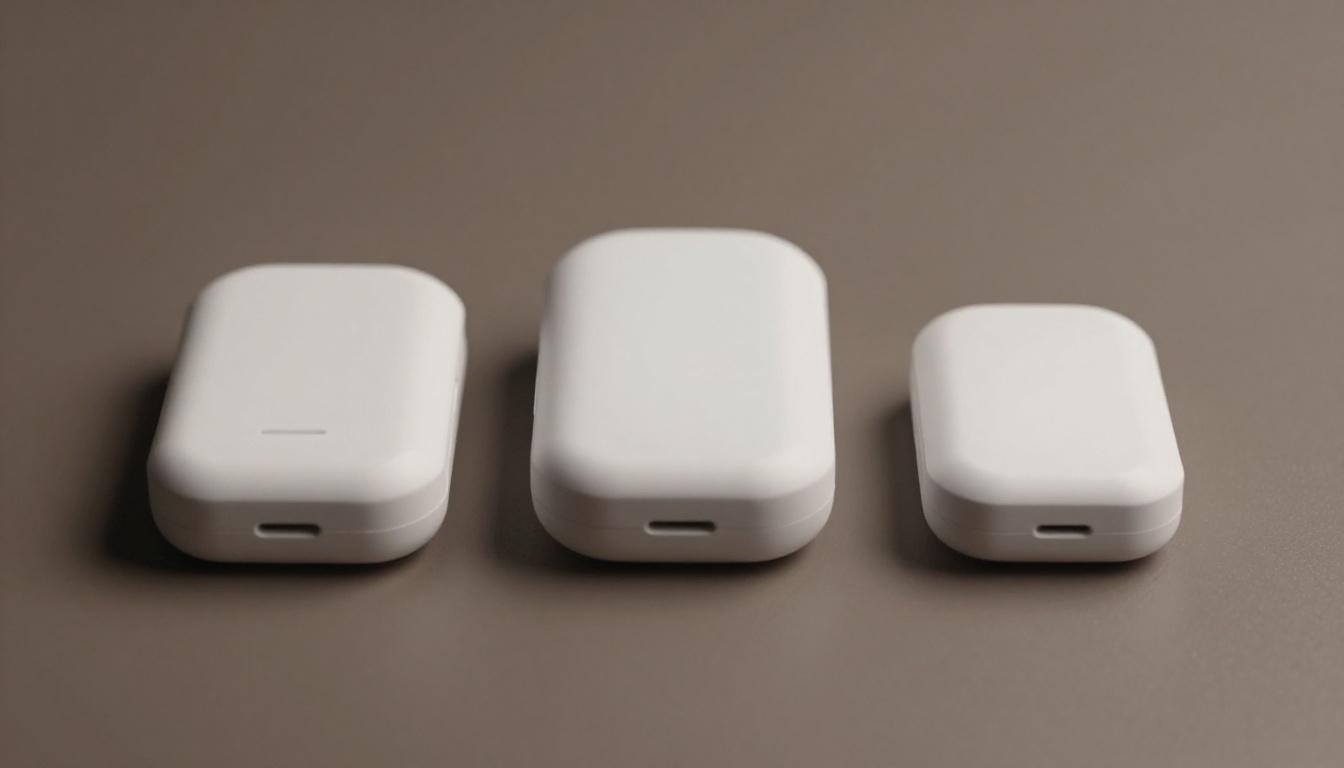
Here’s a side-by-side look at the three leading options:
| Feature | Apple AirTag | Samsung Galaxy SmartTag | Tile Pro |
|---|---|---|---|
| Network | Find My (huge) | Galaxy Find (large) | Tile Network (moderate) |
| Battery | Replaceable CR2032 | Replaceable CR2032 | Replaceable CR2032 |
| Range (approx.) | 100-200 ft | 120-200 ft | 200-400 ft |
| Anti-stalking | Yes, cross-platform alerts | Yes, cross-platform alerts | Yes, via app |
| Compatibility | Apple only | Samsung only | iOS & Android |
AirTags integrate seamlessly with iPhones and offer precision finding using ultra-wideband technology. Galaxy SmartTags provide a similar experience for Samsung users, with augmented reality guidance. Tile trackers stand out for their cross-platform support and louder ring, which helps when you’re nearby. Your decision hinges on your phone brand and how often you lose items in crowded areas.
Choosing the Right Tracker
Start by identifying your primary smartphone. If you’re deep in the Apple ecosystem, AirTags are the obvious choice. Their network is unmatched, and setup takes seconds. Samsung users will find SmartTags equally convenient, with tight integration into Galaxy devices. For households with mixed platforms or for those who frequently switch between iOS and Android, Tile offers the most versatility. Also think about your typical lost-item scenarios. Do you often misplace things at home? Any tracker will suffice. Do you worry about luggage at airports? A tracker with a massive crowd-finding network gives you peace of mind. It’s not just about finding your keys-it’s about reclaiming your time and sanity.
Anti-stalking features are now a baseline expectation. All three brands have implemented safeguards, but the effectiveness varies. Apple and Samsung’s system-level alerts are more robust than Tile’s app-dependent approach. If privacy is a top concern, factor that into your decision. Finally, consider the long-term cost. Replaceable batteries save money over time, but some Tile models require full replacement. Weigh the upfront price against the convenience of not swapping batteries. There’s no single best tracker-only the best one for your life.