Follow us on Facebook
Breaking updates in your feed — tap to open
Your phone’s screen is the most fragile part. One drop and it’s toast. Daily use leaves tiny scratches too. That’s why screen protectors explained right can save you a bundle. But they’re not all the same. You’ve got three main kinds: tempered glass, TPU film, and privacy filters. Each has its own perks. Knowing the differences helps you pick smart.
Why Screen Protection Matters
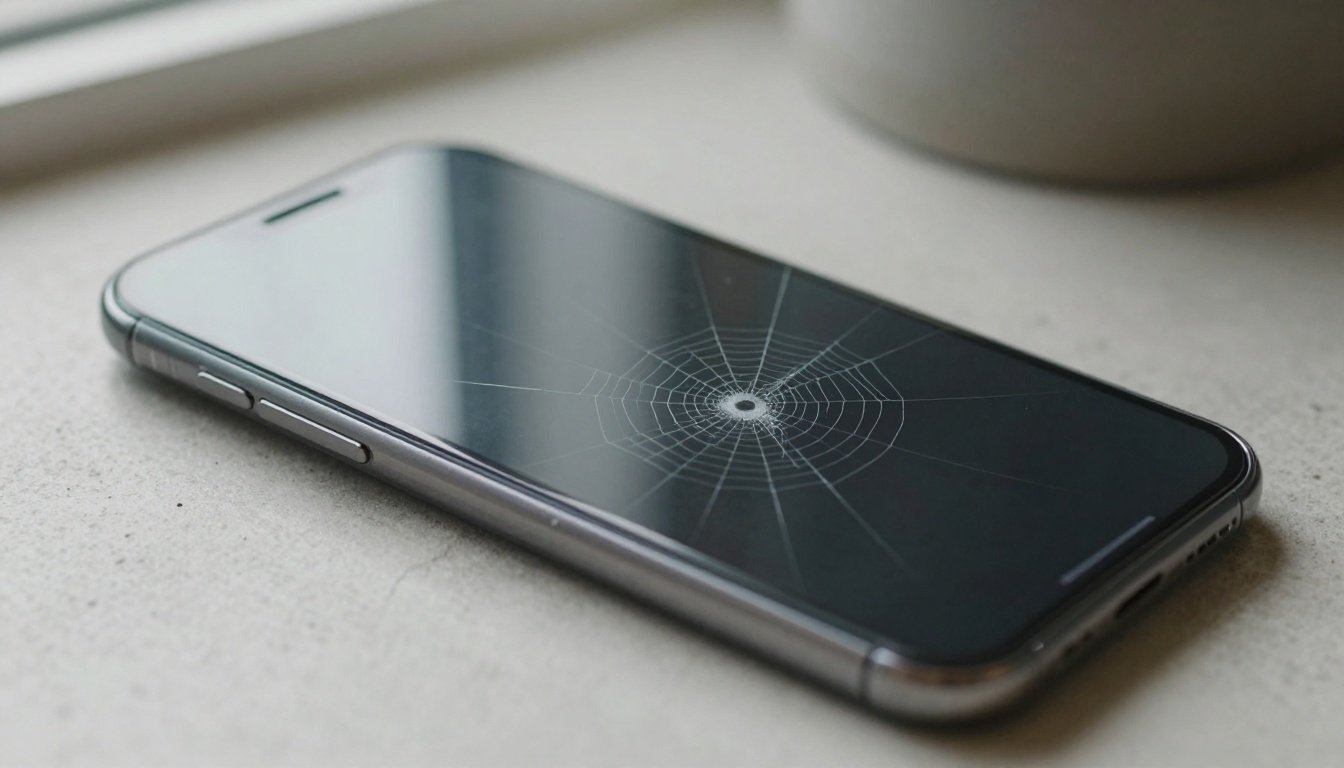
Today’s phones and tablets have fancy glass, but they still crack. Drop protection isn’t just about being thick-it’s about soaking up energy. Tempered glass shields take the hit, shattering so your screen doesn’t. Film protectors stop scratches from keys or sand. Privacy filters add a layer of visual security. Without protection, even top-tier devices can get wrecked. A screen protector is a small price for peace of mind.
Touch feel and clarity count too. A lousy protector can make your screen laggy or blurry. Good ones keep the original vibe. They fight fingerprints and smudges as well. It’s a no-brainer for anyone who cares about their gadget. Plus, putting them on is way easier now. Many kits come with alignment frames for a bubble-free job.
Tempered Glass: The Heavy-Duty Choice
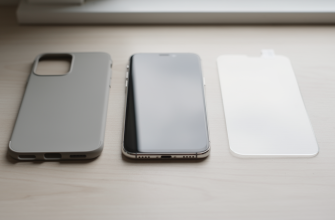
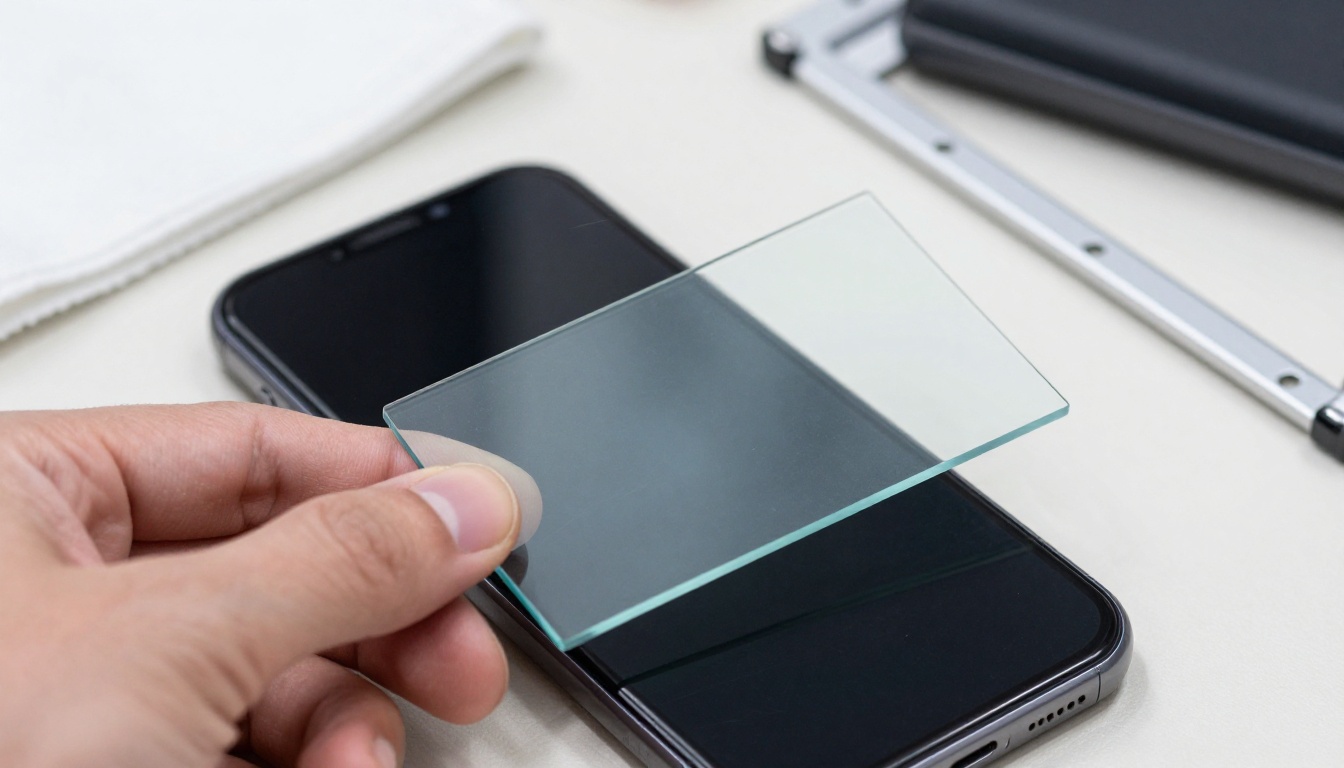
Tempered glass protectors are the go-to for most folks. They’re chemically strengthened glass, usually with a 9H hardness rating. So they resist scratches from metal stuff. More importantly, they absorb shock during drops. If the protector breaks, your screen stays safe. That makes them perfect for clumsy people or those with bigger devices like tablets.
Installation is a breeze with today’s kits. Look for ones with alignment frames. Clean the screen well, then apply the protector from one edge. Squeegee out bubbles. Some premium types have oleophobic coatings to repel oils. Others have anti-glare or blue light filtering. But glass protectors add a bit of thickness. Cases need to fit, especially on curved screens. Still, for most, tempered glass gives the best mix of protection and feel.
TPU Film: Flexible and Self-Healing
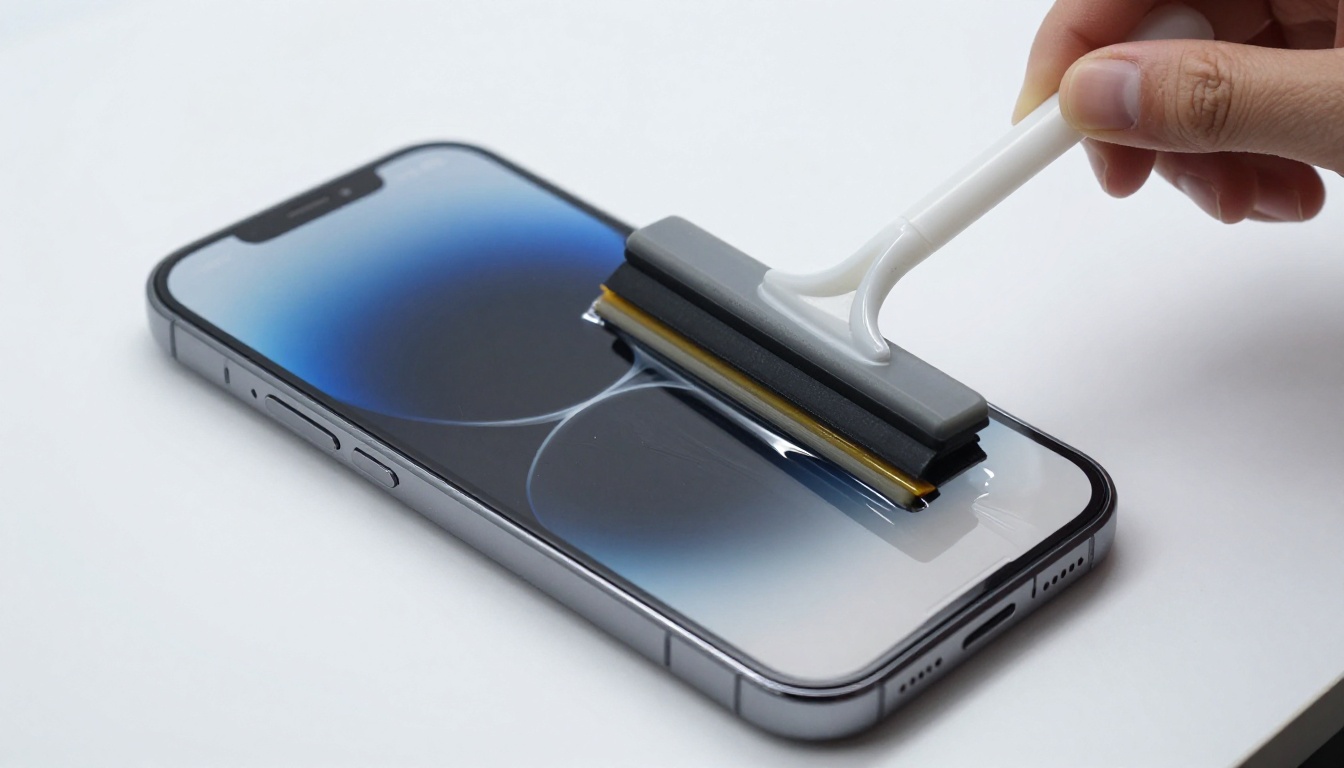
TPU (thermoplastic polyurethane) film is a different animal. It’s a flexible plastic that absorbs impacts by bending. Unlike glass, it won’t shatter. Minor scratches can even self-heal over time. This makes it great for curved or foldable displays where glass won’t stick well. It’s also thinner and lighter, keeping your device sleek.
Installation needs more patience. Wet-install methods use a spray to position the film before squeegeeing. That cuts down on dust but takes longer to dry. Dry-install films are simpler but prone to bubbles. Touch sensitivity stays top-notch, though the surface feels a bit rubbery. Some people don’t like that texture. Over time, TPU can yellow or peel at the edges. It’s less scratch-resistant than glass. Pick TPU if your device has curved edges or you want impact absorption without the bulk.
Privacy Filters: Guard Your Data
Privacy protectors use micro-louver tech to narrow the viewing angle. Looking straight on, the screen seems normal. From the side, it’s dark or black. That stops visual snooping in public spots. They’re a must for anyone handling sensitive info on the move. Privacy filters come in both glass and film types. Glass versions give drop protection plus privacy. Film versions are thinner and often cheaper.
There are trade-offs, though. Brightness and clarity might dip a little. You may need to crank up screen brightness, which drains battery. Touch sensitivity usually stays fine. Installation is like standard protectors. Some privacy filters are two-way (landscape and portrait), while others only block side views. Think about your typical use. If you often work in cafes or on transit, a privacy filter is a smart move. Pair it with a case for full protection.
Picking the right protector comes down to what you value most. For max drop protection and clarity, go tempered glass. If you have a curved screen or want self-healing, choose TPU film. Need to hide your screen from prying eyes? A privacy filter is the answer. Always check compatibility with your device model and case. A well-installed protector keeps your display looking fresh for years.