Follow us on Facebook
Breaking updates in your feed — tap to open
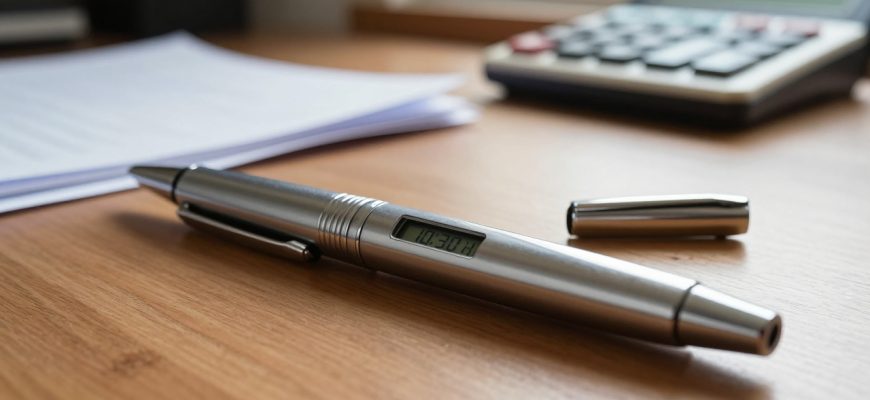
In the annals of technological history, certain devices stand out not just for their functionality, but for what they represent about their era. The chrome LCD watch pen, which emerged in the early 1980s, is one such artifact. At first glance, it might appear as a simple novelty-a ballpoint pen with a small digital clock and date display embedded in its barrel. Yet, a closer examination reveals that this unassuming gadget was a microcosm of the decade’s technological ambitions, consumer trends, and cultural shifts. It arrived at a pivotal moment, bridging the quartz revolution of the 1970s with the personal electronics boom that would define the late 20th century. This article delves into the watch pen’s design, its place in the evolution of timekeeping, and its lasting influence on the wearable technology we use today.
- The Technological Genesis: From Quartz Revolution to Pocket-Sized Innovation
- Cultural Impact and Consumer Appeal in the 1980s
- Design and Functionality: A Closer Look at the User Experience
- Comparative Analysis: Watch Pen vs. Contemporary Digital Watches
- Legacy and Influence on Modern Wearable Technology
- Collectibility and Nostalgia in the Digital Age
The Technological Genesis: From Quartz Revolution to Pocket-Sized Innovation
The chrome LCD watch pen didn’t appear in a vacuum. Its existence was made possible by the quartz crisis of the 1970s, which saw traditional mechanical watchmaking upended by affordable, accurate electronic timepieces. Quartz technology, which uses a vibrating crystal to regulate time, allowed for unprecedented precision and reliability at lower costs. By the early 1980s, digital watches had become commonplace, setting the stage for further miniaturization and integration into everyday objects.
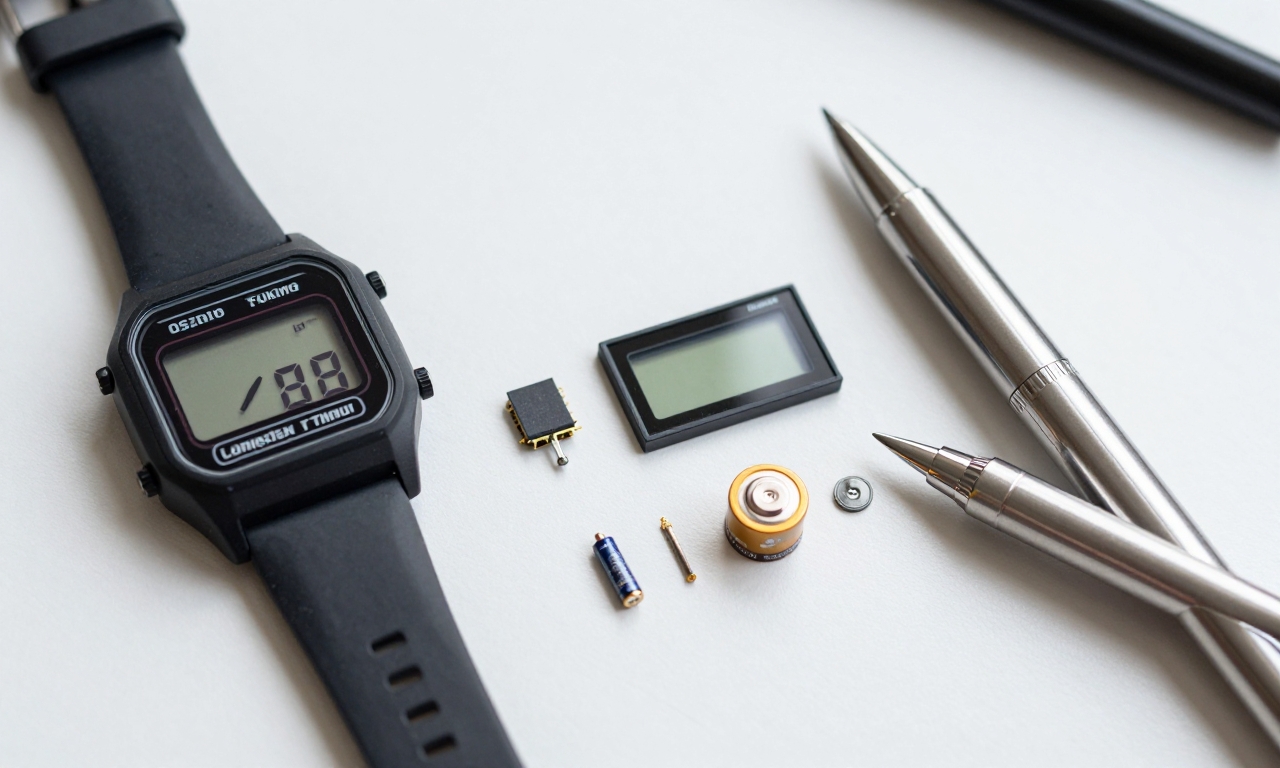
Japanese manufacturers, in particular, led the charge in hardware miniaturization. Companies like Casio and Seiko were already producing slim digital watches, and the logical next step was to embed this technology into other items. The watch pen represented a clever convergence: it took the core components of a digital watch-a quartz movement, an LCD display, and a button cell battery-and housed them within the body of a functional ballpoint pen. This integration required precise engineering to ensure both devices operated reliably without interference.
Key technical aspects of the watch pen included:
- Quartz Movement: Provided accurate timekeeping with minimal maintenance, a hallmark of 1980s electronics.
- LCD Display: Typically showed hours, minutes, and sometimes the date, using low-power technology suitable for small batteries.
- Compact Design: The entire assembly had to fit within a pen’s dimensions, often resulting in a slightly thicker barrel than standard pens.
- Dual Functionality: Users could write with the pen and check the time without switching devices, emphasizing convenience.
This technological synthesis wasn’t just about shrinking components; it reflected a broader trend toward multifunctional personal gadgets that would later evolve into today’s smartphones and smartwatches.
Cultural Impact and Consumer Appeal in the 1980s
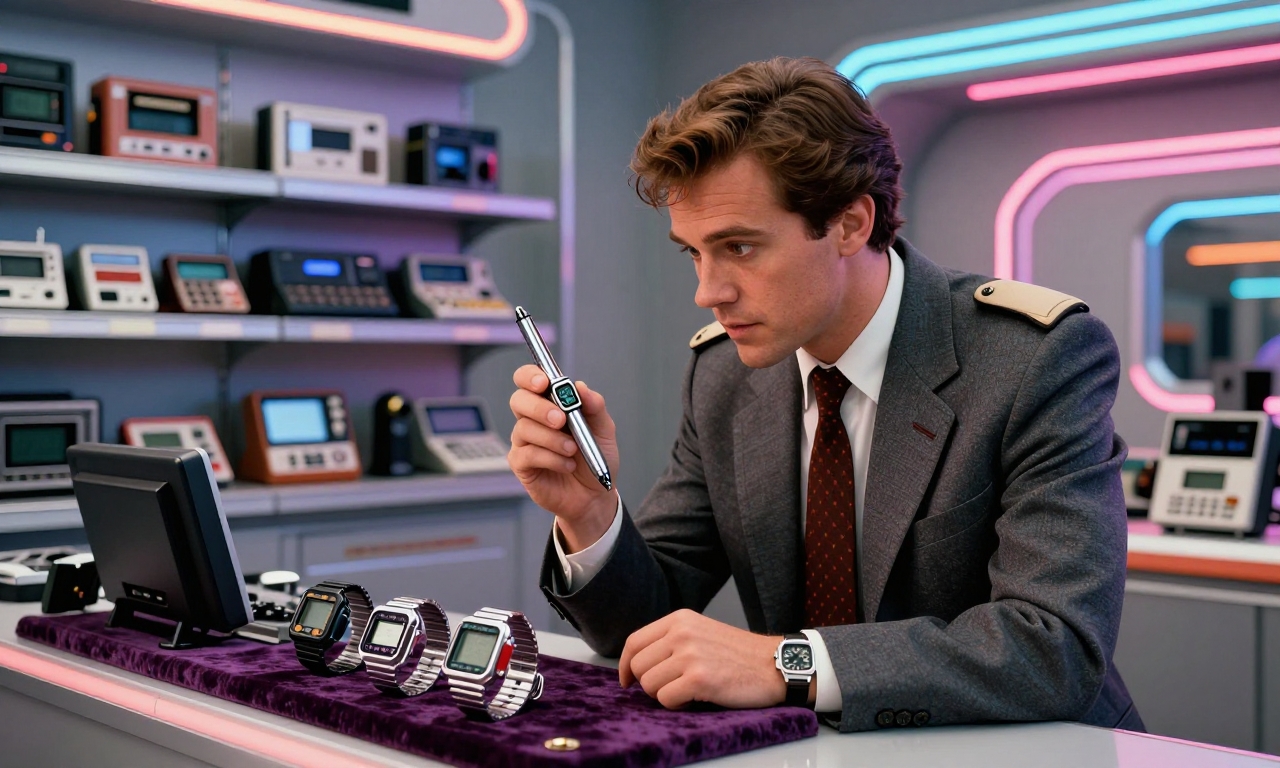
Beyond its technical specs, the chrome LCD watch pen captured the imagination of consumers in the 1980s. This was a decade characterized by economic optimism, a fascination with futuristic design, and a growing appetite for personal electronics. The watch pen tapped into these currents, serving as both a practical tool and a status symbol.
In an era before ubiquitous mobile phones, personal timekeeping was still a novelty for many. People often relied on public clocks, wristwatches, or asking strangers for the time. The watch pen offered a discreet, portable alternative. It could be carried in a shirt pocket, jacket, or school bag, making time accessible at a glance. This convenience resonated with professionals, students, and tech enthusiasts alike, who appreciated having a clock always within reach.
The gadget’s aesthetic also played a role in its appeal. The chrome finish gave it a sleek, modern look that aligned with 1980s design trends-think metallic accents, sharp lines, and a sense of high-tech cool. It evoked the space-age imagery popularized by films and media, blending everyday utility with a touch of futuristic flair. For many, owning a watch pen was a way to signal one’s engagement with cutting-edge technology, much like carrying a latest-generation smartphone does today.
Consumer behavior in the 1980s further fueled the watch pen’s popularity. As disposable incomes rose in many Western countries, there was a growing market for affordable luxury items and tech accessories. The watch pen, often priced as a mid-range gadget, fit perfectly into this niche. It was giftable, collectible, and practical, making it a common sight in electronics stores and catalogs. Advertisements highlighted its dual functionality, portraying it as an essential tool for the modern, on-the-go individual.
The watch pen wasn’t just a gadget; it was a statement. It told the world you valued innovation and efficiency, embodying the 1980s ethos of tech-driven progress.
This cultural resonance helps explain why the watch pen remains a nostalgic icon today, often featured in retrospectives on 1980s technology and design.
Design and Functionality: A Closer Look at the User Experience
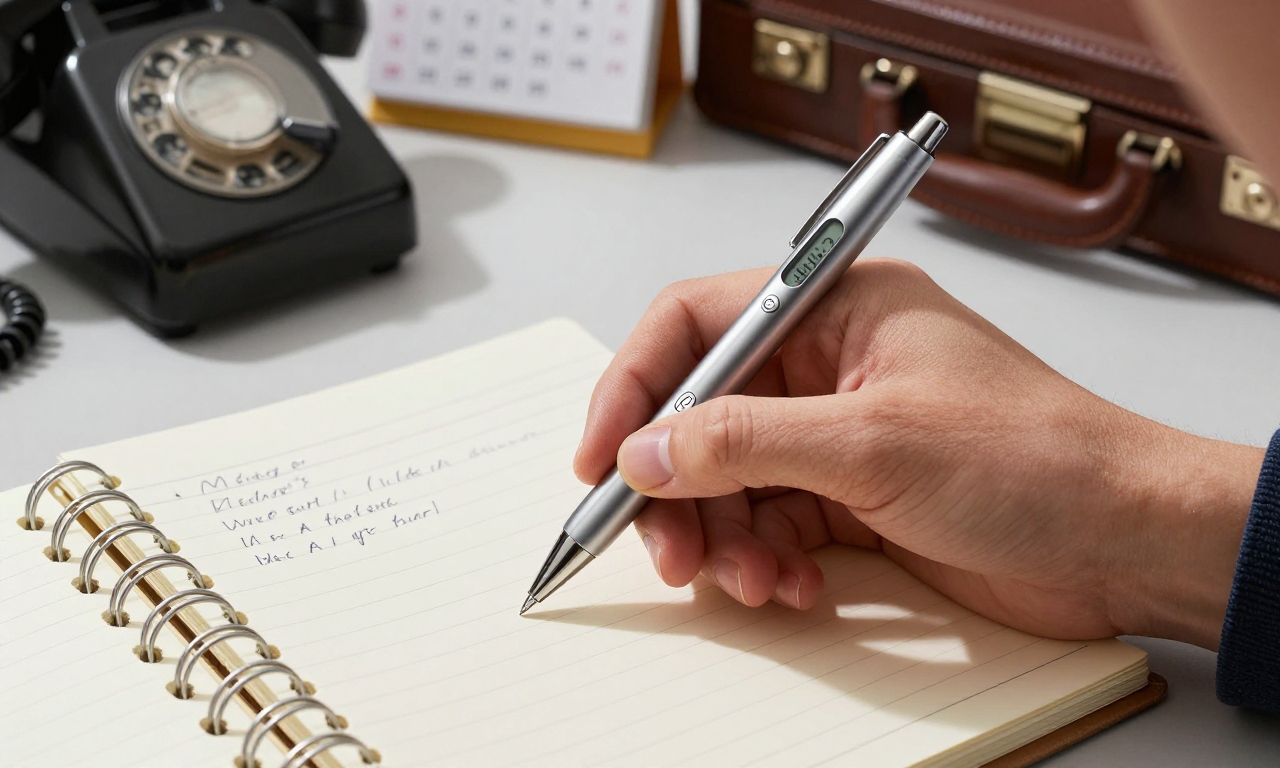
To fully appreciate the chrome LCD watch pen, one must examine its design and how people interacted with it. Unlike today’s touchscreen devices, the watch pen offered a straightforward, tactile experience centered on simplicity and reliability.
Most models followed a similar layout: the pen’s barrel housed the clock mechanism near the top or middle, with a small LCD window visible on the side. A button, usually located on the barrel, allowed users to toggle the display between time and date modes. The pen itself functioned like a standard ballpoint, with a click mechanism or cap for deployment. Build quality varied by brand, but higher-end versions featured durable chrome plating, comfortable grips, and reliable ink cartridges.
From a usability perspective, the watch pen excelled in several areas:
- Portability: Its slim profile made it easy to carry, eliminating the need for a separate watch or clock.
- Battery Life: Thanks to efficient LCD technology, the clock could run for months or even years on a single button cell.
- Intuitive Operation: With just one button, it was accessible to users of all ages, requiring no complex setup.
- Durability: Many models were built to withstand daily use, with scratch-resistant displays and sturdy construction.
However, the design also had limitations. The small display could be hard to read in low light, and the embedded clock was typically less feature-rich than standalone digital watches of the era. Some users found the thicker barrel less comfortable for extended writing. Despite these drawbacks, the watch pen’s overall utility ensured its place in many pockets and pencil cases throughout the 1980s.
The table below summarizes key design features across typical models:
| Feature | Description | Common Variations |
|---|---|---|
| Display Type | LCD (Liquid Crystal Display) | Basic time/date; some with backlight |
| Power Source | Button cell battery (e.g., LR44) | User-replaceable; long lifespan |
| Pen Mechanism | Ballpoint with click or cap | Retractable or capped designs |
| Materials | Chrome-plated plastic or metal | Brushed or polished finishes |
| Additional Functions | Time, date, sometimes stopwatch | Basic models to multi-function |
This focus on compact, integrated design would later influence the development of multi-function gadgets, from PDA pens to modern smart styluses.
Comparative Analysis: Watch Pen vs. Contemporary Digital Watches
To contextualize the watch pen’s innovation, it’s useful to compare it with the digital watches of the early 1980s. While both shared quartz technology, they served different purposes and markets. Digital watches, like the iconic Casio F-91W, were dedicated timepieces worn on the wrist. They often included more features-alarms, timers, backlights-and were designed for constant visibility. The watch pen, by contrast, was a hybrid device meant for occasional time-checking and writing. It appealed to those who preferred not to wear a watch or wanted a backup timepiece. This distinction highlights the watch pen’s niche: it wasn’t trying to replace the wristwatch but to complement it with added convenience in a portable form.
Legacy and Influence on Modern Wearable Technology
Though the chrome LCD watch pen faded from prominence by the 1990s, its legacy endures in the wearable technology we use today. It was an early experiment in embedding digital functionality into everyday objects, a concept that has since evolved into a cornerstone of modern tech design.
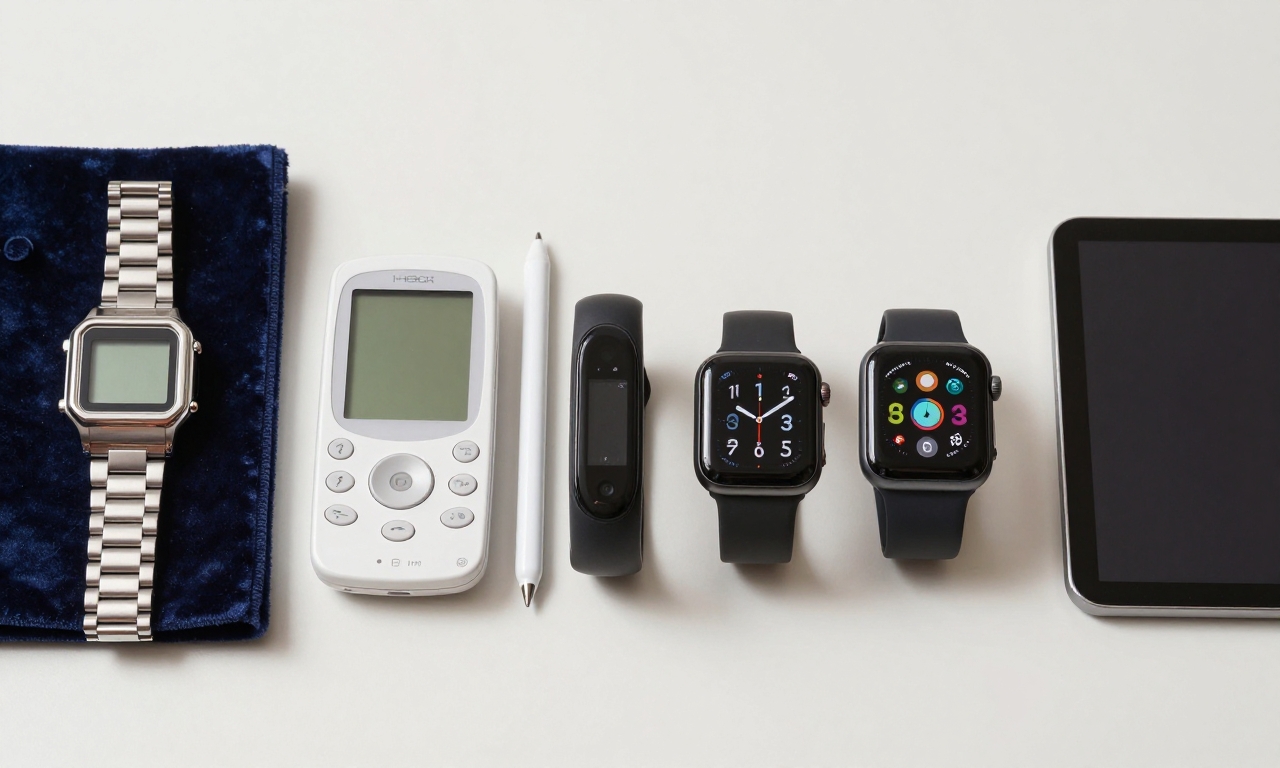
One clear lineage can be traced to smart accessories. Devices like smart rings, fitness trackers, and Bluetooth-enabled pens echo the watch pen’s approach of integrating discreet tech into personal items. For example, the Apple Pencil for iPad, while far more advanced, shares the watch pen’s ethos of combining writing utility with digital capabilities. Similarly, smartwatches like the Apple Watch or Samsung Galaxy Watch have taken the idea of multifunctional timekeeping to new heights, offering communication, health monitoring, and app integration beyond mere clock displays.
The watch pen also anticipated the trend toward miniaturization and portability that defines today’s gadgets. In the 1980s, carrying a clock in your pen was revolutionary; today, we carry computers in our pockets. The drive to make technology smaller, more integrated, and more personal-exemplified by the watch pen-has only accelerated, leading to innovations like foldable phones, wireless earbuds with sensors, and ultra-thin laptops.
Key lessons from the watch pen that resonate in contemporary tech include:
- Convergence: Combining multiple functions into a single device to enhance convenience.
- User-Centric Design: Creating gadgets that fit seamlessly into daily routines, rather than demanding attention.
- Aesthetic Integration: Blending technology with stylish design to appeal to broad audiences.
- Accessibility: Making advanced tech simple and intuitive to use.
Moreover, the watch pen’s role as a status symbol foreshadowed how personal electronics would become markers of identity and lifestyle. Today, the choice between an iPhone and an Android device, or between different smartwatch brands, often carries similar social connotations. The watch pen reminded us that gadgets are never just tools; they’re expressions of cultural values and personal taste.
Collectibility and Nostalgia in the Digital Age
In recent years, the chrome LCD watch pen has experienced a resurgence as a collectible item. Vintage models are sought after on platforms like eBay and Etsy, often fetching prices that reflect their nostalgic appeal. This revival speaks to the enduring fascination with 1980s tech aesthetics and the human tendency to romanticize analog-digital hybrids. For collectors, the watch pen represents a tangible link to an era of experimentation and optimism in consumer electronics. It also serves as a reminder of how far technology has come-from a simple pen-clock to devices that connect us globally. As we look to the future of wearables, with concepts like smart fabrics and augmented reality glasses, the watch pen stands as a humble yet influential precursor, proving that even the smallest innovations can leave a lasting mark.
In conclusion, the chrome LCD watch pen was more than a fleeting fad; it was a microcosm of 1980s technology and culture. By merging a pen with a digital clock, it showcased the possibilities of miniaturization, reflected consumer desires for convenience and style, and laid groundwork for the wearable tech revolution. As we continue to integrate technology into every aspect of our lives, the watch pen remains a poignant reminder of where this journey began-in the pockets and imaginations of an earlier generation.