Follow us on Facebook
Breaking updates in your feed — tap to open
Whenever you consider upgrading your smartphone, the process seems to be more of emotion than logic. We are attracted to sparkling new equipment that is advertised as having some ground-breaking functions, but we often cannot explain tangible reasons why we bought it. This conflict between emotional desire and practical need is the basis of the contemporary consumer psychology in the world of technology. The dynamic can only be understood by analyzing the psychological triggers that govern purchases, and the objective performance metrics on which they are supposed to be guided.

- Emotional Implicature of New Technology
- Practical Considerations for Upgrades
- Technical Benchmarks and Their Interpretation
- Checking Your Real Use Case Patterns
- Budget and Value Considerations
- Software Support as a Factor
- When Promotions are deceptive of Price
- Creating Your Own Upgrade Rules
- Conclusion: The Psychology of Phone Upgrades
Emotional Implicature of New Technology
Marketing is a skillful art that exploits our psychological weaknesses to construct a story of status, belonging and fear of missing out. Social comparison might be evoked by watching friends holding the newest iPhones or Samsung Galaxies, and artificial scarcity, offered by deals that are only open a short period of time, can put one under psychological pressure and force. This kind of psychology is complicated: we are not merely purchasing a gadget, but rather an identity, money and temporary escape of technological FOMO. This psychological factor is what delineates why others upgrade every year even when the new performance increase is not too significant whereas others hold onto older devices way beyond the point in time when they have reached usefulness.
Practical Considerations for Upgrades
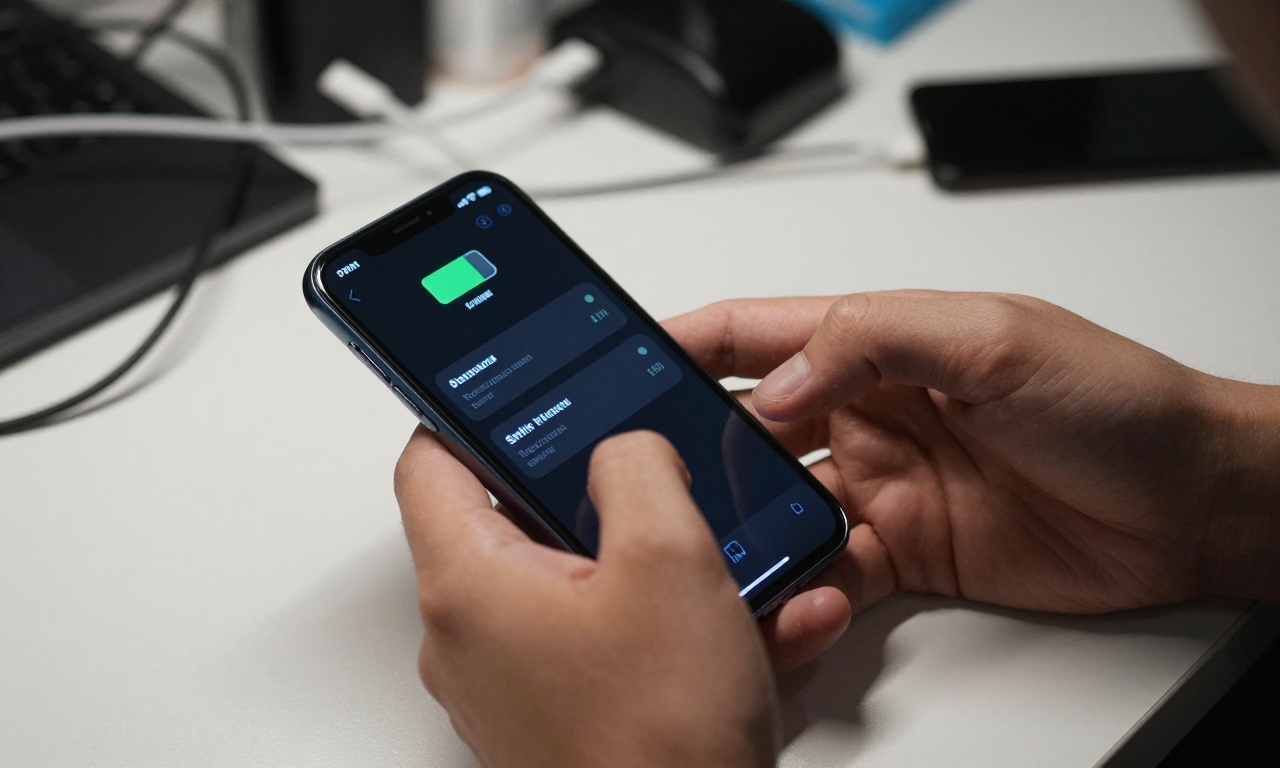
Any upgrade decision should be anchored on components of practical considerations. Don’t start by looking at how much better performance of your current device can perform in theory. Wrind down of battery life is one of the most acceptable grounds of replacement since lithium-ion batteries inherently diminish in capacity due to the passage of time. The fact that even efforts to optimize your phone can make it last only a normal day means that you are literally running hardware out of control and not software. Likewise, things like storage limitations that constantly interfere with your productivity or apps being incompatible that cannot do a few functions that you need but cannot will never truly be subjective desires.
Technical Benchmarks and Their Interpretation
Technical benchmarks are useful markers of data, yet interpretation of these marks is needed. Most flagship smartphone reviews may bring out impressive processor advances, of which the benefits may be inconsequential to daily activities such as sending messages, browsing, or social media. The move to USB-C is a workaround of charging standardization, whereas the use of OLED display is a visual improvement, which some users actually value. Nonetheless, a slight increase in the refresh rate or the camera night mode features may not be worth the significant investment to potential buyers whose existing products already fulfil their requirements.
Checking Your Real Use Case Patterns
The difference in smart phone use among people is tremendous hence the need to do personalized assessment. A gaming phone performance test will demonstrate content-specific features that have value that is of paramount concern to mobile gamers, but which are of little concern to casual users. An individual who uses mobile photography on major or personal work could be justified to get camera enhancements, which others would use hardly. The type of features the students may need the most on the tablets are those that support the stylus and regulates the battery life. The reason to upgrade should be based on your particular usage habit as opposed to blanket marketing assertions.
Budget and Value Considerations
The issue of budget also adds to the complexity of the upgrade equation. Emergence of great budget phone models has changed the landscape of the industry by providing their competent phones at a fraction of the cost of flagships. Among midrange phones sees a common occurrence of this type of phone being make ones that are basically as capable in their core functions as the pricier models, but are deprived of only the most advanced features that most users do not use. This poses a psychological dilemma of being conditioned to equate quality with price but a comparison analysis shows decreasing value above a certain price point. The fulfillment feeling of possessing a high-end gadget should be considered against the realistic actual need.
Software Support as a Factor
Software support is also a factor that is gaining great importance in terms of upgrade decisions. Android update capabilities and the iPhone update capabilities increase the life of the devices by providing security measures and upgrading features. Easing hardware constraints, security weaknesses and application incompatibility, can allow manufacturers to exert unobtrusive upgrade pressure when they drop older devices. This practical issue can sometimes be lost in the glitz and sparkle of hardware announcements, but it has the essential influence on the safety and usability of devices, a crucial matter that is rarely a concern of emotionally based marketing.
When Promotions are deceptive of Price
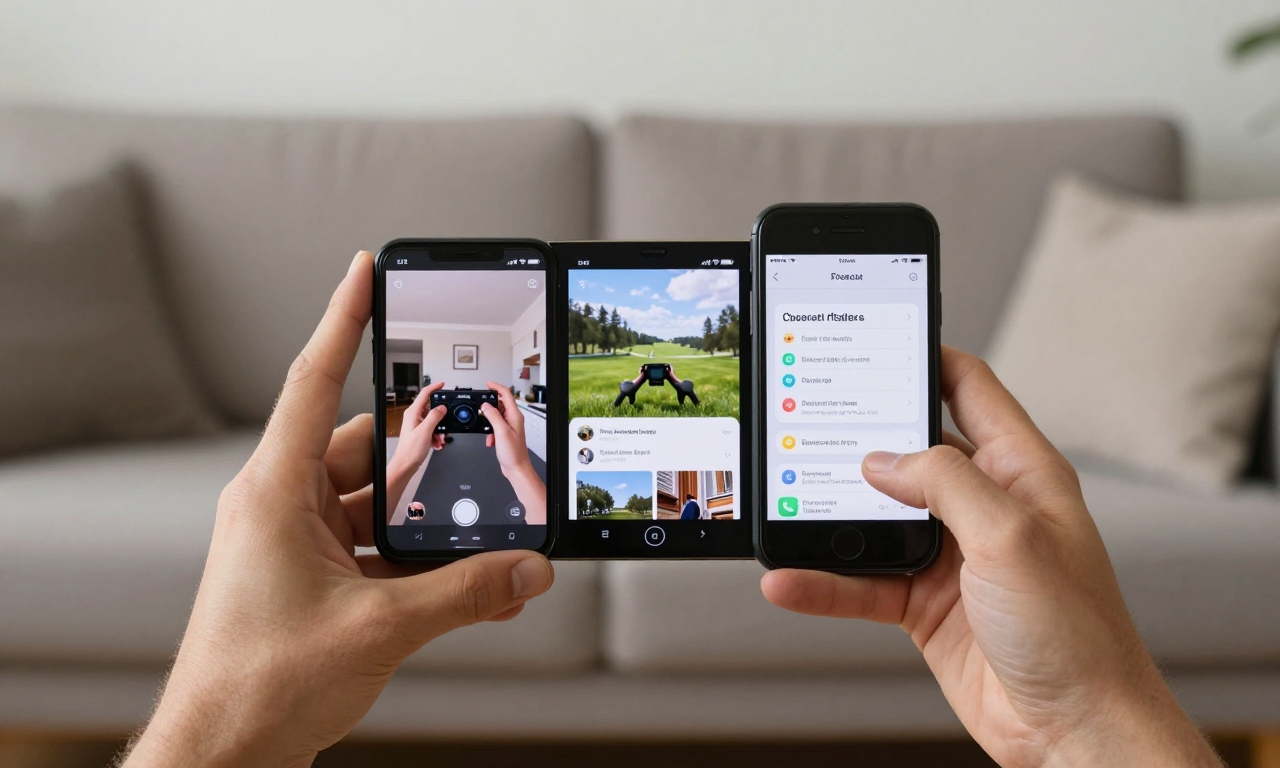
Trends in the industry such as foldable phones create so much hype, although depending on their durability the analysis on foldable shows there are trade-offs which may not be very appealing to all users. Likewise, convenience of wireless charging should be weighed against reduced charging rates as opposed to the wired equivalents. These practical tradeoffs are occasionally clouded by the psychological appeal of having new state of the art technology. The serene evaluation needs to dissect between real innovation and the upgrading of what is actually known as incremental innovation camouflaged as revolutionary innovations. This sense is especially critical when annual release cycles, whereby marketing departments are required to work overtime to create the sense of urgency to upgrade.
Creating Your Own Upgrade Rules
- Finally, the most sustainable strategy is to create your own rules according to your real needs and not what other people side pressure you to do.
- Making a list of things that must have and those that are nice to have would be a checklist that is used, and then analyze your current device with the essential features mentioned in the checklist.
- Think about carrying a smart phone durability test on your current phone so that you can examine the physical state of the phone objectively.
- Methods of optimization of research battery life preceding the assumption of replacement is requisite.
- The process translates to making better and more fulfilling decisions that are much more financially reasonable as it avoids emotional responses and social comparisons.
Conclusion: The Psychology of Phone Upgrades
The psychology of phone upgrade can tell a lot about the contemporary consumerism and relation to technology. Through acknowledging our emotional cues and basing judgement on real appraisal, we have the ability to make or arrive at decisions that are in our actual interest but not those that are dictated by the market. The following time an upgrade temptation comes along, ask yourself whether a real constraint is being addressed or it is a psychological persuasion you are feeling. This awareness in itself will be the most useful upgrade you can level to an upgrade of your choice-making procedure.