Follow us on Facebook
Breaking updates in your feed — tap to open
Have you ever been speaking to a friend about a product and then within a few minutes you can see an advertisement on your smart phone? This is a typical experience that has contributed to a high degree of assumption that our devices are always listening to our conversations. One of the most insistent digital myths in the present times, telepathic advertising has literally given people real fears regarding the spyishness of smartphones. Having been analyzing the mobile technology over the years, I have come across numerous accounts of individuals who believe that their phones are eavesdropping. The psychological effects of such belief are quite considerable and it gives us the feeling of discomfort in relation to which we treat our most personal devices.
- The Realities of Smartphone Listening as Technically Speaking
- Real-life Data Collection Processes
- The Psychological Reasons that Contribute to the Illusion
- The Issue of Protection of Privacy of Smart Phone Users
- Real-life Privacy Protection
- Technical Resources of Current Smart Phones
- Considering the Business Case of Audio Surveillance
- To the User Who Wants to Maximize Privacy in Their Smartphone
- Combining Psychology and Technology
- The Trends in Smartphone Technology in the Future
The Realities of Smartphone Listening as Technically Speaking
The current generation of smartphones also has advanced audio features, such as wake word voice assistants, such as Google Assistant and Siri. These systems make use of local processing to identify the phrases that are needed then they activate the cloud-based services. But there would be intensive technical problems with continuous audio recording and transmission. The streaming audio information would be incredibly battery-eating, hence the creation of huge data consumption that users would be aware of and the servers would be costly as advertisers would find them unappealing. Both Android and iOS have a technical structure that prevents background access to audio by implementing privacy features ensuring that microphones access is restricted and that application-users should explicitly allow apps to use microphones. As much as these permissions have been misused in certain applications, systematic eavesdropping of large platforms would be counterproductive to their business models and they would face unimaginable consequences as they are regulated.
Real-life Data Collection Processes
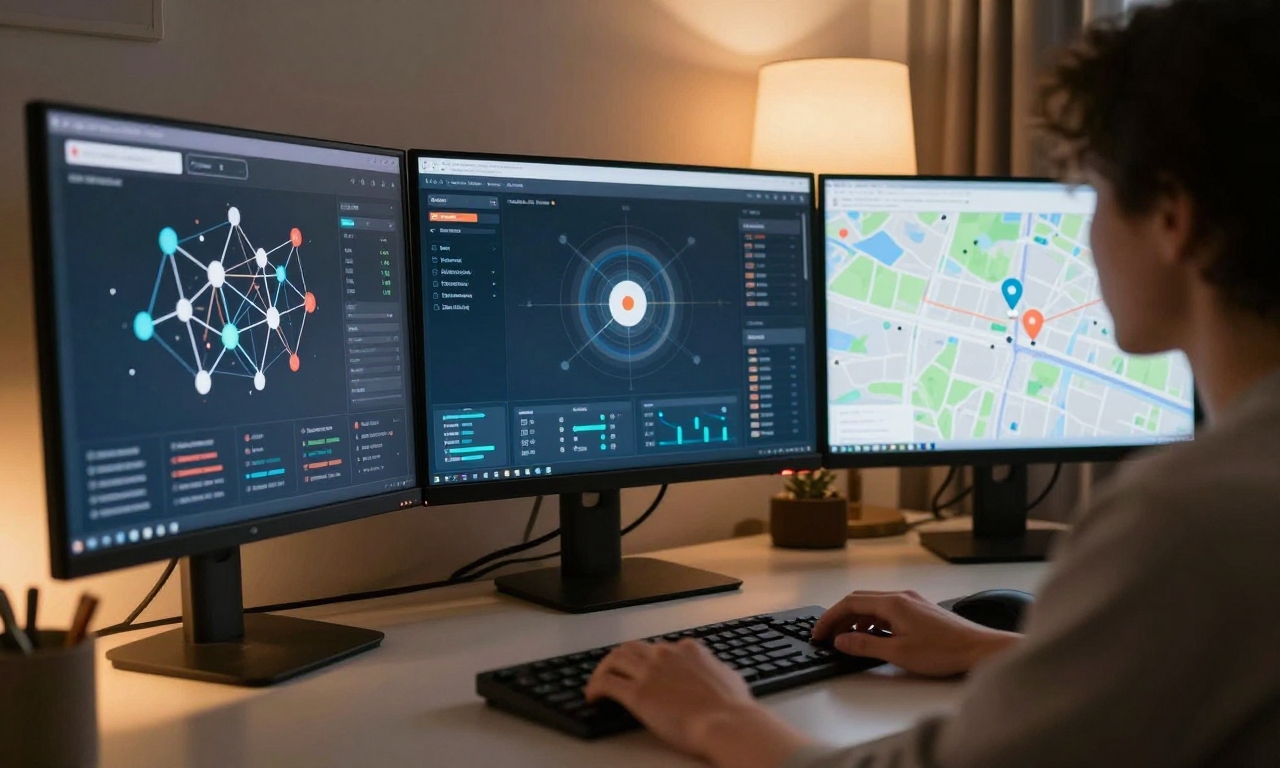
Real-life data collection processes that give rise to the focused advertising are much more advanced but not as sensational as the audio surveillance. Such platforms as Google and Facebook create a detailed portrait on the basis of:
- search history
- whereabouts
- usage patterns in applications
- buying activity
- social interactions
When you refer to friends of similar interests about a product, you must be already in the same marketing groups. It cannot leave without the psychological phenomenon of frequency illusion so you start seeing advertisements about recently discussed products, and it gives you an illusion of telepathy. Combined with the confirmation bias in the form of us remembering hits and forgetting misses and this cognitive bias, this gives the impression of the psychological cocktail bypassing surveillance but happening due to other processes.
The Psychological Reasons that Contribute to the Illusion
We are programmed to find meaning and patterns where none exist. The phenomenon of the Baader-Meinhof expounds the reasons as to why we perceive something more often once we have come into awareness of it. Once you hear about a product, your brain is now conditioned to notice it in your surroundings which also applies to online advertisement. This is a psychological process, coupled with the sheer amount of advertisements that we receive every day, ensuring that there are plenty of chances of coincidence between discourse and advertisement. This is enhanced by the human inclination to memorize remarkable coincidences and forget commonplace the occasional correspondence so it appears to be a pattern not a statistical chance.
The Issue of Protection of Privacy of Smart Phone Users
The issue of protection of privacy of smart phone users has changed a lot over the last few years. Both iOS and Android have now more fine-grained controls over microphone access, and their operating systems can show an indicator of a running recording. Privacy audits of the installed apps, turning off unneeded permissions, and privacy-oriented browsers can help to collect a lot of data. To individuals who are especially interested in the topic of audio surveillance, one can also disable voice assistants or revise app permissions on a regular basis which offers extra protection. The fact is that although targeted advertising is partially based on massive data mining, the best answers to it are to simply know what data you are in fact passing on and not to concern yourself with the mythical surveillance options.
Real-life Privacy Protection
The way to start using privacy can be knowing the settings of your device. Android OS Android also has added a Privacy Dashboard that gives users a detailed report of which applications are using sensitive permissions in the recent period, and iOS, which enables users to see that activity within the past seven days, offers this, too. Both of them can enable users to turn off the access to the microphone usage of certain applications and still use other parts. In the case of voice assistants, you should think about whether you should have always-on capabilities or can manual activation be more appropriate, taking into consideration your privacy concerns. The combination of such practical steps and the frequent certification of apps is not radical in establishing privacy enhancements.
Technical Resources of Current Smart Phones
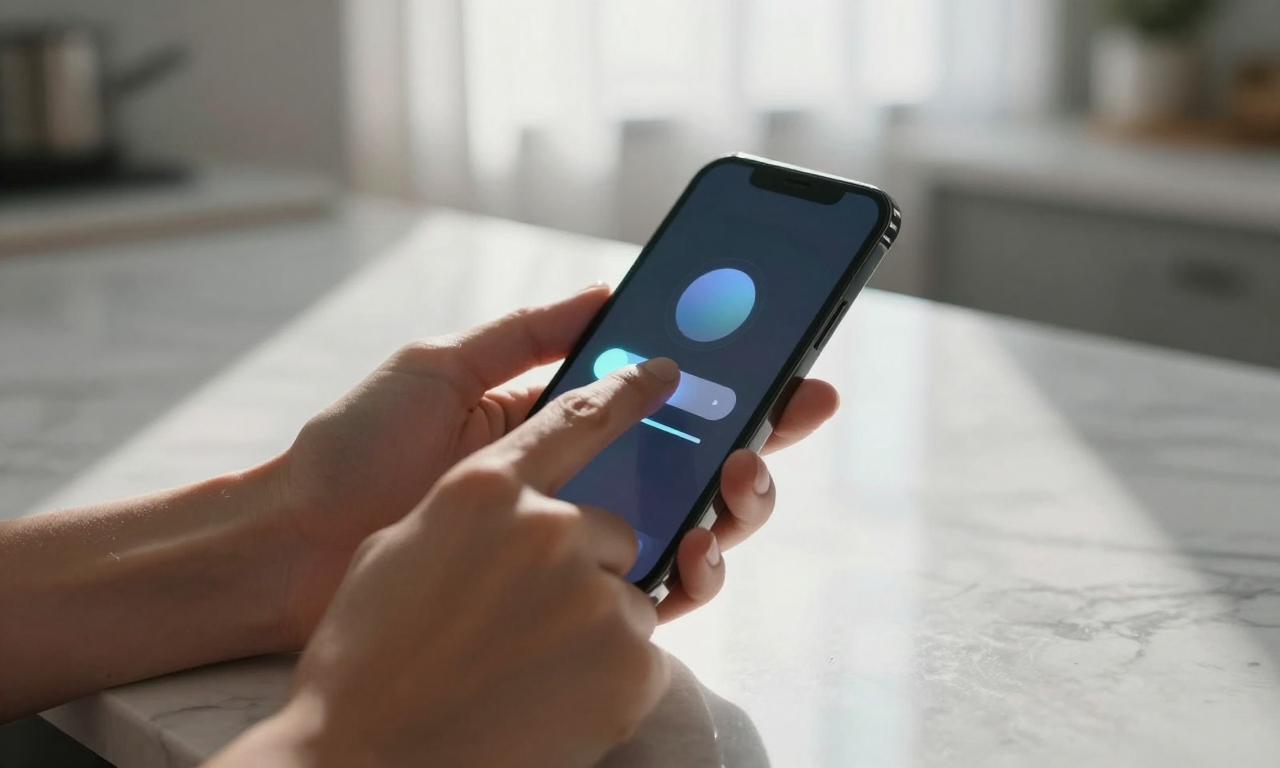
Technical resources of current smart phones are not deprived of advanced audio processing, especially in flagship phones with multiple microphones to cancel noise and record voice. All these specifics aim to enhance the call quality and voice assistant activity, and they have occasionally attracted surveillance concerns. Nevertheless, it is important to know the distinction between audio processing locally in the device functionality, and data transmission in the advertising context. The processing costs of analysing continuous audio streams to determine relevance of audio to advertising would be enormous, and the processing power would greatly affect battery life and performance on even the most sophisticated devices.
Considering the Business Case of Audio Surveillance
Considering the business case of audio surveillance, it is possible to see more reasons, why systematic eavesdropping is improbable. The value of audio data as an alternative to using any currently available behavioral tracking cannot be used as a marginal value, and the legal and reputational risk is high. The world is progressively scrutinizing major technology firms, and penalties on breaching privacy are huge. The comparatively low advertising edge offered by audio data would not compensate against such risks, and as far as there are already more or less effective ways of tracking there is no actual need to do so. This economic fact, integrated with technical constraints indicates that the telepathic advertising phenomenon is caused not by technical surveillance but by the psychological factors.
To the User Who Wants to Maximize Privacy in Their Smartphone
To the user who wants to maximize privacy in their smartphone, there are good strategies that would guarantee higher success than the worry of the possibility of audio surveillance.
- Reviewing app permissions on the regular basis is the most effective starting point, especially when it comes to apps that do not necessitate microphone access logically.
- Employing privacy-oriented alternatives to mainstream applications, making more significant use of privacy in browsers, sharing location to only required circumstances helps decrease data gathering.
- The realizations of the understanding that the majority of the data gathering is achieved by traditional digital tracking and not by some sort of exotic surveillance contribute to the narrowing down of privacy efforts where they are most required.
Combining Psychology and Technology
Combining psychology and technology, some very interesting phenomena are formed such as the telepathic advertising effect. The more we are reliant on digital devices, the more we need to know about their real functions as well as how we react psychologically towards them. This information can make the users make wise choices regarding their privacy and the choice to share and share with others without being blind to technological constraints. Even though the discussion of smartphone privacy can be confusing, the debate should center on real information usage instead of what might have been imagined in terms of surveillance therefore result in far more effective measures and less fear of our online lifestyles.

The Trends in Smartphone Technology in the Future
The trends in smartphone technology in the future will probably feature more advanced privacy settings, as opposed to intrusive surveillance. Apple and Google have both focused their new platform versions on privacy, with other functionalities such as App Tracking Transparency and Privacy Sandbox redefining data collection processes. Such trends indicate that the industry tends to become more transparent and user controlled, where the validity of privacy concerns are considered without the constant myths dispelling them. As users, keeping track of these developments and knowing the reality of how the digital advertising process works will allow moving through the transforming privacy of smartphones with a sense of confidence and lucidity.